

How Many Penguins Do We Have Left? A Stark Reality Check
The global penguin population is estimated to be around 18 million, but this number is declining alarmingly, making it crucial to understand how many penguins we have left and the factors driving their endangerment.
Introduction: A World Without Penguins?
The iconic penguin, waddling awkwardly on land yet soaring gracefully underwater, has captured human imagination for centuries. But behind the charming facade lies a stark reality: penguin populations are facing unprecedented threats, leading to a concerning decline. Understanding how many penguins we have left and the reasons for their vulnerability is vital for their conservation. This article delves into the current population estimates, the challenges these remarkable birds face, and what can be done to secure their future.
Do all amphibians have eyelids?
Why do cuttlefish have W-shaped eyes?
Do all snakes have poison in them?
What is the GREY African clawed frog?
Population Estimates: A Species-by-Species Breakdown

Determining the precise number of penguins remaining on Earth is a complex undertaking. Scientists rely on various methods, including aerial surveys, on-the-ground counts, and mark-recapture studies. The accuracy of these methods varies depending on the species and their habitat. Here’s a breakdown of estimated populations for some key penguin species:
- Emperor Penguin: Approximately 270,000 breeding pairs.
- Adelie Penguin: Around 2.5 million breeding pairs.
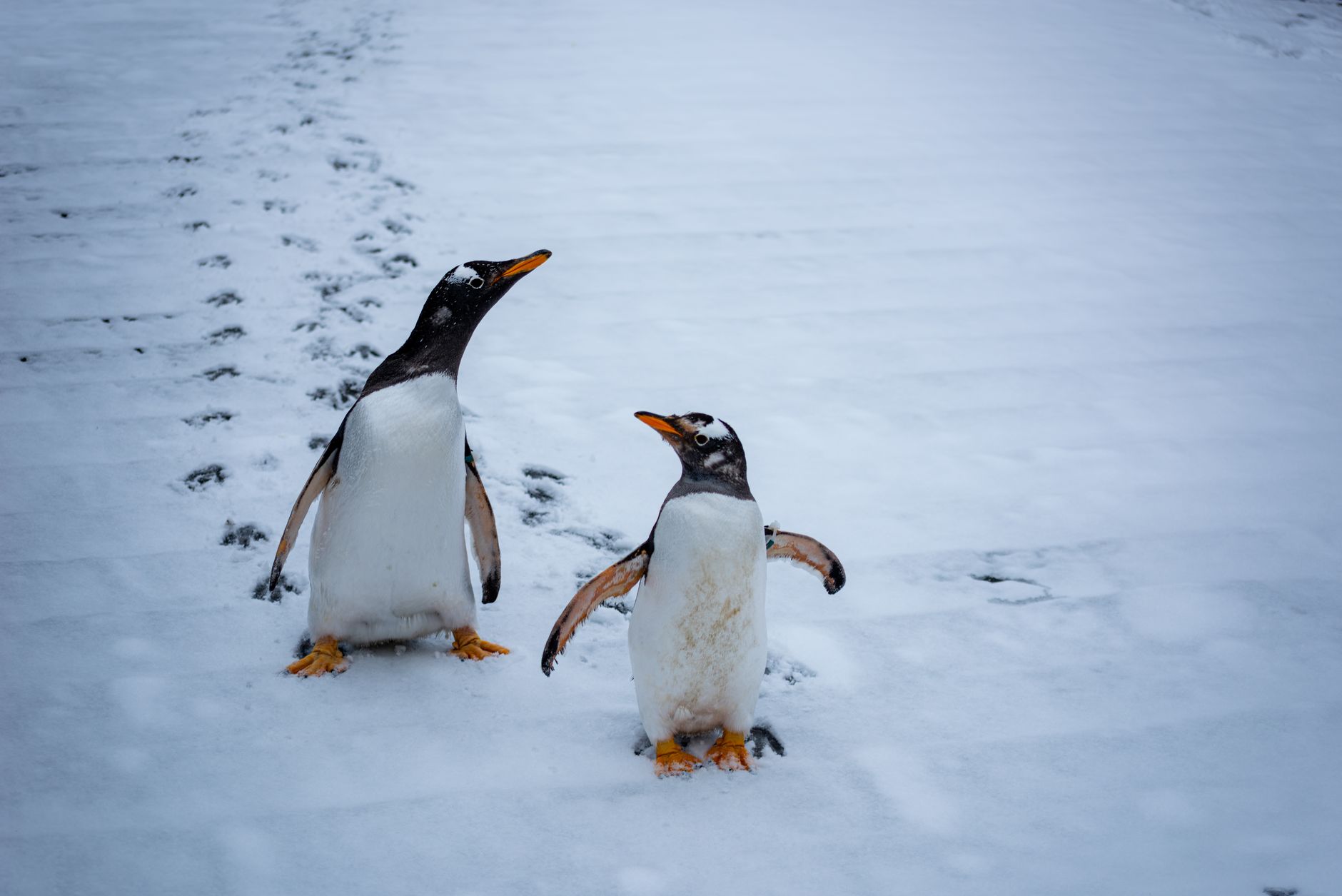
- Gentoo Penguin: Over 774,000 breeding pairs.
- Chinstrap Penguin: Roughly 8 million individuals.
- King Penguin: Estimated 2.23 million breeding pairs.
- Little Blue Penguin: Approximately 350,000-600,000 individuals.
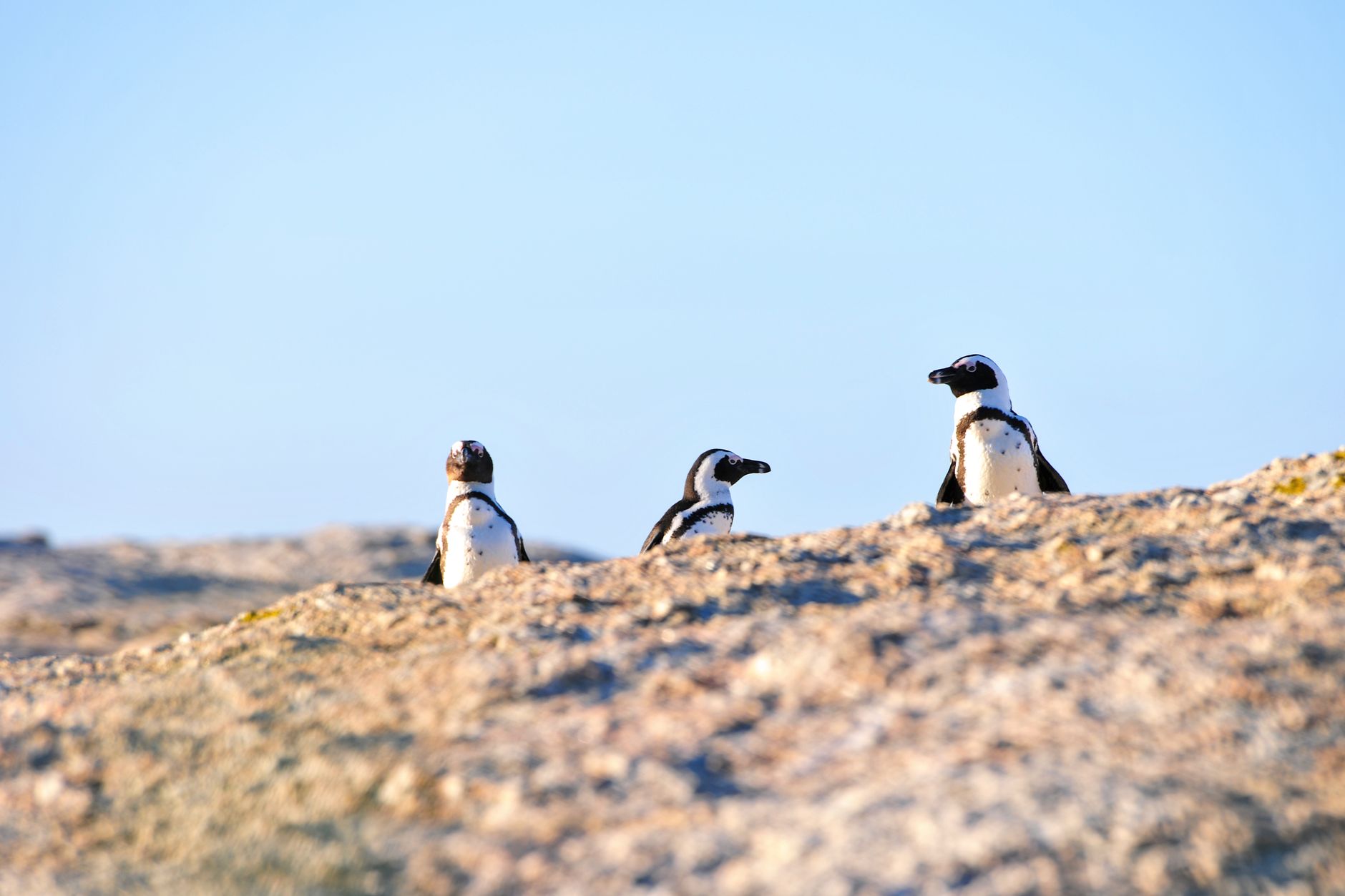
- African Penguin: Less than 50,000 individuals.
- Galapagos Penguin: Around 2,000 individuals.
These numbers highlight the diversity in population sizes across different penguin species, with some thriving while others teeter on the brink of extinction. The question of how many penguins we have left is further complicated by the fact that populations fluctuate naturally due to environmental variations.
Major Threats Facing Penguin Populations
Several factors contribute to the decline of penguin populations worldwide. Understanding these threats is critical for implementing effective conservation strategies.
- Climate Change: Rising ocean temperatures disrupt food chains, reducing the availability of krill, fish, and other essential prey. Melting sea ice also destroys breeding habitats for ice-dependent species like Emperor and Adelie penguins.
- Overfishing: Unsustainable fishing practices deplete fish stocks, leaving penguins without adequate food sources. Competition with commercial fisheries is a significant challenge.
- Pollution: Oil spills, plastic pollution, and chemical contamination harm penguins directly and indirectly, affecting their health, breeding success, and survival rates.
- Habitat Loss and Degradation: Coastal development, tourism, and other human activities destroy or degrade penguin breeding and foraging habitats.
- Disease: Outbreaks of avian diseases, such as avian cholera and avian malaria, can decimate penguin colonies.
- Predation: Introduced predators, such as cats, dogs, and rats, prey on penguin eggs, chicks, and adults, particularly on islands where penguins have not evolved defenses against land predators.
Conservation Efforts: Protecting the Future of Penguins
Protecting penguin populations requires a multifaceted approach that addresses the various threats they face. Conservation efforts include:
- Establishing Marine Protected Areas: Creating protected areas that restrict fishing and other harmful activities can safeguard penguin foraging grounds and breeding colonies.
- Reducing Greenhouse Gas Emissions: Addressing climate change is crucial for mitigating the impacts of rising ocean temperatures and melting sea ice on penguin populations.
- Promoting Sustainable Fishing Practices: Implementing fisheries management measures that prevent overfishing and ensure the availability of prey for penguins.
- Cleaning Up Pollution: Reducing plastic pollution, preventing oil spills, and controlling chemical contamination are essential for protecting penguin habitats and health.
- Controlling Introduced Predators: Eradicating or controlling introduced predators on islands can significantly improve penguin breeding success.
- Conducting Research and Monitoring: Ongoing research and monitoring programs are needed to track penguin populations, assess threats, and evaluate the effectiveness of conservation measures.
The future of penguins depends on our collective efforts to address these challenges and ensure their survival. Understanding how many penguins we have left is not just about numbers; it’s about recognizing the urgent need for action.
What Can You Do? Individual Actions for Penguin Conservation
While large-scale conservation efforts are essential, individual actions can also make a difference. Here are some ways you can help protect penguins:
- Reduce your carbon footprint: Choose sustainable transportation options, conserve energy, and support policies that promote renewable energy.
- Avoid single-use plastics: Reduce your consumption of single-use plastics, which can end up polluting penguin habitats.
- Choose sustainable seafood: Support fisheries that use sustainable fishing practices.
- Support conservation organizations: Donate to or volunteer with organizations that are working to protect penguins and their habitats.
- Educate others: Raise awareness about the threats facing penguins and encourage others to take action.
By taking these steps, you can contribute to the long-term survival of these remarkable birds. The fate of the penguin depends on our willingness to act now.
Frequently Asked Questions (FAQs)
What is the most endangered penguin species?
The Galapagos Penguin is considered the most endangered penguin species, with a population of only around 2,000 individuals. Their small population size and limited range make them particularly vulnerable to climate change, El Niño events, and other threats.
Are penguin populations increasing or decreasing overall?
Overall, penguin populations are decreasing, although the rate of decline varies among different species. Several species, including the African Penguin and Galapagos Penguin, are experiencing rapid declines, while others are relatively stable. Understanding how many penguins we have left requires continuous monitoring to track these changing trends.
What role does krill play in the penguin diet?
Krill is a crucial food source for many penguin species, particularly those in the Antarctic. These small crustaceans form the base of the Antarctic food web, and penguins rely on them to sustain their energy needs during breeding season and throughout the year.
How does climate change affect penguin breeding success?
Climate change affects penguin breeding success in several ways. Rising ocean temperatures reduce the availability of krill and fish, leading to food shortages for penguins and their chicks. Melting sea ice also destroys breeding habitats for ice-dependent species, forcing them to find alternative locations or forgo breeding altogether.
What are Marine Protected Areas, and how do they help penguins?
Marine Protected Areas (MPAs) are designated areas where human activities, such as fishing and mining, are restricted or prohibited. MPAs can help penguins by protecting their foraging grounds, breeding colonies, and migration routes from disturbance and exploitation.
What is the impact of oil spills on penguin populations?
Oil spills can have devastating impacts on penguin populations. Oil contaminates their feathers, reducing their insulation and buoyancy, and leading to hypothermia and drowning. Penguins also ingest oil while preening, causing internal organ damage and death.
How do introduced predators affect penguin populations?
Introduced predators, such as cats, dogs, and rats, can have a significant impact on penguin populations, particularly on islands where penguins have not evolved defenses against land predators. These predators prey on penguin eggs, chicks, and adults, reducing breeding success and overall survival rates.
What is the role of citizen science in penguin conservation?
Citizen science plays an important role in penguin conservation by engaging volunteers in data collection and monitoring efforts. Citizen scientists can participate in penguin counts, habitat surveys, and other research activities, providing valuable data to scientists and conservation managers.
What can I do to help protect penguins from plastic pollution?
To help protect penguins from plastic pollution, reduce your consumption of single-use plastics, recycle properly, and participate in beach cleanups. You can also support policies that reduce plastic production and promote responsible waste management.
How can I support sustainable fisheries that protect penguin food sources?
You can support sustainable fisheries by choosing seafood that is certified by organizations like the Marine Stewardship Council (MSC). MSC-certified seafood comes from fisheries that are managed sustainably and minimize their impact on marine ecosystems.
What is the best way to observe penguins in the wild without harming them?
The best way to observe penguins in the wild without harming them is to choose reputable tour operators who follow responsible wildlife viewing guidelines. Maintain a safe distance from penguins, avoid disturbing their breeding colonies, and do not feed them.
Where are the best places in the world to see penguins in their natural habitat?
Some of the best places in the world to see penguins in their natural habitat include Antarctica, South Africa, the Falkland Islands, and the Galapagos Islands. Each of these locations offers unique opportunities to observe different penguin species in their native environment. Understanding how many penguins we have left in each location is essential to preserving these natural treasures.