
How Many Babies Do Raccoons Usually Have?
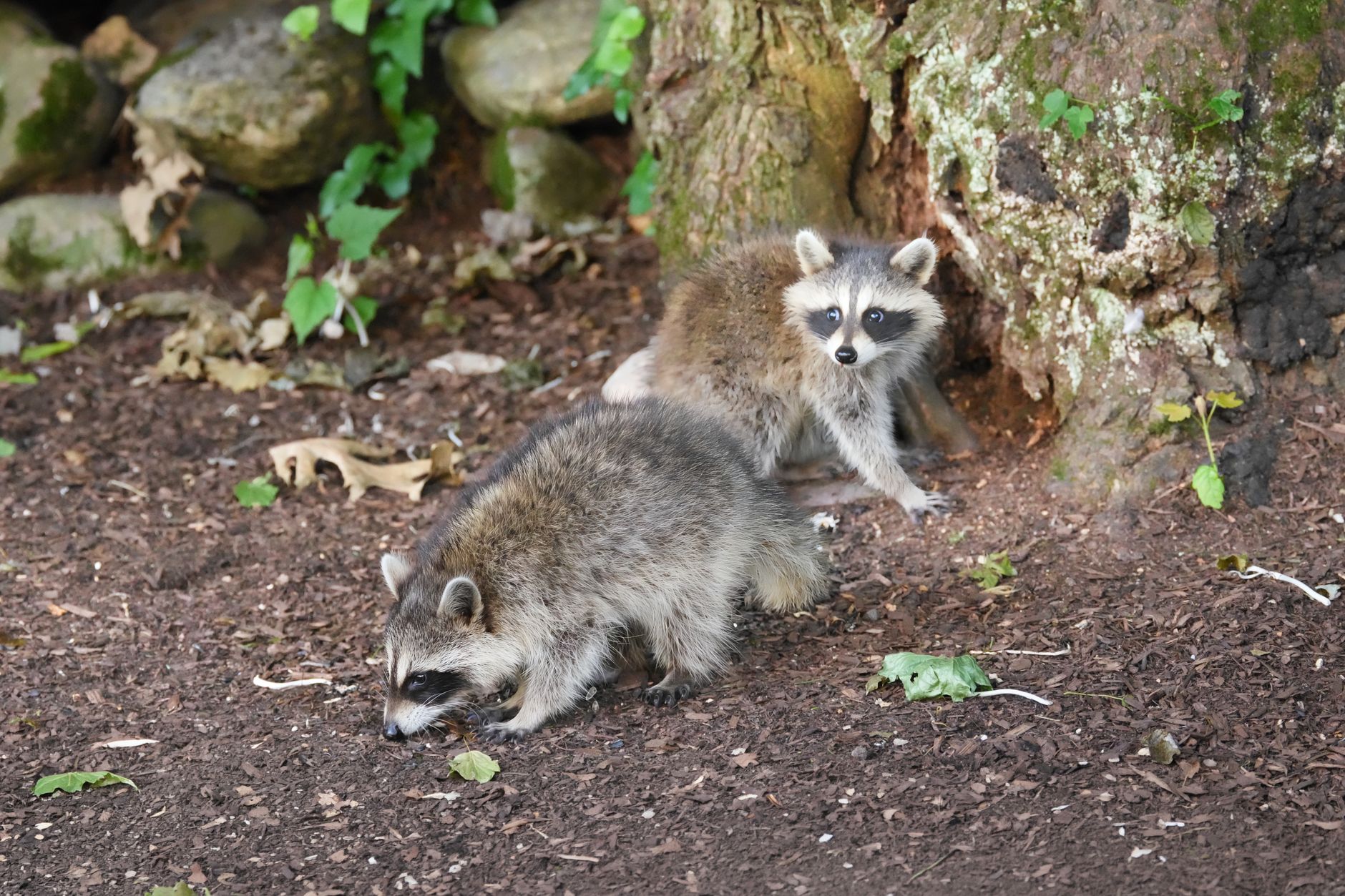
A female raccoon, or sow, typically has a litter size of three to five babies, known as kits, each year. This number can fluctuate based on environmental factors and the sow’s overall health.

Understanding Raccoon Reproduction: A Deep Dive
Raccoons are remarkably adaptable creatures, and their reproductive habits are a testament to this. Understanding how many babies do raccoons usually have requires delving into their mating season, gestation period, and the factors influencing litter size.

Do all amphibians have eyelids?
Why do cuttlefish have W-shaped eyes?
Do all snakes have poison in them?
What is the GREY African clawed frog?
Raccoon Mating and Gestation

Raccoon mating season generally spans from late winter to early spring, influenced by geographical location and weather patterns. During this period, males, called boars, will travel considerable distances to find receptive females. Unlike some animals, raccoons are not strictly monogamous. A female might mate with multiple males during her estrous cycle.
After a successful mating, the gestation period for a raccoon is relatively short, lasting approximately 63 to 65 days. This brief gestation period contributes to the raccoon’s ability to quickly populate suitable habitats. This is also a key factor in how many babies do raccoons usually have.
Factors Influencing Litter Size
While the average litter size is three to five kits, several factors can influence the actual number of offspring a raccoon has. These include:
-
Age and Health of the Sow: Younger, less experienced sows may have smaller litters compared to older, healthier ones. A sow in peak condition is more likely to successfully carry and nurse a larger litter.
-
Food Availability: The availability of food resources plays a crucial role in determining litter size. In areas with abundant food sources, raccoons are more likely to produce larger litters. This is because the sow can acquire the necessary nutrients to support multiple developing fetuses. Conversely, in areas with limited food, the sow might prioritize her own survival and have a smaller litter.
-
Environmental Conditions: Harsh weather conditions, such as prolonged cold snaps or droughts, can impact food availability and overall raccoon health, potentially leading to smaller litters.
-
Population Density: In areas with high raccoon populations, competition for resources can be fierce. This competition can negatively impact the health and reproductive success of individual raccoons, possibly leading to smaller litters.
-
Genetics: Some genetic predispositions might influence a raccoon’s litter size.
Raccoon Kit Development
Raccoon kits are born helpless and completely dependent on their mother. They are typically born in a den, which can be located in a hollow tree, rock crevice, attic, or even an abandoned building. The kits are blind and deaf at birth, relying on their mother for warmth, nourishment, and protection.
The sow is solely responsible for raising her young. She nurses them for several weeks and gradually introduces them to solid food. As the kits grow, they become more independent and begin to explore their surroundings. By the time they are several months old, they are usually capable of foraging for food on their own. The family group will often remain together through the winter, with the kits dispersing in the spring to establish their own territories. Understanding their development is part of understanding how many babies do raccoons usually have.
Raccoon Family Dynamics
The bond between a mother raccoon and her kits is strong. The sow is fiercely protective of her young and will defend them against potential threats. She teaches them essential survival skills, such as foraging for food, climbing trees, and avoiding predators.
The kits also learn social behavior from their mother and siblings. They engage in playful wrestling and chasing, which helps them develop their coordination and social skills. This family dynamic is a critical component of the raccoon’s success as a species.
Coexistence with Raccoons: Tips for Homeowners
While raccoons are fascinating creatures, they can sometimes cause problems for homeowners. They may raid garbage cans, damage gardens, and even enter buildings in search of food and shelter. To minimize conflicts with raccoons, homeowners can take the following precautions:
-
Secure garbage cans: Use garbage cans with tight-fitting lids or secure them with bungee cords.
-
Remove food sources: Pick up fallen fruit from trees, clean up spilled birdseed, and avoid leaving pet food outdoors.
-
Seal entry points: Seal any potential entry points into buildings, such as cracks in foundations, holes in siding, and openings around pipes.
-
Trim tree branches: Trim tree branches that overhang roofs to prevent raccoons from gaining access to the attic.
-
Consider professional help: If you are having problems with raccoons, consider contacting a wildlife removal service for assistance.
Conclusion: A Thriving Species
Raccoons are adaptable and resourceful animals. Their reproductive strategy, including understanding how many babies do raccoons usually have, plays a significant role in their success. By understanding their behavior and taking appropriate precautions, humans can coexist peacefully with these fascinating creatures.
Frequently Asked Questions (FAQs)
What is the average lifespan of a raccoon in the wild?
The average lifespan of a raccoon in the wild is typically two to three years. However, some raccoons can live longer, especially in areas where they are not heavily hunted or trapped. In captivity, raccoons can live for up to 20 years.
Are raccoons nocturnal animals?
Yes, raccoons are primarily nocturnal animals, meaning they are most active at night. They typically spend the daytime sleeping in their dens and emerge at dusk to forage for food. However, it is not uncommon to see raccoons during the day, especially if they are searching for food or have been disturbed from their sleep.
What do raccoons eat?
Raccoons are omnivores, meaning they eat a wide variety of foods, including fruits, nuts, insects, small animals, and garbage. Their diet varies depending on the availability of food in their environment.
Do raccoons hibernate?
Raccoons do not technically hibernate, but they can become less active during the winter months. They may spend long periods sleeping in their dens, especially during periods of extreme cold. However, they will still occasionally emerge to forage for food.
What are the common predators of raccoons?
Common predators of raccoons include coyotes, foxes, bobcats, and owls. Young raccoons are especially vulnerable to predation.
How can I tell if a raccoon is sick?
Signs of illness in raccoons can include lethargy, disorientation, excessive salivation, and difficulty walking. If you see a raccoon exhibiting these symptoms, it is important to contact your local animal control agency or wildlife rehabilitation center.
Are raccoons dangerous to humans?
Raccoons can be dangerous to humans if they are provoked or feel threatened. They can bite or scratch, and they can also carry diseases such as rabies. It is important to avoid approaching or feeding raccoons.
What should I do if I find a baby raccoon?
If you find a baby raccoon, it is important to leave it alone if it appears healthy and uninjured. The mother is likely nearby and will return to care for her young. However, if the baby raccoon appears injured or orphaned, you should contact your local animal control agency or wildlife rehabilitation center for assistance.
How do raccoons navigate their environment?
Raccoons use their sensitive paws and whiskers to navigate their environment. They have excellent senses of touch and smell, which help them locate food and avoid obstacles.
Can raccoons be trained?
Raccoons are intelligent animals and can be trained to perform certain tasks. However, they are also independent and can be difficult to control. It is generally not recommended to keep raccoons as pets.
How many kits does a raccoon typically raise to adulthood?
While how many babies do raccoons usually have is around 3-5, not all kits survive to adulthood. The number that make it depends on factors like food availability, predation, and disease. On average, perhaps 1-3 kits will reach maturity per litter.
What is the main cause of raccoon mortality?
The main causes of raccoon mortality are vehicle collisions, hunting/trapping, and disease. Habitat loss also plays a significant role in reducing raccoon populations in some areas.