
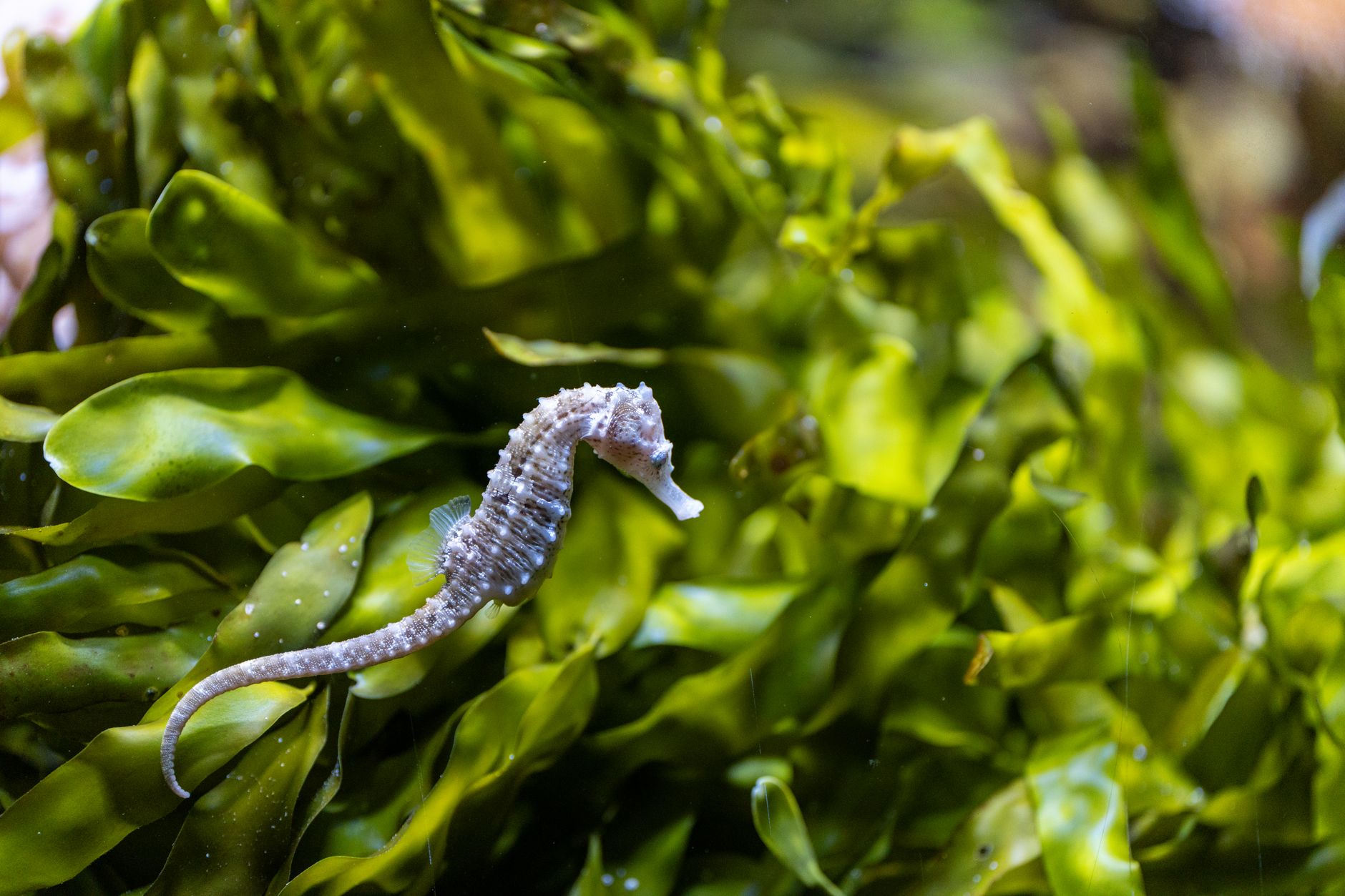
How Many Babies Do Seahorses Have at One Time? Unveiling the Amazing Seahorse Brood
A male seahorse can give birth to a surprisingly large number of offspring at once. The number varies depending on the species, but seahorses can give birth to between 1 and 2,500 babies at one time.

Seahorse Reproduction: A Unique Strategy
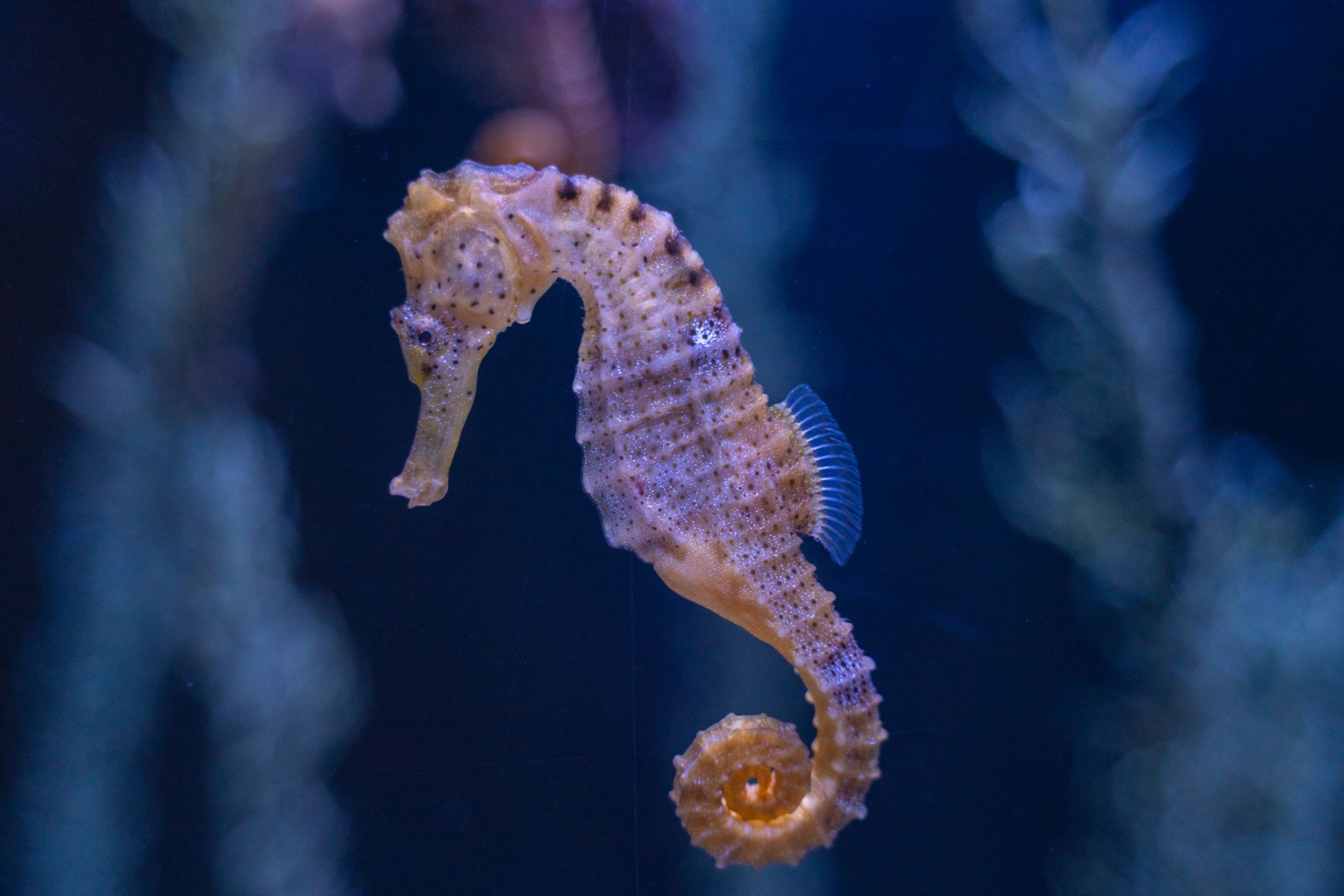
Seahorse reproduction is a truly fascinating process that stands out in the animal kingdom. Unlike most species, it’s the male seahorse who carries and incubates the eggs, a unique adaptation that ensures the survival of the species.
Do all amphibians have eyelids?
Why do cuttlefish have W-shaped eyes?
Do all snakes have poison in them?
What is the GREY African clawed frog?
The Seahorse Pregnancy Process
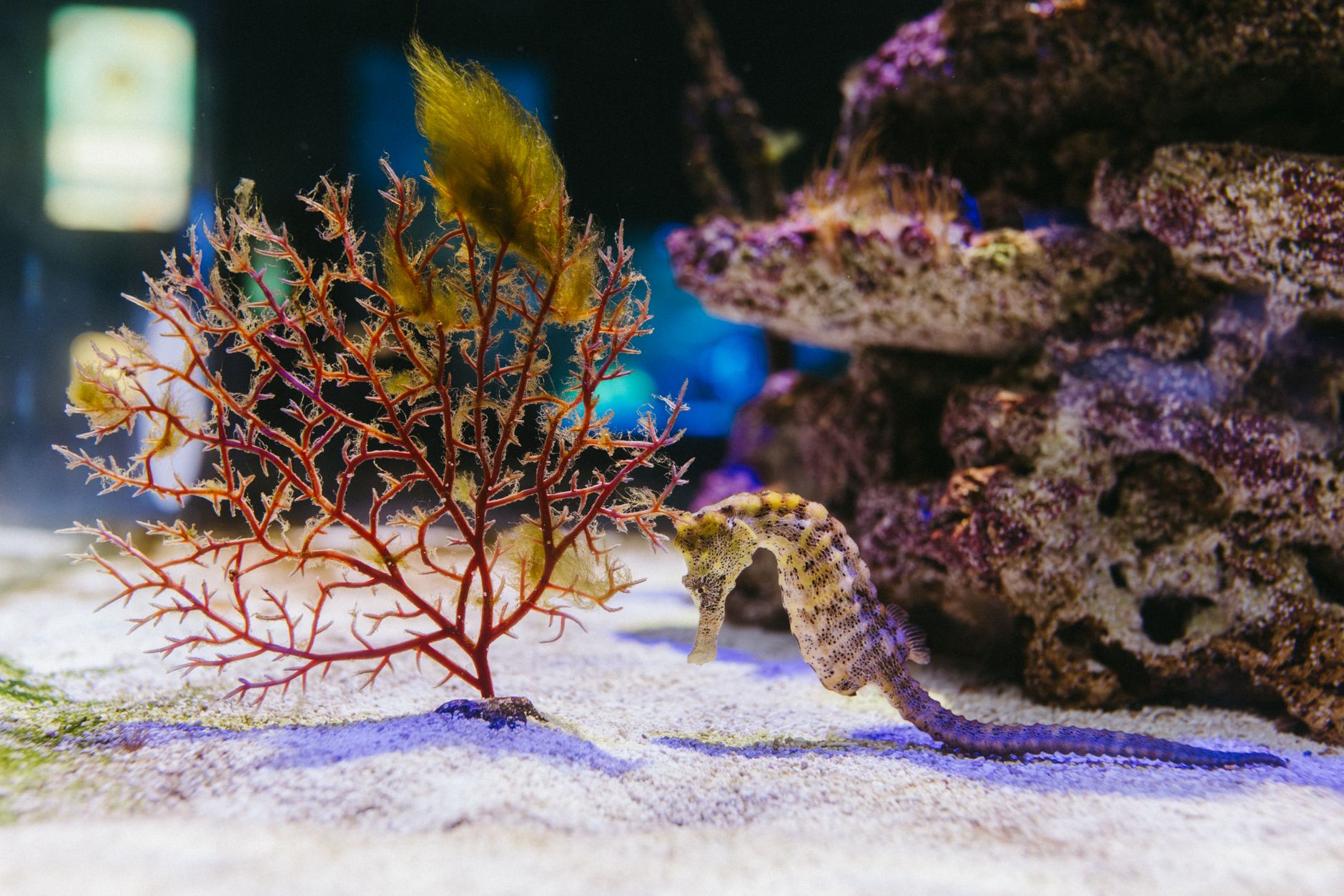
The journey from fertilization to birth is an extraordinary example of paternal care. Here’s a simplified breakdown:
- Courtship: Seahorses engage in elaborate courtship rituals, often involving dancing and color changes, strengthening the pair bond between the male and female.
- Egg Transfer: The female deposits her eggs into a brood pouch located on the male’s abdomen.
- Fertilization: The male fertilizes the eggs within the pouch.
- Incubation: The male provides oxygen and nutrients to the developing embryos inside the pouch.
- Birth: After a gestation period of roughly 2 to 4 weeks (again, species-dependent), the male goes into labor and releases the miniature seahorses into the water.
Factors Influencing Brood Size
Several factors can affect how many babies a seahorse has at one time. These include:
- Species: Different seahorse species have different brood sizes. Larger species generally produce more offspring.
- Male Size: Larger males tend to have larger brood pouches, allowing them to carry more eggs.
- Age and Experience: Younger or less experienced males may have smaller broods compared to older, more experienced individuals.
- Environmental Conditions: Stressful environmental conditions, such as pollution or habitat degradation, can reduce brood size.
- Female Size: It is also affected by the female seahorse’s health, size, and maturity, since that dictates how many eggs she produces.
The Seahorse’s Vulnerable Offspring
While seahorses produce a large number of offspring, the survival rate is quite low. These tiny creatures face numerous challenges:
- Predation: Seahorse babies are vulnerable to predation by fish, crustaceans, and other marine organisms.
- Lack of Parental Care: Once born, the baby seahorses are independent and receive no further parental care.
- Currents and Tides: Strong currents and tides can sweep them away from suitable habitats.
- Habitat Loss: Loss of seagrass beds, coral reefs, and other critical habitats reduces their chances of survival.
Conservation Concerns for Seahorses
Understanding how many babies seahorses have at one time is crucial for conservation efforts. Seahorses face significant threats due to habitat loss, overfishing (often as bycatch), and the traditional medicine trade. Protecting their populations requires:
- Habitat Conservation: Protecting and restoring seagrass beds, coral reefs, and mangrove forests.
- Sustainable Fishing Practices: Implementing sustainable fishing practices to reduce bycatch.
- Combating Illegal Trade: Enforcing regulations to combat the illegal trade of seahorses.
- Raising Awareness: Educating the public about the importance of seahorse conservation.
Understanding Seahorse Reproduction: A Deeper Dive
To truly appreciate the intricacies of seahorse reproduction, let’s explore some additional aspects:
- Brood Pouch Complexity: The male’s brood pouch is a highly specialized organ that provides a stable environment for the developing embryos. It regulates salinity, oxygen levels, and waste removal.
- Hormonal Influence: Hormones play a crucial role in regulating the reproductive cycle in both male and female seahorses.
- Genetic Diversity: Despite the large number of offspring, seahorse populations can be vulnerable to genetic bottlenecks, making conservation efforts even more critical.
Frequently Asked Questions (FAQs) About Seahorse Reproduction
How does the female seahorse transfer her eggs to the male?
The female seahorse uses a specialized ovipositor (a tube-like organ) to deposit her eggs directly into the male’s brood pouch. During this process, they align their bodies in a synchronized dance-like manner. This direct transfer ensures that the eggs are safely deposited and fertilized.
What is the gestation period for seahorses?
The gestation period varies depending on the seahorse species and environmental conditions, but it typically ranges from 2 to 4 weeks. During this time, the male provides the developing embryos with the necessary nutrients and oxygen within his brood pouch.
What happens to the baby seahorses after they are born?
Once the male releases the baby seahorses, they are completely independent. They are miniature versions of their parents and must fend for themselves, finding food and avoiding predators.
Are seahorses monogamous?
While some seahorse species form strong pair bonds and may stay together for multiple breeding seasons, others are less faithful. The level of monogamy can vary greatly between different seahorse species.
What do baby seahorses eat?
Baby seahorses primarily feed on tiny planktonic organisms, such as copepods and larval crustaceans. Their small size necessitates a diet of microscopic food particles.
Why is the male seahorse the one who gets pregnant?
This unique adaptation is thought to have evolved because it allows the female to produce more eggs in a shorter amount of time, increasing the reproductive potential of the species. The male’s brood pouch provides a stable and protected environment for the developing embryos.
How does the male seahorse protect the eggs in his pouch?
The brood pouch is a highly specialized organ that provides a stable environment for the developing embryos. It regulates salinity, oxygen levels, and waste removal, ensuring optimal conditions for their growth.
How many seahorse species are there?
There are around 46 recognized species of seahorses (Genus Hippocampus). These species vary in size, color, and habitat.
What are the main threats to seahorse populations?
The main threats to seahorse populations include habitat loss, overfishing, and the traditional medicine trade. These factors have led to declines in seahorse populations worldwide.
Do seahorses have teeth?
No, seahorses do not have teeth. They have a long snout that they use to suck up their prey, which they swallow whole.
How long do seahorses live?
The lifespan of seahorses varies depending on the species, but they typically live for 1 to 4 years in the wild.
Is it possible to keep seahorses as pets?
While it is possible to keep seahorses in aquariums, it is strongly discouraged. They are delicate creatures that require specialized care and specific environmental conditions. Furthermore, buying wild-caught seahorses contributes to the decline of their populations. Support seahorse conservation by admiring them in their natural habitat or in reputable aquariums. The answer to how many babies do a seahorse have at one time is essential for responsible seahorse care, both in the wild and in captivity.