
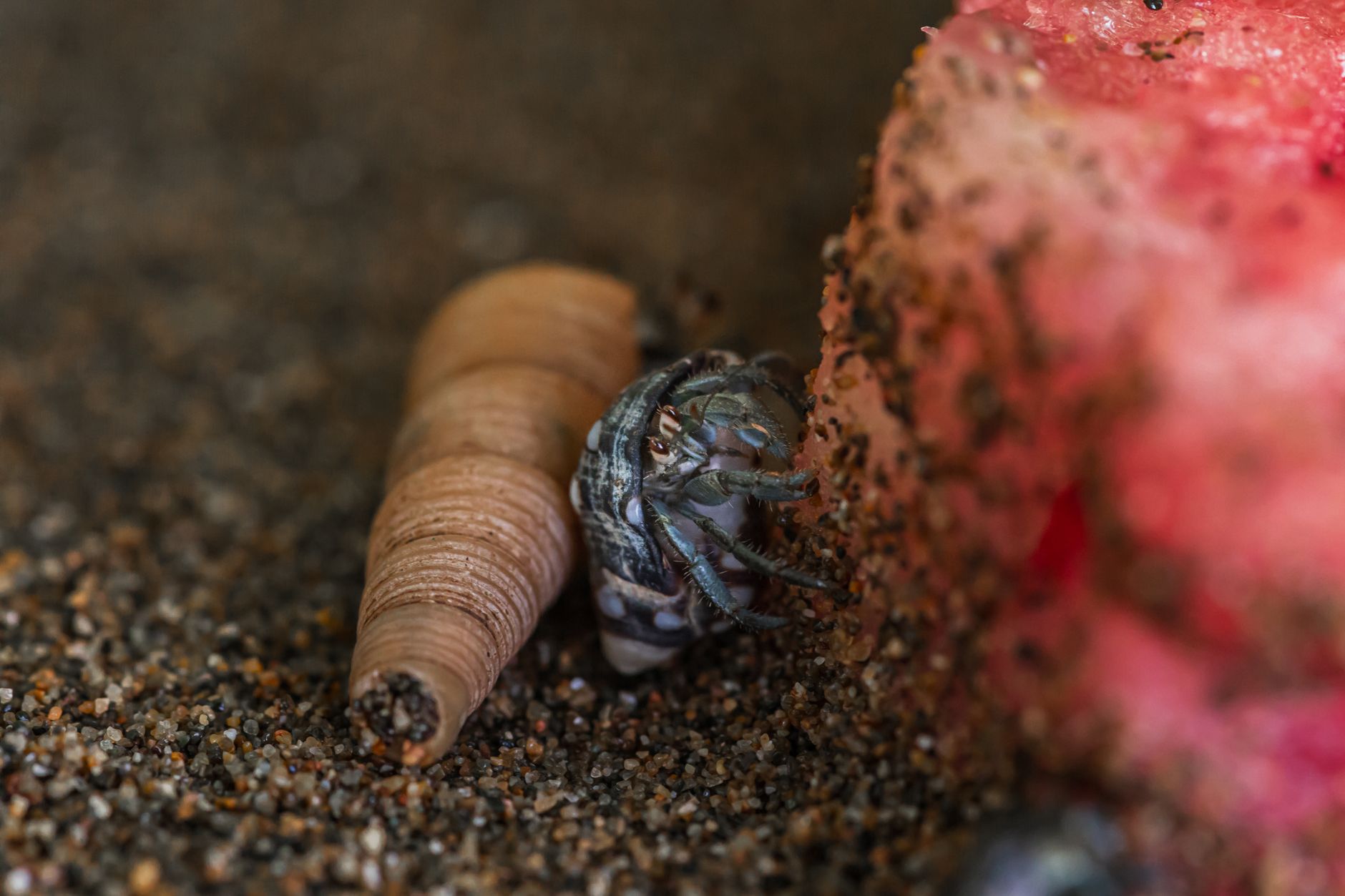
How Long Do Purple Hermit Crabs Live? A Lifespan Deep Dive
The lifespan of a purple hermit crab is a significant factor for potential owners. How long do purple hermit crabs live? In optimal conditions, these fascinating creatures can live for 10 to 30 years, making them a long-term commitment.

Introduction to Purple Hermit Crab Lifespans
Purple hermit crabs ( Coenobita clypeatus), also known as Caribbean hermit crabs or land hermit crabs, are popular pets due to their relatively low maintenance requirements and intriguing behaviors. However, their potential longevity is often overlooked, leading to shorter lifespans in captivity than what is naturally possible. Understanding the factors that contribute to a purple hermit crab’s lifespan is crucial for responsible pet ownership.

What is the GREY African clawed frog?
Is distilled water good for goldfish?
What colours are fish most attracted to?
Can you put your finger in a trout's mouth?
Factors Influencing Purple Hermit Crab Lifespan

Several environmental and care-related factors directly impact how long do purple hermit crabs live. Mimicking their natural habitat is essential for their well-being and longevity.
- Humidity: Hermit crabs require high humidity levels (70-80%) to breathe properly through their modified gills. Low humidity can lead to suffocation.
- Temperature: Maintain a stable temperature range of 72-85°F (22-29°C) for optimal health.
- Substrate: A deep substrate of sand and coconut fiber allows for burrowing and molting.
- Diet: A varied diet including commercial hermit crab food, fruits, vegetables, and protein sources is critical. Avoid toxic foods such as avocado.
- Shells: Provide a variety of empty shells of appropriate sizes to allow for shell changes. Crabs need new shells as they grow.
- Water: Offer both fresh and saltwater options for drinking and bathing. Use dechlorinated water.
- Handling: Minimize handling, as it can stress the crabs. Always be gentle.
- Molting: Proper environmental conditions are essential for successful molting, a vulnerable period.
The Molting Process and Its Importance
Molting is a critical process for hermit crabs. It’s how they grow, shedding their exoskeleton to reveal a new, larger one underneath. A successful molt is directly tied to how long do purple hermit crabs live.
- Burrowing: During molting, crabs bury themselves in the substrate for protection.
- Seclusion: Avoid disturbing a molting crab. They are extremely vulnerable at this time.
- Timeframe: Molting can take weeks or even months, depending on the crab’s size.
- Diet: After molting, crabs eat their old exoskeleton, which provides essential nutrients.
- Post-Molt Care: Maintain consistent humidity and temperature levels. Provide calcium-rich foods to aid in shell hardening.
Common Mistakes That Shorten Lifespan
Many common mistakes made by hermit crab owners can significantly shorten their lifespan. Avoiding these pitfalls is key to ensuring your pet has a long and healthy life.
- Insufficient Humidity: This is the most common cause of death.
- Inadequate Temperature Control: Extreme temperatures stress crabs.
- Lack of Appropriate Shells: Crabs need shells that fit properly to avoid stress and injury.
- Poor Diet: A monotonous or toxic diet can lead to malnutrition and death.
- Disturbing Molting Crabs: Interrupting the molting process can be fatal.
- Lack of Social Interaction: While not always necessary, some crabs thrive in small groups. Isolation can sometimes contribute to stress.
Monitoring Health and Addressing Issues
Regularly monitoring your hermit crabs for signs of illness is crucial. Early detection and treatment can significantly impact how long do purple hermit crabs live.
- Activity Levels: Monitor changes in activity, such as lethargy or reduced appetite.
- Shell Choice: Observe if the crab is actively changing shells or clinging to a damaged one.
- Physical Appearance: Check for injuries, discoloration, or abnormalities.
- Seek Expert Advice: If you notice any signs of illness, consult a veterinarian experienced with exotic pets or a knowledgeable hermit crab expert.
Frequently Asked Questions About Purple Hermit Crab Lifespans
How long do purple hermit crabs live in the wild?
In their natural Caribbean habitat, purple hermit crabs can potentially live for even longer than in captivity, sometimes exceeding 30 years. This is largely due to a natural diet, optimal environmental conditions, and the absence of common stressors found in captivity. However, their lifespan is also subject to natural predation and environmental changes.
What is the average lifespan of a purple hermit crab kept as a pet?
While they can live for 10-30 years in captivity with excellent care, the average lifespan of a pet purple hermit crab is often significantly shorter, typically ranging from 2 to 5 years. This discrepancy is often due to inadequate care and improper environmental conditions.
What are the signs of an unhealthy hermit crab?
Signs of an unhealthy hermit crab include lethargy, loss of appetite, reluctance to move, abnormal shell gripping, and unusual color changes. They may also exhibit difficulty breathing, indicated by bubbling at the gill openings. Prompt action is crucial if you notice any of these symptoms.
Can the size of a purple hermit crab affect its lifespan?
Generally, larger hermit crabs tend to be older and have already lived a significant portion of their lives when acquired. Smaller crabs, however, potentially have a longer lifespan ahead of them, provided they receive proper care. Therefore, size indirectly relates to lifespan, as it is an indicator of age.
What is the best diet for a purple hermit crab to maximize its lifespan?
A varied diet is essential. Offer a high-quality commercial hermit crab food supplemented with fresh fruits, vegetables, nuts, seeds, and protein sources like dried shrimp or fish flakes. Ensure a calcium source, such as cuttlebone, is always available. Avoid toxic foods like avocado and onions.
How does humidity affect the lifespan of a purple hermit crab?
Low humidity is one of the biggest killers of hermit crabs. These crabs breathe through modified gills and require high humidity (70-80%) to function correctly. Insufficient humidity can lead to suffocation and a drastically shortened lifespan.
What is the ideal substrate for a purple hermit crab habitat?
The best substrate is a mixture of playsand and coconut fiber (Eco Earth). The substrate should be at least 6 inches deep to allow for burrowing and molting. Ensure the substrate is always moist but not waterlogged.
How often should I clean my purple hermit crab’s tank?
Spot clean the tank daily, removing uneaten food and waste. A full substrate change should be done every 6-12 months, depending on the size of the tank and the number of crabs. Avoid using harsh chemicals when cleaning.
How many shells should I provide for my purple hermit crab?
Provide at least 3-5 shells per crab and ensure they are larger than the crab’s current shell. Variety in shell size and shape allows the crab to choose the most comfortable and appropriate shell as it grows. Shells made of natural materials are preferred.
Can purple hermit crabs live alone, or do they need companions?
While they can survive alone, purple hermit crabs are social creatures and often thrive in small groups. Keeping two or three crabs together can provide enrichment and reduce stress, potentially contributing to a longer lifespan.
What are the signs of a successful molt?
After a successful molt, you will notice a shed exoskeleton (exuviae) in the tank. The crab will likely be pale in color and less active for a few days as its new exoskeleton hardens. Do not disturb the crab during this time.
Can purple hermit crabs be released into the wild if I can no longer care for them?
Releasing pet hermit crabs into the wild is strongly discouraged. They may carry diseases that can harm native populations, and they may not be adapted to the local environment. Instead, try to find a new home for them with an experienced hermit crab keeper or a local reptile rescue organization. Prioritize responsible rehoming. Understanding how long do purple hermit crabs live and their specific care requirements will guarantee your pet’s comfort and lifespan.