

How Long Do Munchkin Cats Live? The Truth Revealed
Generally, Munchkin cats have a life expectancy comparable to that of other domestic cat breeds, typically ranging from 12 to 15 years. This lifespan can be influenced by various factors, including genetics, diet, and overall health management.
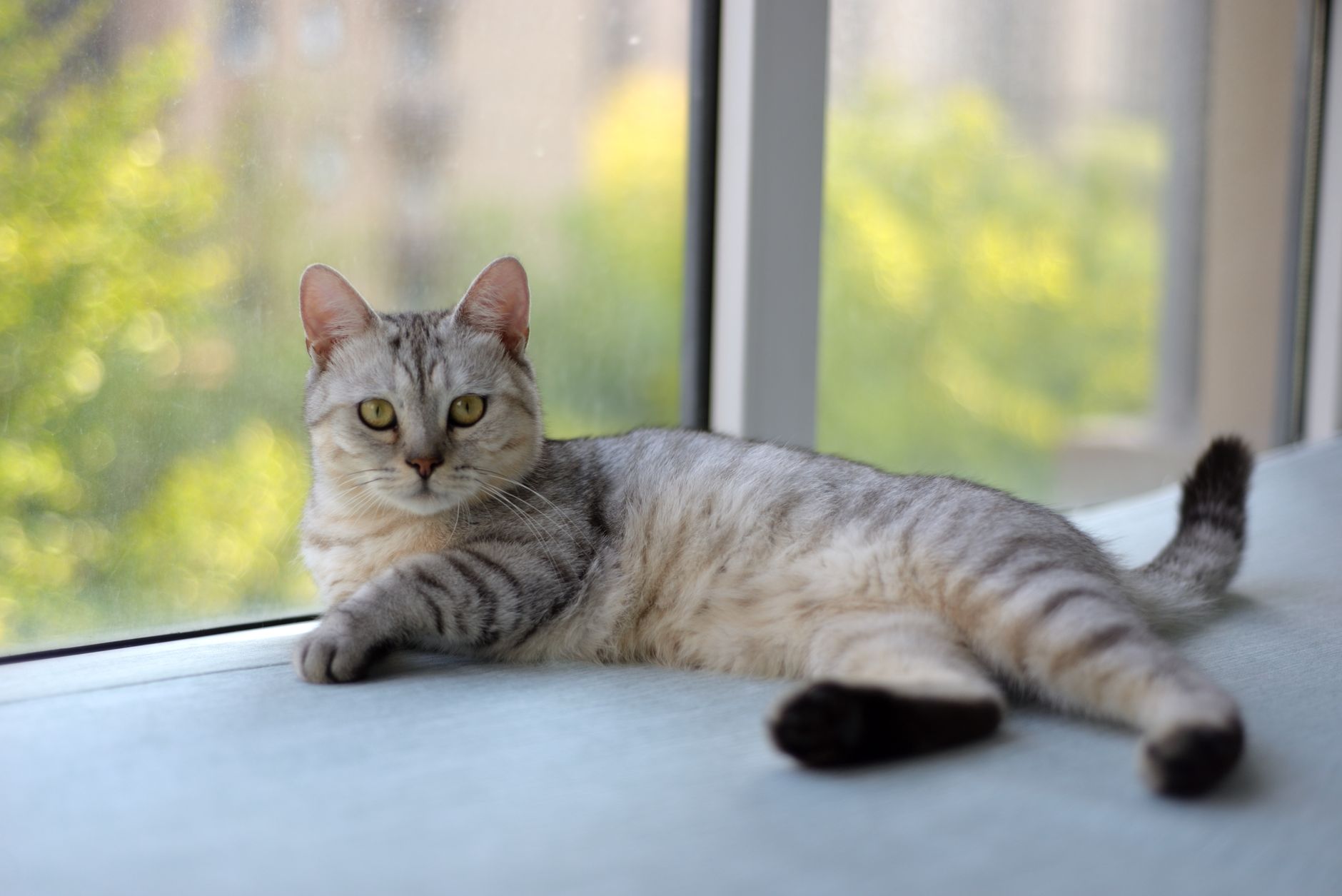
Understanding the Munchkin Breed
The Munchkin cat, instantly recognizable by its characteristically short legs, is a relatively new breed. Originating from a genetic mutation causing achondroplasia (a form of dwarfism), these cats have captured hearts with their unique appearance. The ethical considerations surrounding the breed are complex, with some veterinary professionals raising concerns about potential health problems associated with their short limbs. However, with careful breeding practices and responsible pet ownership, many Munchkin cats lead happy and healthy lives.

What is the GREY African clawed frog?
Is distilled water good for goldfish?
What colours are fish most attracted to?
Can you put your finger in a trout's mouth?
Factors Influencing Munchkin Cat Lifespan

How long do Munchkin cats live? Several factors play a crucial role in determining the lifespan of a Munchkin cat. These include:
- Genetics: Inherited predispositions to certain health conditions can influence a cat’s longevity. Responsible breeders screen for known genetic issues.
- Diet: A high-quality, balanced diet is essential for overall health and well-being. Look for cat food that is appropriate for their age and activity level.
- Exercise: While their short legs might suggest otherwise, Munchkin cats are active and playful. Regular exercise helps maintain a healthy weight and cardiovascular system.
- Veterinary Care: Regular check-ups, vaccinations, and parasite prevention are vital for early detection and treatment of potential health problems.
- Environment: A safe and stimulating environment can contribute to a cat’s mental and physical well-being. Provide plenty of toys, scratching posts, and opportunities for climbing and exploring.
Common Health Concerns in Munchkin Cats
While Munchkin cats can enjoy a long and healthy life, they are predisposed to certain health concerns:
- Osteoarthritis: The shorter legs and altered joint structure can put additional stress on the joints, increasing the risk of osteoarthritis. Weight management and joint supplements may help.
- Lordosis: This condition involves excessive curvature of the spine, which can sometimes put pressure on the heart and lungs. Severity varies, and some cats may not show any symptoms.
- Pectus Excavatum: Also known as “funnel chest,” this condition involves abnormal development of the sternum and ribcage. In severe cases, it can affect breathing.
- Pancreatitis: Inflammation of the pancreas, which can be acute or chronic. Symptoms can include vomiting, diarrhea, and loss of appetite.
It is important to note that not all Munchkin cats will develop these conditions, and many lead healthy lives with proper care.
Choosing a Munchkin Cat: Important Considerations
If you are considering bringing a Munchkin cat into your home, it’s crucial to choose a reputable breeder who prioritizes the health and well-being of their cats. Ask about the parents’ health history and whether they have been screened for any genetic conditions. Avoid breeders who are solely focused on appearance and do not prioritize health. Additionally, consider adopting a Munchkin cat from a rescue organization.
Caring for Your Munchkin Cat
Providing proper care is essential for ensuring your Munchkin cat lives a long and happy life.
- Nutrition: Feed your cat a high-quality diet formulated for their age and activity level. Avoid overfeeding to prevent obesity, which can exacerbate joint problems.
- Exercise: Provide plenty of opportunities for play and exercise, even though they have short legs. Interactive toys, climbing structures, and puzzle feeders can help keep them active.
- Grooming: Regular grooming is important to prevent matting and hairballs. Munchkin cats may have difficulty reaching certain areas, so you may need to assist them with grooming.
- Veterinary Care: Schedule regular check-ups with your veterinarian to monitor their health and address any potential concerns. Be sure to discuss any specific health risks associated with the breed.
Frequently Asked Questions About Munchkin Cat Lifespans
Do Munchkin cats suffer more health problems than other breeds?
While Munchkin cats are predisposed to certain health issues like osteoarthritis and lordosis, not all Munchkins will develop these conditions. Responsible breeding practices and proper care can significantly minimize the risk and impact of these problems. The impact of these health problems also varies among individuals.
What is the average lifespan of a Munchkin cat compared to other breeds?
How long do Munchkin cats live? Generally, their lifespan is similar to other domestic cats, ranging from 12 to 15 years. Some may live even longer with excellent care and a bit of luck. Factors like genetics, diet, and lifestyle play a significant role.
Does neutering or spaying affect the lifespan of a Munchkin cat?
Neutering or spaying is generally recommended for all cats, including Munchkins, as it can prevent certain health problems such as uterine infections and some forms of cancer. These procedures may have a small positive effect on lifespan by reducing disease risk, but this isn’t specific to Munchkin cats.
What kind of diet is best for a Munchkin cat to maximize their lifespan?
A high-quality, balanced diet appropriate for their age and activity level is best. Look for food that is rich in protein and low in carbohydrates. Avoid overfeeding and ensure they have access to fresh water at all times. Consult with your veterinarian for personalized dietary recommendations.
How can I tell if my Munchkin cat is in pain?
Signs of pain in cats can be subtle. Look for changes in behavior, such as decreased activity, hiding, loss of appetite, or reluctance to be touched. Limping or stiffness can also indicate pain. If you suspect your Munchkin cat is in pain, consult your veterinarian.
Are there any specific vaccinations that Munchkin cats need?
Munchkin cats require the same core vaccinations as other domestic cats, including rabies, feline distemper, and feline calicivirus. Your veterinarian may also recommend additional vaccinations based on your cat’s lifestyle and risk factors.
Do Munchkin cats need special litter boxes or scratching posts?
Due to their shorter legs, some Munchkin cats may benefit from litter boxes with lower sides for easier access. They don’t typically need special scratching posts, but ensure they are sturdy and stable.
How can I prevent my Munchkin cat from developing arthritis?
Maintaining a healthy weight is crucial for preventing arthritis. Avoid overfeeding and provide regular exercise. Consider joint supplements, such as glucosamine and chondroitin, and talk to your veterinarian about pain management options if needed.
Is it ethical to breed Munchkin cats?
The ethics of breeding Munchkin cats are debated. Critics argue that breeding for a genetic mutation that can cause health problems is unethical. Supporters argue that responsible breeding practices and proper care can minimize the risk and impact of these problems, and that the cats can live full and happy lives.
Can Munchkin cats climb and jump like other cats?
While Munchkin cats have shorter legs, they can still climb and jump, though perhaps not as high as other cats. Provide them with climbing structures that are appropriate for their size and abilities.
How often should I take my Munchkin cat to the veterinarian?
Annual check-ups are recommended for adult Munchkin cats. Senior cats (over 7 years old) may benefit from more frequent check-ups, such as every six months, to monitor their health and address any potential concerns.
What are some signs that my Munchkin cat is nearing the end of its life?
Signs that a cat is nearing the end of its life can include loss of appetite, decreased activity, weight loss, changes in grooming habits, and increased hiding. If you notice these signs, consult your veterinarian to discuss palliative care options. The answer to “How long do Munchkin cats live?” can depend on the quality of care provided at all stages of life.