

How Long Do Butterfly Koi Live? Unveiling the Secrets of Their Longevity
The lifespan of Butterfly koi varies based on numerous factors, but generally, these elegant fish can live a surprisingly long time. On average, Butterfly koi live between 25 and 50 years, with some individuals even surpassing this impressive age under ideal conditions.

The Allure and Origins of Butterfly Koi
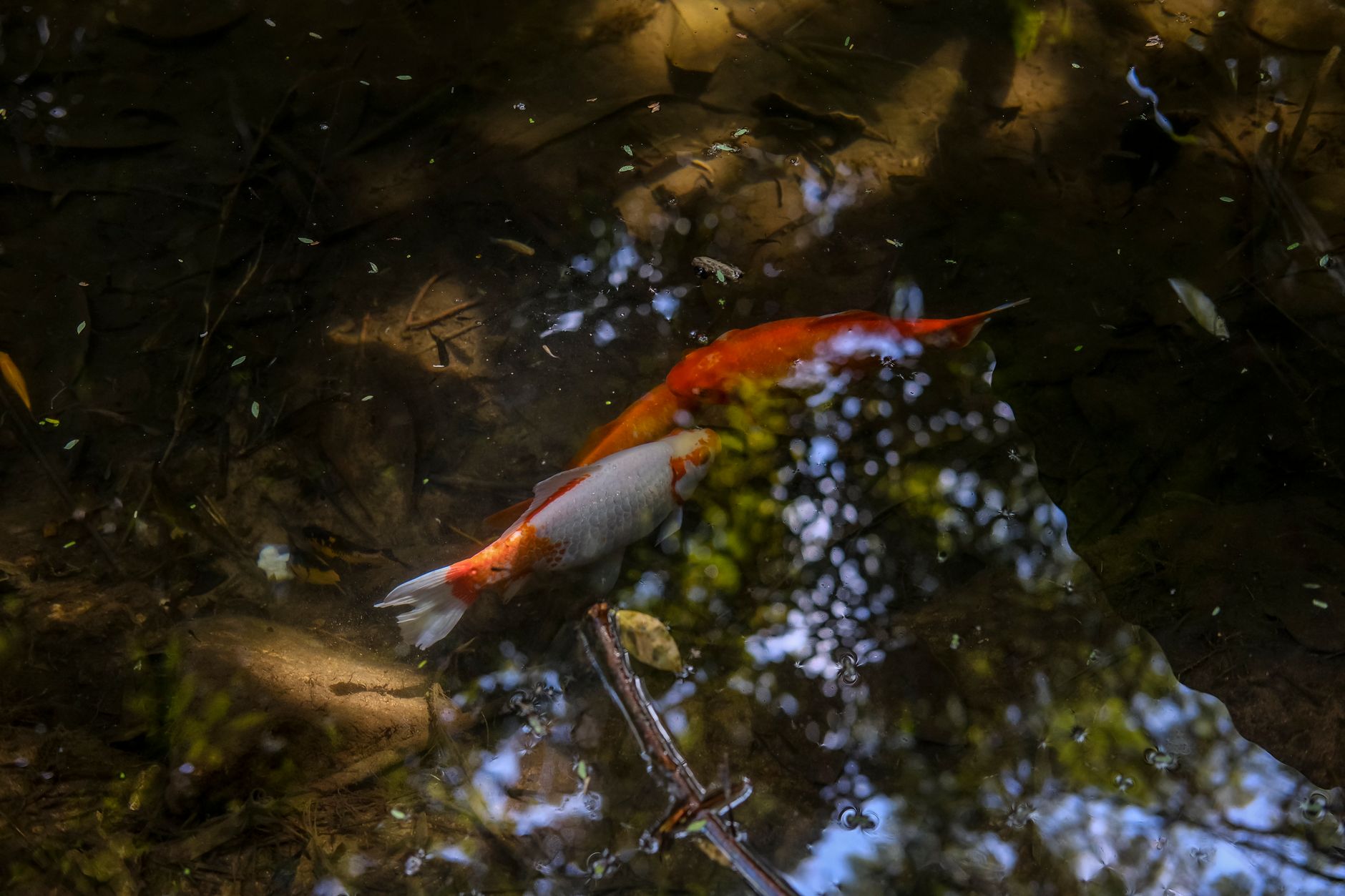
Butterfly koi, also known as longfin koi, are a relatively recent addition to the koi family, distinguished by their flowing, ethereal fins and barbels. Unlike traditional koi, whose origins trace back centuries, Butterfly koi emerged from unintentional crossbreeding between koi and longfin carp in the 1980s in Indonesia. Their introduction to the United States sparked both admiration and controversy, with some purists initially dismissing them. However, their captivating beauty and graceful movements quickly won them a dedicated following among koi enthusiasts. Today, they are widely recognized and celebrated as a distinct and beloved variety.
What is the GREY African clawed frog?
Is distilled water good for goldfish?
What colours are fish most attracted to?
Can you put your finger in a trout's mouth?
Key Factors Influencing Butterfly Koi Lifespan

How long do Butterfly koi live? is a question with a complex answer. Several factors significantly impact their longevity:
- Genetics: Just like with any living creature, genetics play a crucial role. Some Butterfly koi are simply predisposed to a longer lifespan due to their lineage and inherited traits. Purchasing from reputable breeders with a history of producing healthy, long-lived fish is essential.
- Water Quality: Maintaining pristine water quality is paramount for the health and longevity of Butterfly koi. This includes:
- Regular Water Changes: Partial water changes help remove accumulated toxins and maintain optimal water parameters.
- Effective Filtration: A robust filtration system is crucial for removing waste products and maintaining biological balance in the pond.
- Monitoring Water Parameters: Regularly testing and adjusting pH, ammonia, nitrite, and nitrate levels is vital for a healthy aquatic environment.
- Diet and Nutrition: A balanced and nutritious diet is essential for Butterfly koi to thrive. Provide them with high-quality koi food formulated to meet their specific nutritional needs. Supplement their diet with live foods like insects and worms to provide variety and essential nutrients. Avoid overfeeding, as this can lead to water quality issues and health problems.
- Pond Environment: The size and design of the pond significantly impact the health and wellbeing of Butterfly koi.
- Adequate Space: Provide ample swimming space to allow them to exercise and exhibit natural behaviors.
- Depth: A sufficient depth is essential for temperature stability and protection from predators.
- Shelter: Provide hiding places, such as plants or rocks, to offer refuge and reduce stress.
- Disease Prevention and Treatment: Proactive disease prevention is crucial for maintaining the health and longevity of Butterfly koi. Regular observation for signs of illness, such as lethargy, loss of appetite, or abnormal swimming behavior, is essential. Prompt and appropriate treatment of any health problems is vital to prevent them from becoming chronic or fatal.
Common Mistakes That Shorten Butterfly Koi Lifespan
Several common mistakes can significantly shorten the lifespan of Butterfly koi:
- Overcrowding: Overcrowding leads to poor water quality and increased stress, making fish more susceptible to disease.
- Poor Filtration: Inadequate filtration results in the buildup of harmful toxins in the water, negatively impacting fish health.
- Overfeeding: Overfeeding leads to water pollution and obesity, which can shorten lifespan.
- Ignoring Water Quality Issues: Neglecting water quality problems can lead to a variety of health issues and premature death.
- Failure to Quarantine New Fish: Introducing new fish without proper quarantine can introduce diseases and parasites into the pond, jeopardizing the health of existing fish.
Benefits of Long-Lived Butterfly Koi
The prospect of enjoying the beauty and companionship of Butterfly koi for decades is a significant benefit of proper care. Long-lived koi become cherished members of the family, providing years of enjoyment and relaxation. The financial investment in these fish is also better justified when they live long and healthy lives.
Frequently Asked Questions (FAQs)
How do I choose a healthy Butterfly koi?
When selecting a Butterfly koi, look for individuals with bright, clear eyes, smooth skin, and vibrant colors. Observe their swimming behavior; healthy koi are active and swim gracefully. Avoid fish that appear lethargic, have clamped fins, or exhibit any signs of disease. Consider reputable breeders known for quality stock.
What is the ideal pond size for Butterfly koi?
A minimum pond size of 1,000 gallons is recommended for a small group of Butterfly koi. For larger collections, plan for at least 250 gallons per adult koi. Adequate space is crucial for their physical and mental wellbeing.
What are the best water parameters for Butterfly koi?
Butterfly koi thrive in water with a pH of 7.0 to 8.0, ammonia and nitrite levels of 0 ppm, and nitrate levels below 20 ppm. Regular testing and adjustments are essential to maintain these parameters.
How often should I feed my Butterfly koi?
Feed your Butterfly koi two to three times per day, providing only as much food as they can consume in 3-5 minutes. Avoid overfeeding, as it can lead to water quality problems.
What type of food is best for Butterfly koi?
Choose a high-quality koi food formulated to meet their specific nutritional needs. Look for foods that are rich in protein, vitamins, and minerals. Supplement their diet with live foods like insects and worms for variety.
How can I prevent diseases in my Butterfly koi?
Maintain pristine water quality, provide a balanced diet, and avoid overcrowding. Regularly observe your fish for signs of illness and quarantine new fish before introducing them to the main pond. Proactive prevention is key.
What are some common diseases that affect Butterfly koi?
Common diseases include Ich (white spot disease), fin rot, and bacterial infections. These conditions can be treated with appropriate medications and improved water quality.
How often should I perform water changes?
Perform partial water changes of 10-20% every week or two to remove accumulated toxins and maintain optimal water parameters. The frequency and volume of water changes may vary depending on the size of your pond and the number of fish you have.
Can Butterfly koi live with other types of koi?
Yes, Butterfly koi can typically live peacefully with other types of koi. However, it’s important to ensure that all fish are healthy and compatible.
Do Butterfly koi need aeration in their pond?
Yes, adequate aeration is essential for maintaining healthy oxygen levels in the pond. Airstones or waterfalls can be used to provide aeration.
How do I protect Butterfly koi from predators?
Protect your Butterfly koi from predators like herons, raccoons, and cats by installing netting, fencing, or other barriers around your pond. Providing hiding places, such as plants or rocks, can also help.
What is the impact of seasonal changes on Butterfly Koi lifespan?
Seasonal changes have a significant impact. During the winter months, Koi enter a semi-dormant state. It’s crucial to ensure proper pond depth to prevent freezing and to maintain minimal feeding. In the summer, water temperatures can rise, reducing oxygen levels. Increasing aeration is essential during this time. Adapting care routines to the changing seasons is vital for their long-term health and extending the lifespan. Understanding this cyclical requirement is key to answering How long do Butterfly koi live? realistically.