

How Long Can Otters Live in Captivity? Exploring the Lifespans of Otters Under Human Care
While lifespan varies by species and quality of care, otters in captivity often live longer than their wild counterparts. Captive otters can live for 10 to 20 years, and sometimes even longer depending on the species and living conditions, significantly exceeding the lifespan of some wild populations.
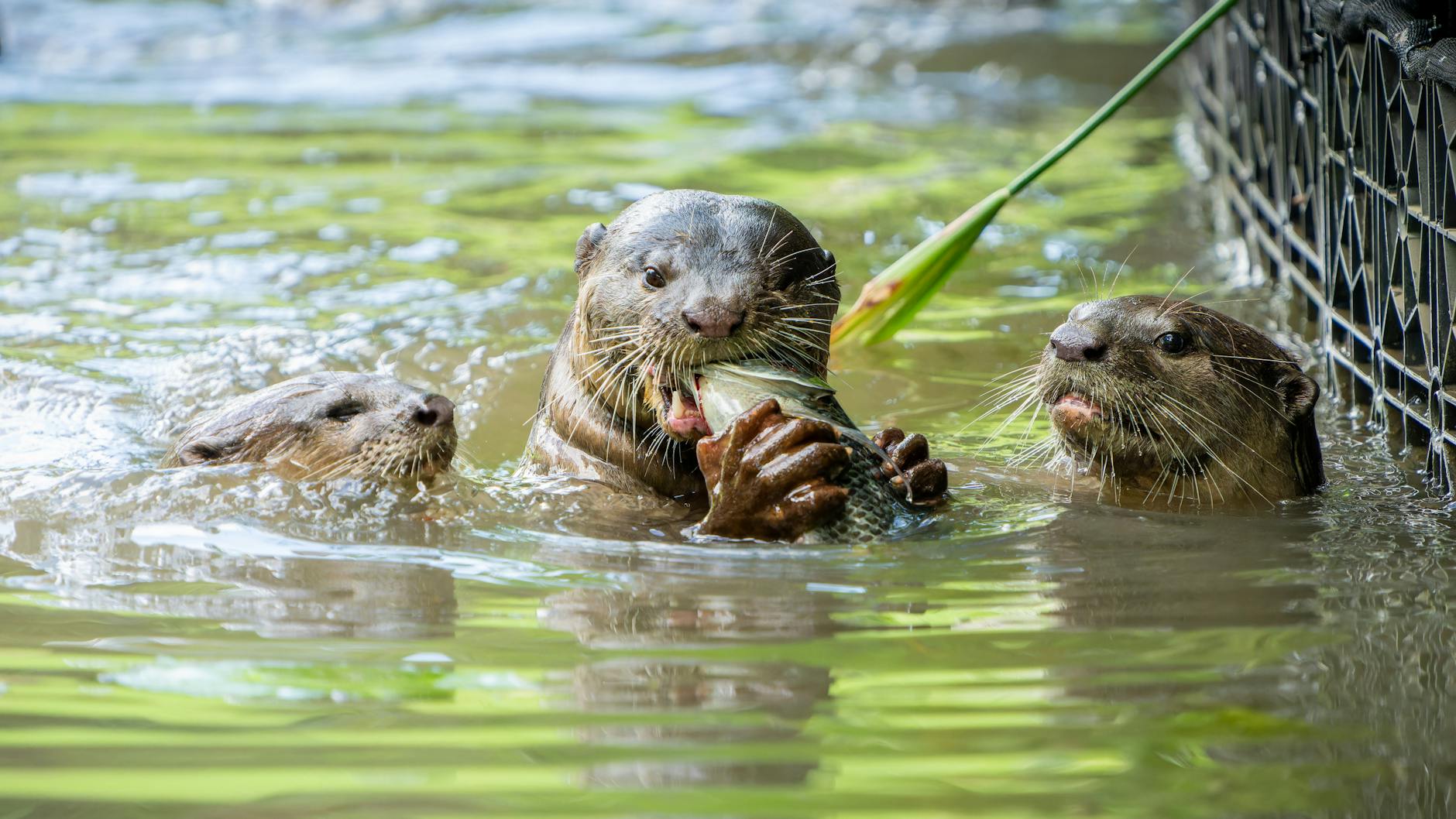
Introduction: Unveiling the Longevity of Captive Otters
Otters, with their playful nature and sleek bodies, are fascinating creatures often found in zoos, aquariums, and wildlife rehabilitation centers. While their wild existence is fraught with challenges, captivity offers a controlled environment potentially conducive to extended lifespans. This article delves into the factors influencing how long can otters live in captivity, exploring the differences between wild and captive lifespans, the benefits of captive care, and the specific needs that contribute to their well-being. Understanding these aspects provides valuable insights into the responsible management and conservation of these captivating animals.

What is the GREY African clawed frog?
Is distilled water good for goldfish?
What colours are fish most attracted to?
Can you put your finger in a trout's mouth?
Factors Influencing Otter Lifespan in Captivity

Several key factors contribute to the longevity of otters under human care. These range from the species of otter to the quality of their habitat and the care they receive.
-
Species: Different otter species have varying natural lifespans. For instance, smaller otter species like Asian small-clawed otters may have a slightly shorter average lifespan than larger species like sea otters.
-
Diet: A well-balanced and nutritious diet is crucial. Zoos and aquariums carefully formulate diets that meet the specific nutritional needs of each otter species, often consisting of fish, crustaceans, and specialized supplements.
-
Veterinary Care: Regular check-ups and prompt treatment of illnesses are essential for maintaining the health of captive otters. Access to veterinary expertise significantly impacts their lifespan.
-
Enrichment: Providing stimulating environments with opportunities for play, exploration, and social interaction prevents boredom and stress, contributing to better physical and mental health.
-
Habitat Quality: A spacious, clean, and appropriately designed habitat mimicking their natural environment is vital. This includes access to clean water for swimming and diving, as well as dry land areas for resting and socializing.
-
Genetics: Similar to humans, genetics plays a role. Otters with predispositions to certain health conditions might have shortened lifespans.
Benefits of Captive Care for Otters
Captivity, when managed responsibly, can offer several benefits that contribute to increased longevity:
-
Protection from Predators: Wild otters face threats from predators like eagles, wolves, and larger carnivores. Captivity eliminates these risks.
-
Consistent Food Supply: Wild otters must hunt for their food, which can be challenging depending on environmental conditions. Captivity guarantees a consistent and reliable food source.
-
Reduced Competition: Wild otters compete with each other for resources, which can lead to stress and injuries. Captivity minimizes competition, especially in well-managed social groups.
-
Disease Prevention and Treatment: Captive otters receive regular veterinary care, allowing for early detection and treatment of diseases that could be fatal in the wild.
-
Controlled Environment: Captive environments provide protection from harsh weather conditions and environmental toxins that can negatively impact wild otter populations.
The Impact of Enrichment on Otter Longevity
Enrichment programs play a vital role in the well-being and longevity of captive otters. These programs are designed to stimulate their natural behaviors and prevent boredom. Examples include:
-
Puzzle Feeders: These challenge otters to use their problem-solving skills to obtain food.
-
Novel Objects: Introducing new toys and objects encourages exploration and play.
-
Scent Trails: Scent trails mimic the experience of hunting in the wild and stimulate their olfactory senses.
-
Social Interaction: Providing opportunities for social interaction with other otters is crucial for their psychological well-being, especially for social species.
Enrichment Type Description Benefits Puzzle Feeders Devices that require otters to manipulate or solve a puzzle to access food. Stimulates problem-solving skills, prevents boredom, encourages natural foraging behaviors. Novel Objects Introduction of new toys, balls, or other objects for exploration and play. Encourages curiosity, provides mental stimulation, enhances physical activity. Scent Trails Introducing scents like fish oil or herbs along a designated path for the otters to follow. Stimulates olfactory senses, encourages exploration and hunting behaviors. Social Interaction Allowing otters to interact with other otters in their enclosure. Promotes social bonding, reduces stress, encourages natural social behaviors (e.g., grooming, play).
Factors that Can Negatively Impact Captive Otter Lifespan
While captivity can extend an otter’s lifespan, certain factors can negatively impact their health and longevity.
-
Poor Diet: An inadequate or unbalanced diet can lead to malnutrition and health problems.
-
Inadequate Housing: Small, cramped, or unclean enclosures can cause stress and increase the risk of disease.
-
Lack of Enrichment: A lack of mental and physical stimulation can lead to boredom, stress, and behavioral problems.
-
Insufficient Veterinary Care: Neglecting veterinary care can allow illnesses to go untreated, shortening lifespan.
-
Stressful Environment: Loud noises, constant human presence, or conflict with other otters can cause chronic stress, weakening the immune system.
-
Genetic Inbreeding: In some captive populations, inbreeding can lead to genetic disorders and reduced lifespan.
Frequently Asked Questions (FAQs) About Otter Lifespan in Captivity
What is the typical lifespan of an otter in the wild?
Wild otter lifespans vary widely depending on the species and environment, typically ranging from 5 to 10 years. Factors such as predation, food availability, and habitat quality significantly influence their survival in the wild.
Which otter species generally lives the longest in captivity?
Sea otters, with proper care, often exhibit longer lifespans in captivity compared to some other species, occasionally reaching 20 years or more. Their complex needs, including a specialized diet and habitat, require significant resources and expertise.
What are the signs of a healthy otter in captivity?
Signs of a healthy captive otter include a glossy coat, clear eyes, a good appetite, active behavior, and normal bowel movements. Regular veterinary check-ups are essential for detecting subtle health issues.
How can zoos and aquariums improve the lifespan of their otters?
Zoos and aquariums can improve the lifespan of their otters by providing high-quality diets, stimulating environments, regular veterinary care, and minimizing stress. Enrichment programs tailored to their specific needs are crucial.
What role does water quality play in the lifespan of captive otters?
Water quality is extremely important for captive otters. Poor water quality can lead to skin infections, eye problems, and other health issues, significantly impacting their overall health and longevity.
Is it ethical to keep otters in captivity?
The ethics of keeping otters in captivity are complex. While responsible institutions can provide excellent care and contribute to conservation efforts, it’s crucial to ensure that the otters’ welfare is prioritized and their needs are met.
What are the nutritional needs of captive otters?
Captive otters require a balanced diet consisting of fish, crustaceans, and specialized supplements to meet their specific nutritional needs. Diets must be tailored to the species and age of the otter.
How does social interaction affect the lifespan of otters in captivity?
Social interaction is crucial for the well-being of social otter species. Lack of social interaction can lead to stress, behavioral problems, and a reduced lifespan.
Can otters be successfully rehabilitated and released back into the wild?
Yes, otters can be successfully rehabilitated and released back into the wild, but it requires specialized expertise and a suitable habitat. Rehabilitation programs must focus on teaching them essential survival skills, such as hunting and avoiding predators.
What diseases are common in captive otters?
Common diseases in captive otters include parasitic infections, respiratory illnesses, dental problems, and urinary tract infections. Prompt veterinary care is essential for managing these conditions.
How does climate affect the lifespan of captive otters?
Climate can affect the lifespan of captive otters, particularly if they are not properly acclimated to the local weather conditions. Providing appropriate shelter and temperature control is crucial for their well-being.
How long can otters live in captivity? compared to the wild?
The answer to “How long can otters live in captivity?” is generally longer than in the wild. While wild otters often live 5 to 10 years, captive otters with proper care can live 10 to 20 years or more, depending on the species and quality of their environment.