

How Long Can Dolphins Survive in Water? Exploring Aquatic Adaptations
Dolphins, being mammals, need to breathe air. Therefore, while they live in water, they can only survive without surfacing for a limited time, typically ranging from 8 to 10 minutes depending on the species and activity level.
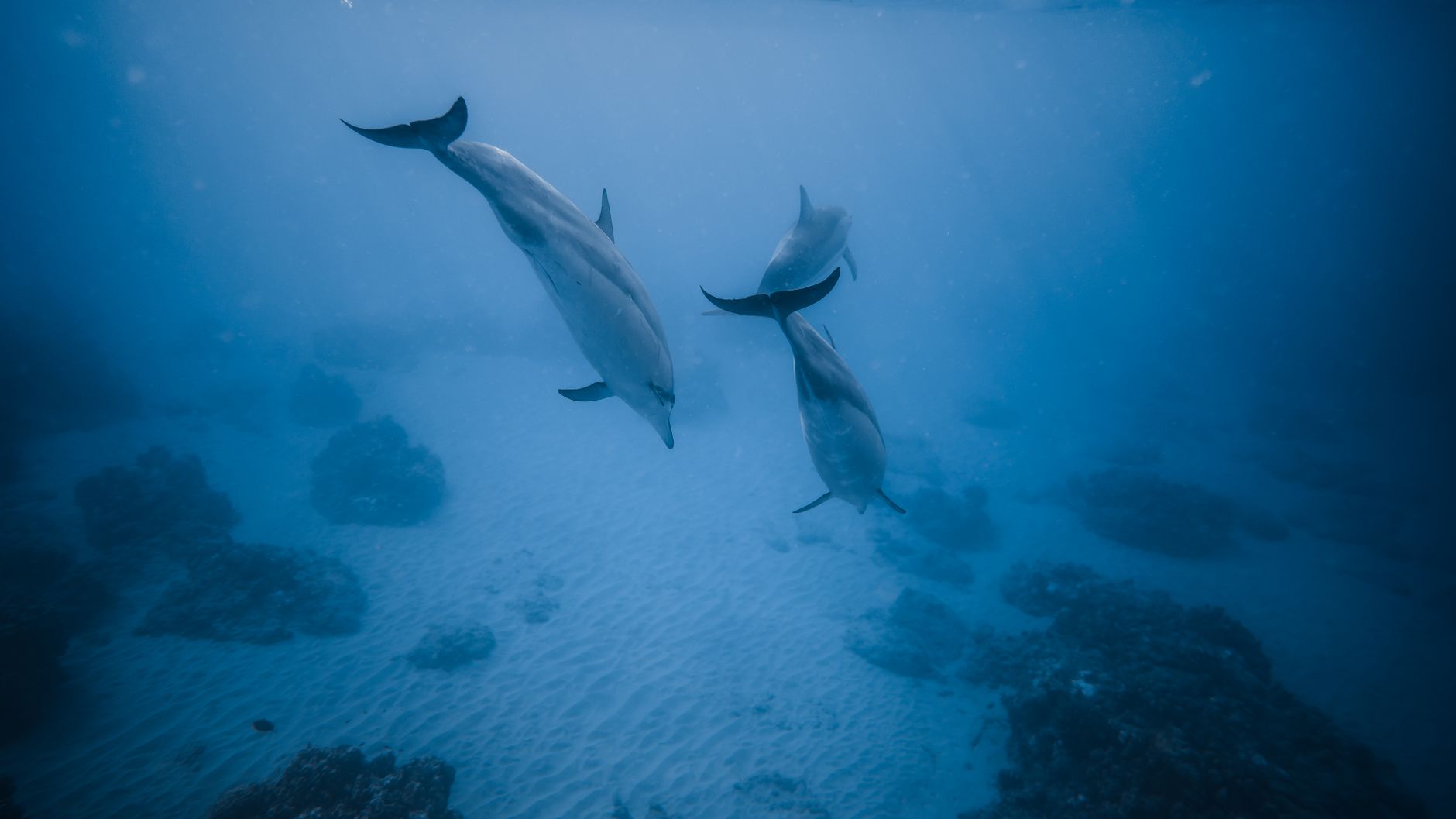
Dolphins are among the most intelligent and charismatic creatures in the ocean, but their mammalian physiology necessitates frequent trips to the surface to breathe. This article will delve into the fascinating adaptations that allow them to thrive in an aquatic environment while exploring the limits of their breath-holding capabilities. We will examine the factors influencing their underwater endurance and address some common misconceptions surrounding these remarkable animals.
Dolphins: Mammals in the Marine Realm
Dolphins belong to the order Cetacea, which also includes whales and porpoises. This classification highlights their shared ancestry with land-dwelling mammals. Despite their fully aquatic lifestyle, dolphins retain key mammalian traits, including:
- Lungs: Dolphins breathe air using lungs, just like humans.
- Warm-bloodedness: They maintain a constant body temperature, requiring significant energy expenditure.
- Live birth: They give birth to live young and nurse them with milk.
These characteristics necessitate adaptations that allow them to navigate the challenges of an aquatic existence.
Can fish hear water?
How do I add oxygen to my goldfish water?
Do carbon filters remove water hardness?
What is the GREY African clawed frog?
Physiological Adaptations for Breath-Holding

Dolphins possess several remarkable physiological adaptations that enable them to remain submerged for extended periods. These adaptations are crucial for hunting, avoiding predators, and conserving energy. Key adaptations include:
- Efficient Oxygen Use: Dolphins have a higher concentration of red blood cells and myoglobin in their muscles compared to terrestrial mammals. Myoglobin stores oxygen within muscle tissue, allowing for prolonged activity without needing to surface.
- Bradycardia: When diving, a dolphin’s heart rate slows dramatically (bradycardia), reducing oxygen consumption.
- Peripheral Vasoconstriction: Blood flow is redirected away from non-essential organs (like the skin and digestive system) and towards the brain, heart, and muscles.
- Lung Collapse: The lungs collapse to reduce buoyancy, making diving easier and minimizing nitrogen absorption (preventing decompression sickness).
- High Tolerance to Carbon Dioxide: Dolphins can tolerate higher levels of carbon dioxide in their blood, delaying the urge to breathe.
These integrated mechanisms work in concert to maximize underwater endurance. Understanding how long can dolphins survive in water requires appreciating the intricate interplay of these adaptations.
Factors Influencing Underwater Endurance
Several factors can influence how long can dolphins survive in water without surfacing.
| Factor | Influence |
|---|---|
| Species | Different dolphin species have varying lung capacities and metabolic rates. |
| Activity Level | Intense activity (hunting, escaping predators) increases oxygen consumption and reduces dive time. |
| Age and Health | Younger and healthier dolphins generally have better breath-holding capabilities. |
| Water Temperature | Colder water increases metabolic rate, shortening dive time. |
| Training and Experience | Experienced divers (e.g., trained dolphins in marine parks) may have learned to optimize their physiology. |
For example, a bottlenose dolphin engaged in active hunting might only stay submerged for 2-3 minutes, whereas a resting dolphin could hold its breath for 8-10 minutes, or even longer in exceptional cases. The question of how long can dolphins survive in water is therefore context-dependent.
Risks of Prolonged Submersion
While dolphins are exceptionally well-adapted to aquatic life, exceeding their breath-holding limits can have severe consequences. Oxygen deprivation can lead to:
- Hypoxia: Insufficient oxygen reaching the brain, potentially causing brain damage.
- Unconsciousness: Loss of consciousness due to lack of oxygen, leading to drowning.
- Organ Damage: Prolonged oxygen deprivation can damage vital organs.
- Death: Ultimately, prolonged submersion without access to air will result in death.
Therefore, it is crucial for dolphins to balance their underwater activities with the need to surface and breathe.
Conservation Implications
Understanding the physiological limits of dolphins is crucial for conservation efforts. Human activities, such as entanglement in fishing gear or exposure to underwater noise pollution, can disrupt their breathing patterns and increase the risk of drowning. Minimizing these threats is essential for ensuring the long-term survival of dolphin populations. The impacts of human activity on how long can dolphins survive in water should not be overlooked.
Frequently Asked Questions (FAQs)
What is the longest recorded dive time for a dolphin?
While most dolphins typically dive for a few minutes, some species, like the Cuvier’s beaked whale (also a cetacean but not a dolphin), can hold their breath for incredibly long periods. Although not a dolphin, their dives provide insight into the potential extremes of cetacean breath-holding. Recorded dives of over 3 hours have been documented for them. While dolphins generally don’t reach these extremes, exceptional circumstances and specific species variations can extend their dive times beyond the average.
Do dolphins sleep underwater?
Yes, dolphins sleep underwater, but not in the same way humans do. They can’t completely “switch off” because they need to consciously breathe. They enter a state called unihemispheric sleep, where one half of their brain rests while the other remains alert, allowing them to surface periodically for air and be aware of their surroundings.
How do dolphins breathe?
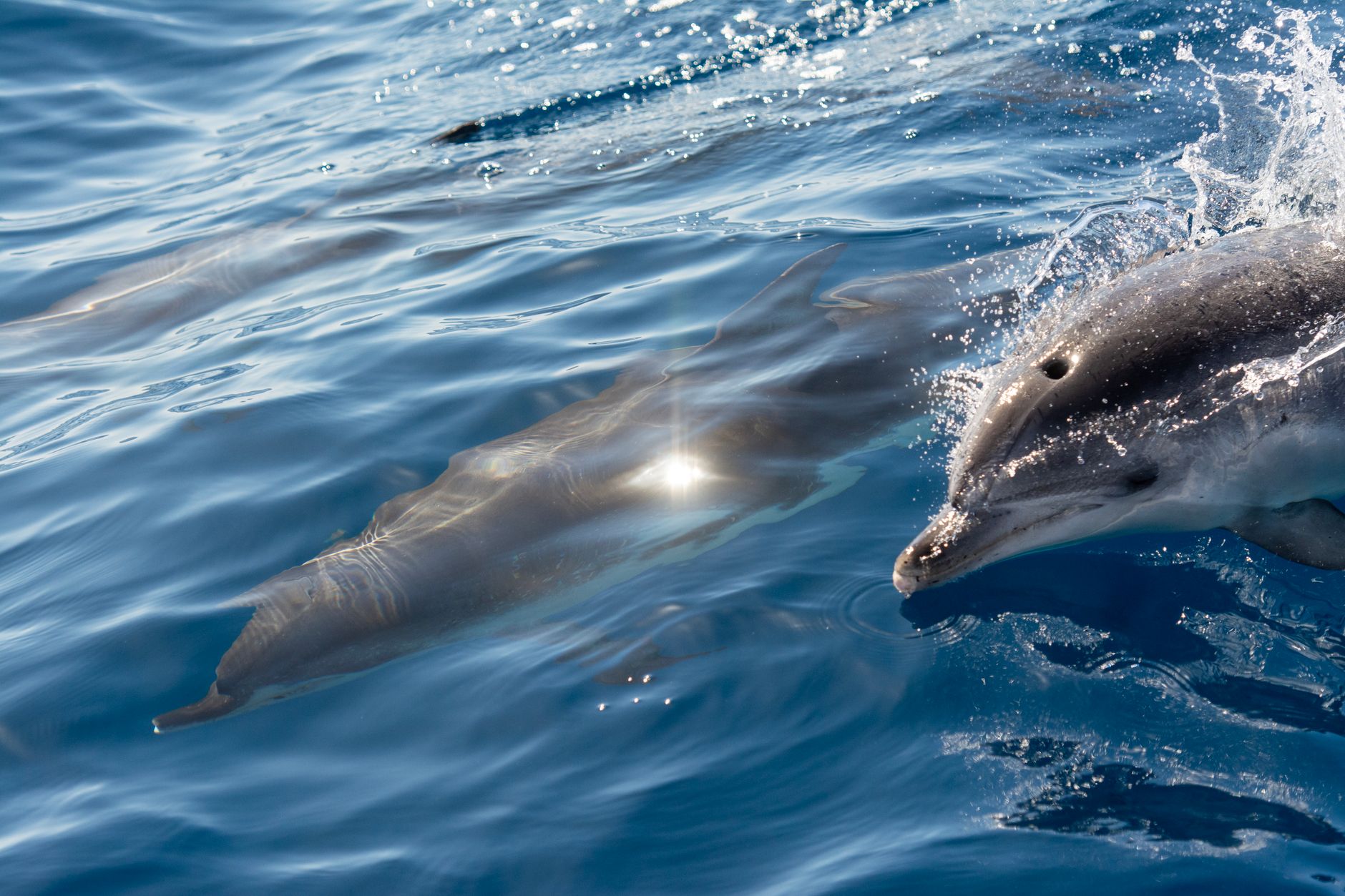
Dolphins breathe through a single blowhole located on top of their head. This blowhole is a modified nostril that evolved to make breathing easier at the water’s surface. They consciously control the opening and closing of the blowhole.
Can dolphins drown?
Yes, dolphins can drown. Because they are mammals and breathe air, they need to surface regularly. If they become trapped underwater, entangled in fishing nets, or are otherwise unable to reach the surface, they will drown.
Do dolphins have gills?
No, dolphins do not have gills. Gills are respiratory organs found in fish and other aquatic animals that extract oxygen from the water. Dolphins, as mammals, have lungs and must breathe air.
How long can a baby dolphin hold its breath?
A baby dolphin, or calf, typically has a shorter breath-holding capacity than an adult dolphin. This is because their lungs are still developing, and their oxygen storage capacity is lower. They usually surface more frequently than adults.
What happens if a dolphin is kept out of water?
If a dolphin is kept out of water for too long, it will suffer from dehydration, overheating, and ultimately suffocate. The weight of their own body can also crush their internal organs. They are adapted to be supported by the buoyancy of water.
Do dolphins yawn?
Yes, dolphins do yawn. Like humans, yawning is thought to be a way to increase oxygen intake or regulate brain temperature.
How do dolphins conserve oxygen while diving?
Dolphins conserve oxygen through a combination of physiological adaptations, including bradycardia (slowing of the heart rate), peripheral vasoconstriction (redirecting blood flow), and lung collapse. These mechanisms reduce oxygen consumption and maximize the time they can spend underwater.
Can dolphins get decompression sickness (“the bends”)?
While dolphins have adaptations to minimize nitrogen absorption, they are not entirely immune to decompression sickness, though the risk is significantly lower than in human divers. Rapid ascents can still potentially cause nitrogen bubbles to form in their tissues.
Are some dolphin species better divers than others?
Yes, some dolphin species are better divers than others. Deep-diving species, such as the Risso’s dolphin, have adaptations that allow them to dive deeper and hold their breath longer than coastal species like the bottlenose dolphin.
How does pollution affect a dolphin’s ability to hold its breath?
Pollution can negatively impact a dolphin’s health and ability to hold its breath. Exposure to toxins can damage their lungs and immune system, making them more susceptible to respiratory infections. This reduces their lung capacity and overall diving ability, impacting how long can dolphins survive in water.