
How Long Can Alligators Stay Submerged? The Aquatic Aptitude of Alligators
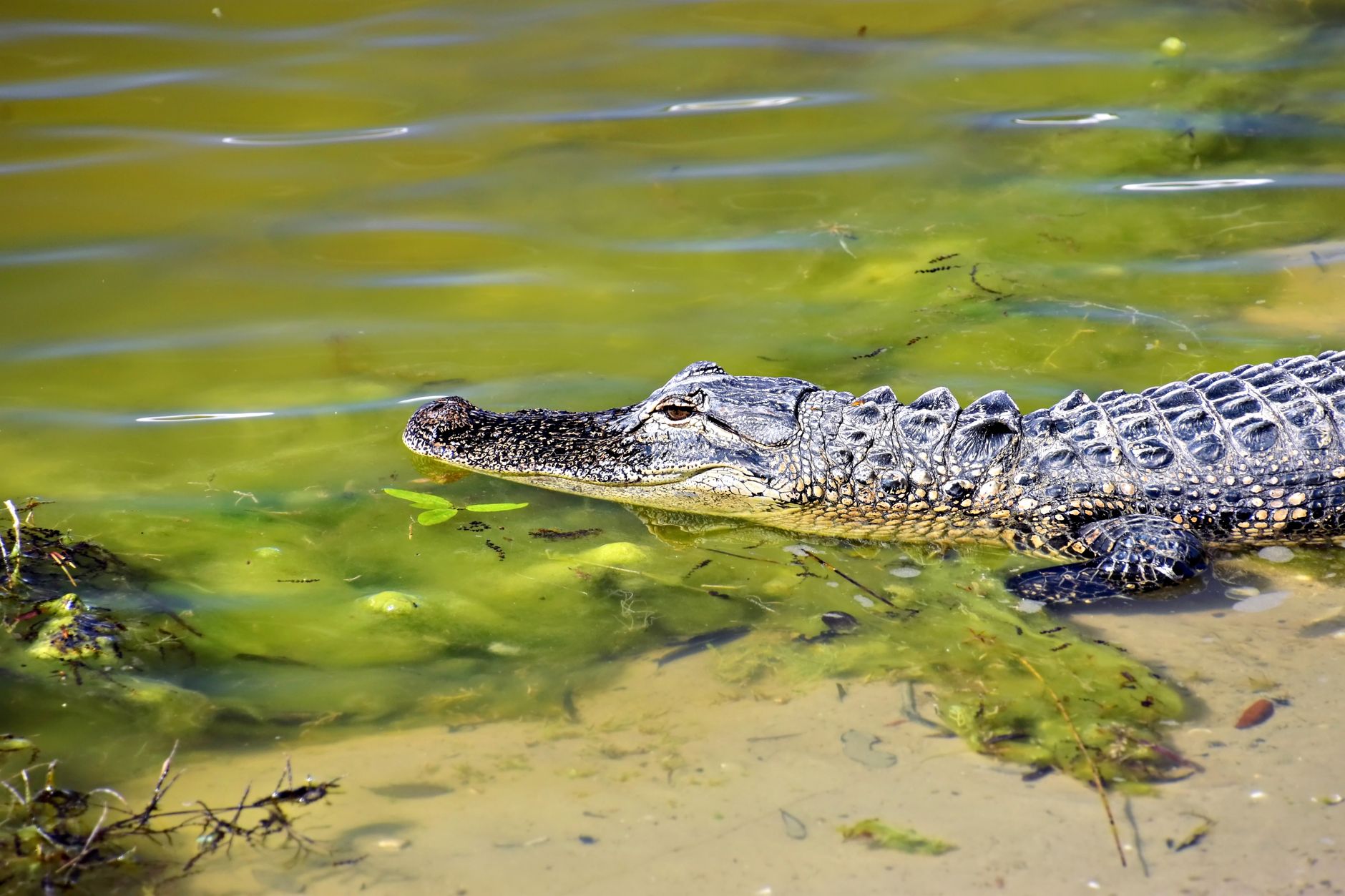
Alligators can stay submerged for surprisingly long periods, although this ability varies based on activity level and water temperature. A resting alligator can hold its breath for up to 1-2 hours, showcasing its remarkable aquatic adaptation, while an active alligator may only remain submerged for a few minutes.

Alligators: Masters of the Aquatic Realm
Alligators, apex predators in many freshwater ecosystems, are remarkably well-suited to life in the water. Their physical adaptations and physiological processes allow them to thrive in aquatic environments, making them efficient hunters and survivors. Understanding their ability to remain submerged is key to appreciating their ecological role and behavior. This adaptation is central to their hunting strategy and ability to survive in fluctuating water conditions.

Can fish hear water?
How do I add oxygen to my goldfish water?
Do carbon filters remove water hardness?
What is the GREY African clawed frog?
Physiological Adaptations for Underwater Survival

Several key physiological adaptations contribute to the alligator’s remarkable ability to stay submerged for extended periods. These adaptations allow them to conserve oxygen and tolerate high levels of carbon dioxide in their blood.
- Reduced Metabolism: Alligators can significantly lower their metabolic rate when submerged, reducing their oxygen consumption. This physiological downshift is crucial for extending their underwater endurance.
- Bradycardia: They experience bradycardia, a slowing of the heart rate, which further conserves oxygen. The heart rate can drop dramatically while submerged.
- Hemoglobin Efficiency: Alligator hemoglobin has a high affinity for oxygen, allowing them to efficiently extract oxygen from their blood. This ensures maximum oxygen utilization during prolonged submersion.
- Lactic Acid Tolerance: Alligators can tolerate higher levels of lactic acid buildup in their muscles compared to many other animals. This allows them to function anaerobically for longer periods.
Factors Influencing Submersion Time
The length of time an alligator can stay submerged depends on several factors:
- Activity Level: Active alligators, such as those hunting or evading predators, will require more oxygen and, therefore, can only stay submerged for a shorter time. This is typically a few minutes at most.
- Water Temperature: Colder water slows down the alligator’s metabolism, allowing it to stay submerged longer. Warmer water increases metabolic rate, reducing submersion time.
- Size and Age: Larger alligators generally have a larger lung capacity and lower surface area to volume ratio, potentially allowing them to stay submerged for longer than smaller alligators.
- Stress Level: A stressed or frightened alligator will consume more oxygen, reducing its ability to stay submerged for extended periods.
The table below highlights the approximate submersion times based on these factors:
| Factor | Approximate Submersion Time |
|---|---|
| Resting in cold water | Up to 1-2 hours |
| Resting in warm water | Up to 30-60 minutes |
| Active in cold water | Up to 15-20 minutes |
| Active in warm water | Up to 5-10 minutes |
Hunting Strategy and Underwater Ambush
Alligators are ambush predators, and their ability to stay submerged plays a crucial role in their hunting strategy. They often lie in wait underwater, camouflaged among vegetation, waiting for prey to approach. This allows them to launch a surprise attack, increasing their chances of success. Their hunting style relies heavily on how long can an alligator stay in the water?. The longer they can stay hidden, the more likely they are to catch unsuspecting prey.
The Role of the Nictitating Membrane
Another important adaptation for underwater survival is the nictitating membrane, a clear eyelid that protects the alligator’s eyes underwater while still allowing it to see. This transparent eyelid is essential for hunting and navigating in murky water.
Frequently Asked Questions About Alligator Submersion
Can baby alligators stay underwater as long as adults?
No, baby alligators cannot stay underwater as long as adults. They have smaller lung capacities and higher metabolic rates, meaning they need to surface more frequently for air. They typically can only stay submerged for a few minutes at a time.
Do alligators sleep underwater?
While alligators can rest underwater, they typically don’t fully sleep underwater for extended periods. They need to surface periodically to breathe, even when sleeping. However, they may drift partially submerged for short naps.
What happens if an alligator stays underwater too long?
If an alligator stays underwater for too long, it will eventually suffocate due to lack of oxygen. This is rare, as alligators typically surface instinctively to breathe. Prolonged submersion beyond their physiological limits can be fatal.
Can alligators breathe through their skin like some amphibians?
No, alligators cannot breathe through their skin. They rely solely on their lungs for respiration. This lack of cutaneous respiration limits their underwater endurance compared to some other aquatic animals.
Do alligators hold their breath or absorb oxygen from the water?
Alligators hold their breath underwater. They do not have gills or any other mechanism for absorbing oxygen directly from the water. Their ability to conserve oxygen is the key to their underwater endurance.
How do alligators prevent water from entering their lungs when submerged?
Alligators have a valve at the back of their throat that prevents water from entering their trachea and lungs when submerged. This specialized valve allows them to open their mouths underwater without flooding their respiratory system.
Is it dangerous to approach an alligator when it’s underwater?
Yes, it is generally dangerous to approach an alligator, regardless of whether it’s submerged or on land. Alligators are powerful predators, and approaching them can provoke an attack. Their underwater ambush tactics make them especially dangerous when you can’t easily see them. Maintaining a safe distance is always recommended.
Does the time of year affect How long can an alligator stay in the water?
Yes, the time of year, and specifically the water temperature, significantly affects how long can an alligator stay in the water?. In colder months, their metabolism slows down, allowing them to remain submerged for longer periods.
Can alligators stay underwater during freezing temperatures?
Yes, alligators can survive in freezing temperatures by entering a state of brumation, where they become lethargic and conserve energy. They may remain submerged with only their nostrils above the water, allowing them to breathe even when the surface is frozen over. This adaptation allows them to survive harsh winters.
What is the longest recorded time an alligator has stayed underwater?
While precise data is difficult to obtain, anecdotal evidence suggests that alligators in a dormant state in cold water have remained submerged for upwards of two hours. However, this is an extreme case.
Are there any other reptiles that can stay underwater longer than alligators?
Some aquatic turtles, such as snapping turtles, can stay submerged for even longer periods than alligators, sometimes for several hours or even days, particularly in cold water. This is due to a combination of low metabolic rate and the ability to absorb oxygen from the water through their cloaca (butt breathing). This makes snapping turtles formidable underwater survivors.
Why is How long can an alligator stay in the water? important for alligator conservation?
Understanding How long can an alligator stay in the water? is crucial for alligator conservation because it informs our understanding of their habitat requirements, hunting behavior, and ability to adapt to environmental changes. This knowledge is essential for managing alligator populations and protecting their ecosystems. This ensures effective conservation strategies.