
How Do You Know If You Have Fleas Human?
Wondering if those itchy bites are more than just mosquito problems? Fleas on humans are possible, and knowing the signs is crucial for quick treatment. Look for patterns of small, italicized bites, intense itching, and possible visual confirmation of fleas or flea dirt to determine if you have been infested.
Introduction: The Unpleasant Reality of Fleas on Humans
The thought of fleas usually conjures images of pets scratching incessantly. However, fleas aren’t exclusively animal pests. While they prefer furry hosts, humans can become unwilling participants in the flea life cycle, especially when their primary hosts are unavailable or in close proximity. How do you know if you have fleas human? Recognizing the signs and symptoms is vital for prompt eradication. This article provides a comprehensive guide to identifying flea infestations on humans and how to deal with them effectively.

Do all amphibians have eyelids?
Why do cuttlefish have W-shaped eyes?
Do all snakes have poison in them?
What is the GREY African clawed frog?
Identifying Flea Bites on Humans: The Tell-Tale Signs

The first clue that you might have fleas is the presence of bites. Unlike mosquito bites, which are often single, large welts, flea bites have distinct characteristics:
- Location: Flea bites often occur in clusters or lines, commonly around the ankles, legs, waist, armpits, and other areas where clothing fits tightly.
- Appearance: They are typically small, raised bumps surrounded by a red halo. The bites often have a single puncture point in the center.
- Itchiness: Intense itching is a hallmark of flea bites. The itching can be persistent and may lead to secondary skin infections from scratching.
- Number: Often, you’ll find multiple bites, sometimes many, close together. This is because fleas tend to feed multiple times in an area before moving on.
Visual Confirmation: Spotting Fleas and Flea Dirt
While bite patterns are a good indicator, visually confirming the presence of fleas is definitive.
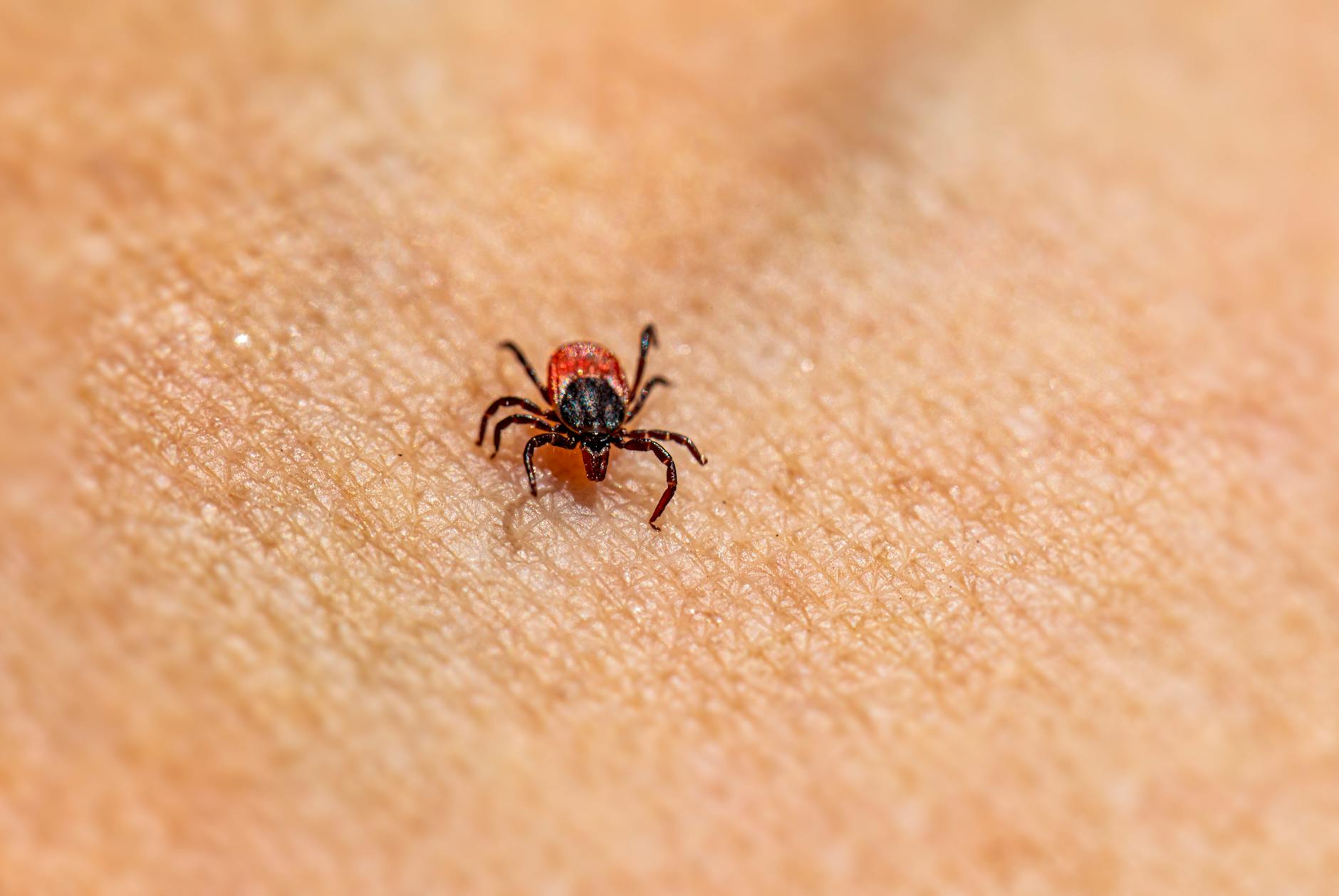
- Fleas: Adult fleas are small (1-3 mm), dark brown, wingless insects with powerful legs, enabling them to jump considerable distances. They move quickly, making them difficult to catch.
- Flea Dirt: This is flea excrement and consists of digested blood. It appears as small, black specks, resembling pepper. You can identify flea dirt by placing it on a damp paper towel. If it’s flea dirt, it will dissolve, leaving reddish-brown streaks (the digested blood).
Factors Increasing Your Risk of Flea Bites
Several factors can increase your susceptibility to flea bites:
- Pet Ownership: Homes with pets are at a higher risk of flea infestations. Even indoor pets can pick up fleas from outdoors or other animals.
- Outdoor Activities: Spending time in grassy or wooded areas, especially where animals frequent, increases exposure.
- Infested Environments: Visiting homes, gardens, or other places known to have fleas puts you at risk of bringing them home.
- Recent Animal Removal: If a previous tenant had pets and moved out recently, the fleas will seek new hosts, potentially including you.
Distinguishing Flea Bites from Other Insect Bites
It is important to differentiate flea bites from other insect bites to ensure appropriate treatment.
| Insect Bite | Appearance | Itchiness | Location |
|---|---|---|---|
| Flea Bite | Small, raised bumps, clusters, red halo | Intense | Ankles, legs, waist, armpits |
| Mosquito Bite | Large, single welt | Moderate | Exposed skin, anywhere |
| Bed Bug Bite | Raised, red bumps, in a line or zigzag | Intense | Exposed skin while sleeping (arms, shoulders, neck) |
| Spider Bite | Varies, often painful, may have two marks | Variable | Anywhere, depends on the spider |
Dealing with Flea Infestation: Treatment and Prevention
If you suspect you have fleas, several steps can be taken to address the infestation:
- Treat Bites: Wash bites with soap and water. Apply anti-itch cream (e.g., hydrocortisone) or take an antihistamine to relieve itching.
- Treat Pets: Consult a veterinarian for appropriate flea treatment options for your pets.
- Clean Your Home: Thoroughly vacuum carpets, rugs, upholstery, and pet bedding. Wash bedding in hot water.
- Professional Pest Control: In severe cases, consider hiring a professional pest control service.
- Preventative Measures: Regularly vacuum and wash pet bedding. Use flea control products for pets as recommended by your vet.
Frequently Asked Questions About Fleas on Humans
Here are some common questions about flea infestations on humans:
How long can fleas live on humans?
Fleas typically don’t live on humans for extended periods. They prefer furry hosts because of the protection and warmth provided by fur. Fleas feed on humans for blood meals, but they often jump off afterward to lay eggs in carpets, furniture, or pet bedding.
Can fleas lay eggs in human hair?
No, fleas are not likely to lay eggs in human hair. They require a sheltered environment like animal fur, carpets, or bedding to lay their eggs. Human hair is too exposed and doesn’t provide the necessary conditions for egg survival.
What are the health risks associated with flea bites?
While generally not life-threatening, flea bites can cause several health issues, including:
- Intense itching
- Secondary skin infections due to scratching
- Allergic reactions in some individuals
- Tapeworm transmission (rare)
Is it possible to have fleas without having pets?
Yes, it is possible. Fleas can be introduced into your home through:
- Contact with infested animals outdoors
- Previous tenants’ pets leaving behind fleas
- Wild animals (rodents, stray cats) in your yard
What is “flea dirt,” and how do I identify it?
Flea dirt is flea excrement, consisting of digested blood. It looks like small, black specks. To identify it, place the specks on a damp paper towel. If they dissolve and leave reddish-brown streaks, it’s flea dirt.
What is the best way to treat flea bites on humans?
The best way to treat flea bites includes:
- Washing the bites with soap and water.
- Applying anti-itch cream (hydrocortisone).
- Taking an antihistamine to reduce itching.
- Avoiding scratching to prevent infection.
How do I get rid of fleas in my house?
To eliminate fleas from your home:
- Thoroughly vacuum all carpets, rugs, and upholstery.
- Wash all bedding (including pet bedding) in hot water.
- Treat your pets with flea control products recommended by your veterinarian.
- Consider using flea bombs or professional pest control for severe infestations.
What are the best preventative measures to avoid flea infestations?
Preventive measures include:
- Regularly vacuuming and cleaning your home.
- Using flea control products for your pets as recommended by your vet.
- Keeping your yard clean and free of debris where fleas can breed.
- Sealing cracks and crevices in your home to prevent entry.
Are there any natural remedies for flea bites?
Some natural remedies for flea bites include:
- Aloe vera gel to soothe itching.
- Witch hazel to reduce inflammation.
- Apple cider vinegar diluted with water to relieve itching.
- Cold compress to numb the area and reduce swelling.
Can fleas transmit diseases to humans?
While rare in developed countries, fleas can transmit diseases to humans, including:
- Murine typhus
- Tapeworm (through accidental ingestion of infected fleas)
- Cat scratch disease (indirectly, via infected cats)
How do you know if you have fleas human when no pets are present?
Even without pets, how do you know if you have fleas human? The signs are similar: itchy bites, especially around the ankles and legs; finding small, dark insects jumping on your skin or clothing; and discovering flea dirt on carpets or furniture. The source may be wild animals or previous residents.
When should I seek medical attention for flea bites?
Seek medical attention if you experience:
- Signs of infection (increased redness, swelling, pus)
- Severe allergic reaction (hives, difficulty breathing)
- High fever or flu-like symptoms.