

How to Comfort a Dog After Being Attacked: A Comprehensive Guide
How do you comfort a dog after being attacked? The most effective approach involves ensuring immediate safety and medical attention, followed by providing gentle physical comfort, a calm and secure environment, and consistent reassurance to rebuild trust and confidence.

Understanding the Trauma of a Dog Attack
A dog attack, regardless of its severity, can be a deeply traumatic experience for your canine companion. The physical pain is often compounded by intense fear and anxiety. Understanding the psychological impact is crucial to providing effective comfort and support. Your dog may exhibit a range of behaviors, including:
- Fearfulness and skittishness
- Aggression or defensiveness
- Whining, trembling, or panting
- Loss of appetite
- Withdrawal and avoidance of social interaction
- Sleep disturbances
These reactions are normal and should be approached with patience and understanding. Rushing the recovery process or forcing your dog into situations that trigger anxiety can worsen the trauma.
Immediate Steps After an Attack

The immediate aftermath of a dog attack is critical. Focus on these priorities:
- Safety First: Remove your dog from the situation and ensure they are no longer in danger. If the other dog is still present, separate them.
- Assess Injuries: Carefully examine your dog for any visible wounds. Even seemingly minor injuries can be painful and require medical attention.
- Seek Veterinary Care: Even if there are no obvious injuries, a veterinary examination is essential. Internal injuries, infections, and psychological trauma can be addressed by a professional.
- Documentation: If possible and safe to do so, document the incident. Take pictures of the other dog (if possible and without escalating the situation), gather contact information from the owner, and note the location and time of the attack. This information may be necessary for legal or insurance purposes.
Creating a Safe and Supportive Environment
Once your dog has received medical attention, the focus shifts to creating a secure and comforting environment at home.
- Quiet Space: Provide a quiet and secluded space where your dog can retreat and feel safe. This could be their crate, a familiar bed, or a corner of a room.
- Familiar Items: Surround your dog with familiar items that provide comfort, such as their favorite toys, blankets, or bedding.
- Minimize Stressors: Reduce any potential stressors in the environment, such as loud noises, sudden movements, or unfamiliar people.
The Power of Gentle Comfort and Reassurance
Physical comfort and verbal reassurance can be incredibly powerful tools in helping your dog recover.
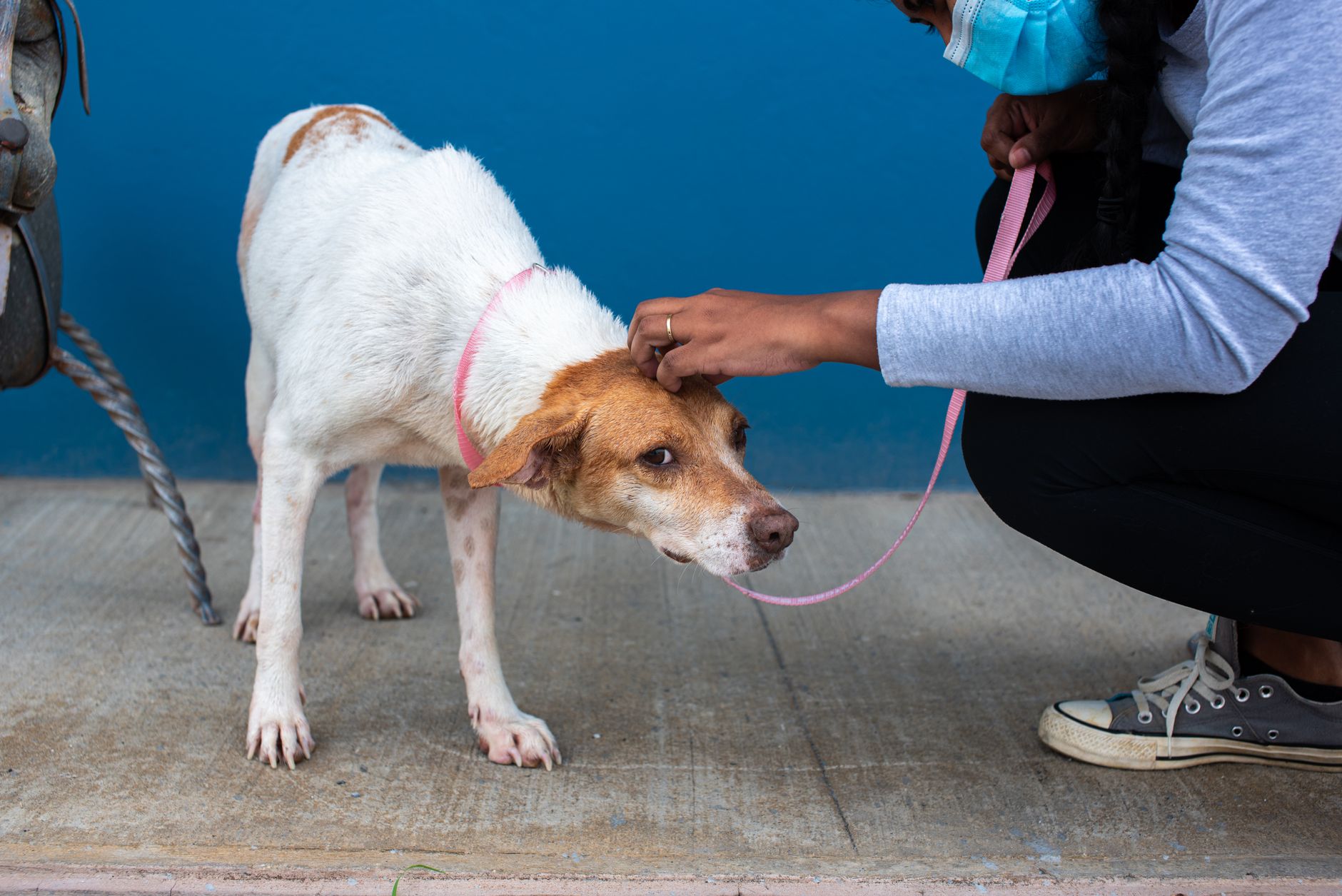
- Gentle Touch: Offer gentle petting, massage, and cuddling. Pay attention to your dog’s body language and avoid any areas that may be painful.
- Calm Voice: Speak to your dog in a calm, soothing voice. Reassure them that they are safe and loved.
- Positive Reinforcement: Use positive reinforcement techniques, such as offering treats or praise, to encourage positive behaviors.
- Avoid Over-Sympathizing: While empathy is important, avoid excessive coddling or over-sympathizing, as this can inadvertently reinforce their fear.
Gradual Reintroduction to Social Situations
Returning to a normal routine is essential for long-term recovery, but it should be done gradually and at your dog’s pace.
- Controlled Exposure: Start with short, controlled exposure to familiar environments and gradually increase the duration and intensity of the exposure.
- Positive Associations: Create positive associations with these environments by offering treats, praise, or engaging in playful activities.
- Avoid Trigger Situations: Initially, avoid situations that may trigger anxiety, such as crowded dog parks or encounters with aggressive dogs.
- Professional Help: If your dog continues to exhibit significant fear or anxiety, consider seeking professional help from a certified dog trainer or veterinary behaviorist.
Common Mistakes to Avoid
Here are some common mistakes to avoid when comforting a dog after an attack:
- Forcing Interaction: Avoid forcing your dog to interact with other dogs or people if they are not ready.
- Punishing Fearful Behavior: Never punish your dog for exhibiting fear or anxiety. This will only exacerbate the problem.
- Rushing the Process: Recovery takes time. Be patient and allow your dog to progress at their own pace.
- Ignoring Warning Signs: Pay close attention to your dog’s body language and respect their boundaries.
- Neglecting Your Own Emotional Wellbeing: The experience can be emotionally draining for you as well. Take care of yourself and seek support if needed.
| Mistake | Consequence | Solution |
|---|---|---|
| Forcing Interaction | Increased anxiety, fear, and potential aggression. | Allow your dog to approach at their own pace. |
| Punishing Fear | Worsening of fear and anxiety, breakdown of trust. | Use positive reinforcement and avoid punishment altogether. |
| Rushing the Process | Prolonged recovery, potential for setbacks. | Be patient and allow your dog to dictate the pace. |
| Ignoring Signs | Overwhelming your dog, potentially leading to defensive behaviors. | Observe body language and respect boundaries. |
| Neglecting Self | Burnout, reduced ability to effectively support your dog. | Seek support from friends, family, or a therapist. |
How do you comfort a dog after being attacked? In Conclusion
Comforting a dog after an attack requires patience, understanding, and a commitment to creating a safe and supportive environment. By following these guidelines and seeking professional help when needed, you can help your dog heal both physically and emotionally and regain their confidence. Remember, building trust and providing reassurance are key to a successful recovery.
Frequently Asked Questions (FAQs)
What are the immediate signs of trauma in a dog after an attack?
The immediate signs of trauma in a dog after an attack can include trembling, panting, excessive salivation, dilated pupils, rapid heart rate, and hiding or seeking to escape. They might also whine, bark excessively, or show signs of aggression even towards familiar people. It’s crucial to observe these behaviors closely and seek veterinary attention.
How long does it take for a dog to recover emotionally from an attack?
The recovery time varies greatly depending on the severity of the attack, the dog’s temperament, and the owner’s approach to rehabilitation. Some dogs may recover in a few weeks, while others may take months or even years to fully overcome the trauma. Consistency and patience are essential throughout the process.
Should I avoid taking my dog back to the location where the attack occurred?
Initially, it’s best to avoid the location where the attack occurred to prevent triggering further anxiety. However, gradually reintroducing your dog to that environment, if necessary, can be beneficial. Start with short visits and positive reinforcement, and avoid forcing your dog if they show signs of distress.
What if my dog becomes aggressive after being attacked?
Aggression after an attack is often a fear response. It’s crucial to address this behavior carefully and avoid punishment, which can worsen the problem. Consulting with a veterinary behaviorist or certified dog trainer is highly recommended. They can help you develop a behavior modification plan to address the underlying fear and anxiety.
Is it safe to let my dog interact with other dogs after an attack?
Reintroducing your dog to other dogs should be done cautiously and gradually. Start with controlled interactions with familiar and well-behaved dogs. Avoid crowded dog parks or situations where your dog might feel threatened. Supervise all interactions closely and be prepared to intervene if necessary.
How can I rebuild my dog’s confidence after an attack?
Rebuilding your dog’s confidence requires positive reinforcement and gradual exposure to positive experiences. Engage in activities that your dog enjoys, such as walks, playtime, or training sessions. Celebrate small victories and avoid pushing your dog beyond their comfort zone.
What role does my own behavior play in my dog’s recovery?
Your own behavior plays a significant role in your dog’s recovery. Remain calm, patient, and reassuring. Avoid projecting your own anxiety or fear onto your dog. Your calm demeanor will help your dog feel more secure and supported.
Can medication help my dog cope with anxiety after an attack?
In some cases, medication may be helpful in managing anxiety and fear. Consult with your veterinarian to discuss whether medication is appropriate for your dog’s situation. Medication should always be used in conjunction with behavioral therapy and other supportive measures.
What are some signs that my dog needs professional help from a behaviorist?
Signs that your dog needs professional help from a behaviorist include persistent fear or anxiety, aggression towards people or other animals, withdrawal from social interaction, and significant changes in appetite or sleep patterns.
How do I find a qualified dog behaviorist or trainer?
To find a qualified dog behaviorist or trainer, ask your veterinarian for recommendations. Look for professionals who are certified and have experience working with dogs who have experienced trauma. Check their credentials and read reviews before making a decision.
What is desensitization and counterconditioning, and how can it help?
Desensitization and counterconditioning are behavior modification techniques used to reduce fear and anxiety. Desensitization involves gradually exposing your dog to the trigger (e.g., other dogs) at a low intensity, while counterconditioning involves pairing the trigger with something positive (e.g., treats). This helps your dog associate the trigger with positive experiences and reduce their fear response.
How do you comfort a dog after being attacked? What if the other dog belongs to a friend?
This situation is incredibly delicate. First, prioritize your dog’s well-being. Separate the dogs immediately and follow all the steps outlined above for immediate care. With your friend, communicate honestly and calmly about what happened. Focus on your dog’s needs and how you can both help them recover. It’s crucial to maintain open communication and seek professional guidance if necessary to navigate the situation without damaging the friendship irreparably.