

How to Stop String Algae in Your Aquarium: A Comprehensive Guide
Do you want to eliminate that unsightly fuzz from your tank? Stop string algae in your aquarium by balancing nutrients, ensuring adequate water flow, and introducing algae eaters, creating a thriving, algae-free ecosystem.
Understanding String Algae: The Basics
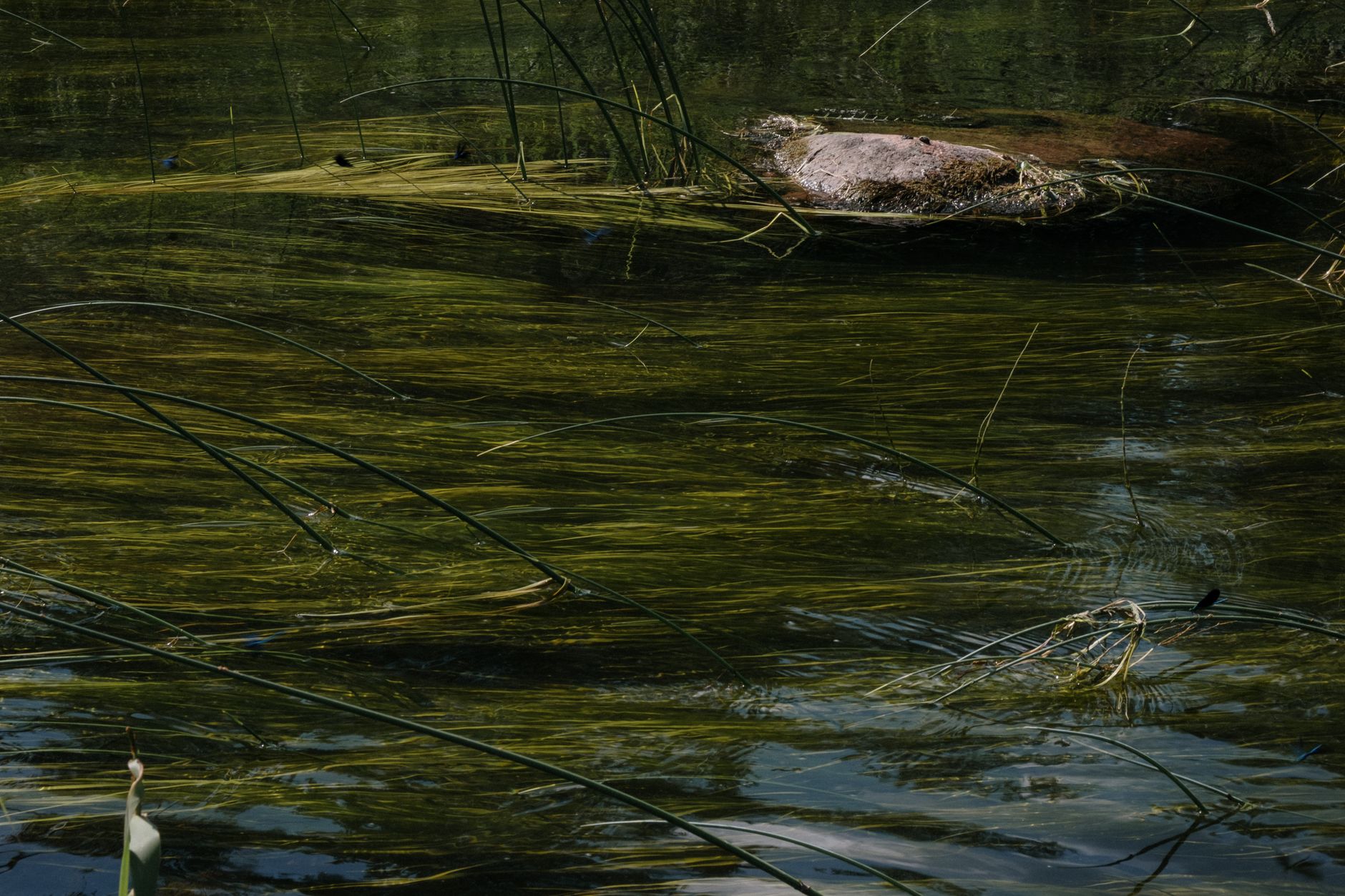
String algae, also known as hair algae, is a common nuisance in aquariums. It manifests as long, filamentous strands that cling to decorations, plants, and even the glass itself. While a small amount of algae can be beneficial, acting as a supplemental food source for some fish and invertebrates and contributing to oxygen production, an overgrowth can quickly become problematic. This overgrowth not only diminishes the aesthetic appeal of your aquarium but can also negatively impact the health of your aquatic inhabitants by depleting oxygen levels, interfering with plant growth, and even trapping smaller creatures. Understanding the root causes of string algae is the first step in effectively combating it.
How often do you need to clean the glass in an aquarium?
How do you buff aquarium glass?
What is the GREY African clawed frog?
Is distilled water good for goldfish?
Causes of String Algae Growth

String algae thrives in environments with an abundance of nutrients, especially phosphates and nitrates. These nutrients can originate from several sources:
- Overfeeding: Excess fish food decomposes, releasing phosphates and nitrates into the water.
- Tap Water: Some tap water contains naturally high levels of phosphates.
- Decaying Organic Matter: Dead leaves, uneaten food, and accumulated detritus all contribute to nutrient buildup.
- Insufficient Water Changes: Regular water changes help to dilute nutrient concentrations.
- Excessive Light: High light intensity or prolonged light exposure encourages algal growth.
How to Stop String Algae in Your Aquarium: A Multi-Pronged Approach
Successfully stopping string algae requires a combination of preventative measures and proactive solutions. Focusing on addressing the root causes rather than simply treating the symptoms is crucial for long-term success. Here’s a breakdown of the key strategies:
-
Nutrient Control:
- Reduce Feeding: Feed your fish only what they can consume in a few minutes. Avoid overfeeding.
- Regular Water Changes: Perform regular water changes (25-50% weekly or bi-weekly) to dilute nitrates and phosphates.
- Phosphate Removal: Use phosphate-absorbing resins or media in your filter.
- Nitrate Reduction: Consider adding live plants, which consume nitrates as they grow.
-
Optimize Lighting:
- Reduce Light Intensity: Dim the lights or use a light diffuser.
- Shorten Light Duration: Limit the photoperiod to 8-10 hours per day.
- Avoid Direct Sunlight: Place your aquarium away from direct sunlight.
-
Improve Water Circulation:
- Increase Flow Rate: Use a powerhead or wave maker to improve water circulation.
- Regularly Clean Filter: A clean filter provides better flow and removes debris that contributes to nutrient buildup.
-
Introduce Algae Eaters:
- Siamese Algae Eaters (SAEs): Highly effective at consuming string algae. Make sure they are genuine SAEs.
- Amano Shrimp: Excellent algae grazers, but may not tackle heavy infestations.
- Nerite Snails: Consume algae on hard surfaces.
-
Manual Removal:
- Use a Toothbrush or Algae Scraper: Manually remove string algae from decorations, plants, and the glass.
- Siphon Debris: Regularly siphon detritus from the substrate.
Potential Products for String Algae Control
While focusing on the strategies above is most critical, certain products can provide additional assistance.
| Product Type | Examples | Description | Considerations |
|---|---|---|---|
| Phosphate Removers | Seachem PhosGuard, API Phos-Zorb | Removes phosphate from the water column. | Monitor phosphate levels regularly to avoid over-depletion. |
| Algaecides (Use with Caution) | API AlgaeFix, Tetra Algae Control | Kills algae, but can harm invertebrates and plants if not used carefully. | Follow instructions precisely and monitor your tank inhabitants. |
| Carbon Source Dosing (e.g., Vodka Method) | Acetic Acid, Vodka | Encourages the growth of beneficial bacteria that consume nitrates. | Requires careful monitoring and adjustments to avoid overdosing. Should be used with extreme caution. |
- Important Note: Algaecides should be used as a last resort, as they can disrupt the delicate balance of your aquarium ecosystem. Always follow the manufacturer’s instructions carefully and monitor your tank inhabitants closely.
Common Mistakes to Avoid
- Overusing Algaecides: Relying solely on algaecides without addressing the underlying causes will only lead to recurring problems.
- Inconsistent Water Changes: Regular water changes are essential for maintaining water quality and preventing nutrient buildup.
- Introducing Too Many Algae Eaters Too Quickly: Overstocking with algae eaters can lead to starvation and further imbalance.
- Ignoring Underlying Issues: Not addressing the root causes of algae growth, such as overfeeding or poor water circulation, will only perpetuate the problem.
- Lack of Patience: It takes time to rebalance your aquarium ecosystem and eliminate string algae. Be patient and persistent with your efforts.
The Benefits of a String Algae-Free Aquarium
A string algae-free aquarium is not only visually appealing but also provides a healthier environment for your aquatic inhabitants. Clear water allows for better light penetration, which is crucial for the growth of live plants. Reduced nutrient levels minimize the risk of other algae blooms and create a more stable ecosystem. Ultimately, a well-maintained aquarium promotes the health, vitality, and longevity of your fish and invertebrates. Controlling string algae means more beautiful and thriving aquarium.
Frequently Asked Questions (FAQs)
What is the best way to manually remove string algae?
The best approach is to use a soft toothbrush or algae scraper to gently remove the algae from decorations, plants, and the glass. A siphon can then be used to remove the detached algae and other debris from the substrate. Repeat this process regularly to prevent regrowth.
Are algaecides safe for my fish and invertebrates?
Algaecides can be harmful to fish and invertebrates, especially if used incorrectly or in excess. Always follow the manufacturer’s instructions carefully and monitor your tank inhabitants for any signs of stress. Consider using natural methods first before resorting to algaecides.
How do I know if my tap water is causing the algae problem?
You can test your tap water for phosphate levels using a test kit. If your tap water contains high levels of phosphates, consider using a phosphate filter or RO/DI water for water changes.
How much light should I provide for my aquarium?
The ideal light duration and intensity depend on the types of plants you have in your aquarium. Generally, a photoperiod of 8-10 hours per day is sufficient for most freshwater aquariums. Monitor your plants for signs of light deficiency or excess.
What are the best algae eaters for a community tank?
Siamese Algae Eaters (SAEs), Amano shrimp, and Nerite snails are generally safe and effective algae eaters for community tanks. However, be sure to research the specific needs of each species to ensure they are compatible with your existing tank inhabitants. Be cautious of ‘Chinese Algae Eaters’ as they can become aggressive.
How long does it take to get rid of string algae?
The time it takes to eliminate string algae depends on the severity of the infestation and the effectiveness of your control methods. It can take several weeks or even months to completely eliminate the algae. Consistency and patience are key.
Can I use hydrogen peroxide to kill string algae?
Hydrogen peroxide can be used to kill string algae, but it should be used with caution. Dilute the hydrogen peroxide properly and add it directly to the affected areas. Monitor your tank inhabitants closely for any signs of stress.
What are the benefits of using live plants to control algae?
Live plants compete with algae for nutrients, helping to reduce algae growth. They also provide oxygen and create a more natural and aesthetically pleasing environment for your fish.
How often should I clean my aquarium filter?
You should clean your aquarium filter regularly, typically every 2-4 weeks. However, avoid cleaning the filter media too thoroughly, as this can disrupt the beneficial bacteria colony.
What is RO/DI water, and how can it help with algae control?
RO/DI water (Reverse Osmosis/Deionized water) is purified water that is free from contaminants, including phosphates and nitrates. Using RO/DI water for water changes can help to prevent nutrient buildup and reduce algae growth.
Is it possible to completely eliminate all algae from an aquarium?
While it is possible to significantly reduce algae growth, it is often difficult and unnecessary to completely eliminate all algae from an aquarium. A small amount of algae can be beneficial to the ecosystem. The goal is to control algae growth and maintain a healthy balance.
My fish are eating all the food before the algae eaters can get to the algae, how do I make sure they have enough?
Introduce algae eaters a few at a time, allowing them to establish themselves. You can also supplement their diet with algae wafers or blanched vegetables such as zucchini or spinach, particularly at night when the fish are less active. Observe to ensure algae eaters are consuming both introduced food and aquarium algae.