
How to Stop Your Dog from Reacting to Other Dogs: A Comprehensive Guide
Stop the aggression, barking, lunging, and stress! The most effective method to stop your dog from reacting to other dogs involves desensitization and counter-conditioning techniques, paired with consistent training and management strategies.

Understanding Canine Reactivity
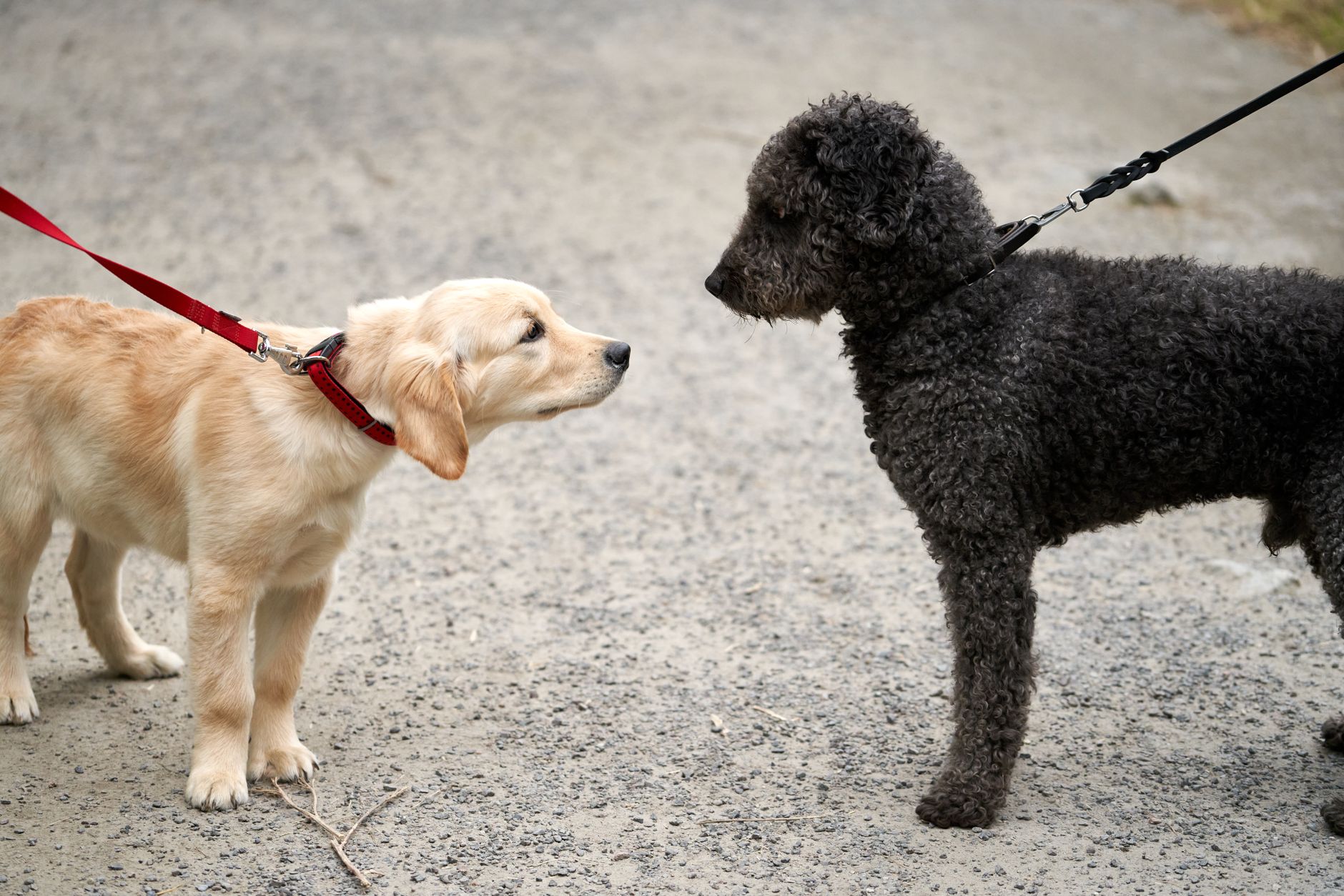
Canine reactivity is a common issue characterized by excessive or inappropriate reactions – such as barking, lunging, growling, or pulling on the leash – in response to specific stimuli, often other dogs. It’s important to understand that reactivity is not always aggression. It can stem from various underlying causes, including fear, anxiety, frustration, excitement, or a combination of these factors. Understanding the root cause is the first step in addressing the problem.
Identifying the Root Cause of Reactivity

Before implementing training strategies, determine why your dog is reacting. Common reasons include:
- Fear: The dog perceives the other dog as a threat.
- Frustration: The dog wants to greet the other dog but is restricted by the leash.
- Anxiety: The dog is generally anxious and reacts to perceived threats.
- Excitement: The dog is overly excited to see another dog.
- Learned Behavior: Past experiences have taught the dog that reacting gets results (e.g., the other dog goes away).
- Possessiveness: Protectiveness over the owner or territory.
Observing your dog’s body language before, during, and after a reaction can provide valuable clues. A fearful dog might tuck its tail, flatten its ears, or tremble, while a frustrated dog might whine, paw, or jump.
Desensitization and Counter-Conditioning (DS/CC)
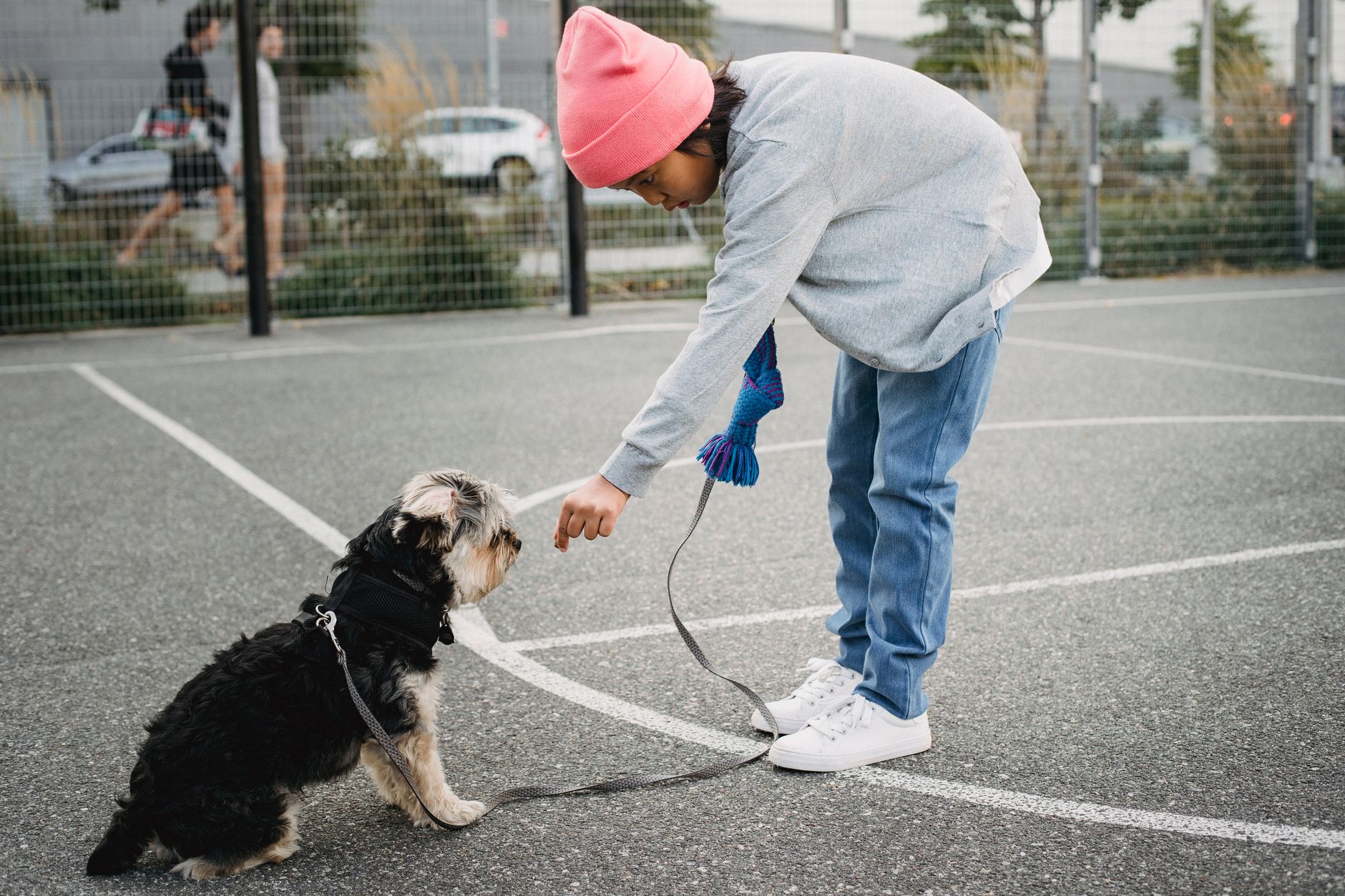
Desensitization and counter-conditioning (DS/CC) are the cornerstones of addressing reactivity. This process involves gradually exposing your dog to the trigger (other dogs) at a distance where they do not react and pairing the presence of the trigger with something positive, such as treats or praise.
Desensitization: Exposing your dog to the trigger (other dogs) at a low intensity (e.g., far distance) that doesn’t elicit a reaction.
Counter-Conditioning: Changing your dog’s emotional response to the trigger by associating it with something positive (e.g., treats).
The goal is to change your dog’s emotional response from negative (fear, anxiety, frustration) to positive (anticipation of treats, feeling safe).
Implementing a DS/CC Protocol
- Identify Your Dog’s Trigger Distance: Find the distance at which your dog notices another dog but doesn’t react. This is your starting point. This is crucial for how do I stop my dog from reacting to other dogs?
- Pair the Trigger with Positives: When another dog is within your dog’s trigger distance (but not close enough to cause a reaction), immediately start giving your dog high-value treats.
- Monitor Your Dog’s Body Language: Watch for signs of stress or anxiety. If your dog shows any signs of reactivity, increase the distance.
- Gradually Decrease the Distance: As your dog becomes more comfortable, slowly decrease the distance to the trigger, continuing to pair the presence of other dogs with positive reinforcement. Don’t rush the process.
- End on a Positive Note: Always finish training sessions when your dog is calm and successful.
Management Strategies
While working on DS/CC, effective management strategies are crucial to prevent further reactivity and ensure everyone’s safety.
- Avoid Trigger Situations: Avoid areas where you know there will be a lot of dogs, at least initially. Change your walking route or walk during off-peak hours.
- Use a Leash and Harness: A secure leash and harness can provide better control and prevent your dog from escaping if they react.
- Create Barriers: Use visual barriers, such as bushes or cars, to block your dog’s view of other dogs.
- Carry Treats: Always have high-value treats readily available to reward your dog for calm behavior.
Training Exercises
Complementing DS/CC with basic obedience training can significantly improve your dog’s overall behavior and responsiveness.
- “Look At That” (LAT) Game: Train your dog to look at other dogs and then immediately look back at you for a reward. This helps them associate other dogs with positive reinforcement.
- Focus Training: Teach your dog to focus on you on command, even in distracting environments. This can be a lifesaver when you encounter other dogs unexpectedly.
- Leave It: Train your dog to “leave it” when they see something they want, such as another dog.
- Recall: A reliable recall can allow you to remove your dog from a potentially reactive situation quickly.
Common Mistakes to Avoid
- Flooding: Exposing your dog to the trigger at too close of a distance, causing them to become overwhelmed and reactive. This will likely set you back and make the problem worse.
- Punishment: Punishing your dog for reacting will only increase their anxiety and fear, potentially making the reactivity worse.
- Inconsistency: Inconsistent training and management will confuse your dog and slow down progress.
- Rushing the Process: DS/CC takes time and patience. Don’t rush the process, and be prepared to adjust your approach as needed.
- Lack of Professional Guidance: Seeking guidance from a qualified dog trainer or behaviorist can provide personalized support and help you avoid common pitfalls. Understanding how do I stop my dog from reacting to other dogs? requires expert knowledge in some cases.
The Importance of Patience and Consistency
Addressing canine reactivity requires patience, consistency, and a positive attitude. It’s not a quick fix, and there will be setbacks along the way. Celebrate small successes and remember that every step forward is progress.
Benefits of Addressing Reactivity
Successfully addressing your dog’s reactivity has numerous benefits:
- Improved Quality of Life: Reduces stress and anxiety for both you and your dog.
- Safer Walks: Makes walks more enjoyable and less stressful.
- Stronger Bond: Strengthens the bond between you and your dog through positive training.
- Increased Socialization Opportunities: Allows you to participate in more dog-friendly activities.
Frequently Asked Questions (FAQs)
What is the difference between reactivity and aggression?
Reactivity is an overreaction to a stimulus, often stemming from fear, anxiety, or frustration, while aggression is behavior intended to cause harm. Reactivity can lead to aggression if not addressed, but it’s not always the case.
How long does it take to see results with DS/CC?
The time it takes to see results varies depending on the dog, the severity of the reactivity, and the consistency of the training. It can take weeks, months, or even years to see significant improvement. Patience is key.
Can I do DS/CC on my own, or do I need a professional?
While you can try DS/CC on your own, seeking guidance from a qualified dog trainer or behaviorist is highly recommended, especially if your dog’s reactivity is severe or you’re unsure where to start.
What are high-value treats?
High-value treats are treats that your dog finds incredibly appealing and is willing to work for. Examples include cooked chicken, cheese, or small pieces of steak. Experiment to find what motivates your dog the most.
What if my dog reacts to other dogs even at a distance?
If your dog reacts even at a distance, increase the distance further until you find a point where they remain calm. You may also need to start with less stimulating environments.
My dog is reactive on leash but not off-leash. Why?
Leash reactivity often stems from frustration or the feeling of being trapped. The leash restricts their ability to approach or escape, leading to an amplified reaction. Continue training and management techniques, even off-leash in safe, controlled areas.
What if other dog owners let their dogs approach my reactive dog?
This is a common and frustrating situation. Politely but firmly ask them to keep their dog away. You can say something like, “My dog is in training and doesn’t do well with other dogs approaching.” Advocating for your dog’s space is essential.
Is there medication that can help with reactivity?
In some cases, medication can help to reduce anxiety and make training more effective. Consult with your veterinarian or a veterinary behaviorist to discuss whether medication is appropriate for your dog.
How do I handle unexpected encounters with other dogs?
If you encounter another dog unexpectedly, try to create distance by moving to the side or turning around. Use a high-value treat to distract your dog and reward them for staying calm.
What if my dog’s reactivity is getting worse, not better?
If your dog’s reactivity is getting worse, re-evaluate your training approach and consult with a professional. You may need to adjust your protocol or identify underlying medical or behavioral issues.
Can reactivity ever be completely cured?
While reactivity may not always be completely cured, it can be significantly improved with consistent training and management. The goal is to help your dog learn to cope with their triggers in a calm and controlled manner.
How can I find a qualified dog trainer or behaviorist?
Ask your veterinarian for recommendations or search for certified professional dog trainers (CPDT-KA) or board-certified veterinary behaviorists (DACVB) in your area. Look for someone who uses positive reinforcement methods. This professional can provide invaluable insights into how do I stop my dog from reacting to other dogs?