
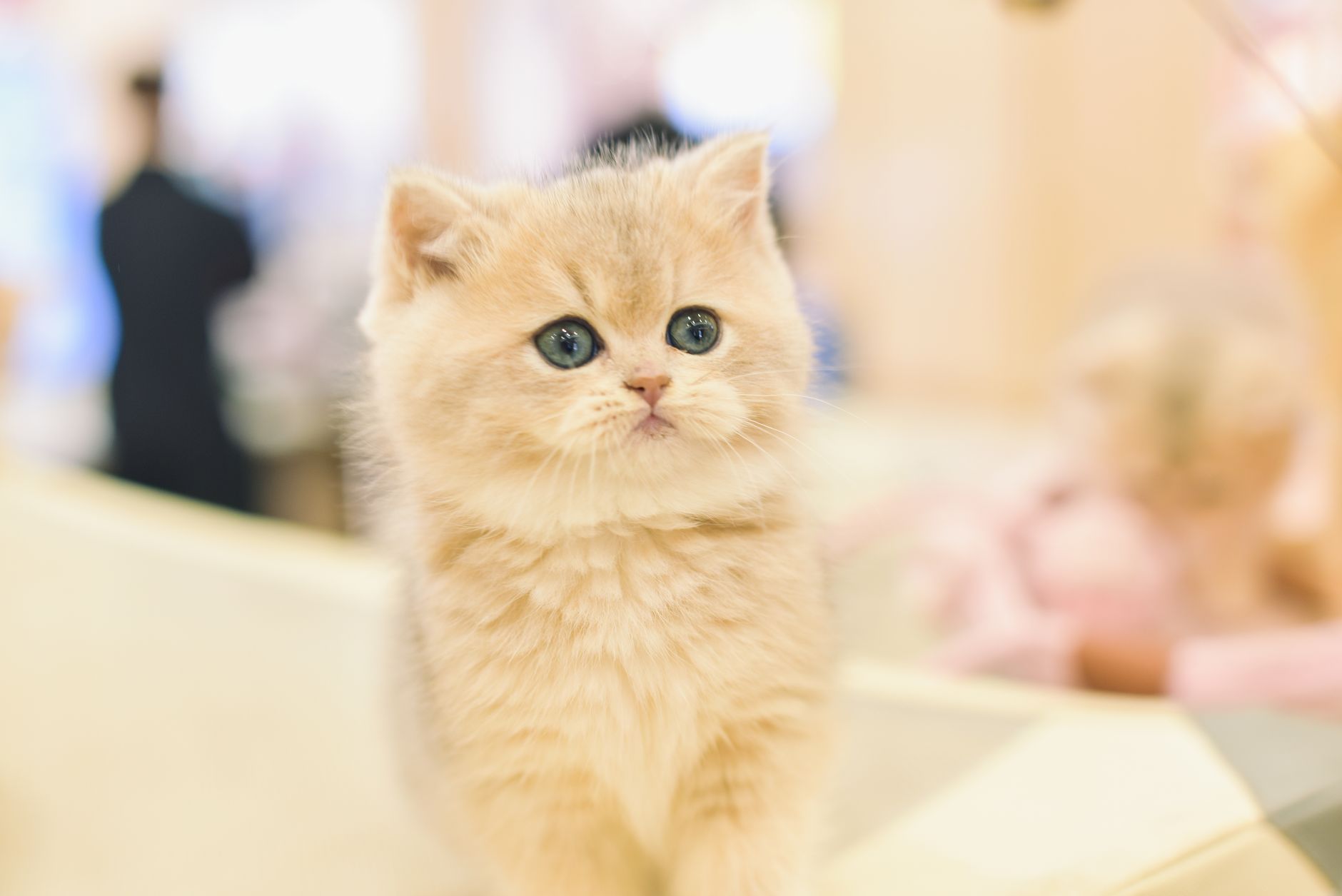
How to Verify Your Persian Cat’s Authenticity: Decoding the Breed
Discover the definitive ways to determine if your feline friend is a real Persian cat. This guide unveils the characteristics and lineage indicators that confirm your fluffy companion’s heritage.
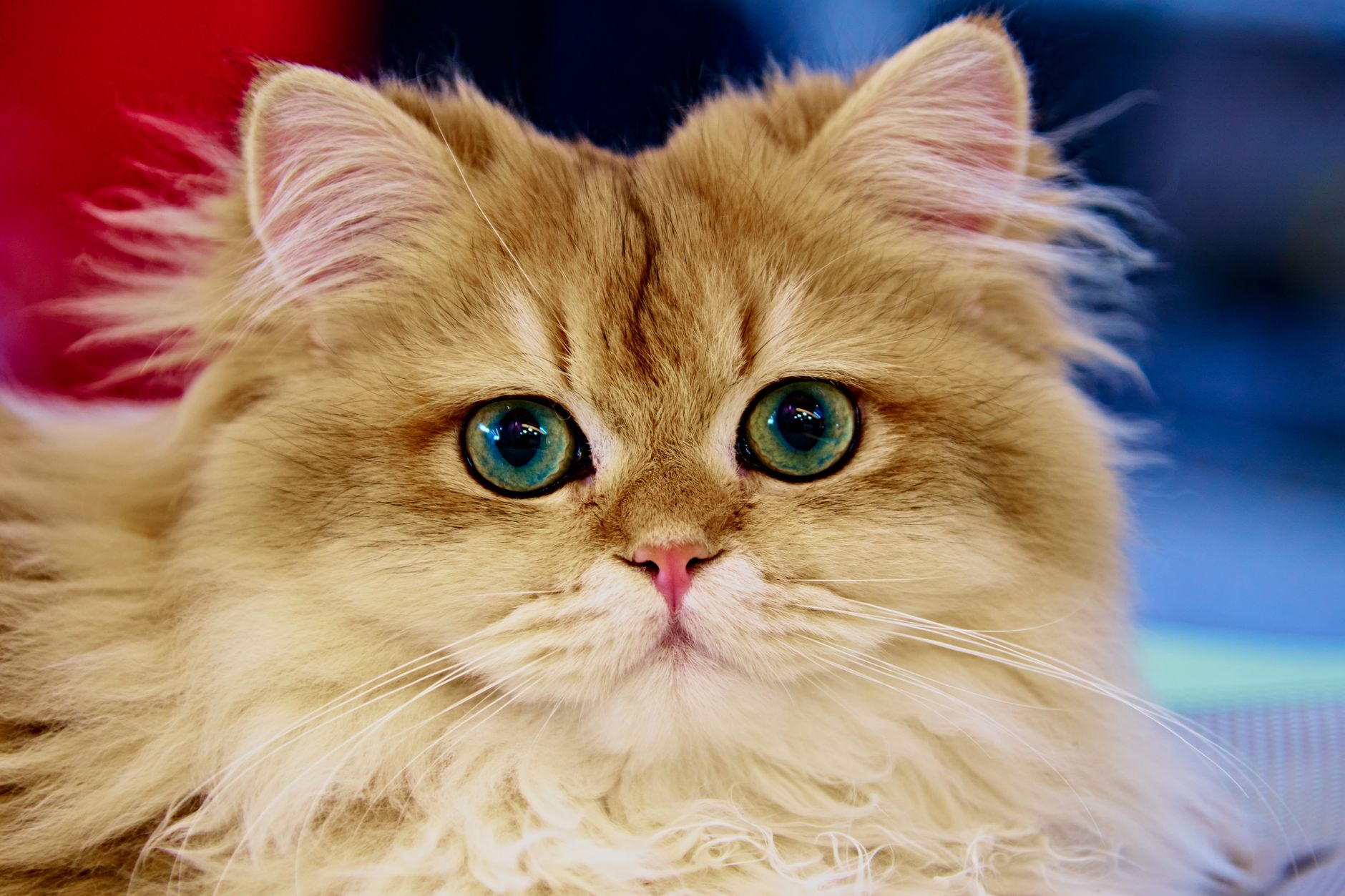
The Persian cat, with its luxurious coat and sweet disposition, is a beloved breed. But how can I tell if my Persian cat is real? Distinguishing a true Persian from a mixed breed requires a keen eye and knowledge of the breed’s defining traits. This comprehensive guide will help you navigate the nuances and confidently assess your cat’s authenticity.
Understanding the Persian Breed Standard
The Persian breed standard, as defined by organizations like the Cat Fanciers’ Association (CFA), provides a blueprint for what a purebred Persian should look like. Understanding these standards is crucial in your assessment.
- Head: Large, round, with a broad skull.
- Eyes: Large, round, and brilliant in color, often copper, blue, or odd-eyed (one of each color).
- Nose: Short, snub, and broad. The “peke-face” nose, while once common, is becoming less favored due to health concerns.
- Ears: Small, rounded, and set far apart.
- Body: Cobby (short, stocky, and round) with a broad chest and level back.
- Coat: Long, thick, and flowing, covering the entire body, including the legs and tail.
- Tail: Short and bushy.
- Legs: Short, thick, and strong.
Physical Characteristics to Look For
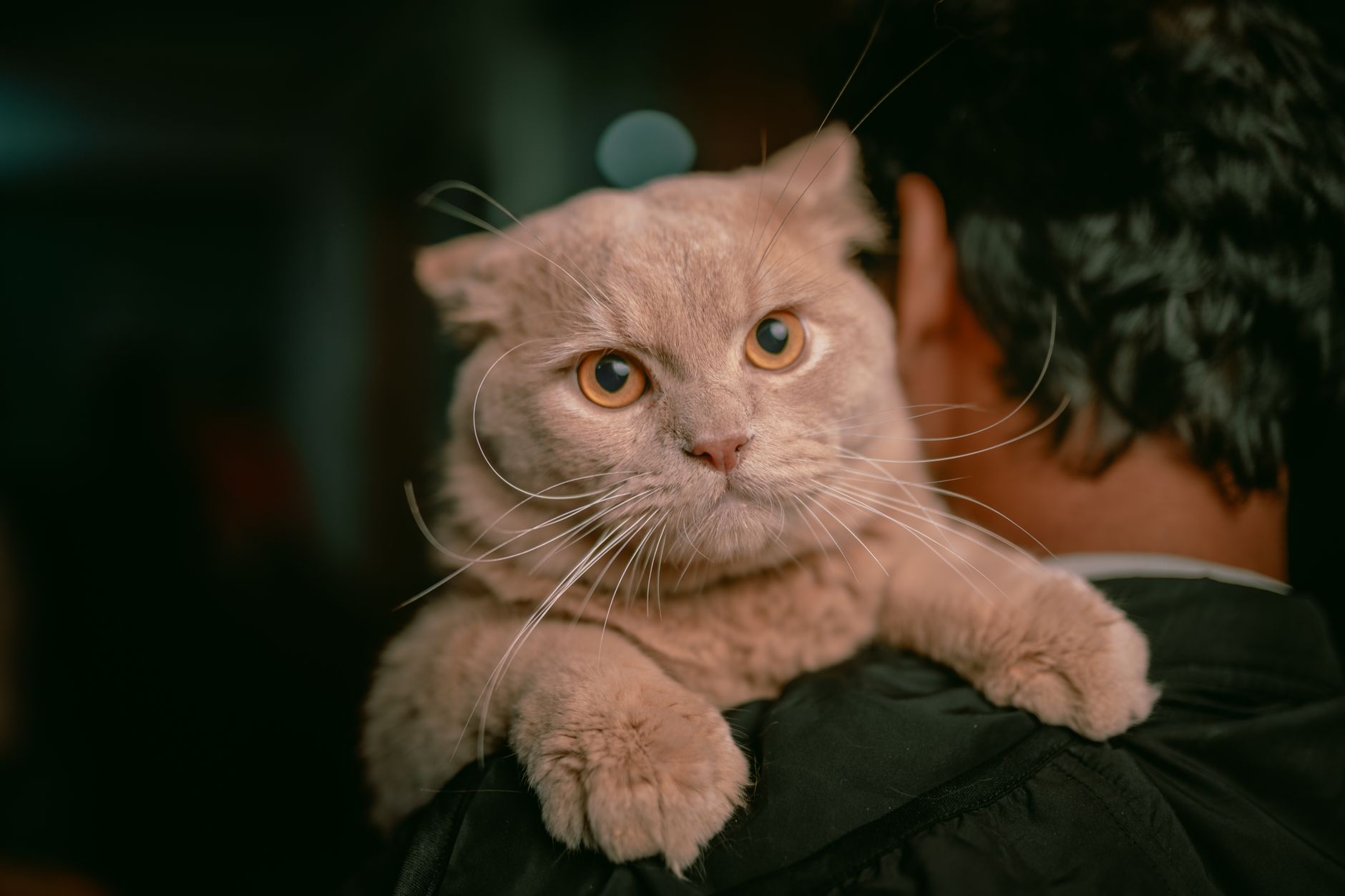
Several specific physical traits are hallmarks of the Persian breed. Examining these closely can offer valuable clues.
- Coat Texture and Length: A true Persian cat boasts a coat that is not only long but also thick and luxurious. The hair should feel soft and silky, not wiry or coarse.
- Facial Features: The flattened face (brachycephalic) is a defining feature. Look for a short, broad nose and round cheeks. However, be aware of potential respiratory issues associated with excessively flat faces.
- Eye Color and Shape: The large, round eyes are another key indicator. Persian cats can have various eye colors, including copper, blue, green, and odd-eyed.
- Body Conformation: The cobby body type is characteristic of the breed. This means a short, stocky build with a broad chest and level back.
Coat Colors and Patterns
While the Persian’s long coat is a defining trait, so are the various permissible colors and patterns. The CFA recognizes numerous colors, including:
- Solid: White, black, blue, red, cream, chocolate, and lilac.
- Silver and Golden: Chinchilla Silver, Shaded Silver, Chinchilla Golden, Shaded Golden.
- Tabby: Classic, mackerel, patched.
- Particolor: Tortoiseshell, calico.
- Bicolor: Combinations of white with another color.
- Himalayan: Pointed patterns with blue or chocolate points.
The Role of Pedigree and Documentation
The most reliable way to confirm your cat’s breed is through official documentation.
- Registration Papers: A true Persian should have registration papers from a recognized cat registry, such as the CFA or TICA (The International Cat Association).
- Pedigree Certificate: A pedigree certificate traces the cat’s lineage back several generations, verifying its purebred ancestry.
- Breeder Information: If you purchased your cat from a breeder, they should be able to provide documentation and answer any questions about the cat’s pedigree.
Genetic Testing
In recent years, genetic testing has become increasingly accessible and can offer conclusive evidence of a cat’s breed composition. Several companies offer DNA tests specifically designed for cats. These tests can identify the presence of Persian genetic markers and rule out other breeds.
Common Mistakes in Identifying Persians
It’s easy to misidentify a cat as a Persian, especially if it has long fur and a flattened face. Here are some common mistakes:
- Confusing Persians with Himalayans: Himalayans are a colorpoint variety of Persian, so while they are Persian, not all longhaired colorpoint cats are purebred. Look for the cobby body type and other Persian traits.
- Assuming any longhaired cat is a Persian: Many breeds have long fur, but Persians have a specific coat texture and facial structure.
- Relying solely on appearance: Without documentation or genetic testing, appearance alone is not enough to confirm breed authenticity.
| Feature | Persian Cat | Similar Breeds (e.g., Himalayan, Longhaired Mix) |
|---|---|---|
| Coat | Long, thick, silky | May be long but less dense or coarser |
| Face | Flattened, round | May be less flattened or more angular |
| Body Type | Cobby, stocky | May be more slender or athletic |
| Documentation | Registration papers, pedigree | Likely lacks official documentation |
The Importance of Responsible Breeding
When seeking a real Persian cat, it’s crucial to find a reputable breeder. Responsible breeders prioritize the health and well-being of their cats, performing genetic testing to screen for hereditary diseases and ensuring proper socialization. They also adhere to ethical breeding practices and provide potential buyers with full transparency regarding the cat’s lineage.

Frequently Asked Questions (FAQs)
How can I tell if my Persian kitten is real?
While kittens can be harder to assess than adult cats, look for the early development of key Persian traits: a relatively flat face, round head, and fluffy coat starting to develop. Check if the breeder has registration information on the parents. A responsible breeder will be able to show that at least the kitten’s parents and grandparents are officially registered as Persian cats, lending more support that you have an authentic animal.
What if my cat looks like a Persian but doesn’t have papers?
If your cat resembles a Persian but lacks documentation, it may be a mix. Without papers, it’s impossible to definitively say it’s a purebred Persian. Genetic testing might offer some insight, but it won’t replace official registration.
Can a Persian cat have a long nose?
Traditionally, Persians are known for their snub noses. However, some Persians might have a slightly longer nose, especially those bred to avoid the extreme brachycephalic features that can cause breathing problems. Focus on other breed characteristics in conjunction with the nose length.
Do all Persian cats shed a lot?
Yes, Persian cats are heavy shedders. Their long, dense coat requires regular grooming to prevent matting and reduce shedding. Be prepared for daily brushing and occasional professional grooming.
What are the common health problems in Persian cats?
Persians are prone to certain health issues, including polycystic kidney disease (PKD), progressive retinal atrophy (PRA), and brachycephalic airway syndrome (BAS). Reputable breeders screen for these conditions.
Is genetic testing reliable for determining breed?
Genetic testing can be a useful tool, but it’s not foolproof. Some tests may not be comprehensive enough to detect all Persian genetic markers, and the results should be interpreted with caution. Look for comprehensive tests offered by companies that have long history and good customer reviews.
How much does a real Persian cat typically cost?
The price of a Persian cat varies depending on factors such as pedigree, breeder reputation, and coat color. Expect to pay anywhere from $1,000 to $5,000 for a well-bred Persian kitten.
What is the difference between a Persian and a doll-face Persian?
The term “doll-face Persian” refers to Persians with a less extreme facial structure, sometimes described as more “old-fashioned.” While they are still Persians, they have a less flattened face than the “peke-face” type.
How often should I bathe my Persian cat?
Persian cats benefit from regular bathing, typically every 1-2 weeks, to maintain their coat’s cleanliness and prevent matting. Use a cat-specific shampoo and be sure to rinse thoroughly.
What is the best food for a Persian cat?
Choose a high-quality cat food that is specifically formulated for longhaired breeds. Look for ingredients that promote healthy skin and coat, such as omega-3 and omega-6 fatty acids.
How do I groom a Persian cat’s coat properly?
Daily brushing is essential to prevent mats and tangles. Use a stainless-steel comb and slicker brush to remove loose hair and debris. Pay special attention to the areas around the ears, legs, and tail, where mats are most likely to form.
Can I show my Persian cat if it doesn’t have perfect features?
While cats shown in CFA or TICA competitions should closely adhere to the breed standard, your Persian can still be a beloved and cherished companion even if it doesn’t have “perfect” features. Many owners simply want loving pets and don’t require their animals to be show-quality.
By carefully considering these factors and consulting with reputable breeders or veterinarians, you can confidently determine if your feline friend is a true Persian cat and provide them with the love and care they deserve.