

How Epaulette Sharks Conquer Terrestrial Territory: A Tale of Aquatic Adaptation
Epaulette sharks survive out of water by slowing their breathing and metabolic rates, and effectively shutting down non-essential functions, allowing them to endure periods of oxygen deprivation and navigate shallow, intertidal environments in search of food or escape predators; this remarkable adaptation allows them to be exceptionally resilient in challenging coastal habitats.
Introduction: The Walking Shark Phenomenon
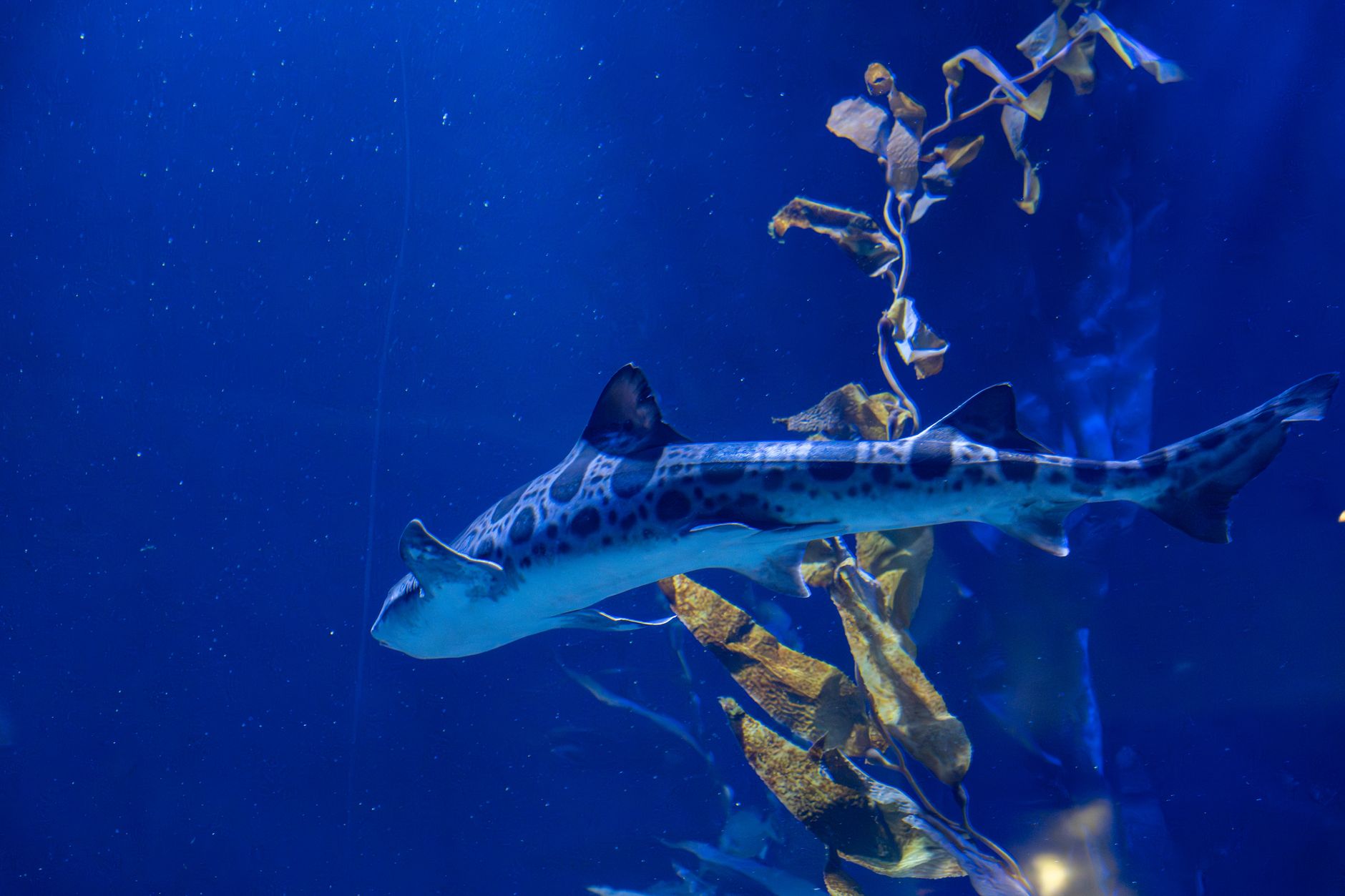
The epaulette shark ( Hemiscyllium ocellatum ) isn’t your typical deep-sea predator. These small, slender sharks, found primarily in the shallow reefs of Australia, New Guinea, and Indonesia, possess an extraordinary ability: they can “walk” out of water. This seemingly improbable feat allows them to exploit resources and survive in environments that would be uninhabitable for most other sharks. But how do epaulette sharks survive out of water? It is a combination of physiological adaptations and behavioral strategies honed over millennia. This article will delve into the science behind this remarkable adaptation.
Can fish hear water?
How do I add oxygen to my goldfish water?
Do carbon filters remove water hardness?
What is the GREY African clawed frog?
The Shallow Reef Environment: A Driving Force for Evolution

Epaulette sharks inhabit dynamic intertidal zones. This means they frequently experience periods of tidal retreat, leaving them stranded in shallow pools or exposed reefs. This creates an evolutionary pressure to develop strategies for surviving in these challenging conditions. Unlike larger, pelagic sharks, which rely on constant swimming for respiration, epaulette sharks have adapted to tolerate fluctuating oxygen levels and the possibility of extended periods out of water.
The Walking Mechanism: More Than Just Fins
The term “walking shark” can be misleading. They don’t stroll along the reef in the same way humans walk. Instead, they use their strong, muscular pectoral and pelvic fins to propel themselves across the substrate. The movement is more akin to a clumsy crawl or a coordinated series of hops, allowing them to navigate over rocks and coral.
Here are key features that facilitate this movement:
- Strong, Muscular Fins: Epaulette sharks have particularly robust fins compared to other small shark species.
- Flexible Body: A flexible body allows them to contort and navigate uneven surfaces.
- Coordinated Movements: The alternating movements of their pectoral and pelvic fins provide propulsion.
Physiological Adaptations: The Key to Survival
The ability to “walk” is only one part of the survival equation. How do epaulette sharks survive out of water on a physiological level? The real magic lies in their ability to withstand hypoxia (low oxygen) and changes in their internal environment.
- Metabolic Suppression: When out of water, epaulette sharks dramatically reduce their metabolic rate. This lowers their oxygen demand and allows them to conserve energy.
- Oxygen Deprivation Tolerance: They possess a remarkable ability to tolerate low oxygen levels in their blood and tissues. Their brains are particularly resilient to hypoxia.
- Anaerobic Metabolism: They can switch to anaerobic metabolism for short periods. This allows them to generate energy without oxygen, but it’s not sustainable for long durations.
- Reduced Heart Rate: Their heart rate slows down significantly, further reducing oxygen consumption.
The Brain’s Resilience: A Vital Component
The brain is one of the most oxygen-demanding organs in the body. The epaulette shark’s brain has developed specific adaptations to survive periods of oxygen deprivation. Research suggests that they have mechanisms for protecting brain cells from damage caused by hypoxia, potentially involving the upregulation of protective proteins or the downregulation of energy-intensive processes.
Benefits of Terrestrial Excursions
Venturing out of water, despite the risks, offers several potential benefits for epaulette sharks.
- Prey Acquisition: They can access prey items in shallow pools or on exposed reefs that are unavailable to other aquatic predators. They feed on small invertebrates like crabs and worms.
- Predator Avoidance: Stranding can offer an escape route from larger predators.
- Territorial Expansion: It allows them to explore new territories and potentially establish new home ranges.
Risks and Limitations
While epaulette sharks are adept at surviving out of water, it’s not without risk.
- Desiccation: Exposure to air can lead to dehydration.
- Increased Predation Risk: While they may escape aquatic predators, they become more vulnerable to terrestrial predators such as birds.
- Limited Mobility: Their “walking” is slow and cumbersome, making them vulnerable.
Conservation Concerns
Despite their remarkable adaptations, epaulette sharks face threats from habitat destruction, pollution, and climate change. Rising sea temperatures and ocean acidification can negatively impact their coral reef habitats. Their limited geographic range also makes them vulnerable to localized threats. Conservation efforts are crucial to ensure the survival of these fascinating creatures.
Comparing Adaptations: Other “Walking” Fish
While epaulette sharks are perhaps the most well-known “walking” fish, other species exhibit similar behaviors. Mudskippers, for example, are amphibious fish that spend significant time out of water. They have evolved specialized pectoral fins and respiratory adaptations that allow them to thrive in intertidal environments.
| Feature | Epaulette Shark | Mudskipper |
|---|---|---|
| Locomotion | Modified pectoral/pelvic fins | Modified pectoral fins |
| Respiration | Reduced metabolism, hypoxia tolerance | Skin respiration, gill chambers |
| Habitat | Coral reefs | Mudflats |
Frequently Asked Questions about Epaulette Sharks
How long can epaulette sharks survive out of water?
Epaulette sharks can survive for up to two hours out of water, although the exact duration depends on factors such as temperature, humidity, and their overall health. This remarkable ability is due to their physiological adaptations for tolerating low oxygen levels.
Do epaulette sharks breathe air directly?
No, epaulette sharks don’t breathe air directly. Instead, they rely on their gills to extract oxygen from the water. However, their ability to reduce their oxygen consumption allows them to survive periods when they are unable to access water.
Are epaulette sharks dangerous to humans?
Epaulette sharks are completely harmless to humans. They are small, docile creatures that pose no threat. They are popular attractions for divers and snorkelers.
What do epaulette sharks eat?
Epaulette sharks are opportunistic feeders, primarily consuming small invertebrates such as crabs, shrimp, worms, and small fish. They use their small mouths and sharp teeth to grasp and crush their prey.
Where do epaulette sharks live?
Epaulette sharks are found in the shallow coral reefs of Australia, New Guinea, and Indonesia. They are primarily nocturnal and are often found hiding in crevices and under rocks during the day.
What is the conservation status of epaulette sharks?
The conservation status of epaulette sharks is currently listed as Least Concern by the International Union for Conservation of Nature (IUCN). However, they face threats from habitat destruction and climate change.
How do epaulette sharks find their way back to water?
While the exact mechanisms are still being studied, it’s believed that epaulette sharks use a combination of visual cues (such as the direction of the shoreline) and sensory perception to navigate their way back to the water.
Can epaulette sharks survive in freshwater?
No, epaulette sharks are strictly marine animals and cannot survive in freshwater. Their bodies are adapted to the salinity of seawater.
What is the scientific name of the epaulette shark?
The scientific name of the epaulette shark is Hemiscyllium ocellatum.
How big do epaulette sharks get?
Epaulette sharks are relatively small, typically reaching a maximum length of around 1 meter (3.3 feet).
Do epaulette sharks lay eggs or give birth to live young?
Epaulette sharks are oviparous, meaning they lay eggs. The eggs are encased in a tough, leathery capsule and are typically attached to coral or seaweed.
What makes epaulette sharks unique compared to other sharks?
The combination of their “walking” behavior, tolerance to hypoxia, and small size makes epaulette sharks a truly unique and fascinating group of sharks. How do epaulette sharks survive out of water? Their remarkable adaptations allow them to thrive in a challenging environment. This adaptation separates them from most of their taxonomic relatives.