

How Deep Underground Do Groundhogs Live? Unveiling the Burrowing Habits of Marmota monax
Groundhogs typically burrow to depths of 3 to 6 feet underground, though their complex tunnel systems can extend much further horizontally and include multiple levels. These intricate burrows provide shelter, protection, and a place to rear their young.

Groundhogs, also known as woodchucks (Marmota monax), are fascinating creatures renowned for their digging prowess. Their burrowing behavior is essential to their survival, providing them with shelter from predators, harsh weather conditions, and a safe haven for hibernation and raising their young. Understanding how deep underground do groundhogs live? requires exploring the structure of their burrows, the purpose of their digging, and the factors influencing their burrowing depth.
The Groundhog’s Architectural Masterpiece: The Burrow System
Groundhog burrows are far from simple holes in the ground. They are complex networks of tunnels and chambers that serve multiple purposes. These burrows typically consist of:
- Main Entrance: The most visible opening, often located in open fields or along the edge of wooded areas.
- Escape Tunnels: Several smaller, hidden entrances and exits designed for quick escape from predators.
- Nesting Chamber: A larger, insulated chamber used for sleeping, hibernation, and raising young. This is often the deepest part of the burrow.
- Latrine Chamber: A designated area for waste disposal, helping to keep the main living areas clean.
- Tunnel Network: A series of interconnected tunnels linking all the chambers.
The complexity and size of a groundhog burrow can vary depending on factors such as the age of the groundhog, the soil type, and the availability of resources. Older groundhogs tend to construct larger and more elaborate burrows than younger ones.

What is the GREY African clawed frog?
Is distilled water good for goldfish?
What colours are fish most attracted to?
Can you put your finger in a trout's mouth?
The Purpose of Digging: More Than Just a Home
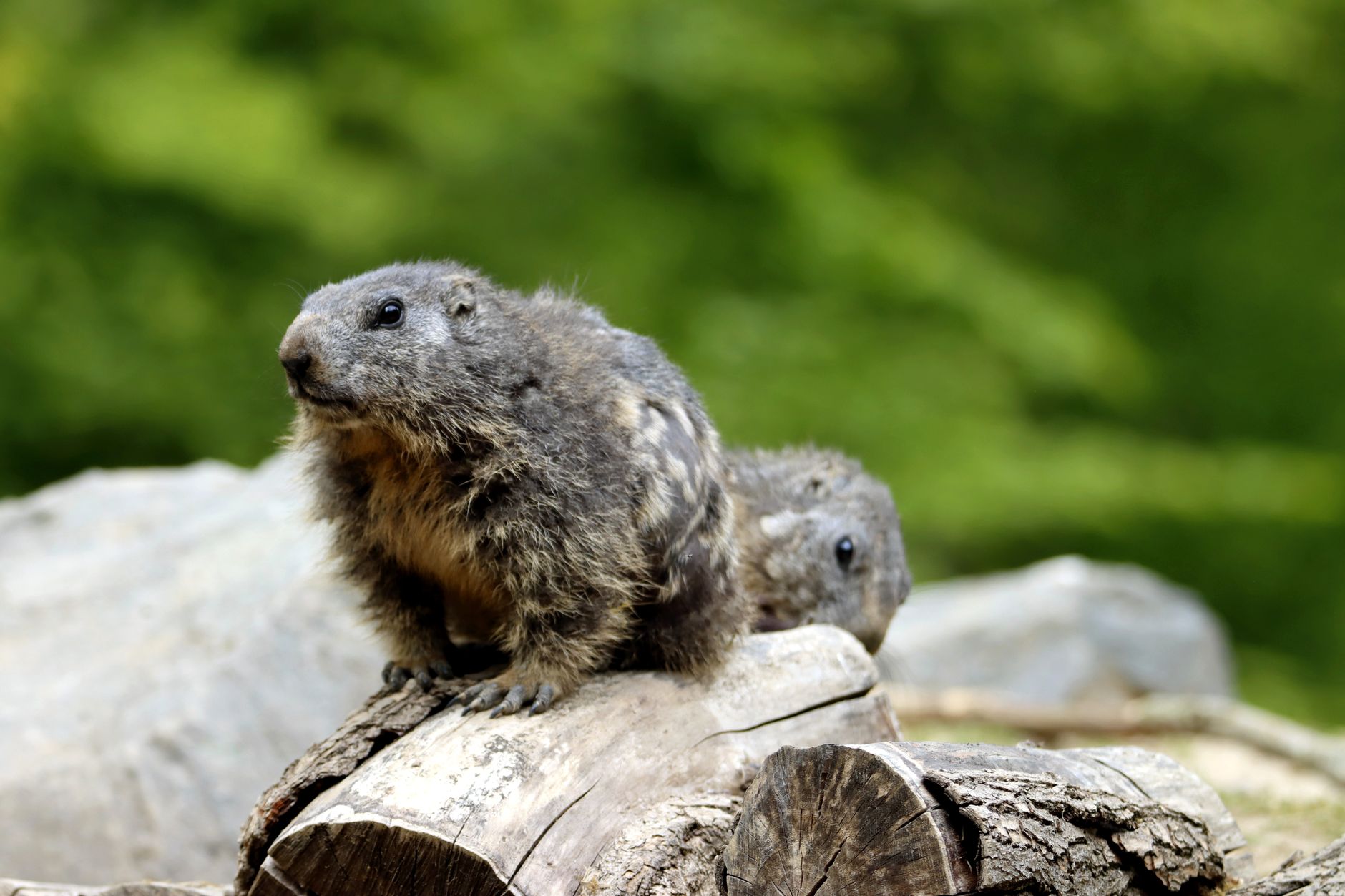
Groundhogs dig for several key reasons:
- Shelter: Burrows provide protection from extreme weather conditions, such as heat, cold, rain, and snow.
- Predator Avoidance: Groundhogs are vulnerable to predators like foxes, coyotes, and hawks. Burrows offer a safe haven from these threats.
- Hibernation: Groundhogs hibernate during the winter months. Their burrows provide a stable and insulated environment for this period of dormancy.
- Reproduction: Groundhogs raise their young in the safety and security of their burrows.
How deep underground do groundhogs live? Often depends on the function of that particular section of the burrow system.
Factors Influencing Burrow Depth
Several factors influence how deep underground do groundhogs live?. These include:
- Soil Type: Groundhogs prefer well-drained soils that are easy to dig. They may dig deeper in sandy soils to reach stable ground, while they may stay closer to the surface in clay soils that are more difficult to excavate.
- Climate: In colder climates, groundhogs tend to dig deeper to escape the freezing temperatures and frost line.
- Predator Pressure: In areas with high predator populations, groundhogs may dig deeper and create more escape tunnels for added protection.
- Age of the Groundhog: Older groundhogs tend to build larger and more complex burrows, which may extend deeper than those of younger groundhogs.
| Factor | Influence on Burrow Depth |
|---|---|
| Soil Type | Deeper in sandy soils, shallower in clay soils |
| Climate | Deeper in colder climates, shallower in warmer climates |
| Predator Pressure | Deeper with higher predator populations |
| Groundhog Age | Older groundhogs build deeper, more complex burrows |
Groundhogs as Ecosystem Engineers
While groundhogs can sometimes be considered pests due to their burrowing activities in gardens and agricultural fields, they also play an important role in the ecosystem. Their digging activities help to aerate the soil, improve drainage, and create habitat for other animals. Abandoned groundhog burrows can be used by other species, such as rabbits, foxes, and snakes, providing them with shelter and refuge.
The Surprising Length of Groundhog Tunnels
While the answer to How deep underground do groundhogs live? is typically 3-6 feet, it’s important to note that their tunnel systems can extend for considerable horizontal distances. A single groundhog burrow can have tunnels that stretch from 20 to 50 feet or even more. This vast network of tunnels provides the groundhog with ample space to move around, store food, and escape from danger.
Frequently Asked Questions (FAQs)
How long does it take a groundhog to dig a burrow?
It can take a groundhog several days to weeks to complete a burrow, depending on the soil type, the complexity of the burrow, and the groundhog’s experience. They typically start by digging a main entrance and then gradually expand the tunnel system, creating chambers and escape routes.
Do groundhogs live alone or in groups?
Groundhogs are generally solitary animals, except during mating season and when raising their young. They typically live alone in their burrows, defending their territory from other groundhogs. However, they may tolerate other groundhogs nearby if resources are abundant.
What is the purpose of the latrine chamber in a groundhog burrow?
The latrine chamber serves as a designated area for waste disposal. This helps to keep the main living areas of the burrow clean and hygienic, reducing the risk of disease. It is a crucial aspect of their burrow maintenance.
Do groundhogs use the same burrow year after year?
Groundhogs may use the same burrow for several years, especially if it provides good protection and resources. However, they may also abandon a burrow and dig a new one, particularly if the existing burrow becomes infested with parasites or if the surrounding area becomes disturbed.
How can I tell if I have a groundhog burrow on my property?
Signs of a groundhog burrow include a large hole in the ground (typically 8-12 inches in diameter), a mound of freshly excavated soil near the entrance, and visible groundhog activity, such as tracks or droppings.
What do groundhogs eat?
Groundhogs are herbivores and primarily eat grasses, clover, leaves, fruits, and vegetables. They are opportunistic feeders and will consume whatever is available in their environment. This can sometimes lead them to become pests in gardens and agricultural fields.
How long do groundhogs hibernate?
Groundhogs typically hibernate for 3 to 6 months, depending on the climate. They enter a state of torpor, during which their body temperature drops, their heart rate slows, and their breathing becomes shallow. They survive on stored fat reserves during this period.
Are groundhogs active during the day or at night?
Groundhogs are primarily diurnal animals, meaning they are most active during the day. They typically emerge from their burrows in the morning to forage for food and then return to their burrows in the evening to sleep.
What predators do groundhogs have?
Groundhogs are vulnerable to a variety of predators, including foxes, coyotes, hawks, owls, and snakes. They rely on their burrows and their quick reflexes to escape from these threats.
Can groundhogs climb trees?
While not natural climbers, groundhogs can climb trees if necessary, especially younger individuals. This is usually to escape predators or to reach food sources.
Are groundhogs protected by law?
Groundhog protection varies by region. They are generally not considered endangered or threatened, and in many areas, they are classified as nuisance animals. Check your local regulations regarding groundhog control and removal.
How do groundhogs contribute to the ecosystem?
Groundhogs contribute to the ecosystem by aerating the soil through their digging activities, improving drainage, and creating habitat for other animals. Their abandoned burrows can be used by a variety of other species, providing them with shelter and refuge. Therefore, even considering How deep underground do groundhogs live?, their impact on the ecosystem is significant.