
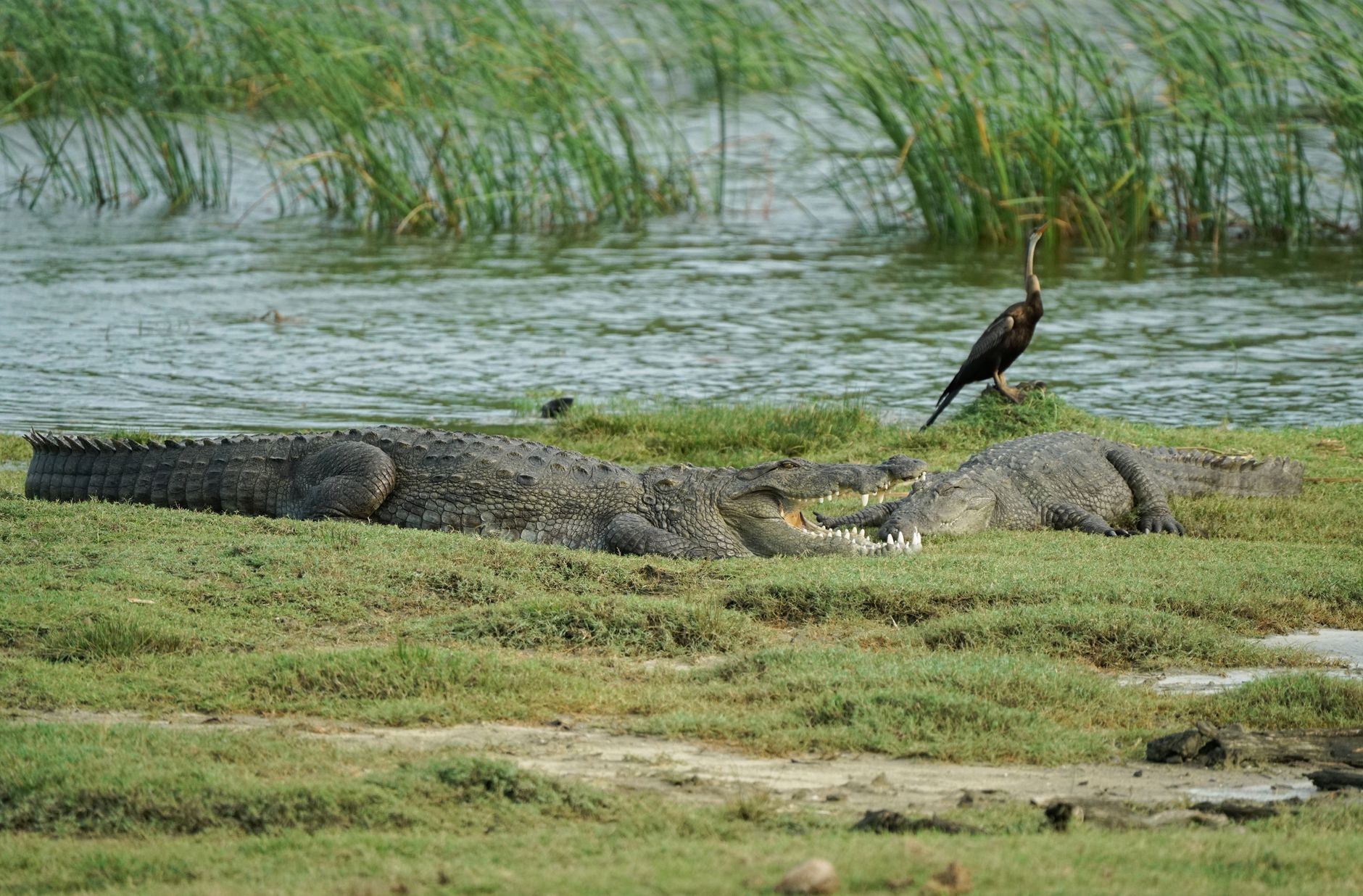
Have Crocodiles Eaten Lions? A Deep Dive into Predator Interactions
While exceptionally rare and not systematically documented, the answer to “Have crocodiles eaten lions?” is a qualified yes. While lions don’t form a significant part of a crocodile’s diet, opportunistic predation on weaker, injured, or very young lions is possible, especially where habitat overlap occurs.
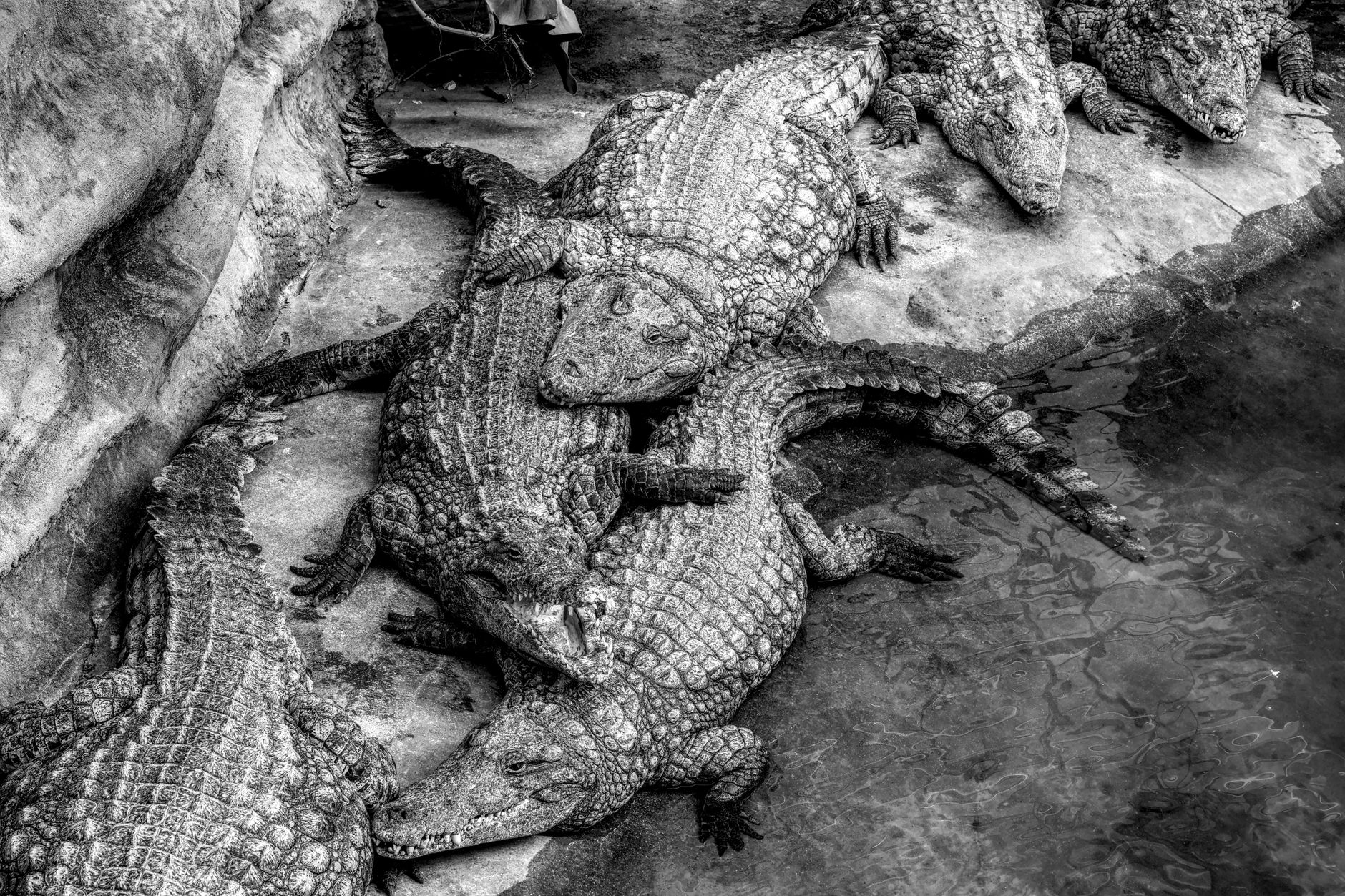
Introduction: The Apex Predators and Their Domain
The African savanna is a stage for constant drama, a theatre where life and death are intertwined in the dance of predator and prey. Two of its most iconic players are the African lion (Panthera leo) and the Nile crocodile (Crocodylus niloticus). These apex predators typically occupy distinct ecological niches, but their ranges sometimes overlap, particularly around watering holes and rivers. This raises a fascinating and sometimes unsettling question: Have crocodiles eaten lions?

Do all amphibians have eyelids?
Why do cuttlefish have W-shaped eyes?
Do all snakes have poison in them?
What is the GREY African clawed frog?
Habitat Overlap and Potential Conflict

The likelihood of interactions between these animals depends heavily on geographic location. Lions primarily inhabit grasslands and savannas, while Nile crocodiles prefer freshwater habitats like rivers, lakes, and swamps. Areas where these environments intersect – for instance, near river crossings used by lion prides – present the greatest opportunity for conflict. These areas become potential flashpoints where the food chain, although usually favoring the lion, can be reversed.
Lion Vulnerability and Crocodile Opportunity
Adult, healthy lions generally have little to fear from crocodiles. They are powerful, social animals that can easily dispatch a single crocodile. However, certain scenarios can increase lion vulnerability:
- Young cubs: Lion cubs, especially when separated from the pride, are vulnerable to many predators, including crocodiles.
- Weakened or injured lions: Lions weakened by injury, disease, or old age may be unable to defend themselves effectively against a crocodile attack.
- River crossings: While crossing rivers, lions are at their most vulnerable. A crocodile lurking beneath the surface can launch a surprise attack.
- Drought Conditions: During prolonged droughts, lions and crocodiles compete for limited water resources, increasing the chances of encounters.
Evidence: Anecdotal Accounts and Scientific Observation
Direct, scientifically documented cases of Nile crocodiles preying on lions are exceptionally rare. However, anecdotal reports from safari guides, local communities, and experienced wildlife observers suggest that it has happened, primarily involving young or weakened lions. Furthermore, crocodile diets often include a wide variety of animals, including large mammals. Given the opportunity and suitable circumstances, a crocodile could undoubtedly prey on a lion. The key lies in the combination of opportunity and vulnerability. While lions eating crocodiles is far more common, it is not an absolute certainty the inverse never occurs.
Lions Eating Crocodiles: A More Common Scenario
While our focus is on Have crocodiles eaten lions?, it’s important to acknowledge that lions are much more likely to prey on crocodiles, especially smaller ones. Lions have been observed killing and consuming crocodiles, particularly along riverbanks. Here’s a quick comparison:
| Feature | Lions Eating Crocodiles | Crocodiles Eating Lions |
|---|---|---|
| Frequency | Relatively more common | Extremely rare |
| Prey Size | Often smaller crocodiles | Cubs, weakened adults |
| Location | Riverbanks, near water sources | Water bodies, river crossings |
| Predatory Advantage | Lions have superior strength and social hunting skills | Crocodiles have the element of surprise in water |
Conclusion: A Complex Interaction in the Wild
The question “Have crocodiles eaten lions?” reveals a glimpse into the intricate dynamics of the African savanna. While lions are generally dominant, the potential for crocodiles to prey on them exists, particularly under specific circumstances. These rare events underscore the unpredictability and constant struggle for survival that defines the natural world.
Frequently Asked Questions (FAQs)
What is the typical diet of a Nile crocodile?
Nile crocodiles are opportunistic predators with a remarkably varied diet. They consume fish, birds, reptiles (including smaller crocodiles), and mammals of all sizes, from small rodents to large herbivores like wildebeest and zebras. They are ambush predators, lying in wait for prey to approach the water’s edge.
How big do Nile crocodiles get?
Nile crocodiles are among the largest living reptiles. Males can reach lengths of up to 5 meters (16 feet) or more, and weigh over 750 kg (1,650 lbs). Their size and powerful bite make them formidable predators.
Are lions afraid of crocodiles?
While lions aren’t necessarily afraid of crocodiles, they are cautious around them, especially near water sources. A healthy, adult lion in a pride is unlikely to fear a crocodile, but a lone lion or a pride with cubs will be more wary.
What is the most common predator of lions?
Adult lions, especially in a pride, have few natural predators besides other lions. Human activities, such as habitat loss and hunting, pose the most significant threat to lion populations. Lion cubs, however, are vulnerable to a range of predators, including hyenas, leopards, and occasionally, crocodiles.
How do lions and crocodiles coexist in the same habitat?
Lions and crocodiles largely coexist by occupying different ecological niches. Lions primarily hunt on land, while crocodiles are aquatic predators. They also have different social structures, with lions living in prides and crocodiles being primarily solitary. However, competition for resources, particularly during dry seasons, can lead to conflict.
What is the bite force of a Nile crocodile?
The Nile crocodile possesses one of the strongest bite forces of any animal on Earth. It is estimated to be around 3,700 PSI (pounds per square inch), which is more than enough to crush bone and inflict fatal injuries.
What is the average lifespan of a Nile crocodile?
Nile crocodiles can live for a very long time. In the wild, they typically live for 70-100 years, and some individuals may live even longer.
How do lions defend themselves against crocodiles?
Lions typically use their strength and numbers to defend themselves against crocodiles. A pride of lions can easily overwhelm a single crocodile, especially on land. They use their sharp claws and teeth to inflict serious injuries.
Are there any documented cases of crocodiles attacking other big cats, like leopards?
Yes, while rare, there are documented cases of crocodiles attacking and killing leopards, especially when they venture too close to the water’s edge. Leopards, like lions, are vulnerable to crocodile attacks when crossing rivers or drinking water.
What role do lions and crocodiles play in the ecosystem?
Both lions and crocodiles play crucial roles in their ecosystems as apex predators. They help to regulate populations of other animals, preventing overgrazing and maintaining ecological balance. They also scavenge on carcasses, contributing to nutrient cycling.
Can climate change affect the interactions between lions and crocodiles?
Yes, climate change can indirectly affect the interactions between lions and crocodiles. Prolonged droughts can force both animals to congregate around limited water sources, increasing the likelihood of conflict. Changes in water temperature and rainfall patterns can also affect crocodile populations and their distribution, further impacting their interactions with lions.
Is it ethical to intervene in natural predator-prey interactions between lions and crocodiles?
Generally, intervention in natural predator-prey interactions is discouraged, unless there are exceptional circumstances, such as a human-caused injury or disease. Allowing nature to take its course is crucial for maintaining ecological balance.