

Does Water Wash Away Parvo? Unveiling the Truth About Environmental Decontamination
No, simply using water alone will not wash away parvo. While water can help dilute the virus, it’s not effective at killing it; a proper disinfectant is crucial for eliminating parvovirus from surfaces.

Understanding Canine Parvovirus: A Persistent Threat
Canine parvovirus, commonly known as parvo, is a highly contagious viral disease that primarily affects dogs, especially puppies. It attacks the gastrointestinal tract, causing severe vomiting, diarrhea, and dehydration. Parvo is notoriously resilient and can survive in the environment for extended periods, making disinfection a critical part of preventing its spread. The question “Does water wash away parvo?” is a common one, highlighting the need for clear and accurate information.

Can fish hear water?
How do I add oxygen to my goldfish water?
Do carbon filters remove water hardness?
What is the GREY African clawed frog?
Why Water Fails to Eradicate Parvo
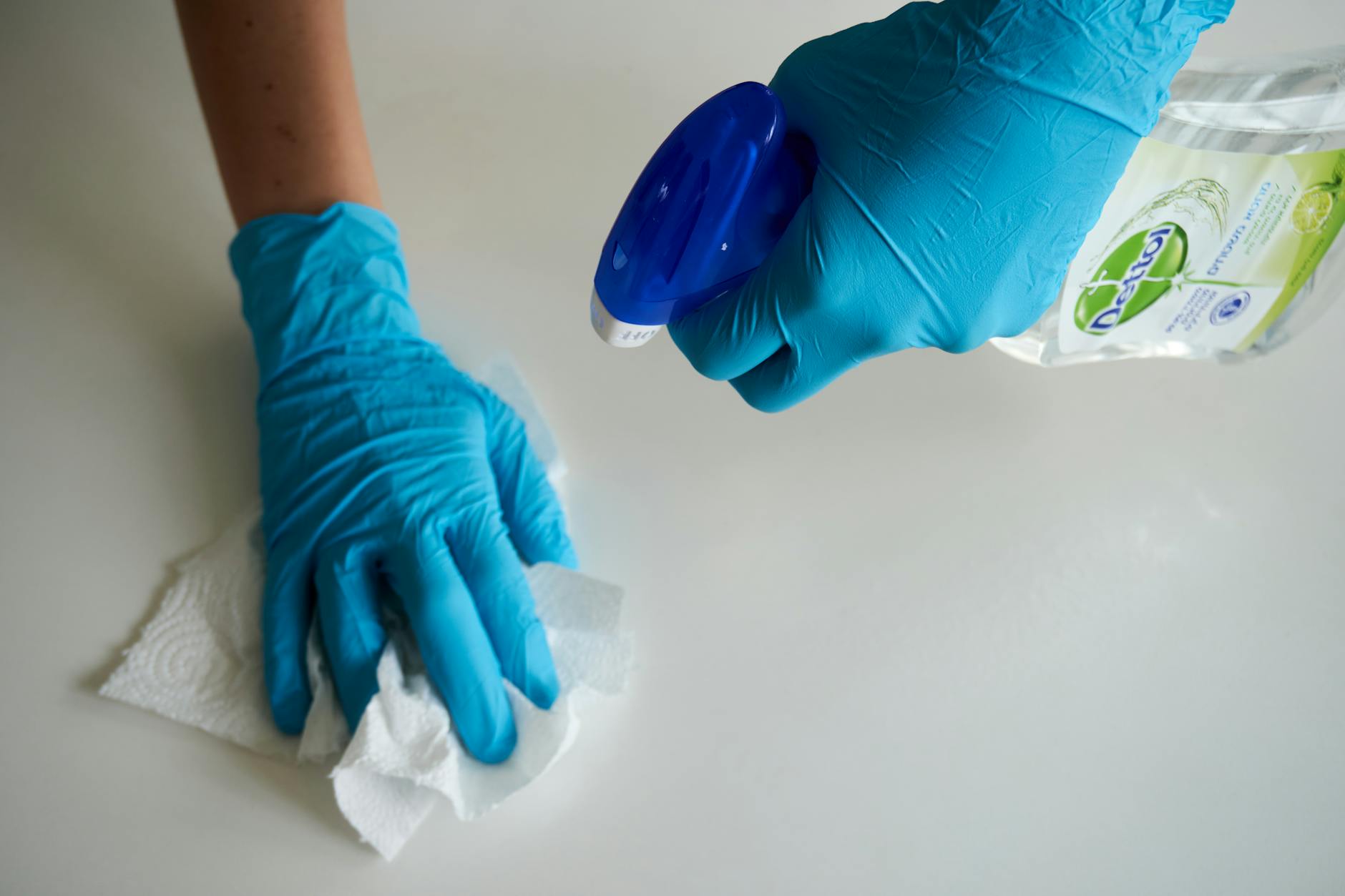
Water, while useful for initial cleaning and removing visible debris, lacks the properties needed to neutralize the parvovirus. Parvo’s sturdy protein shell shields it from basic environmental factors, including water. To effectively eliminate parvo, you need a disinfectant capable of penetrating this shell and destroying the virus’s ability to replicate.
The Power of Proper Disinfection
The key to combating parvo lies in using appropriate disinfectants. Bleach (sodium hypochlorite) is a widely recommended and readily available option. However, it’s essential to use the correct concentration and follow safety precautions to avoid harming your pets or yourself.
- Bleach Solution: A solution of 1 part bleach to 32 parts water (approximately ½ cup of bleach per gallon of water) is generally effective.
- Contact Time: Allow the solution to remain in contact with the contaminated surface for at least 10 minutes to ensure complete disinfection.
- Safety Precautions: Wear gloves and eye protection when handling bleach. Ensure adequate ventilation, and keep pets away from the area until it’s completely dry.
- Alternative Disinfectants: Some commercial disinfectants are specifically formulated to kill parvovirus. Always follow the manufacturer’s instructions.
A Multi-Step Decontamination Protocol
Effectively removing parvovirus from an environment requires a systematic approach:
- Removal of Organic Material: Begin by removing any visible feces, vomit, or other organic material.
- Pre-Cleaning: Use soap and water to thoroughly clean the area before applying disinfectant. This helps remove any remaining debris that could interfere with the disinfectant’s effectiveness.
- Disinfection: Apply the appropriate bleach solution or disinfectant, ensuring the surface is thoroughly wetted.
- Contact Time: Allow the disinfectant to remain in contact with the surface for the recommended time (typically 10 minutes).
- Rinsing (Optional): If using bleach, rinsing the surface with water after the contact time can help remove any lingering residue.
- Drying: Allow the surface to air dry completely.
Common Mistakes to Avoid
Many people make common mistakes when attempting to disinfect against parvo, rendering their efforts ineffective.
- Using Insufficient Disinfectant: Skimping on the amount of disinfectant used can prevent it from fully reaching and neutralizing the virus.
- Incorrect Concentration: Using a bleach solution that is too weak will not be effective.
- Insufficient Contact Time: Not allowing the disinfectant to remain in contact with the surface for the recommended time reduces its ability to kill the virus.
- Neglecting Pre-Cleaning: Failing to remove organic matter before disinfecting can shield the virus from the disinfectant.
- Ignoring Porous Surfaces: Parvo can penetrate porous surfaces like carpets and wood. These surfaces may require more thorough and repeated disinfection, or even removal and replacement.
Understanding Disinfectant Efficacy
Different disinfectants have varying levels of effectiveness against parvovirus. Choosing the right disinfectant is crucial for successful decontamination.
| Disinfectant | Effectiveness | Considerations |
|---|---|---|
| Bleach (Sodium Hypochlorite) | High | Can be corrosive; requires proper dilution; may discolor fabrics; use with caution around pets and children. |
| Accelerated Hydrogen Peroxide | High | Generally safer than bleach; may be more expensive; follow manufacturer’s instructions. |
| Potassium Peroxymonosulfate | Moderate to High | Generally safer than bleach; may be more expensive; follow manufacturer’s instructions. |
| Quaternary Ammonium Compounds | Low | Often ineffective against parvovirus; avoid using these alone for parvo disinfection. |
Frequently Asked Questions (FAQs)
Does water alone kill parvovirus?
No, water alone does not kill parvovirus. While it can help dilute the virus, it lacks the necessary properties to destroy its protein shell and render it inactive. You need a proper disinfectant, such as bleach, to effectively eliminate parvo.
How long can parvo live in the environment?
Parvovirus is incredibly resilient and can survive in the environment for months, even years, under favorable conditions. This is why thorough disinfection is so crucial.
Is bleach the best disinfectant for parvo?
Bleach is a highly effective disinfectant against parvovirus, but it’s important to use it correctly – at the appropriate concentration (1:32) and with adequate contact time (at least 10 minutes). Follow safety precautions to avoid harming yourself or your pets.
Can I use vinegar to kill parvo?
Vinegar is not an effective disinfectant against parvovirus. While vinegar has some antimicrobial properties, it’s not strong enough to neutralize the virus.
What should I do if my dog has parvo?
If you suspect your dog has parvo, seek immediate veterinary attention. Parvo is a serious and potentially fatal disease, especially in puppies. Early treatment significantly improves the chances of survival.
How often should I disinfect my home after a parvo outbreak?
Continue to disinfect your home regularly for several weeks after your dog recovers from parvo. Pay particular attention to areas where your dog spent a lot of time.
Are there any natural disinfectants that can kill parvo?
While some natural products may have antimicrobial properties, they are generally not effective against parvovirus. Stick to proven disinfectants like bleach or accelerated hydrogen peroxide.
Can parvo live on my clothes?
Yes, parvo can live on clothing. Wash any clothing that may have come into contact with the virus in hot water with bleach.
Does sunlight kill parvo?
Sunlight, specifically UV radiation, can help to inactivate parvovirus over time. However, relying solely on sunlight for disinfection is not sufficient.
What surfaces are most likely to harbor parvo?
Porous surfaces like carpets, soil, and wood are more likely to harbor parvovirus because the virus can penetrate these materials. Non-porous surfaces like tile and concrete are easier to disinfect.
Can humans spread parvo?
While humans are not susceptible to canine parvovirus, they can act as carriers. The virus can cling to shoes, clothing, and hands, allowing it to be spread to other dogs.
What are the symptoms of parvo in dogs?
Common symptoms of parvo include severe vomiting, bloody diarrhea, lethargy, loss of appetite, and dehydration. Contact your veterinarian immediately if you notice these signs in your dog. Does water wash away parvo? No, therefore if your dog is infected or if there’s been an infection in your home, pay close attention to these symptoms and seek vet care.