
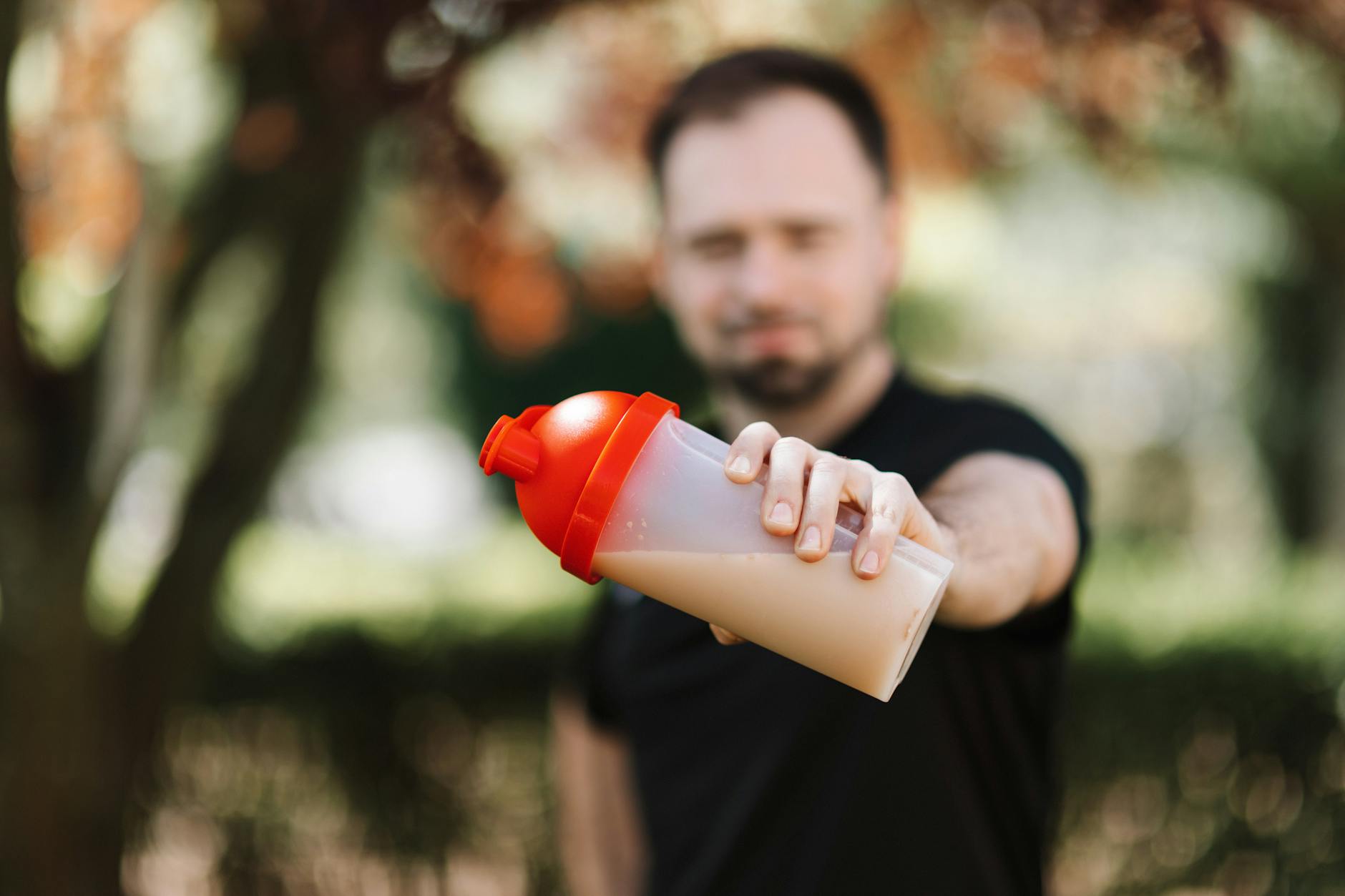
Does Shaking a Bottle of Water Aerate It? Unveiling the Truth Behind Bubbles
The answer is a nuanced yes_! Shaking a bottle of water introduces air into the liquid and increases the surface area, leading to a temporary state of increased gas dissolution, effectively aerating it, albeit in a limited and unstable way.

The Science of Aeration: A Brief Overview
Aeration, in its simplest form, is the process of dissolving air into a liquid. This seemingly simple process has wide-ranging implications, from maintaining healthy aquatic ecosystems to enhancing the flavor of wine. When we consider does shaking a bottle of water aerate it?, we’re delving into a simplified version of this process.

Can fish hear water?
How do I add oxygen to my goldfish water?
Do carbon filters remove water hardness?
What is the GREY African clawed frog?
How Shaking Introduces Air

The act of shaking violently disrupts the water’s surface tension. This disruption creates:
- Increased surface area: Small air bubbles form, significantly increasing the contact area between air and water.
- Turbulence: The swirling motion helps the air mix with the water.
- Temporary Supersaturation: While shaking increases the rate of air dissolving, the water’s capacity to hold air remains relatively constant. This creates a temporary state of supersaturation.
However, this aeration is distinct from the controlled aeration used in other applications. In those scenarios, specialized equipment, such as diffusers or fountains, facilitates a more stable and sustained transfer of gases.
The Benefits (and Limitations) of Aerating Water
While the aeration from shaking is fleeting, there are potential, albeit minor, benefits:
- Slightly altered taste: Some people perceive aerated water as having a “fresher” taste, although this is largely subjective. The temporary influx of gases may contribute to this perception.
- Potential for volatile compound release: Shaking might help release some volatile compounds present in the water, potentially affecting taste and smell (though this is more relevant in naturally sourced water or well water).
- Not a practical aeration method: When asking, “does shaking a bottle of water aerate it?,” it’s important to acknowledge that this is not a primary method to aerate water, compared to using an aerator for a fish tank.
The primary limitation is the short duration of the effect. Once the water settles, much of the dissolved air escapes, returning the water to its original state.
Common Misconceptions About Aerated Water
There are several misconceptions surrounding aerated water and the effects of shaking:
- Long-lasting benefits: The aeration from shaking is transient. It doesn’t fundamentally change the water’s composition in the long term.
- Health benefits: Claims of significant health benefits from simply shaking a water bottle are unsubstantiated.
- Equivalence to other aeration methods: Shaking a water bottle is not comparable to the sophisticated aeration processes used in wastewater treatment or aquaculture.
- Effective treatment for contaminants: Aeration can help remove certain volatile contaminants, but shaking a water bottle is unlikely to be an effective method for this.
Factors Influencing the Aeration Process
Several factors influence the extent to which shaking aerates water:
- Temperature: Colder water generally holds more dissolved gas than warmer water.
- Pressure: Higher pressure increases the solubility of gases in water.
- Shaking intensity: More vigorous shaking introduces more air and increases turbulence.
- Bottle Material: Rigid bottles perform better than flexible ones.
- Initial gas saturation: Shaking will have less of an effect if the water is already gas-saturated.
FAQ – Frequently Asked Questions
Does shaking a bottle of water aerate it significantly enough to change its properties?
While shaking a bottle does aerate it to some extent, the change in properties is usually minimal and temporary. The effect is much less pronounced than with dedicated aeration devices.
Will shaking my water bottle make it taste better?
The perceived improvement in taste is highly subjective. Some people find that the temporary increase in dissolved gases gives the water a fresher taste, but this effect is often fleeting.
Is there any harm in shaking my water bottle?
Generally, no. There’s no harm in shaking your water bottle, assuming the bottle is properly sealed. However, if the water is carbonated, shaking will release the carbon dioxide more rapidly, resulting in a fizzing and potentially messy situation.
Does shaking a water bottle oxygenate it?
Yes, shaking the bottle does increase the amount of oxygen dissolved in the water. That said, the increase is small and will not provide any significant health benefits, given that humans get the vast majority of their oxygen through breathing. Shaking is not an effective way to oxygenate water for practical purposes.
How does shaking a bottle compare to using an aerator?
Using a dedicated aerator (like those found in aquariums or ponds) is a far more effective and sustainable way to aerate water. Aerators are designed to continuously introduce and dissolve air, while shaking only provides a short burst of aeration.
Why is aeration important in other contexts, like aquariums?
In aquariums, aeration serves multiple vital functions: it provides dissolved oxygen for fish and other aquatic life, helps circulate the water, and removes harmful gases like carbon dioxide and ammonia. This is critical for sustaining a healthy ecosystem.
What is the difference between aeration and oxygenation?
While often used interchangeably, aeration technically refers to the introduction of air into water, while oxygenation specifically refers to the dissolution of oxygen in water. Air is composed of many gasses, including oxygen.
Does the type of water (spring, purified, tap) affect how well it aerates when shaken?
Yes, the initial composition of the water can influence the effect of shaking. Water with higher mineral content or existing dissolved gases might show a less noticeable change after shaking compared to highly purified water.
Can I use shaking to remove contaminants from my drinking water?
While aeration can help remove certain volatile contaminants from water, shaking a bottle is not an effective method for this purpose. Proper water treatment processes are required to remove contaminants safely and effectively.
Is there a connection between aeration and the formation of bubbles in water?
Yes. When shaking a bottle of water aerates it, tiny bubbles form. These bubbles are a visual representation of the increased dissolved air and the decreased surface tension.
Does shaking a bottle of water that has been sitting for a while make a difference?
Water left standing will often lose some of its dissolved gasses. Shaking will reintroduce these gasses, creating a temporary, slightly fresher taste.
Does shaking carbonated water also aerate it further?
Shaking carbonated water will introduce air into the water, but the primary effect will be the rapid release of dissolved carbon dioxide, leading to fizzing and a loss of carbonation rather than a significant increase in aeration with other atmospheric gasses.