
Does Coconut Fiber Absorb Water? Understanding Coir’s Hydration Properties
Yes, coconut fiber, also known as coir, does absorb water, and quite effectively. Its ability to retain moisture while maintaining good aeration makes it a valuable material in various applications, especially in horticulture.

Introduction to Coconut Fiber and Its Properties
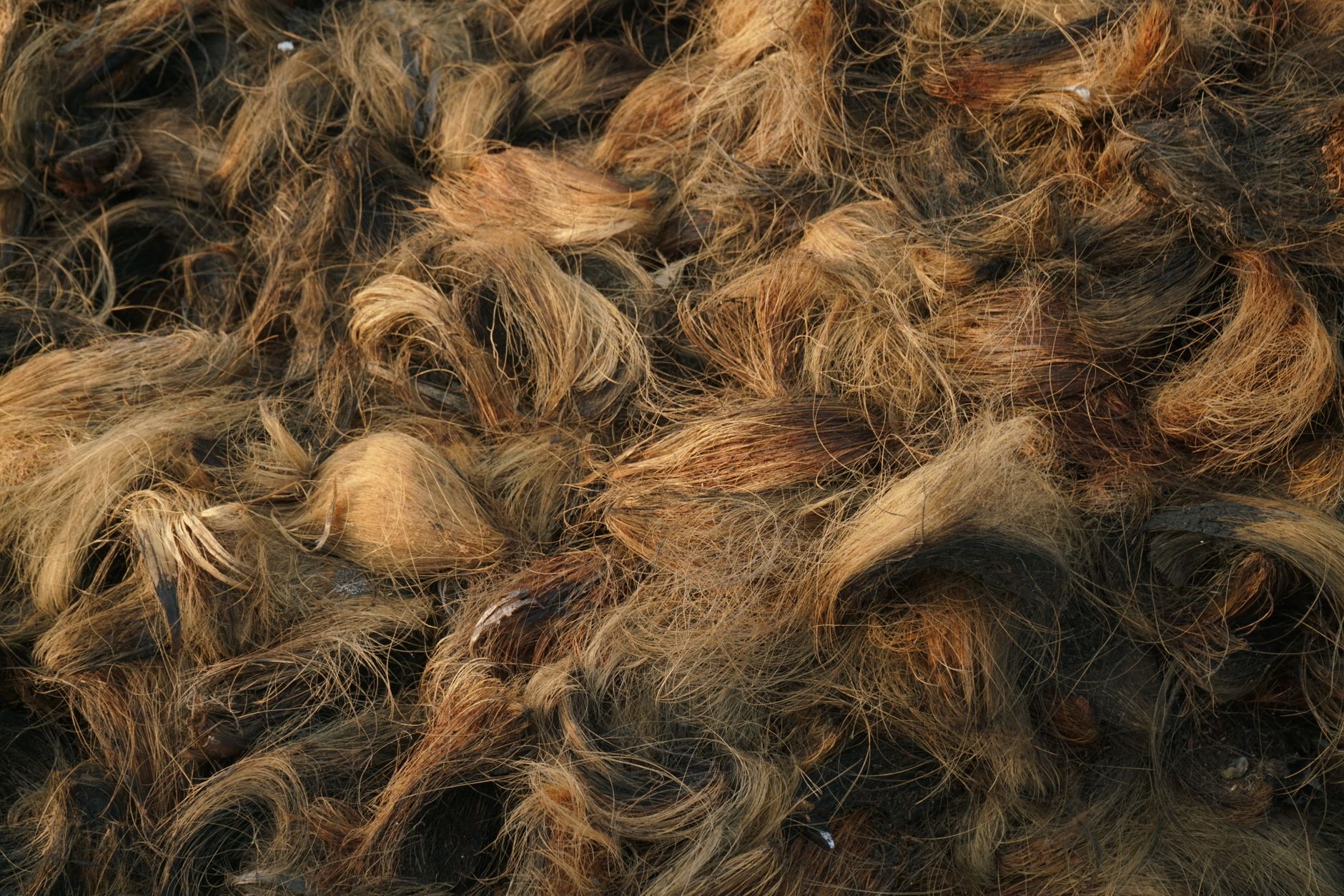
Coconut fiber, or coir, is a natural fiber extracted from the husk of coconuts. For centuries, it has been used in various applications, from ropes and mats to upholstery filling. In recent years, its popularity has soared in horticulture due to its excellent water retention, aeration, and environmentally friendly nature. Understanding how coir does coconut fiber absorb water is crucial to maximizing its benefits in gardening and other applications.
Can fish hear water?
How do I add oxygen to my goldfish water?
Do carbon filters remove water hardness?
What is the GREY African clawed frog?
The Anatomy of Coir and Water Absorption

Coir’s water absorption capabilities stem from its unique physical structure. The fibers are composed of cellulose and lignin, which contribute to their strength and durability. Importantly, the fibers also possess a porous structure, allowing them to hold significant amounts of water. Coir also retains air even when saturated. This is essential for root health, differentiating it from materials that become waterlogged when wet.
Benefits of Coconut Fiber in Horticulture
The ability of coconut fiber to absorb and retain water makes it a highly beneficial material in horticulture:
- Improved Water Retention: Coir holds water for longer periods compared to traditional potting mixes, reducing the frequency of watering.
- Enhanced Aeration: Even when wet, coir provides excellent aeration, preventing root rot and promoting healthy root growth.
- Sustainable Alternative: Coir is a renewable resource and a byproduct of the coconut industry, making it an environmentally friendly alternative to peat moss.
- Nutrient Retention: Coir can retain essential nutrients, making them readily available to plants.
- pH Neutral: Coir typically has a pH close to neutral, which is suitable for a wide range of plants.
The Water Absorption Process in Coconut Fiber
The water absorption process in coir involves several factors:
- Capillary Action: Water is drawn into the porous structure of the fibers through capillary action.
- Surface Tension: Water molecules adhere to the surface of the fibers, allowing for water retention.
- Fiber Structure: The inherent structure of the coir fibers allows them to hold water in both intra-fiber and inter-fiber spaces.
Common Mistakes When Using Coconut Fiber
While coir offers numerous benefits, some common mistakes can hinder its effectiveness:
- Not Pre-Washing: Some coir products may contain high levels of salts. Pre-washing helps remove these salts, preventing nutrient imbalances.
- Overwatering: While coir retains water well, overwatering can still lead to root issues. Monitor the moisture levels before watering.
- Not Adding Nutrients: Coir is relatively inert and does not contain significant amounts of nutrients. Regular fertilization is necessary.
- Using Low-Quality Coir: Opt for high-quality coir from reputable suppliers to ensure proper processing and minimal contaminants.
Comparing Coconut Fiber with Other Growing Mediums
Here’s a table comparing coir with other common growing mediums:
| Feature | Coconut Fiber (Coir) | Peat Moss | Perlite | Vermiculite |
|---|---|---|---|---|
| Water Retention | High | High | Low | Medium |
| Aeration | Excellent | Poor (when wet) | Excellent | Medium |
| Sustainability | Renewable | Non-Renewable | Non-Renewable | Non-Renewable |
| Nutrient Content | Low | Low | Low | Low |
| pH | Neutral | Acidic | Neutral | Neutral |
FAQs About Coconut Fiber and Water Absorption
Does coconut fiber absorb water faster than other growing mediums?
Coconut fiber can absorb water quickly once it is properly wetted. However, dry coir can be hydrophobic, meaning it initially repels water. Pre-wetting or using a wetting agent can help overcome this initial resistance. Once wetted, its absorption rate is comparable to or even faster than peat moss, and significantly faster than materials like perlite.
How much water can coconut fiber absorb?
Coconut fiber can absorb several times its weight in water, typically ranging from 6 to 8 times its dry weight. This high water retention capacity makes it an excellent choice for plants that require consistent moisture. The exact amount can vary depending on the type and processing of the coir.
Is there a difference in water absorption between different types of coconut fiber (e.g., coir pith, coir fiber)?
Yes, there are differences. Coir pith (also known as coir dust) has a higher water holding capacity compared to coir fiber due to its finer particles and greater surface area. Coir fiber provides better aeration and drainage, while coir pith retains more moisture. Blends of both coir pith and coir fiber are often used to achieve a balance of water retention and aeration.
How does the particle size of coconut fiber affect its water absorption?
Smaller particle sizes generally increase water absorption. Finer coir particles, like coir dust, have a larger surface area, allowing them to hold more water. Larger coir fibers provide better aeration but retain less water per unit volume.
Can coconut fiber become waterlogged?
While coir provides excellent aeration, it can still become waterlogged if not managed properly. Overwatering or poor drainage can lead to waterlogged conditions. Choosing the right coir blend with appropriate particle sizes and ensuring adequate drainage are essential to prevent this issue.
Does the age of coconut fiber affect its ability to absorb water?
The age of coir generally does not significantly affect its water absorption capacity, as long as it is stored properly and not contaminated. However, aged coir may break down slightly, potentially altering its structure and water retention characteristics.
How does the pH level of water affect absorption in coconut fiber?
The pH level of water can influence nutrient availability in coir, but it doesn’t directly affect the water absorption process itself. Coir has a relatively neutral pH, making it suitable for most plants. However, using water with extreme pH levels may affect nutrient uptake and plant health.
How can I improve the water absorption of dry coconut fiber?
To improve the water absorption of dry coir, pre-soak it in water before use. Adding a wetting agent can also help reduce surface tension and allow the water to penetrate the fibers more easily. Repeatedly wetting and squeezing the coir can also help to break down any hydrophobic coatings.
Is coconut fiber a good choice for hydroponic systems?
Yes, coir is an excellent choice for hydroponic systems due to its water retention, aeration, and inert nature. It provides a stable growing medium for plant roots while allowing for efficient nutrient delivery. Coir can be used in various hydroponic systems, including drip systems, ebb and flow systems, and deep water culture.
Does coconut fiber decompose quickly?
Coconut fiber decomposes at a relatively slow rate compared to other organic materials like compost. Its slow decomposition rate contributes to its longevity and stability as a growing medium. This also means it can retain its structure and water retention properties for extended periods.
Can coconut fiber be reused after one growing season?
Yes, coir can often be reused after one growing season, but it is essential to assess its condition first. Remove any plant debris, wash the coir thoroughly to remove accumulated salts, and consider sterilizing it to eliminate potential pathogens. Adding fresh coir to the reused material can help restore its optimal properties.
Are there any disadvantages to using coconut fiber for water absorption in certain applications?
While coir has many advantages, some disadvantages may arise in specific applications. For instance, its lack of inherent nutrients requires supplemental fertilization. Also, lower quality coir can have higher salt content which needs to be addressed. Finally, while it retains a lot of water, in extremely arid climates, this might not be enough on its own, necessitating other water conservation strategies.