

Do Turtles Eat Cheese? Unveiling the Truth
The answer is definitively no: while some turtles might nibble at cheese if offered, it’s exceptionally unhealthy for them and offers no nutritional value. Therefore, do turtles eat cheese? Absolutely not – it should be avoided at all costs.

Understanding a Turtle’s Natural Diet
To understand why cheese is harmful, we must first appreciate a turtle’s natural dietary needs. What a turtle eats depends heavily on its species and age.
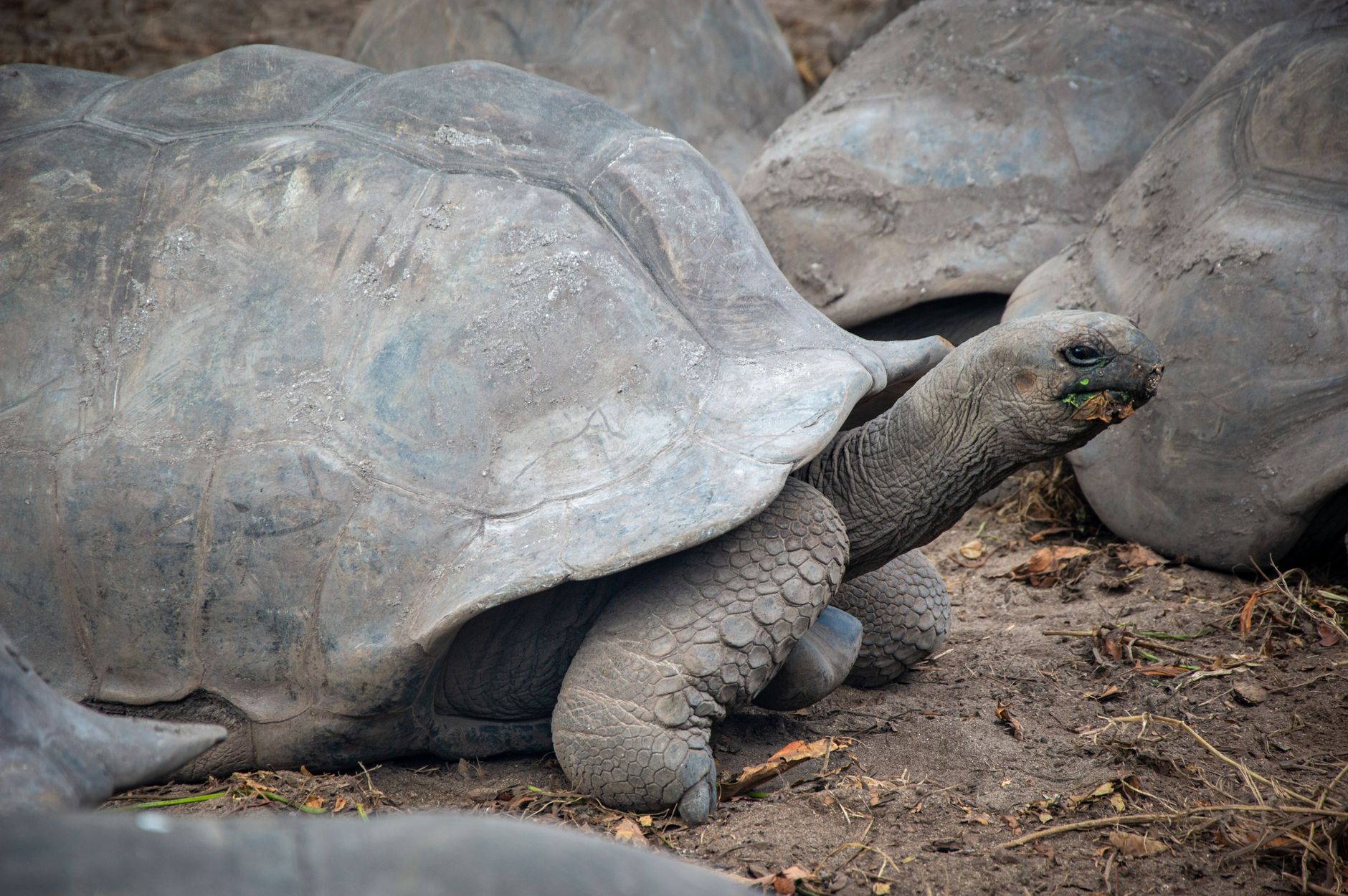
- Herbivorous turtles: These turtles, like the red-footed tortoise, primarily consume plants, fruits, and vegetables.
- Carnivorous turtles: Snapping turtles, for instance, require a diet rich in animal protein, typically obtained from insects, fish, and crustaceans.
- Omnivorous turtles: Many species, such as the painted turtle, eat a combination of plants and animals.
No matter the dietary category, dairy products are absent from a turtle’s natural food sources. Their digestive systems are simply not equipped to process the lactose and other components of cheese.
What do California tiger salamanders eat?
What is the GREY African clawed frog?
Is distilled water good for goldfish?
What colours are fish most attracted to?
The Dangers of Feeding Cheese to Turtles

Offering cheese to a turtle might seem harmless, but it can have serious repercussions for their health.
- Digestive Issues: Turtles lack the enzymes necessary to properly break down lactose. This can lead to diarrhea, bloating, and other gastrointestinal problems.
- Nutritional Imbalance: Cheese is high in fat and low in essential vitamins and minerals that turtles need. Feeding them cheese can disrupt their nutritional balance, leading to deficiencies.
- Kidney Problems: The high protein content in some cheeses, coupled with a turtle’s limited ability to process it, can strain their kidneys, potentially leading to kidney failure.
- Shell Deformities: An improper diet, including foods like cheese, can cause shell deformities, such as pyramiding, a condition where the scutes (individual plates of the shell) grow in a raised, pyramid-like shape.
Safe and Healthy Alternatives for Turtles
Instead of cheese, offer your turtle a diet that aligns with its natural needs.
- For Herbivores: Dark leafy greens (kale, romaine lettuce), chopped vegetables (carrots, squash), and fruits (berries, melon).
- For Carnivores: Commercially available turtle pellets, insects (crickets, mealworms), and small fish.
- For Omnivores: A balanced mix of the above, with a greater emphasis on one type or the other based on the turtle’s specific species.
Table of Safe Foods for Turtles
| Food Group | Examples | Considerations |
|---|---|---|
| Leafy Greens | Kale, Romaine Lettuce, Mustard Greens | Offer a variety; avoid iceberg lettuce (low nutritional value) |
| Vegetables | Carrots, Squash, Sweet Potato | Chop into manageable sizes |
| Fruits | Berries, Melon, Apples (without seeds) | Offer in moderation due to sugar content |
| Insects | Crickets, Mealworms, Dubia Roaches | Gut-load insects with nutritious food before feeding them to your turtle |
| Turtle Pellets | Reputable Brands | Choose pellets formulated for your turtle’s species and life stage |
The Allure of Human Food: Why Turtles Might Seem Interested
Turtles are often curious creatures, and they may be attracted to brightly colored or strongly scented foods. This doesn’t mean that the food is good for them. Just because a turtle shows interest in cheese doesn’t make it a suitable food. They are opportunistic eaters and will often try anything once. It’s your responsibility as a caretaker to ensure they only consume appropriate and healthy items.
The Importance of Research and Proper Care
Before bringing a turtle into your home, research its specific dietary needs. Different species have different requirements, and providing the wrong food can have devastating consequences. “Do turtles eat cheese?” is a simple question with a straightforward answer, but it highlights the broader importance of responsible turtle ownership.
Frequently Asked Questions (FAQs)
Can a tiny piece of cheese really hurt my turtle?
Even a small amount of cheese can cause digestive upset in turtles due to their inability to process lactose. While a single, tiny piece might not result in immediate, visible harm, repeated exposure, even in small quantities, contributes to long-term health problems.
My turtle ate a piece of cheese. What should I do?
Monitor your turtle for signs of digestive distress, such as diarrhea, bloating, or loss of appetite. Ensure they have access to fresh water. If symptoms persist for more than 24 hours, consult a reptile veterinarian.
Is all cheese equally bad for turtles?
Yes, all types of cheese are unsuitable for turtles. The lactose content is harmful, regardless of the cheese’s fat content, hardness, or flavor.
Are there any dairy products that are safe for turtles?
No. Turtles should not consume any dairy products, including milk, yogurt, and ice cream. They lack the necessary enzymes to digest lactose.
Can I feed my turtle cheese as a rare treat?
No. While occasional treats can be part of a balanced diet, cheese is not a suitable treat for turtles. It offers no nutritional value and poses health risks.
What are the best types of greens to feed my herbivorous turtle?
Good choices include dark leafy greens like kale, romaine lettuce, mustard greens, and collard greens. Avoid iceberg lettuce, which is low in nutrients.
Can I feed my turtle dog or cat food?
No. Dog and cat food are not appropriate for turtles. They lack the specific nutrients turtles require and can cause health problems.
How often should I feed my turtle?
The frequency of feeding depends on the turtle’s age and species. Young turtles generally need to be fed daily, while adults can be fed every other day or less. Consult a reptile veterinarian for specific recommendations.
Can turtles eat bread?
While bread is not toxic to turtles, it has little nutritional value and can contribute to digestive issues. It’s best to avoid feeding bread to turtles.
How do I know if my turtle is eating enough?
A healthy turtle should be active and alert. Look for consistent weight and shell growth. Consult a reptile veterinarian if you have concerns about your turtle’s appetite or overall health.
What kind of insects are safe for carnivorous turtles?
Safe options include crickets, mealworms, waxworms, and dubia roaches. Ensure insects are gut-loaded with nutritious food before feeding them to your turtle.
Is it okay to feed my turtle food from the wild?
While offering food from the wild seems natural, it can carry risks like pesticides or parasites. It’s generally safer to rely on commercially available food items and carefully sourced produce. Even with careful sourcing, properly cleaning food collected from the wild is vital.