
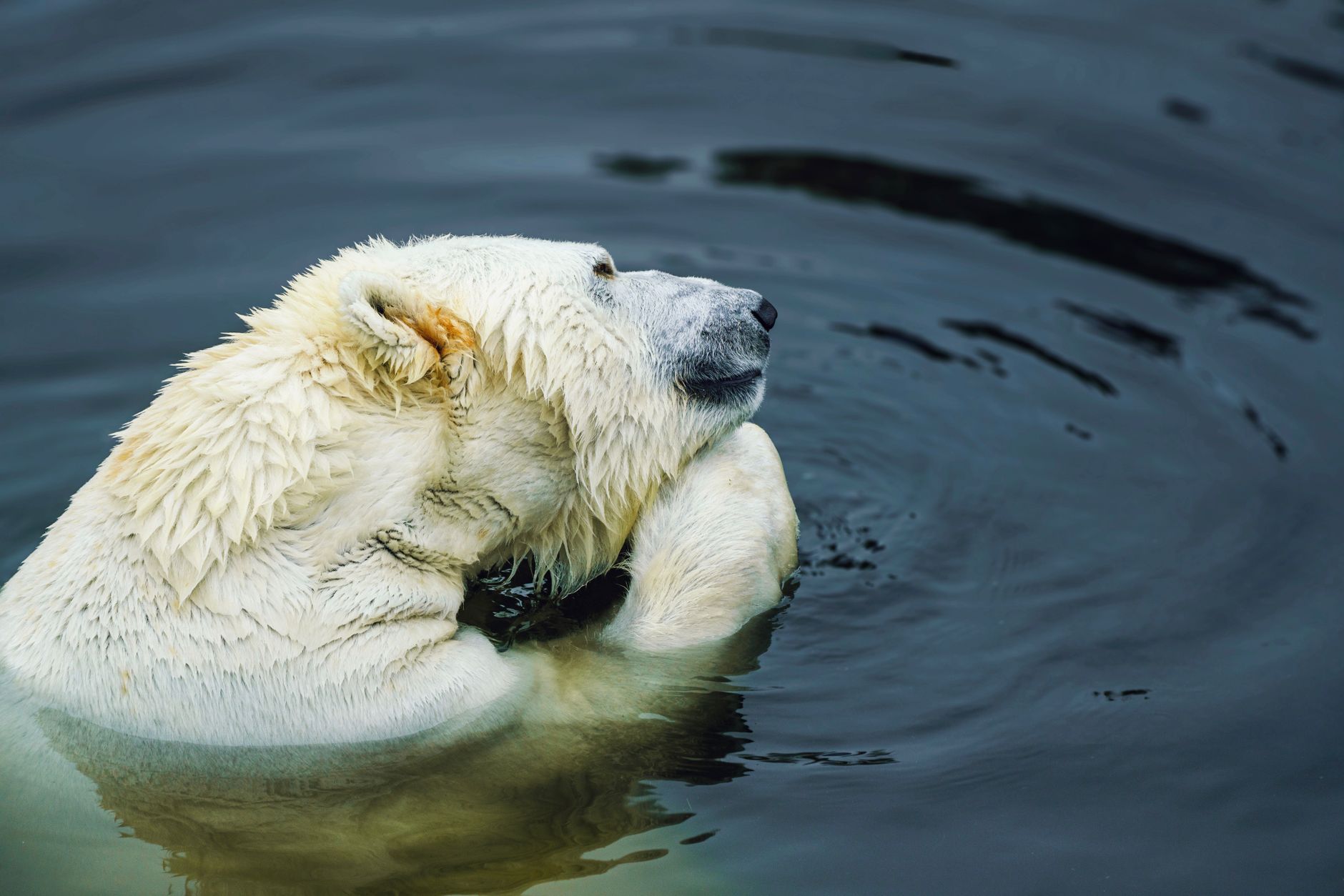
Do Polar Bears Live Longer in Captivity or in the Wild?
Generally, polar bears live longer in captivity than in the wild. However, this longevity comes with significant ethical considerations, as the captive environment presents its own set of challenges that can impact the animal’s overall well-being.

Introduction: The Lifespan Disparity
The majestic polar bear (Ursus maritimus), a symbol of the Arctic wilderness, faces increasing threats from climate change. This has led to increased scrutiny of their well-being, both in their natural habitat and in captivity. A frequently asked question is: Do polar bears live longer in captivity rather than in the wild? Understanding the factors that contribute to their lifespan in both environments is crucial for effective conservation and welfare strategies. While zoo environments often provide extended lifespans, it’s essential to examine the full picture, considering quality of life alongside longevity.

What is the GREY African clawed frog?
Is distilled water good for goldfish?
What colours are fish most attracted to?
Can you put your finger in a trout's mouth?
Lifespan in the Wild: A Harsh Reality

The Arctic environment presents numerous challenges for polar bears. Survival depends on their ability to hunt seals on sea ice, a skill that requires physical prowess and learned behavior.
- Hunting Success: Climate change reduces sea ice, shortening the hunting season and forcing bears to swim longer distances in search of prey. Starvation is a leading cause of death in wild polar bears.
- Predation and Competition: While adult polar bears have few natural predators, cubs are vulnerable to predation by wolves, Arctic foxes, and even other polar bears. Competition for resources also contributes to mortality.
- Injuries and Disease: Bears can sustain injuries during hunts or territorial disputes. They are also susceptible to various diseases and parasites.
- Climate Change Impact: As a result of a changing climate, with increased warming temperatures and reduced ice cover, polar bear populations are decreasing, which increases the risk of mortality due to starvation and habitat loss.
Wild polar bears typically live for 15-18 years, though some individuals may reach their early 20s. The challenges inherent in their environment significantly impact their overall survival rates.
Lifespan in Captivity: Controlled Environment, Extended Years
Zoos and aquariums offer a controlled environment that can mitigate many of the risks faced by wild polar bears.
- Consistent Food Supply: Bears in captivity receive a reliable and nutritious diet, eliminating the risk of starvation.
- Veterinary Care: Regular veterinary checkups and prompt treatment of illnesses and injuries contribute to increased longevity.
- Protection from Predators and Competition: Captive bears are shielded from predation and competition for resources.
- Controlled Climate: Many facilities attempt to replicate the bear’s native climate with temperature-controlled enclosures.
Because of these factors, polar bears in captivity often live significantly longer than their wild counterparts. Lifespans of 25-30 years or more are common in well-managed facilities. This longer lifespan raises the critical question: Is longer always better? The ethical considerations of providing a long life in an artificial environment are paramount.
Ethical Considerations of Captivity
While captivity extends lifespan, it also raises important ethical questions.
- Space and Enrichment: Polar bears are adapted to roam vast distances. Even the largest zoo enclosures are significantly smaller than their natural territories. Enrichment programs are crucial to stimulate their natural behaviors and prevent boredom and stress.
- Behavioral Issues: Captive bears may exhibit abnormal behaviors, such as pacing or repetitive movements, indicating psychological distress.
- Social Interaction: Social structures are disrupted. Solitary animals may struggle to adjust to group settings, while gregarious animals may suffer from isolation.
- Environmental Suitability: Even with controlled climates, simulating the complex natural environment of the Arctic is challenging. The lack of natural light cycles and seasonal changes can affect their biological rhythms.
- Conservation Value: The argument for keeping polar bears in captivity often centers on conservation and education. However, the effectiveness of zoos in promoting conservation remains a subject of debate.
Comparing Lifespans: A Summary Table
| Feature | Wild Polar Bears | Captive Polar Bears |
|---|---|---|
| Average Lifespan | 15-18 years | 25-30+ years |
| Food Security | Unreliable, dependent on hunting | Reliable, consistent diet |
| Veterinary Care | Limited | Comprehensive and readily available |
| Predation Risk | High (especially for cubs) | None |
| Space | Vast natural territories | Limited enclosure space |
| Environment | Natural Arctic environment | Artificial environment |
| Key Threat | Climate change/Starvation | Boredom/Psychological Distress |
The Future of Polar Bears
The future of polar bears, both in the wild and in captivity, hinges on addressing climate change. Reducing greenhouse gas emissions is crucial for preserving their natural habitat and ensuring their long-term survival. Simultaneously, improving the welfare of captive polar bears through enhanced enrichment programs, larger enclosures, and ethical breeding practices is essential. The question of “Do polar bears live longer in captivity rather than in the wild?” remains complex, demanding a holistic approach that considers both longevity and quality of life.
FAQs: Polar Bear Lifespan
Are there specific zoos known for successfully extending polar bear lifespans?
Yes, several zoos have demonstrated success in providing environments that contribute to extended polar bear lifespans. For example, the Winnipeg Zoo’s Journey to Churchill exhibit is designed to replicate the Arctic environment and focuses on providing comprehensive care. However, it’s important to note that each facility faces unique challenges, and success can vary.
What is the oldest recorded age of a polar bear in captivity?
The oldest recorded polar bear in captivity lived to be 42 years old. This particular bear lived at the Detroit Zoo.
What are the primary causes of death for polar bears in the wild?
The primary causes of death for polar bears in the wild are starvation due to declining sea ice, injuries sustained during hunting or territorial disputes, and predation (especially for cubs). Climate change exacerbates these threats.
Do polar bears in captivity ever get released back into the wild?
Releasing polar bears back into the wild after a period in captivity is extremely rare and generally not recommended. They lack the necessary survival skills and may not be able to adapt to the harsh environment.
How do zoos enrich the lives of polar bears in captivity?
Zoos use a variety of enrichment techniques to stimulate polar bears mentally and physically. These include providing toys, puzzle feeders, opportunities for swimming and diving, simulating hunts, and introducing novel objects to their environment. The goal is to encourage natural behaviors and prevent boredom.
What role do genetics play in polar bear lifespan?
Genetics can play a role in polar bear lifespan, just as it does in other species. Certain genetic predispositions may make some bears more susceptible to diseases or other health problems, while others may inherit genes that promote longevity. However, environmental factors and care are generally more impactful.
What is the role of international agreements in protecting polar bears?
International agreements, such as the Agreement on the Conservation of Polar Bears, aim to protect polar bear populations through collaborative research, conservation efforts, and the regulation of hunting. These agreements are crucial for addressing the transboundary nature of polar bear conservation.
How does climate change impact polar bear cub survival rates?
Climate change significantly impacts polar bear cub survival rates by reducing the availability of sea ice, which is essential for hunting seals. As mothers struggle to find food, they may be unable to provide adequate nutrition for their cubs, leading to higher mortality rates.
Are there any ongoing research projects focused on polar bear lifespan and health?
Yes, numerous research projects are focused on polar bear lifespan and health. These projects often involve studying wild polar bear populations, monitoring their health, tracking their movements, and analyzing data on mortality rates. Zoos also contribute to research by studying the health and behavior of captive bears.
What can individuals do to help protect polar bears?
Individuals can help protect polar bears by reducing their carbon footprint, supporting organizations that work to conserve polar bears and their habitat, advocating for climate action, and educating others about the threats facing these magnificent creatures. Even small changes in lifestyle can make a difference.
What is the average number of cubs in a polar bear litter?
Polar bears typically have a litter size of one to three cubs, with two being the most common. The cubs remain with their mother for approximately two years, learning essential survival skills.
Is it true that polar bear populations are declining, and if so, by how much?
Yes, many polar bear populations are declining due to the effects of climate change. Some populations have experienced significant declines, while others remain relatively stable. The overall trend is concerning, and scientists predict further declines in the future if greenhouse gas emissions are not drastically reduced. It is hard to put an exact figure on the decline due to constantly changing environmental factors, but many estimate a 20-30% population reduction by 2050.