
Do Lions Eat Humans or Just Kill Them? A Comprehensive Look
Lions will eat humans, though they don’t preferentially hunt them; human consumption generally occurs due to desperation, opportunity, or learned behavior. Understanding the circumstances is key to mitigating risk and dispelling common misconceptions.

The Predatory Nature of Lions: A Background
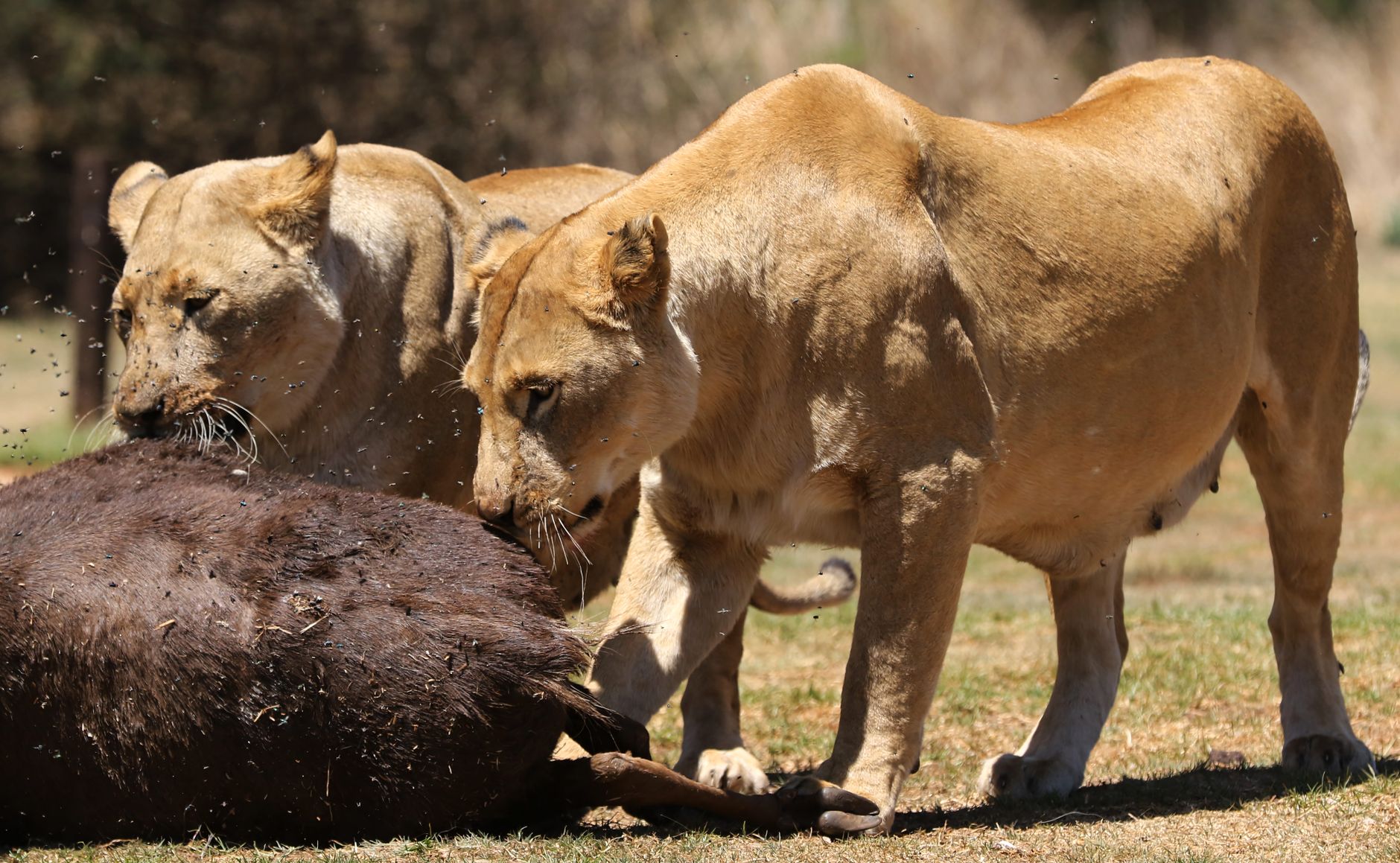
Lions, Panthera leo, are apex predators, meaning they sit at the top of their food chain. Their primary diet consists of large ungulates – zebras, wildebeest, antelopes, and buffalo. These animals provide the necessary sustenance for lions to thrive. However, lions are also opportunistic and will prey on smaller animals, carrion, or, under certain circumstances, humans. Do lions eat humans or just kill them? The answer is that they can and do eat humans.

What do California tiger salamanders eat?
What is the GREY African clawed frog?
Is distilled water good for goldfish?
What colours are fish most attracted to?
Circumstances Leading to Lion Attacks on Humans

Lion attacks on humans are rare but do occur. Several factors contribute to these incidents:
- Habitat Loss: As human populations encroach on lion habitats, competition for resources increases. Reduced availability of natural prey can force lions to seek alternative food sources.
- Injury or Illness: Lions that are injured or debilitated may find it difficult to hunt their usual prey. Humans, who are relatively easier to catch, can become a target.
- Learned Behavior: In some cases, lions learn to associate humans with food. This can occur when humans leave food scraps out in the open or when lions are habituated to human presence. Specific prides have even developed reputations as man-eaters.
- Drought and Famine: During periods of drought and famine, prey animals become scarce, pushing lions to extreme measures to survive.
- Accidental Encounters: Unexpected encounters, particularly at night or in dense vegetation, can lead to defensive attacks.
The Role of Man-Eating Lions in History and Folklore
The phenomenon of “man-eating” lions has been documented throughout history, most notably in Africa. The Tsavo man-eaters, two lions that killed and devoured numerous railway workers in Kenya in the late 19th century, are perhaps the most famous example. These lions were unusual in that they actively hunted humans, demonstrating a learned preference for human flesh. Such cases are often driven by a combination of factors, including habitat loss, prey scarcity, and individual lion characteristics. It’s crucial to understand that while do lions eat humans or just kill them? is the question, man-eating lions represent extreme and atypical behavior.
Preventing Lion Attacks: Safety Measures and Best Practices
While the risk of being attacked by a lion is relatively low, it’s important to take precautions in areas where lions are present:
- Travel in groups: Lions are less likely to attack a group of people than a lone individual.
- Avoid walking alone at night: Lions are nocturnal predators and are most active at night.
- Make noise: Making noise can deter lions from approaching.
- Do not approach lions: Keep a safe distance from lions and never attempt to feed them.
- Report any sightings of lions to the authorities: Reporting sightings can help prevent future attacks.
- Secure camps and villages: Ensure that camps and villages are properly fenced and lit to deter lions from entering.
- Support conservation efforts: Protecting lion habitats and prey populations can help reduce the likelihood of conflict between lions and humans.
| Prevention Measure | Description |
|---|---|
| Group Travel | Traveling in groups reduces individual vulnerability. |
| Nighttime Avoidance | Lions are more active at night; minimize exposure during these hours. |
| Noise Making | Creating noise can deter lions from approaching potential targets. |
| Respect Distance | Maintain a safe distance from lions; do not attempt to interact or feed them. |
| Reporting Sightings | Alerting authorities to lion presence enables proactive management. |
| Securing Camps/Villages | Fencing and lighting deter lions from entering human settlements. |
| Conservation Support | Protecting habitats and prey reduces the likelihood of human-lion conflict. |
The Importance of Conservation: Protecting Lions and Humans
Ultimately, the key to preventing lion attacks on humans is conservation. By protecting lion habitats and prey populations, we can reduce the competition for resources that drives lions to seek alternative food sources. Conservation efforts also help to maintain healthy lion populations, which are essential for the health of the ecosystem. It’s a balancing act; understanding when and why do lions eat humans or just kill them? helps inform effective conservation strategies.
Frequently Asked Questions (FAQs)
Why do some lions become man-eaters?
Man-eating behavior in lions is usually a combination of environmental factors and individual characteristics. Reduced prey availability, habitat loss, and injury can make humans an easier target. Some lions may also develop a learned preference for human flesh.
Are lion attacks on humans increasing?
While reported attacks can fluctuate, the overall trend suggests a potential increase in some regions due to increasing human populations encroaching on lion habitats, leading to increased competition for resources.
What should I do if I encounter a lion?
If you encounter a lion, remain calm and avoid running. Make yourself appear as large as possible by raising your arms and making noise. Slowly back away while maintaining eye contact.
Are all lions capable of killing and eating humans?
Potentially, yes, but most lions prefer their natural prey. Humans typically only become targets when other food sources are scarce or when lions are injured or desperate.
What is the difference between a lion attack and a lion kill?
An attack is any offensive action by a lion, while a kill implies that the lion has successfully hunted and killed its prey. Not all attacks result in a kill.
Do male or female lions attack humans more often?
Both male and female lions are capable of attacking humans. However, females, as the primary hunters in a pride, may be more likely to encounter humans while hunting.
Are there specific times of year when lion attacks are more common?
Lion attacks may be more common during dry seasons or periods of drought when prey animals are scarce.
Can lions be trained to avoid humans?
While lions can be conditioned, it’s not a reliable method to prevent attacks. Wild animals retain their instincts and can react unpredictably.
What role does livestock depredation play in human-lion conflict?
Livestock depredation (when lions kill livestock) can exacerbate human-lion conflict. When lions kill livestock, humans may retaliate, leading to further conflict and potentially driving lions to target humans.
How do conservation efforts help prevent lion attacks on humans?
Conservation efforts that protect lion habitats and prey populations reduce the need for lions to seek alternative food sources, such as humans.
What is the difference between lions in captivity and lions in the wild in terms of attacks on humans?
Lions in captivity, while potentially dangerous, are usually less likely to attack humans due to being well-fed and having limited opportunities for encounters. Wild lions have more opportunities and sometimes a greater need to hunt.
What should you do if you see a lion near your home or village?
If you see a lion near your home or village, report it immediately to the authorities. Ensure that livestock are secured and avoid walking alone, especially at night. Taking proactive steps is essential for managing this potentially dangerous situation, and understanding that do lions eat humans or just kill them? is a vital question to consider for preventative measures.