

Do King Snakes Climb Trees? Unveiling Arboreal Habits
King snakes can climb trees, although their agility and frequency of doing so vary depending on the species and environment. While primarily terrestrial, these adaptable snakes utilize climbing as a means of hunting, escaping predators, and accessing resources.
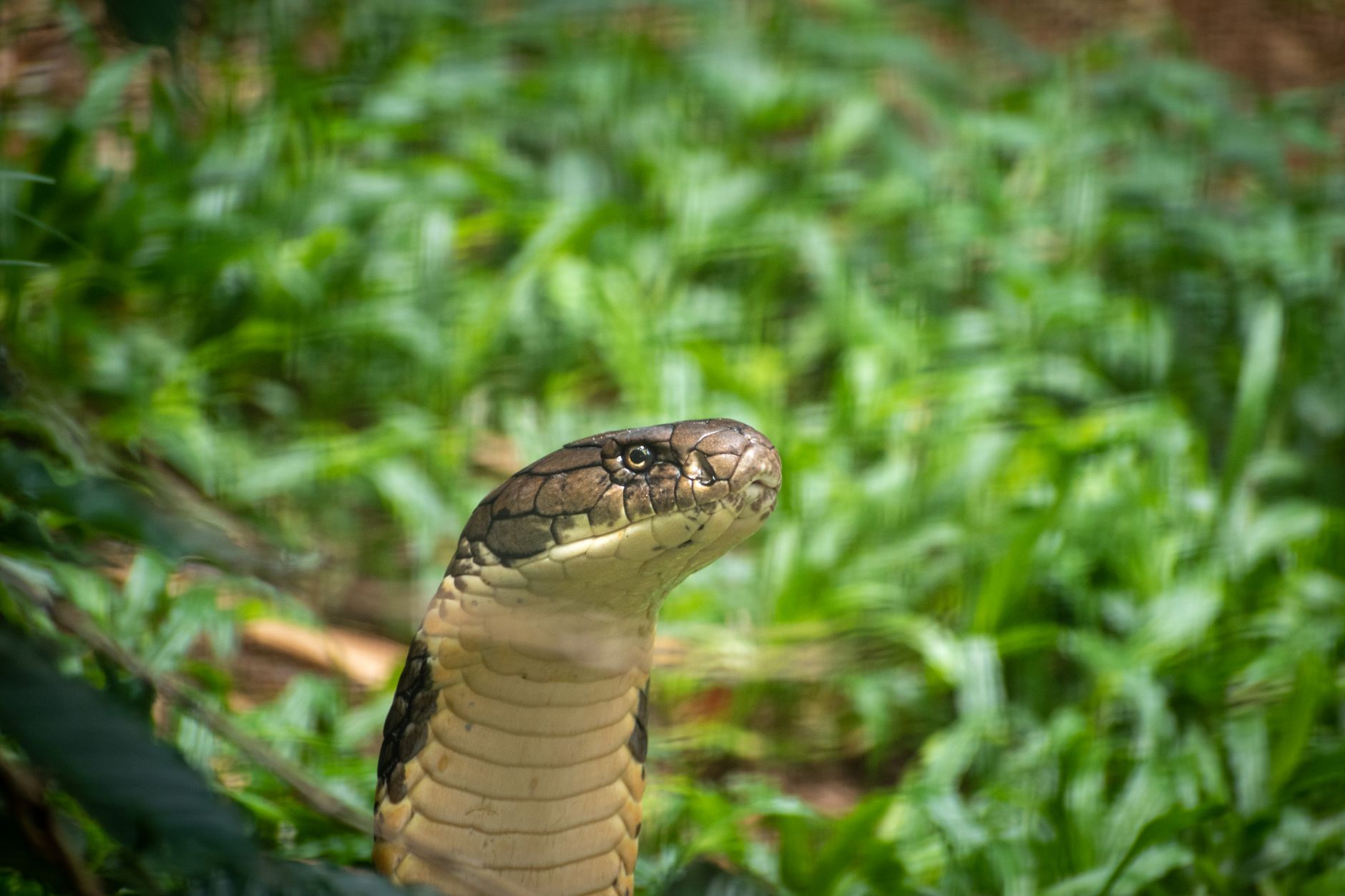
King Snakes: Masters of Ground and Sometimes, the Canopy
King snakes are renowned for their constricting abilities and impressive immune systems, allowing them to prey on other snakes, including venomous ones. But Do king snakes climb trees? While often perceived as ground dwellers, the answer isn’t a simple yes or no. Their climbing abilities are more nuanced than, say, those of a dedicated arboreal species.
Factors Influencing Climbing Behavior

Several factors dictate how frequently and effectively a king snake will venture upward:
- Species: Some king snake species, like the California kingsnake, are more terrestrial and less inclined to climb compared to others. Species residing in more wooded or brushy environments may be more adept at navigating vertical structures.
- Habitat: King snakes living in areas with dense vegetation, rocky outcrops, or limited ground cover are more likely to climb to search for food or escape danger.
- Age: Younger king snakes, being smaller and more vulnerable, might climb more frequently to avoid predators.
- Prey Availability: If prey items, such as bird eggs or lizards, are found in trees or bushes, king snakes will readily climb to access them.
- Predator Avoidance: Climbing provides a valuable escape route from ground-based predators like coyotes, foxes, and certain birds of prey.
Climbing Techniques and Adaptations
King snakes are not equipped with specialized climbing adaptations like prehensile tails or strongly keeled scales, which are common in arboreal snakes. However, they possess:
- Strong Musculature: Their powerful bodies and muscles enable them to grip and maneuver effectively on rough surfaces.
- Flexible Bodies: Their highly flexible spines allow them to bend and contort their bodies to navigate branches and crevices.
- Ventral Scales: The scales on their bellies provide traction against surfaces, aiding in upward movement.
- Constricting Ability: Although primarily used for subduing prey, their constricting ability can also assist in anchoring themselves to branches while climbing.
Observation and Evidence
While documented observations of king snakes climbing are less common than those of dedicated arboreal species, they do exist. Herpetologists and wildlife enthusiasts have reported sightings of king snakes climbing trees, shrubs, and even man-made structures like fences and walls. Photographic and video evidence also supports the fact that Do king snakes climb trees? and the answer is yes. These accounts often detail king snakes actively hunting prey or basking in elevated positions.
Benefits of Climbing for King Snakes
Climbing offers several advantages for king snakes:
- Expanded Hunting Range: Allows access to prey in trees and shrubs that would otherwise be unavailable.
- Predator Avoidance: Provides a refuge from terrestrial predators.
- Thermoregulation: Elevated positions can offer access to sunlight for basking and temperature regulation.
- Exploration: Facilitates exploration of the environment and discovery of new resources.
Potential Risks Associated with Climbing
While climbing offers benefits, it also poses risks:
- Falls: Losing grip can result in falls, potentially causing injury.
- Exposure to Predators: Climbing may expose them to arboreal predators, such as birds of prey or climbing mammals.
- Energy Expenditure: Climbing requires more energy than terrestrial movement.
Comparing King Snakes to Other Climbing Snakes
King snakes are considered semi-arboreal – meaning they sometimes climb trees, but are not specialized for exclusively tree-dwelling lifestyles. Compare this to:
- Green Tree Pythons: Exclusively arboreal, with prehensile tails and specialized scales for gripping.
- Rat Snakes: Skilled climbers, often found in trees and rafters, with strong bodies and good balance.
- Garter Snakes: Primarily terrestrial but can climb occasionally, especially in search of food.
The table below summarizes these differences:
| Snake Species | Primary Habitat | Climbing Ability | Specialized Adaptations |
|---|---|---|---|
| King Snake | Terrestrial | Moderate | None |
| Green Tree Python | Arboreal | Excellent | Prehensile tail, keeled scales |
| Rat Snake | Terrestrial/Arboreal | Good | Strong body, balance |
| Garter Snake | Terrestrial | Occasional | None |
Ensuring King Snake Safety in Captivity
If you keep a king snake in captivity, provide opportunities for climbing by:
- Offering branches, rocks, and other climbing structures in their enclosure.
- Ensure the enclosure is secure to prevent escapes.
- Monitor their climbing activity to ensure they are not injuring themselves.
- Provide appropriate substrate for safe landings in case of falls.

Frequently Asked Questions (FAQs)
Do all king snake species climb trees?
No, not all king snake species exhibit the same climbing behavior. Some species, like the California kingsnake (Lampropeltis californiae), are primarily terrestrial and climb less frequently. Others, such as those inhabiting wooded areas, are more adept at climbing.
Are king snakes good climbers?
While they are not as specialized for climbing as some arboreal snake species, king snakes are competent climbers. Their strong muscles, flexible bodies, and ventral scales allow them to navigate branches and other vertical structures effectively.
What do king snakes climb in the wild?
In their natural habitat, king snakes climb trees, shrubs, rocky outcrops, and even man-made structures like fences and walls. They climb in search of food, to escape predators, or to bask in elevated positions.
Do baby king snakes climb more than adults?
Younger king snakes may climb more frequently than adults as a defense mechanism against ground-based predators. They are smaller and more vulnerable, so climbing provides a safe escape route.
How high can a king snake climb?
There is no specific height limit for king snake climbing. The height they can climb depends on factors like their size, strength, and the availability of suitable climbing structures. They may climb several feet or even higher in trees or other structures.
What prey do king snakes hunt in trees?
King snakes climb trees and shrubs to hunt for a variety of prey, including bird eggs, nestlings, lizards, and small rodents that may inhabit those environments.
Is climbing essential for a king snake’s survival?
Climbing is not essential for the survival of all king snake species. However, it can offer significant advantages in terms of hunting, predator avoidance, and thermoregulation, particularly for those living in certain habitats.
Can a king snake climb glass?
King snakes cannot typically climb smooth surfaces like glass because they need rough textures to grip with their ventral scales. They require textured surfaces for traction.
Do king snakes climb trees to bask in the sun?
Yes, king snakes often climb to bask in the sun. Elevated positions can provide access to more sunlight, allowing them to regulate their body temperature more effectively.
What should I do if I see a king snake climbing in my yard?
If you see a king snake climbing in your yard, it is generally best to leave it alone. King snakes are beneficial predators that can help control rodent and reptile populations. Observe it from a distance and allow it to move on its own.
Are there any king snake species that are exclusively arboreal?
No king snake species is exclusively arboreal. They are primarily terrestrial snakes, although some species exhibit more frequent climbing behavior than others.
What climbing opportunities should I provide for my pet king snake?
For a pet king snake, provide sturdy branches, rocks, cork bark, and other textured items within their enclosure to encourage natural climbing behavior. Ensure that the items are securely placed to prevent falls and injuries.