

Do Fishes Die When Taken Out of Water? Exploring Aquatic Survival
Yes, most fishes do die when taken out of water, due to a combination of suffocation, gill collapse, and cellular damage caused by dehydration and lack of support. This article explores the complex biological reasons behind this phenomenon and what factors influence a fish’s survival time outside of its aquatic environment.
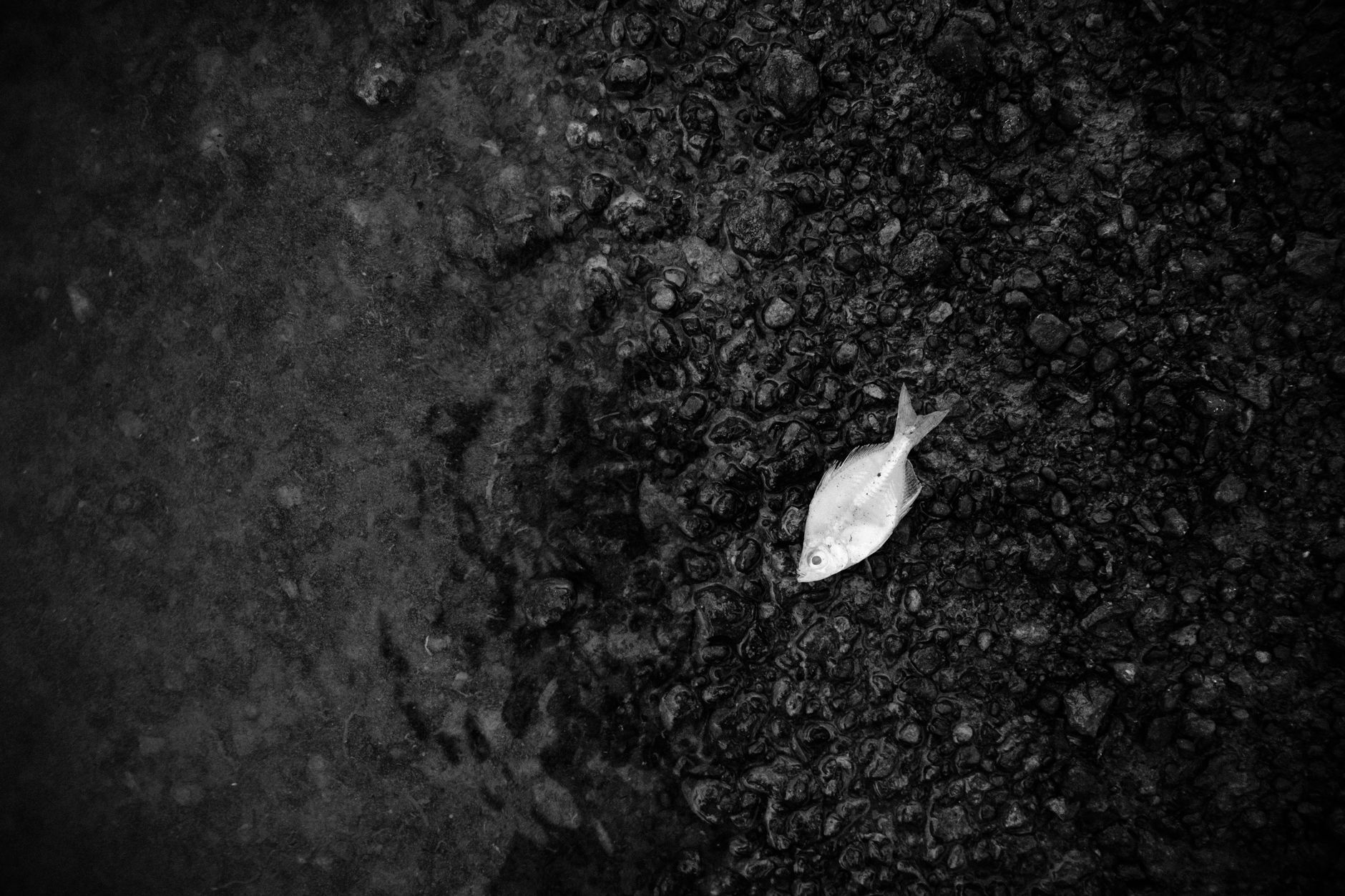
The Necessity of Water for Fish Respiration
Fishes have evolved specifically to extract oxygen from water. Their respiratory system, comprised of gills, is designed to function efficiently within an aquatic environment. Taking a fish out of water disrupts this finely tuned system, leading to a cascade of physiological problems.

Can fish hear water?
How do I add oxygen to my goldfish water?
Do carbon filters remove water hardness?
What is the GREY African clawed frog?
How Gills Function in Water

Gills are incredibly delicate structures, filled with tiny filaments and lamellae, which maximize surface area for gas exchange. Water flows over these gill filaments, allowing oxygen to be absorbed into the bloodstream and carbon dioxide to be released. This process relies on the constant flow of water to maintain the structure of the gills and facilitate gas exchange.
The Impact of Air Exposure on Gills
When a fish is removed from water, the gill filaments collapse and stick together. This drastically reduces the surface area available for oxygen absorption. Furthermore, the air isn’t dense enough to keep the filaments properly separated, hindering the critical gas exchange. Without this constant flow, the fish effectively suffocates.
Dehydration and Cellular Damage
Beyond respiration, water plays a critical role in maintaining the cellular integrity of a fish. Being exposed to air causes rapid dehydration, leading to cellular damage and electrolyte imbalances. These factors contribute to stress and, ultimately, organ failure.
Factors Affecting Survival Time Out of Water
Not all fish species are created equal in their ability to withstand air exposure. Several factors influence how long a fish can survive out of water:
- Species: Some species, like mudskippers, are adapted to spend significant time out of water and have special adaptations, such as cutaneous respiration (absorbing oxygen through their skin).
- Size: Smaller fish generally have higher metabolic rates and require more oxygen, making them more susceptible to suffocation.
- Water Temperature: Warm water holds less oxygen, so fish adapted to warmer waters might survive longer in air since they are already accustomed to a lower oxygen environment.
- Humidity: High humidity can slow down the rate of dehydration, potentially increasing survival time.
- Health of the Fish: A healthy fish is more likely to tolerate the stress of air exposure than a fish that is already sick or injured.
Ethical Considerations and Conservation
Understanding why Do fishes die when taken out of water? is crucial for promoting ethical fishing practices and effective conservation efforts. Minimizing the time fish spend out of water during catch-and-release fishing, for example, can significantly improve their chances of survival.
Common Mistakes in Handling Fish
Many well-intentioned anglers inadvertently harm fish during catch-and-release. Here are some common mistakes to avoid:
- Prolonged Air Exposure: Leaving a fish out of water for an extended period significantly reduces its chances of survival.
- Rough Handling: Squeezing or dropping a fish can cause internal injuries.
- Removing the Protective Slime Coat: The slime coat protects fish from infection and parasites. Dry hands or abrasive surfaces can damage this important layer.
Frequently Asked Questions (FAQs)
How long can a fish survive out of water?
The survival time varies greatly depending on the species and environmental conditions. Some fish may only survive for a few minutes, while others, like certain catfish species, might last for several hours in humid conditions. However, even short periods of air exposure can cause irreversible damage.
What happens to a fish’s scales when it’s out of water?
While the scales themselves don’t change dramatically immediately, the underlying tissues and skin dry out, which can make the scales more brittle and prone to damage. The protective slime coat is also compromised, increasing the risk of infection.
Do fish feel pain when they’re out of water?
Evidence suggests that fish do have the capacity to feel pain, although the experience may be different from that of mammals. Suffocation, dehydration, and tissue damage undoubtedly cause significant distress to the fish.
Can all fish breathe air?
No, most fish rely solely on their gills to extract oxygen from water. Only a relatively small number of fish species have evolved special adaptations that allow them to breathe air, such as a labyrinth organ (found in gouramis and bettas) or the ability to absorb oxygen through their skin (cutaneous respiration).
What is the best way to release a fish back into the water?
Handle the fish gently with wet hands or a knotless mesh net. Minimize air exposure and gently place the fish back into the water, facing upstream to allow water to flow over its gills. If the fish is struggling, gently hold it upright in the water until it recovers.
Does the size of the fish impact its survival out of water?
Generally, smaller fish have a higher metabolic rate and require more oxygen per unit of body mass. This means they are typically more susceptible to the effects of suffocation and dehydration and may survive for a shorter time compared to larger fish of the same species.
What is the role of the slime coat on a fish’s skin?
The slime coat is a protective layer that covers the fish’s skin, providing a barrier against pathogens, parasites, and injury. It also helps to reduce friction as the fish swims. Damage to the slime coat makes the fish more vulnerable to infection and disease.
How does water temperature affect a fish’s ability to survive out of water?
Warmer water holds less dissolved oxygen than colder water. Fish adapted to warmer environments might have a slightly higher tolerance to lower oxygen levels, but this doesn’t necessarily translate to longer survival out of water. The stress of temperature change combined with air exposure is still highly detrimental.
Are some fish species better adapted to surviving out of water than others?
Yes, certain fish species, such as mudskippers and some species of walking catfish, have evolved unique adaptations that allow them to survive for extended periods out of water. These adaptations include the ability to breathe air through their skin, gills, or specialized organs.
What is cutaneous respiration?
Cutaneous respiration is the process of absorbing oxygen through the skin. Some fish species, like certain catfish and eels, have skin that is highly vascularized, allowing them to extract significant amounts of oxygen directly from the air or moist surfaces.
Does the type of water (freshwater vs. saltwater) affect how long a fish can survive out of water?
The type of water a fish is adapted to doesn’t directly impact its survival time out of the water itself, but it greatly affects its ability to osmoregulate. Freshwater fish face constant influx of water, while saltwater fish face constant water loss. Either type will dehydrate quickly out of water.
Why is minimizing handling important for catch-and-release fishing?
Minimizing handling reduces stress on the fish, prevents damage to its protective slime coat, and shortens the amount of time it spends out of water. All of these factors contribute to increasing the fish’s chances of survival after being released back into the water. The better a fisherman handles a catch-and-release, the better the Do fishes die when taken out of water? success rate.