

Do Deer Have Antlers Right Now? A Seasonal Guide
Deer’s antlers are in a state of constant change, so whether they possess them right now depends on the species, their age, and, most importantly, the time of year. Generally speaking, most male deer (bucks) in North America will not have fully developed antlers in the late winter and early spring (February-April).

The Antler Cycle: A Year in the Life
Understanding whether deer have antlers right now requires understanding the intricate annual cycle of antler growth and shedding. This cycle is governed by hormonal changes driven by the changing seasons and daylight hours.
- Spring (March-May): Antler Growth Begins. As daylight increases, testosterone levels rise in bucks, triggering the growth of new antlers. These antlers are covered in a soft, velvety skin, providing nutrients and oxygen for rapid growth.
- Summer (June-August): Antler Maturation. Antlers continue to grow rapidly, reaching their full size by late summer. The velvet gradually dries and hardens.
- Autumn (September-November): The Rut and Polished Antlers. As the breeding season (the rut) approaches, bucks scrape off the velvet, polishing their antlers to a hard, bony finish. Antlers are used in displays of dominance and competition for mates.
- Winter (December-February): Antler Shedding. After the rut, testosterone levels plummet, causing the bone at the base of the antlers to weaken. Eventually, the antlers are shed, leaving pedicles (bony protrusions) on the skull.

Do all amphibians have eyelids?
Why do cuttlefish have W-shaped eyes?
Do all snakes have poison in them?
What is the GREY African clawed frog?
Species Variations
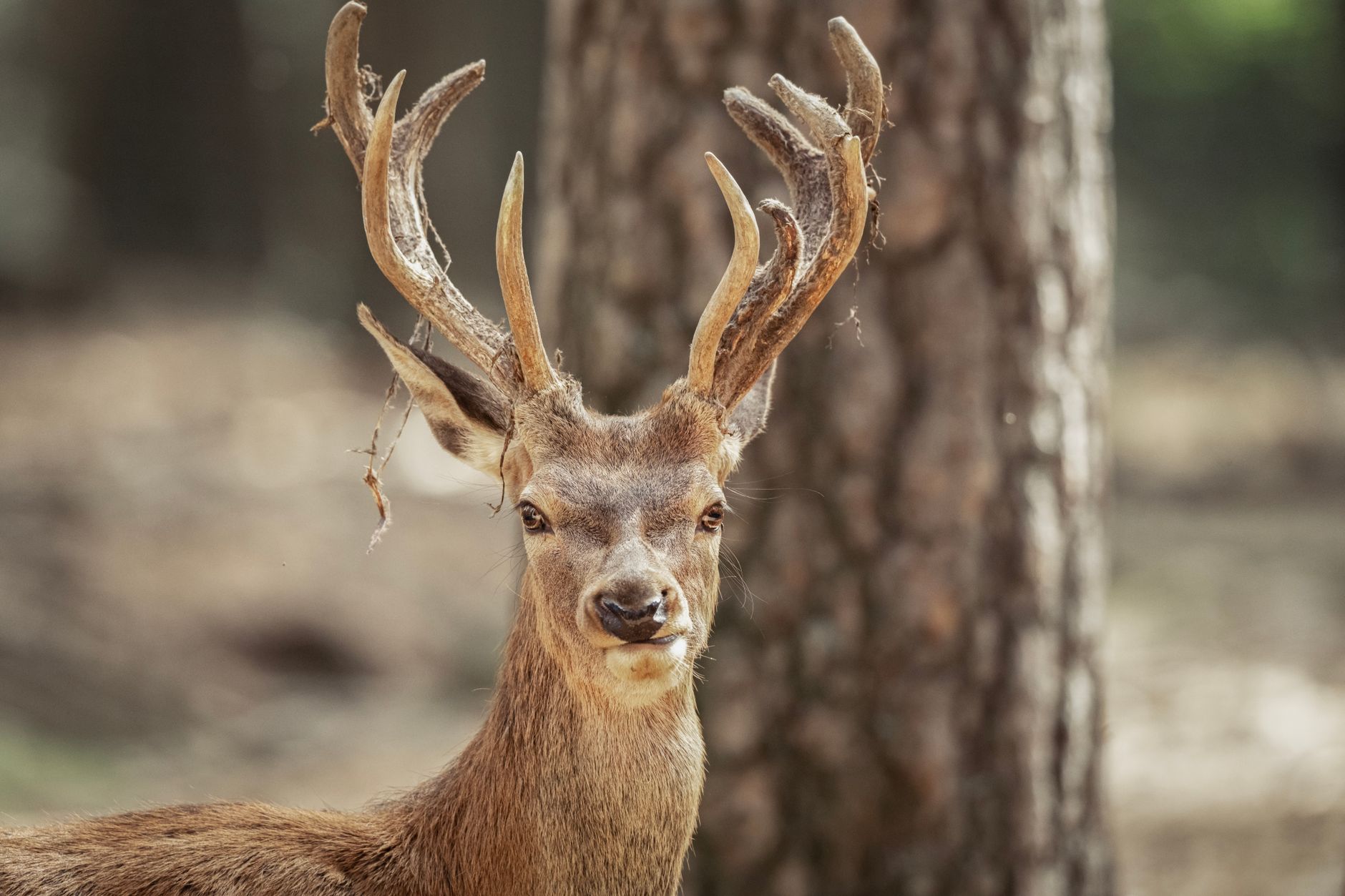
While the general antler cycle is consistent across deer species, there are variations in timing.
- White-tailed Deer: Shed their antlers typically from late December to March, with older bucks shedding earlier.
- Mule Deer: Shedding usually occurs from January to March.
- Elk: Shedding typically happens from late February to April.
- Moose: Shed later than other deer species, typically from December to January.
Factors Affecting Antler Growth
Several factors influence antler size and development:
- Age: Younger bucks typically have smaller antlers, increasing in size and complexity with age.
- Genetics: Some deer are genetically predisposed to grow larger antlers.
- Nutrition: A diet rich in protein, minerals (calcium, phosphorus), and vitamins is crucial for optimal antler growth. Poor nutrition can result in smaller or deformed antlers.
- Health: Illness or injury can negatively impact antler development.
- Photoperiod: The length of daylight hours is the primary trigger for the antler cycle.
Visual Guide to Antler Development
| Season | Antler Stage | Appearance |
|---|---|---|
| Spring | Beginning Growth | Small, velvet-covered bumps. |
| Summer | Rapid Growth | Large, velvet-covered antlers with branching tines. |
| Late Summer/Early Fall | Velvet Shedding/Hardening | Antlers with shredded velvet, eventually polished and hard. |
| Fall | Polished Antlers | Fully developed, hard antlers with tines. |
| Winter | Antler Shedding | Antlers absent, leaving pedicles on the skull. |
Why Do Deer Shed Their Antlers?
Shedding antlers is an energy-saving adaptation. Carrying around heavy antlers all year round would be energetically expensive, especially during the harsh winter months when food is scarce. Shedding allows deer to conserve energy and focus on survival.
Determining if Deer Have Antlers Right Now: Location and Observation
Do deer have antlers right now? To accurately determine the answer for your location:
- Observe Deer Directly: The most reliable way is to observe deer in your area. Look for bucks with antlers (either in velvet or hard-antlered) or pedicles.
- Consult Local Wildlife Agencies: State wildlife agencies often provide information on deer populations and antler cycles in specific regions.
- Use Trail Cameras: Deploy trail cameras to monitor deer activity and antler development in a specific area.
- Check Wildlife Forums/Groups: Local hunting and wildlife observation forums can provide up-to-date information on antler status in your area.
Frequently Asked Questions (FAQs)
What is antler velvet?
Antler velvet is the soft, fuzzy skin that covers growing antlers. It’s a highly vascularized tissue that provides nutrients and oxygen to the developing bone beneath. The velvet is sensitive to touch and injury during the growth phase. Think of it as the scaffolding and nutrient delivery system for building the antler.
Do female deer have antlers?
Generally, no. Only male deer (bucks) typically grow antlers. However, there are rare instances of female deer (does) growing antlers, usually due to hormonal imbalances. These antlered does usually have significantly smaller and less developed antlers compared to bucks.
Why do deer rub their antlers on trees?
Bucks rub their antlers on trees and shrubs for several reasons. Firstly, they do it to remove the velvet from their antlers. Secondly, the scent left behind from rubbing serves as a territorial marker, communicating their presence to other deer. Finally, antler rubbing helps to strengthen neck muscles in preparation for the rut. These rubs are important communication tools for the bucks.
What are the benefits of antler shedding and regrowth?
Antler shedding and regrowth allow bucks to potentially grow larger and more impressive antlers each year, reflecting their health and dominance. It’s a signal of their ability to survive and thrive, making them more attractive to potential mates. It also allows bucks to adapt to changing environmental conditions.
How long does it take for deer antlers to grow back?
The entire antler cycle, from shedding to full growth, typically takes around 4-5 months, depending on the species and individual deer. Under ideal conditions, antlers can grow incredibly quickly, sometimes several inches per week during the peak growth phase.
What happens to shed antlers?
Shed antlers are a valuable source of nutrients for other animals. Rodents, such as squirrels and mice, often gnaw on shed antlers to obtain calcium, phosphorus, and other minerals. Decomposers also break down the antlers over time. Shed antlers rarely last long in the wild.
Are shed antlers valuable?
Yes, shed antlers can be valuable, particularly to collectors and crafters. Matched sets of large, well-formed antlers are highly sought after. Some antlers are used to make decorative items, furniture, and even knife handles. The value varies greatly depending on size, condition, and species.
Can you tell the age of a deer by its antlers?
While antler size and complexity generally increase with age, it’s not a foolproof method for determining a deer’s exact age. Factors like genetics, nutrition, and health also play a significant role in antler development. Antler size is an indicator, not a definitive age marker. Tooth wear is a more reliable method for estimating a deer’s age.
Is it ethical to collect shed antlers?
Collecting shed antlers is generally considered ethical, as it doesn’t harm the deer. However, it’s important to be aware of any local regulations or restrictions on antler collecting on public lands. Always check local guidelines before collecting shed antlers.
What can I do to help deer grow bigger antlers?
Providing supplemental feeding can help improve antler growth, especially in areas with poor nutrition. Planting food plots with high-protein forages can also benefit deer. However, it’s important to consult with local wildlife agencies before implementing any feeding programs, as they can have unintended consequences. Consulting professionals can prevent doing more harm than good.
Do environmental factors, like climate change, affect antler growth?
Yes, climate change can affect antler growth. Changes in temperature and precipitation patterns can impact the availability of food resources for deer, which in turn can affect antler development. Shifting seasons and altered habitats can create challenges for deer.
If a deer is injured or sick, how does that affect antler growth?
Injuries or illnesses can significantly impact antler growth. A buck’s body will prioritize survival over antler development, diverting resources away from antler growth. Severely injured or sick deer may have smaller, deformed, or asymmetrical antlers.