
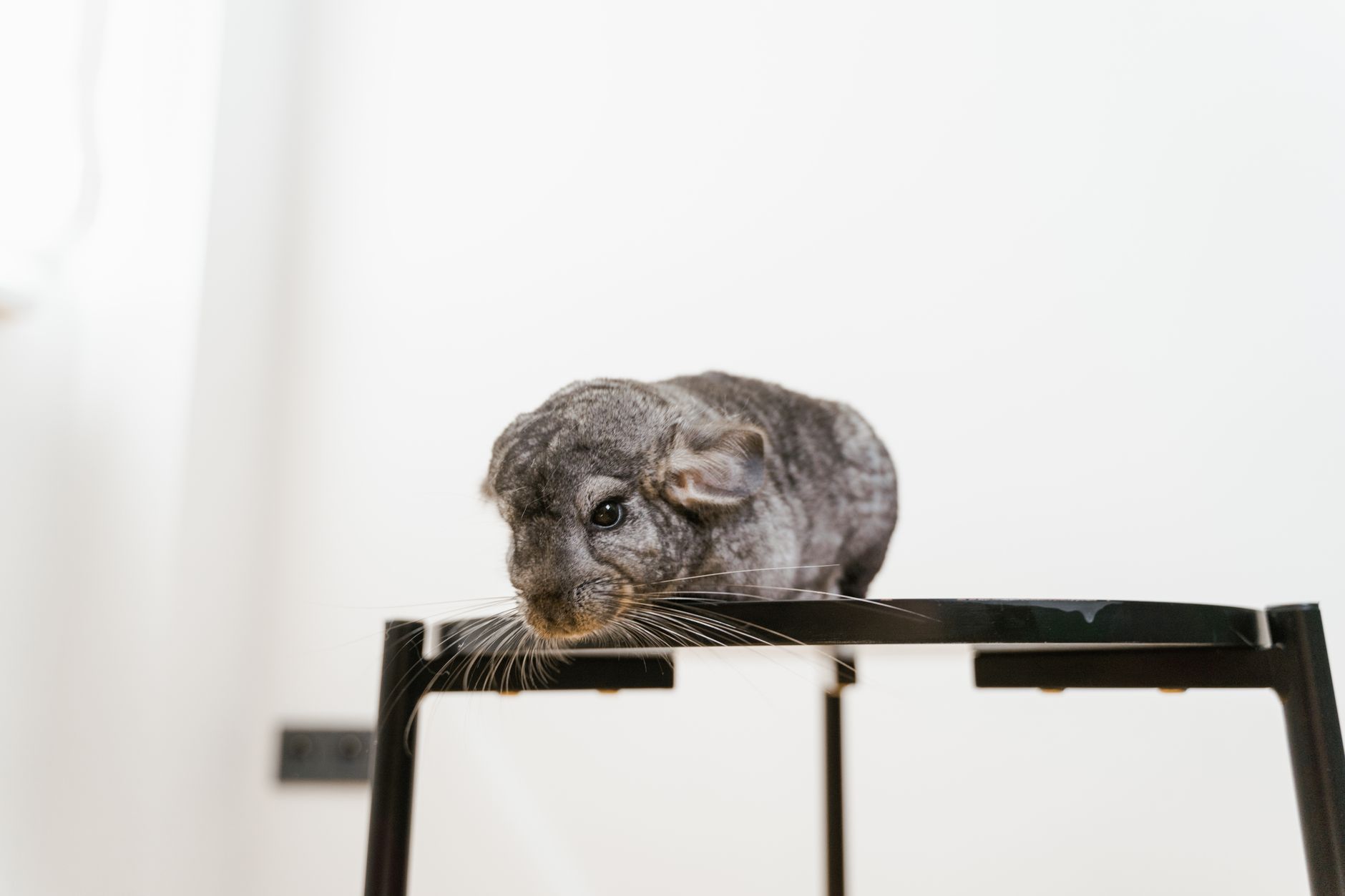
Do Chinchillas Thrive Solo or with a Companion? Unveiling the Truth
Do chinchillas live alone or in pairs? Chinchillas are naturally social animals that generally thrive best in pairs or small groups, provided introductions are handled carefully and their living space is adequate. Housing them alone can lead to loneliness and behavioral issues.
Understanding Chinchilla Social Needs
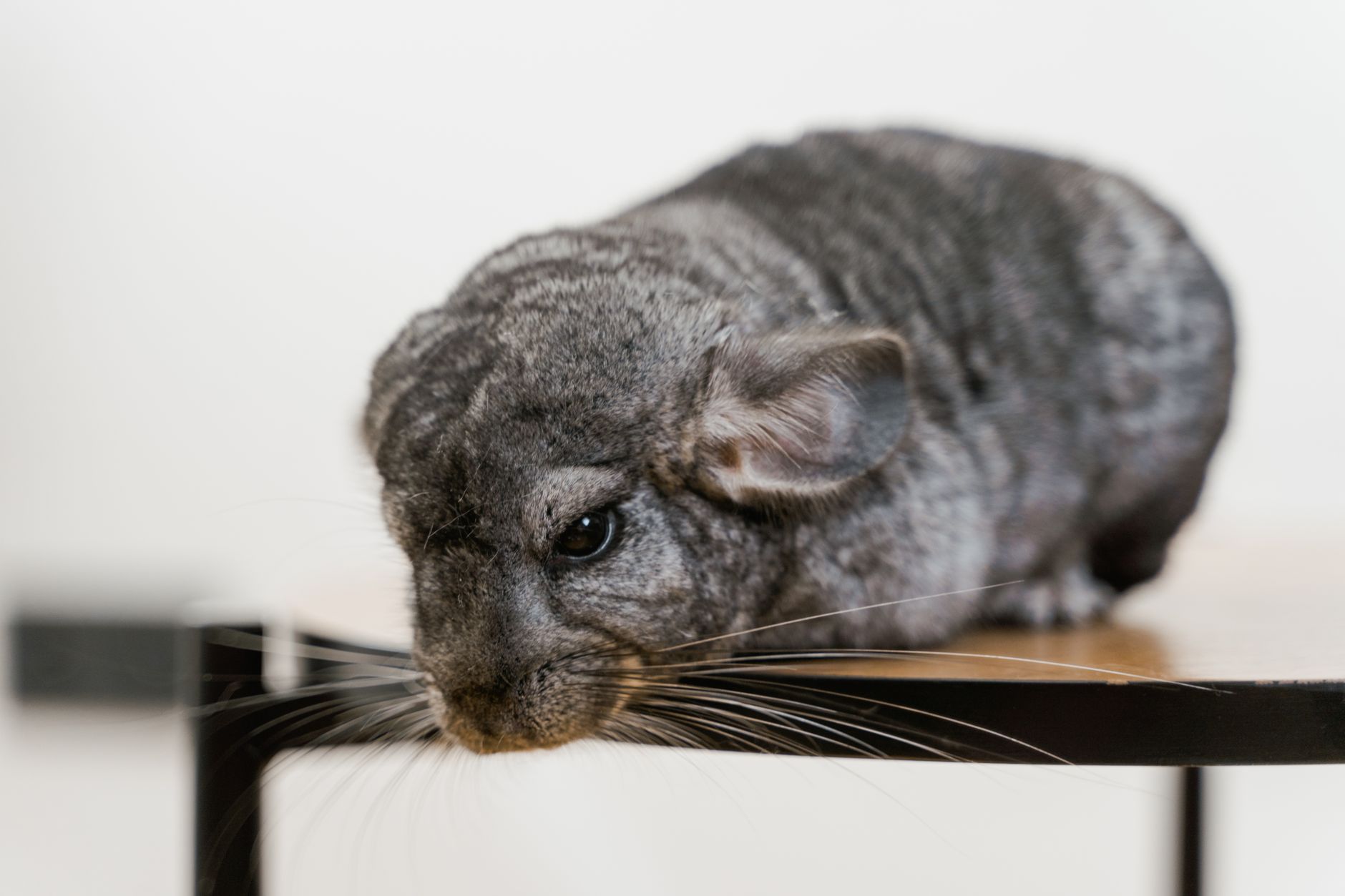
Chinchillas, originating from the Andes Mountains, evolved to live in colonies. This innate social behavior significantly influences their well-being in a domestic setting. Understanding their need for companionship is crucial for responsible chinchilla ownership. Ignoring this need can lead to a decline in their mental and physical health.

What is the GREY African clawed frog?
Is distilled water good for goldfish?
What colours are fish most attracted to?
Can you put your finger in a trout's mouth?
The Benefits of Paired Chinchillas

Keeping chinchillas in pairs or small groups offers numerous advantages:
- Reduced Boredom and Loneliness: Chinchillas are highly intelligent and require mental stimulation. A companion provides constant interaction, reducing boredom and the likelihood of destructive behaviors.
- Enhanced Grooming: Chinchillas engage in allogrooming, where they groom each other. This helps to maintain their fur and strengthens their bond.
- Increased Activity Levels: Paired chinchillas are generally more active and playful than solitary chinchillas. This helps to prevent obesity and maintain their overall health.
- Reduced Stress: The presence of a companion can reduce stress and anxiety in chinchillas, particularly when faced with changes in their environment.
Introducing Chinchillas: A Gradual Process
Introducing chinchillas requires patience and a gradual approach to avoid conflicts. Here’s a step-by-step guide:
- Quarantine: Keep the new chinchilla separate from your existing chinchilla(s) for at least two weeks to monitor for any signs of illness.
- Scent Exchange: Place the cages close to each other, allowing the chinchillas to smell each other without direct contact. You can also swap bedding between cages.
- Supervised Introductions: Begin with short, supervised introductions in a neutral area, such as a bathtub or a playpen.
- Monitor Behavior: Closely observe the chinchillas for signs of aggression, such as biting, chasing, or fur-pulling. If aggression occurs, separate them immediately and try again later.
- Gradual Increase in Time Together: Gradually increase the amount of time the chinchillas spend together.
- Shared Cage: Once the chinchillas are comfortable with each other, you can move them into a shared cage. Ensure the cage is large enough and has multiple levels, food bowls, and water bottles to prevent competition.
Factors to Consider Before Pairing
Several factors must be considered before pairing chinchillas:
- Gender: Same-sex pairings (especially females) are often the most successful. Opposite-sex pairings can lead to unwanted pregnancies if not neutered.
- Age: Introducing younger chinchillas to older chinchillas is often easier than introducing adults to each other.
- Temperament: Choose chinchillas with compatible temperaments. Avoid pairing highly dominant chinchillas, as this can lead to constant conflict.
- Space: Ensure the cage is sufficiently large for two or more chinchillas. Overcrowding can lead to stress and aggression.
Recognizing Signs of Aggression
It’s crucial to recognize the signs of aggression during the introduction process. These may include:
- Chasing: One chinchilla chasing another around the cage.
- Biting: Actual bites, especially around the ears and tail.
- Fur-pulling: Pulling out another chinchilla’s fur.
- Chattering: A warning sound made by chinchillas when they are agitated.
- Mounting: Although normal for establishing dominance, excessive mounting can be a sign of stress.
If you observe any of these signs, separate the chinchillas immediately and try a slower introduction process.
What if my chinchilla is aggressive and cannot be paired?
In rare cases, a chinchilla might be too aggressive or independent to live with others. In this situation, focus on enriching its environment with toys, climbing structures, and regular interaction with its human owner to combat loneliness and boredom.
Single Chinchillas: Meeting Their Needs
While paired chinchillas often thrive, some chinchillas may be happier as solitary pets, especially if they have had negative experiences with other chinchillas in the past. If you have a single chinchilla, it’s vital to compensate for the lack of companionship with:
- Frequent Interaction: Spend quality time with your chinchilla each day, playing, grooming, and providing attention.
- Enrichment: Provide a variety of toys, climbing structures, and chew toys to keep your chinchilla mentally stimulated.
- Visual Stimulation: Place the cage in an area where your chinchilla can see and interact with the household, but avoid direct sunlight.
Frequently Asked Questions About Chinchilla Companionship
Can male chinchillas live together?
Yes, male chinchillas can live together successfully, especially if they are littermates or introduced at a young age. However, careful introductions are still necessary, and close monitoring for aggression is vital. Ensure the cage is large enough to provide each chinchilla with its own space.
Can female chinchillas live together?
Female chinchillas often form strong bonds and can live together harmoniously. Female-female pairings generally have a high success rate, though squabbles can occasionally occur. Always provide ample space and resources to minimize competition.
Is it okay to keep just one chinchilla?
While chinchillas are social animals, some can thrive as solitary pets if their owners provide adequate attention, enrichment, and interaction. Monitor your chinchilla for signs of loneliness, such as lethargy, overgrooming, or destructive behavior.
What is the ideal age to introduce chinchillas?
Younger chinchillas are generally easier to introduce to each other than adults. Introducing a baby chinchilla to an older, established chinchilla can often result in a smoother transition.
How long does it take for chinchillas to bond?
The time it takes for chinchillas to bond varies. Some may bond within a few days, while others may take several weeks or even months. Patience and consistent, supervised introductions are key.
What size cage do I need for two chinchillas?
A cage for two chinchillas should be at least 4 feet wide, 2 feet deep, and 3 feet tall. More space is always better, especially if you plan to add more chinchillas in the future.
What toys are best for paired chinchillas?
Safe chew toys, climbing ledges, hammocks, and dust baths are all excellent options for paired chinchillas. Ensure there are enough resources to prevent competition.
How can I tell if my chinchillas are fighting or playing?
Fighting involves biting, chasing, and fur-pulling. Playing typically involves gentle wrestling, grooming, and playful hopping. Chattering can indicate either excitement or agitation.
Can I introduce a new chinchilla to an established pair?
Introducing a new chinchilla to an established pair is more challenging than introducing two chinchillas. The established pair may gang up on the newcomer. Proceed with extreme caution and introduce the new chinchilla very slowly.
What if my chinchillas start fighting after living together peacefully for a while?
Changes in environment, diet, or health can trigger aggression in chinchillas that previously lived peacefully. Consult a veterinarian to rule out any underlying medical issues. Also, re-evaluate their living space and resources.
Can I keep a chinchilla with other types of pets?
It is generally not recommended to keep chinchillas with other types of pets, especially predators like cats and dogs. Even with supervision, the risk of injury or stress is too high.
What are the signs of a happy chinchilla pair?
Signs of a happy chinchilla pair include grooming each other, playing together, sleeping near each other, and exhibiting normal eating and activity levels. A healthy and bonded pair will be relaxed and comfortable in their environment.