

Do Blue Herons Live in Groups? Understanding Their Social Life
Blue herons are often solitary hunters, but the answer to “Do blue herons live in groups?” is more nuanced: while generally solitary, they form colonies, called rookeries, for breeding and nesting.
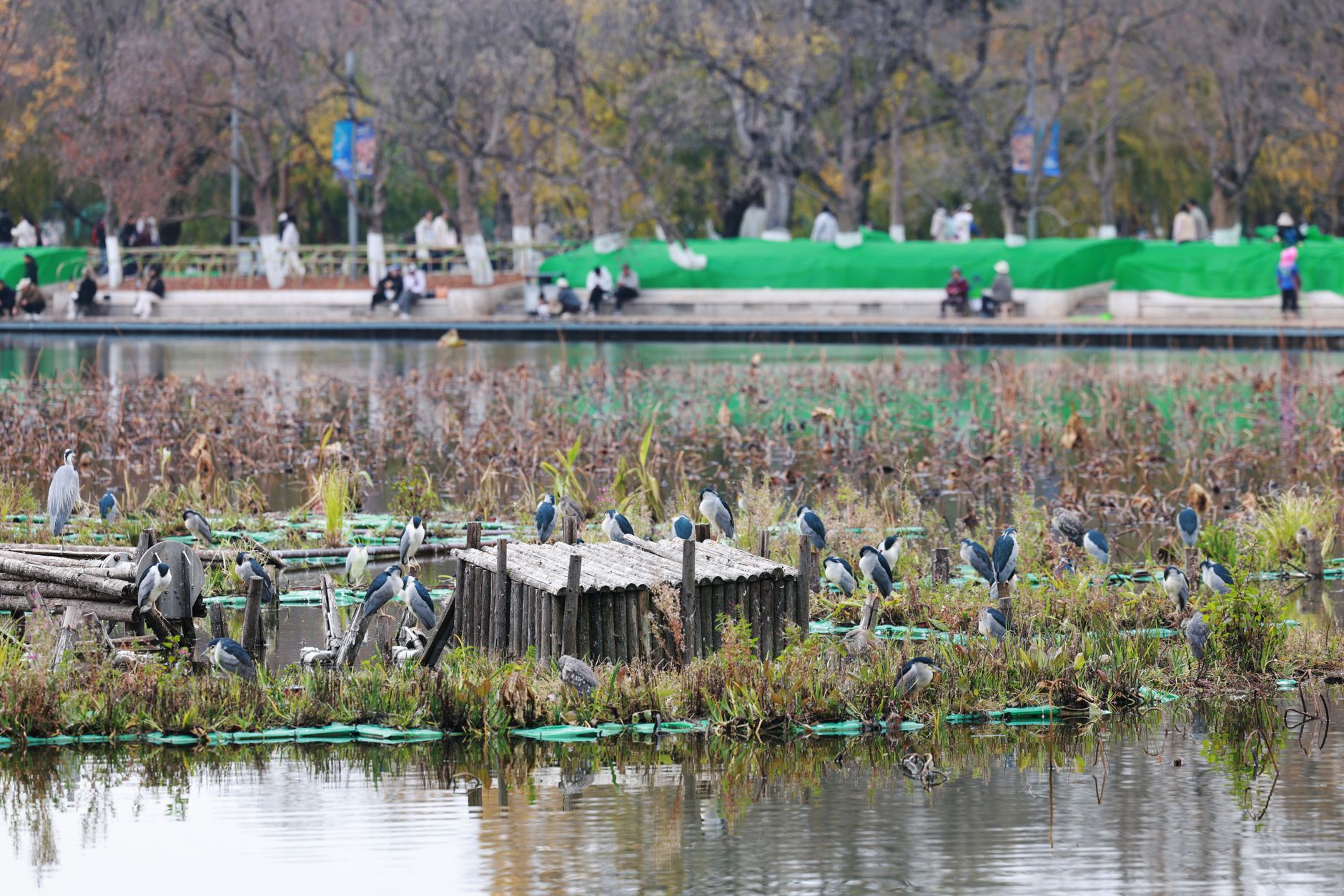
Great Blue Heron: The Solitary Stalker and Communal Breeder
The Great Blue Heron (Ardea herodias) is a magnificent bird, frequently seen standing motionless in wetlands, patiently waiting to strike at unsuspecting prey. This iconic image leads many to believe that they are exclusively solitary creatures. However, their social life reveals a more complex reality. While hunting and foraging are typically solo endeavors, their reproductive habits involve forming large communal nesting sites.

Can dwarf frogs live on land?
What is the GREY African clawed frog?
Is distilled water good for goldfish?
What colours are fish most attracted to?
The Purpose of Heron Rookeries

Rookeries, or heronries, are colonies where Great Blue Herons congregate to breed and raise their young. These sites offer several advantages:
- Protection from predators: A larger group provides increased vigilance, allowing the herons to collectively detect and deter potential threats.
- Information sharing: Observing the foraging success of other herons in the colony can lead individuals to more productive feeding grounds.
- Suitable nesting habitat: Rookeries are often located in areas with abundant food sources, suitable nesting trees (or sometimes ground locations), and relative safety from disturbance.
What Makes a Good Rookery Site?
The selection of a rookery site is crucial for the success of the breeding season. Ideal locations often include:
- Proximity to food: Shallow water habitats like marshes, swamps, and shorelines are essential for providing an abundant supply of fish, amphibians, and invertebrates.
- Isolation from human disturbance: Rookeries are frequently found in secluded areas to minimize stress and disruption during nesting.
- Availability of sturdy nesting platforms: Large trees, such as conifers and hardwoods, are often used as nesting sites. Occasionally, herons may nest on the ground in undisturbed areas.
Social Dynamics within Rookeries
While rookeries provide a communal nesting environment, a degree of social hierarchy and competition exists. Mates must establish a strong bond, defend their nests, and compete for resources. Complex social interactions, including displays of aggression and courtship rituals, are common occurrences within the colony. These interactions contribute to the overall dynamics of the rookery and influence the success of individual breeding pairs. It is important to remember when observing that Do blue herons live in groups? is yes, but that doesn’t mean it’s always peaceful.
Common Misconceptions About Great Blue Heron Social Behavior
Many people mistakenly assume that the solitary hunting behavior of the Great Blue Heron reflects its overall social life. While it is true that they are often seen foraging alone, the rookery behavior demonstrates a strong communal aspect, particularly during the breeding season. Therefore, understanding the full range of their social behavior requires considering both their solitary hunting habits and their communal nesting practices.
Frequently Asked Questions (FAQs)
What is the average size of a Great Blue Heron rookery?
The size of a rookery can vary greatly, ranging from a few nests to hundreds. Average rookery size is difficult to pinpoint, as it depends on factors like habitat availability, food abundance, and predator pressure.
How long do Great Blue Herons stay in rookeries?
They are typically present in the rookery only during the breeding season, which can vary depending on the geographic location but generally spans from early spring to late summer. After the young have fledged, the herons disperse.
Do Great Blue Herons reuse rookeries year after year?
Yes, they often do. Rookeries can be active for many years, sometimes even decades, provided that the habitat remains suitable and disturbance is minimal.
Do Great Blue Herons nest in the same tree every year?
They might return to the same general area or even the same tree, but they don’t necessarily use the exact same nest. They often build new nests or repair old ones.
What happens if a rookery is disturbed?
Disturbance can have a negative impact on breeding success. Herons may abandon their nests if they feel threatened, leaving eggs or young vulnerable to predators.
Do other bird species nest in Great Blue Heron rookeries?
Yes, it’s not uncommon to see other bird species, such as Double-crested Cormorants, nesting in the same rookery. This adds another layer to the answer of “Do blue herons live in groups?“, as it expands the definition to include other species.
What do Great Blue Herons eat?
Their diet is varied and includes primarily fish, but also amphibians, reptiles, small mammals, insects, and even small birds. They are opportunistic feeders and will eat whatever is readily available.
How long does it take for Great Blue Heron chicks to fledge?
It takes approximately 60 to 90 days from hatching to fledging, during which time the parents provide extensive care and feeding.
Are Great Blue Herons territorial outside of the rookery?
They can exhibit some territorial behavior around prime feeding spots, but this is generally not as pronounced as their territoriality within the rookery.
What are the main threats to Great Blue Heron populations?
Habitat loss, pollution, and disturbance are the main threats. Protecting wetlands and reducing pollution are crucial for their conservation.
How can I observe Great Blue Herons without disturbing them?
Maintain a respectful distance, use binoculars or a spotting scope, and avoid making loud noises or approaching too closely.
How can I help protect Great Blue Heron populations?
Support conservation organizations that work to protect wetlands and advocate for policies that protect habitat. Awareness and education are also key. Remember that when considering, “Do blue herons live in groups?,” it’s important to consider their need for undisturbed group nesting sites.