
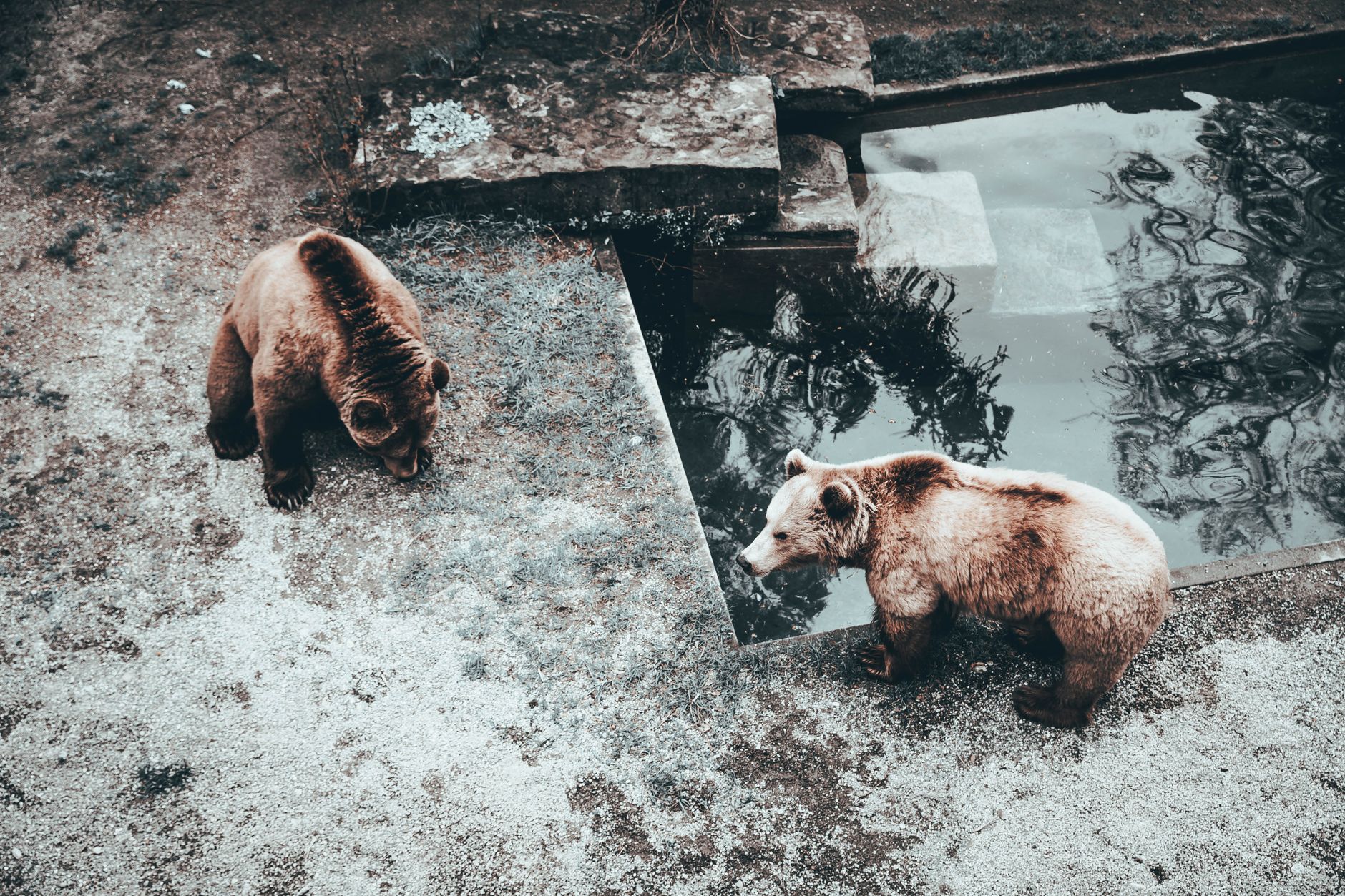
Do Bears Need Water During Hibernation? The Surprising Truth
While bears do not actively drink water during hibernation, they still require it and obtain it through metabolic processes and stored reserves. This article explores how these fascinating creatures manage their hydration needs during their long winter slumber.

Introduction: The Enigma of Bear Hibernation
Hibernation, a remarkable adaptation employed by various animals, allows them to survive periods of resource scarcity and harsh environmental conditions. Bears, particularly those in temperate climates, are known for their extended periods of dormancy, often referred to as winter sleep or torpor. A key question often arises: Do bears need water during hibernation? Understanding the answer requires delving into the physiological changes bears undergo during this period. Unlike true hibernators that experience drastic drops in body temperature and metabolic rate, bears undergo a milder form of dormancy. This unique process presents specific challenges and necessitates strategies to maintain essential bodily functions, including hydration.
Can fish hear water?
How often do you need to clean the glass in an aquarium?
How do I add oxygen to my goldfish water?
Do carbon filters remove water hardness?
Metabolic Water: A Key Source

One of the primary ways bears meet their water needs during hibernation is through metabolic water. This is water produced internally as a byproduct of breaking down stored fat reserves. When bears enter hibernation, they have accumulated significant fat stores throughout the active season. This fat is not only a source of energy but also a crucial source of water. The chemical reactions involved in metabolizing fat release water molecules, which are then utilized by the bear’s body.
- Fat metabolism is a highly efficient process for water generation.
- This metabolic water helps maintain fluid balance.
- The amount of water produced is directly related to the amount of fat metabolized.
Stored Water Reserves
In addition to metabolic water, bears may also rely on water stored in their body tissues and fluids. Prior to entering hibernation, bears often increase their water intake and may retain more fluid than usual. This provides a reserve that can be tapped into throughout the dormancy period.
- Bears may drink more water before hibernation.
- Water is stored in various body tissues and fluids.
- This stored water is used in conjunction with metabolic water.
Strategies for Water Conservation
Bears employ several physiological strategies to minimize water loss during hibernation. These strategies help them conserve water and maintain hydration throughout their extended period of dormancy.
- Reduced Respiration: Bears significantly reduce their breathing rate during hibernation, minimizing water loss through respiration.
- Lowered Metabolism: A lower metabolic rate reduces the overall demand for water in bodily processes.
- Urine Retention: Bears reabsorb water from their urine back into their bloodstream, reducing the amount of water excreted.
- Fecal Plug Formation: A fecal plug forms in the rectum, preventing defecation and associated water loss.
Variations Among Bear Species
While the general principles of hydration during hibernation apply to most bear species, there may be variations depending on the species, geographic location, and length of hibernation. For example, bears in colder climates with longer winters may rely more heavily on metabolic water from fat reserves.
The Myth of Drinking During Hibernation
Despite the need for water, it’s a common misconception that bears actively drink water during hibernation. In reality, bears typically do not leave their dens to drink water during this period. Their physiological adaptations are designed to meet their hydration needs internally. While it’s rare, brief arousals can occur, and if access to water is available, it may be consumed, but this is not the norm.
Potential Risks of Dehydration
Although bears are well-adapted to conserve water, dehydration can still pose a risk, especially if hibernation is interrupted or if the bear’s fat reserves are insufficient. Signs of dehydration in a hibernating bear would be difficult to observe, but it could lead to physiological stress and potentially impact their overall health and survival.
Environmental Influences
The environment also plays a role in a bear’s hydration during hibernation. For instance, a very dry den environment could increase water loss through respiration, potentially requiring the bear to rely more heavily on metabolic water. Humidity inside the den plays a significant role.
Summary of Key Hydration Strategies
The following table summarizes the different mechanisms by which bears obtain and conserve water during hibernation:
| Strategy | Description | Source of Water |
|---|---|---|
| Metabolic Water | Water produced as a byproduct of fat metabolism. | Breaking down stored fat reserves |
| Stored Water Reserves | Water retained in body tissues and fluids before hibernation. | Increased water intake and retention prior to hibernation |
| Reduced Respiration | Significantly lowering breathing rate to minimize water loss. | N/A – Conservation Strategy |
| Urine Retention | Reabsorbing water from urine back into the bloodstream. | N/A – Conservation Strategy |
| Fecal Plug Formation | Preventing defecation to avoid water loss. | N/A – Conservation Strategy |
Frequently Asked Questions (FAQs)
Why don’t bears drink water during hibernation?
Bears do not actively drink water during hibernation because their bodies are adapted to meet their hydration needs through internal mechanisms like metabolic water production and water conservation strategies. Leaving the den to drink water would require expending valuable energy and risking exposure to harsh environmental conditions.
How much water do bears produce through metabolism?
The amount of water produced through metabolism varies depending on the bear’s size, fat reserves, and metabolic rate. However, studies have shown that bears can produce a significant amount of water – enough to meet a substantial portion of their hydration needs during hibernation.
What happens if a bear becomes dehydrated during hibernation?
If a bear becomes dehydrated during hibernation, it can lead to physiological stress and potentially impact their overall health. Dehydration can disrupt essential bodily functions and potentially compromise their ability to survive the winter. Severe dehydration is a serious threat.
Do all bear species hibernate in the same way?
While most bear species in temperate climates exhibit some form of hibernation, the depth and duration of dormancy can vary. Some species may experience periods of deeper torpor than others, which can affect their water requirements.
Can bears urinate or defecate during hibernation?
Bears typically do not urinate or defecate during hibernation. They form a fecal plug to prevent defecation, and they reabsorb water from their urine back into their bloodstream. This helps to conserve water and reduce waste production.
Is it possible for bears to wake up during hibernation?
Bears can experience brief arousals during hibernation, although these are typically infrequent. These arousals may be triggered by disturbances, such as changes in temperature or the presence of predators. If water is available, the bear may drink, but it is not a necessity.
How do bears survive without drinking water for so long?
Bears survive without actively drinking water for extended periods by relying on metabolic water, stored water reserves, and various water conservation strategies. These adaptations allow them to maintain hydration throughout their hibernation.
Does the length of hibernation affect the bear’s water needs?
Yes, the length of hibernation can influence a bear’s water needs. Bears that hibernate for longer periods may rely more heavily on metabolic water from fat reserves and employ more stringent water conservation strategies.
How does climate change impact bear hibernation and water needs?
Climate change can impact bear hibernation and water needs by altering the availability of food resources, changing temperatures, and affecting the length of the hibernation period. These changes can impact a bear’s fat reserves and its ability to maintain adequate hydration.
What role does fat play in maintaining water levels during hibernation?
Fat plays a critical role in maintaining water levels during hibernation. As fat is metabolized, it produces water, which the bear’s body can use to stay hydrated. Sufficient fat reserves are crucial for producing enough metabolic water.
Do bears lose weight during hibernation?
Yes, bears lose weight during hibernation as they utilize their stored fat reserves for energy and water production. The amount of weight loss varies depending on the bear’s size, fat reserves, and the length of the hibernation period.
What research is being done on bear hibernation and water conservation?
Researchers are continuing to study bear hibernation to better understand the physiological processes involved, including water conservation strategies. This research can provide valuable insights into animal adaptation and potential applications for human medicine. Ultimately, the question “Do bears need water during hibernation?” is answered through the understanding of complex biological processes.