

Do Baby Red-Eared Sliders Live in Water?
Yes, baby red-eared sliders do live in water. They are semi-aquatic turtles and rely on water for almost every aspect of their lives, from feeding and swimming to basking and thermoregulation.
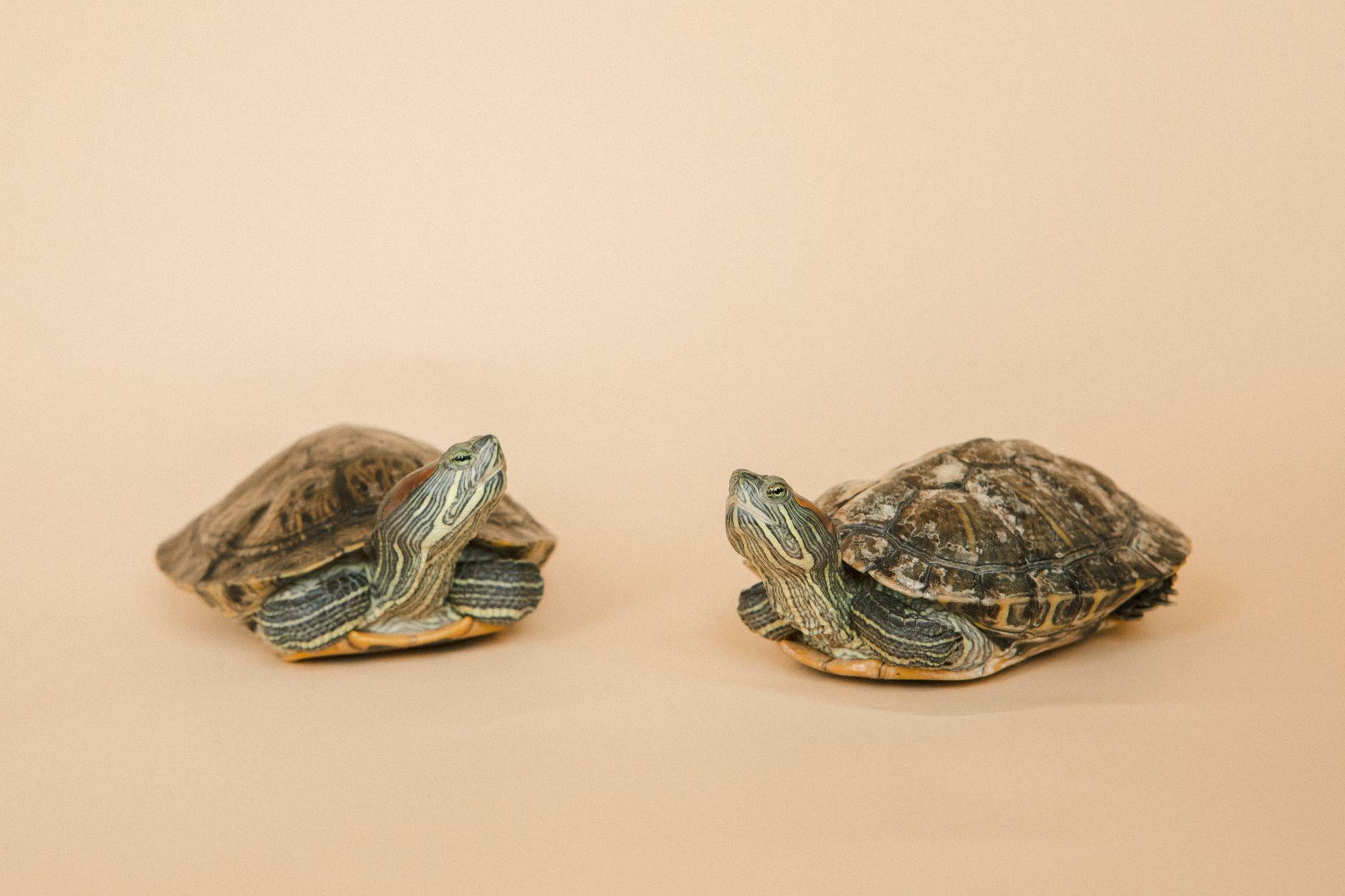
Red-Eared Sliders: A Quick Background
Red-eared sliders (Trachemys scripta elegans) are among the most popular pet turtles worldwide. Originating from the southeastern United States and northern Mexico, these reptiles are named for the distinctive red stripes behind their eyes. They are incredibly adaptable, which has unfortunately led to their becoming an invasive species in many parts of the world. Understanding their needs, especially those of baby red-eared sliders, is crucial for their well-being in captivity and for preventing ecological damage in the wild. Their semi-aquatic nature dictates almost all aspects of their care.

Can fish hear water?
How do I add oxygen to my goldfish water?
Do carbon filters remove water hardness?
Can dwarf frogs live on land?
The Aquatic Life of Baby Sliders

Baby red-eared sliders are born with a strong instinct to swim and survive in water. Here’s what you need to know about their aquatic lifestyle:
- Habitat: They need a spacious aquatic environment that allows them to swim freely. The water depth should be adequate to fully submerge and swim, but not so deep that they struggle to reach the surface for air.
- Essential for Feeding: Red-eared sliders, including the babies, cannot swallow food on land. Water is essential for them to ingest their food.
- Basking is Still Important: While primarily aquatic, baby sliders require a basking platform where they can dry off and absorb UVB light, crucial for vitamin D3 synthesis and calcium absorption.
- Water Quality is Key: Because they spend so much time in the water, maintaining pristine water quality is paramount. Dirty water can lead to various health problems, including shell rot and respiratory infections.
Benefits of an Aquatic Environment for Baby Sliders
Providing a proper aquatic environment for baby red-eared sliders isn’t just a recommendation; it’s a necessity. Here’s why:
- Thermoregulation: Water helps them regulate their body temperature. Turtles are ectothermic, meaning they rely on external sources of heat.
- Hydration: They absorb some water through their skin, which aids in hydration.
- Waste Elimination: They eliminate waste in the water, so regular water changes are crucial.
- Natural Behavior: An aquatic environment allows them to exhibit natural behaviors like swimming, diving, and hunting for food.
Setting Up the Ideal Aquatic Habitat
Creating the right aquatic setup for a baby red-eared slider involves several key elements:
- Tank Size: A minimum of 20 gallons is recommended for a single baby slider, but larger is always better. As they grow, you’ll need to upgrade the tank size accordingly.
- Filtration: A powerful filter is essential to keep the water clean and clear. Choose a filter rated for at least twice the tank’s capacity.
- Water Heater: Maintain a water temperature between 75-80°F (24-27°C). Use a submersible water heater.
- Basking Platform: Provide a dry basking platform with a UVB lamp and a heat lamp. The basking area should be around 90-95°F (32-35°C).
- Substrate (Optional): While not strictly necessary, you can add a substrate like large river rocks to the bottom of the tank. Avoid small gravel, as baby sliders may ingest it.
- Decorations: Add some aquatic plants (real or artificial) and hiding spots to enrich their environment.
Common Mistakes to Avoid
Caring for baby red-eared sliders can be challenging, and it’s easy to make mistakes. Here are some common pitfalls to avoid:
- Overfeeding: Overfeeding can lead to obesity and other health problems. Feed them a portion size equivalent to the size of their head daily.
- Neglecting Water Quality: Infrequent water changes are a major cause of illness. Perform partial water changes (25-50%) weekly and a full water change monthly.
- Inadequate Basking Area: Without a proper basking area, they can’t thermoregulate or synthesize vitamin D3.
- Keeping them in Small Containers: Small containers restrict their movement and can cause stress.
- Not Providing UVB Lighting: UVB lighting is crucial for calcium absorption and bone health. Without it, they can develop metabolic bone disease.
- Releasing into the wild: Never release red-eared sliders into the wild. They are an invasive species and can harm local ecosystems.
Feeding Your Baby Red-Eared Slider
A balanced diet is crucial for the healthy growth of your baby red-eared slider.
- Commercial Turtle Food: This should form the base of their diet. Choose a high-quality pellet food formulated for baby turtles.
- Live Foods: Supplement their diet with live foods like crickets, mealworms, and bloodworms.
- Vegetables: Offer leafy green vegetables like romaine lettuce, kale, and dandelion greens.
- Supplements: Calcium supplements are essential, especially if they are not getting enough UVB exposure.
FAQs: Baby Red-Eared Slider Care
What is the ideal water temperature for baby red-eared sliders?
The ideal water temperature for baby red-eared sliders is between 75-80°F (24-27°C). Maintaining this temperature is crucial for their metabolism and immune function. A submersible water heater is essential to achieve and maintain this temperature range.
How often should I clean the water in my baby red-eared slider’s tank?
You should perform partial water changes (25-50%) weekly and a full water change monthly. Regular water changes help remove waste and prevent the buildup of harmful bacteria and toxins. Good filtration also contributes to water cleanliness.
How much should I feed my baby red-eared slider?
Feed your baby red-eared slider a portion size equivalent to the size of their head daily. Overfeeding can lead to obesity and other health problems. Remember that they need water to swallow their food.
What kind of lighting does a baby red-eared slider need?
Baby red-eared sliders require both UVB and heat lamps. The UVB lamp is essential for vitamin D3 synthesis and calcium absorption, while the heat lamp provides a basking area for thermoregulation. Proper lighting is vital for their health and well-being.
Can baby red-eared sliders live with other turtles?
It’s generally not recommended to house baby red-eared sliders with other turtles, especially if the other turtles are larger. Larger turtles may bully or injure the smaller sliders. If you do house them together, provide plenty of space and hiding spots.
How long do baby red-eared sliders need to bask each day?
Baby red-eared sliders should have access to a basking area for several hours each day. Basking allows them to dry off, absorb heat, and synthesize vitamin D3. Aim for at least 2-4 hours of basking time.
What are the signs of illness in a baby red-eared slider?
Signs of illness in baby red-eared sliders include lethargy, loss of appetite, swollen eyes, shell rot, respiratory problems, and unusual behavior. If you notice any of these signs, consult a reptile veterinarian immediately.
What is shell rot and how can I prevent it?
Shell rot is a bacterial or fungal infection that affects the shell of the turtle. It’s often caused by poor water quality and inadequate basking. To prevent shell rot, maintain clean water, provide a proper basking area, and ensure the shell is dry between basking sessions.
Are baby red-eared sliders good pets for children?
While red-eared sliders can be fascinating pets, they require specialized care and are not always suitable for young children. Children may not understand the importance of proper hygiene and can be at risk of Salmonella infection. Adult supervision is essential.
What is the lifespan of a red-eared slider?
Red-eared sliders can live for 20-30 years or even longer in captivity, provided they receive proper care. Commitment to their long-term needs is essential before acquiring one as a pet.
Is it legal to own a red-eared slider?
In some areas, it may be illegal to own red-eared sliders due to their invasive nature. Check your local laws and regulations before acquiring one. Responsible ownership includes understanding and complying with all applicable laws.
Where can I adopt a red-eared slider?
Consider adopting a red-eared slider from a rescue organization or animal shelter. Many turtles are surrendered each year due to improper care or owners being unable to provide for their needs. Adoption is a responsible and ethical choice.