
Did Japan Have Tigers? Unveiling a Feline Mystery
The answer to the question “Did Japan have tigers?” is definitively no. While tiger imagery and lore are present in Japanese culture, no evidence exists of native tiger populations ever inhabiting the Japanese archipelago.

Introduction: Tigers in the Cultural Landscape of Japan
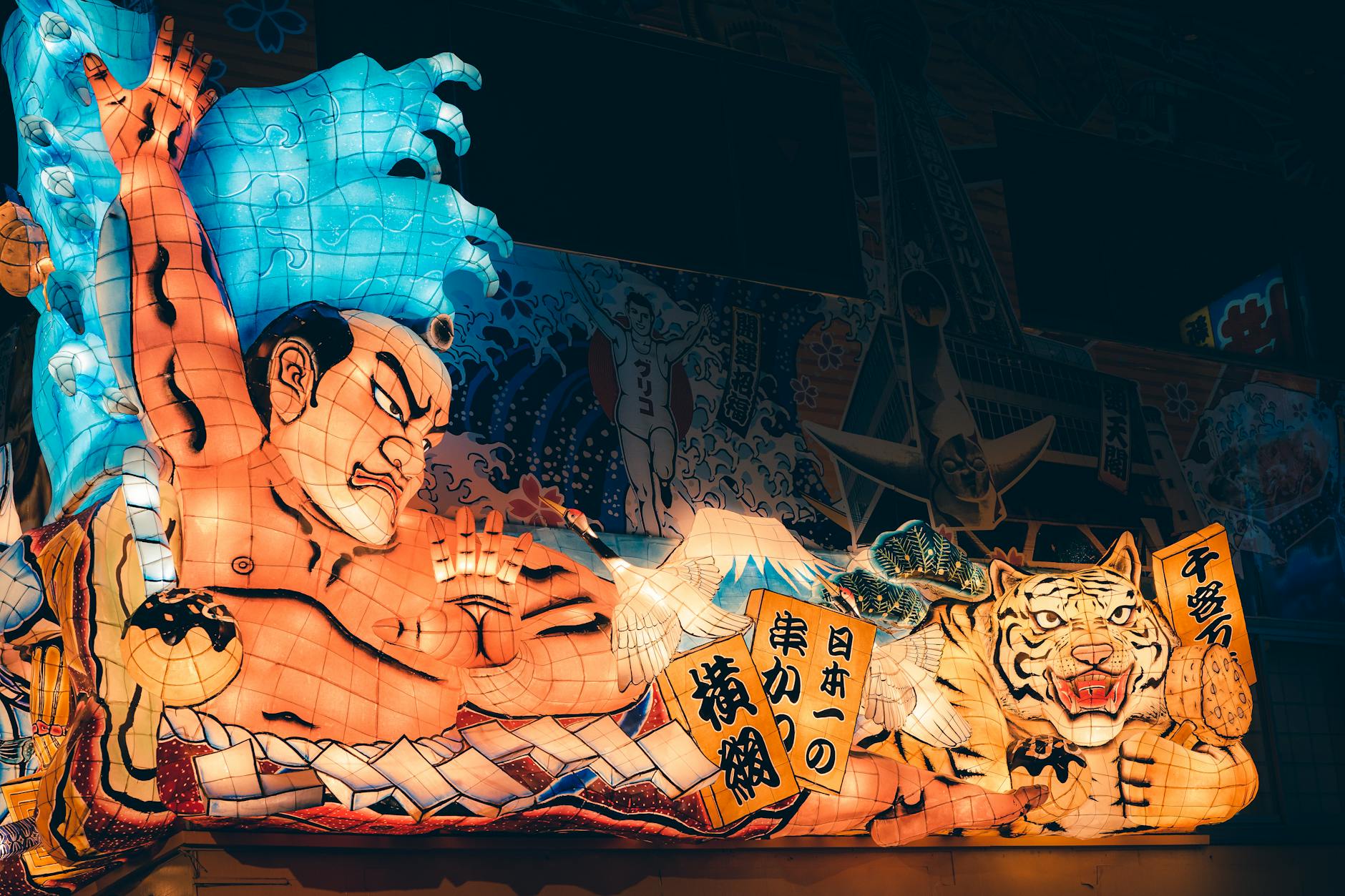
The majestic tiger, a symbol of power, courage, and ferocity, holds a prominent place in Japanese art, folklore, and mythology. From woodblock prints to elaborate temple carvings, the tiger’s image is undeniably present. Yet, curiously, these representations do not reflect a reality of indigenous tigers roaming the Japanese islands. This begs the question: where does the tiger’s pervasive presence in Japanese culture originate, given that Did Japan have tigers? is a resounding no?
Do all amphibians have eyelids?
Why do cuttlefish have W-shaped eyes?
Do all snakes have poison in them?
What is the GREY African clawed frog?
The Origin of the Tiger’s Image in Japan

The tiger’s introduction to Japanese culture is thought to have occurred through:
- Imported Artwork: Primarily from China and Korea, artwork depicting tigers arrived in Japan. These images, often incorporated into Buddhist iconography, showcased the tiger’s power and symbolism.
- Oral Tradition: Stories and legends, carried along trade routes and through cultural exchange, introduced the tiger to the Japanese consciousness. Without firsthand encounters, descriptions and interpretations were filtered through existing Japanese cultural lenses.
- Medicinal Practices: Tiger parts, believed to possess medicinal properties, were sometimes imported, further contributing to the mystique surrounding the animal.
Therefore, the tiger wasn’t native but introduced as a cultural and artistic concept.
The Tiger in Japanese Art and Folklore
The tiger quickly became a popular motif in Japanese art, often depicted alongside dragons, lions, or other mythical creatures. It symbolized strength, protection against evil spirits, and courage. It’s crucial to understand that this artistic representation existed within a context where did Japan have tigers?, the answer being an emphatic no.
- Woodblock Prints (Ukiyo-e): Artists like Hokusai and Hiroshige frequently incorporated tigers into their landscapes and historical narratives.
- Temple Carvings: Tigers often adorn temple entrances, acting as guardians.
- Folktales and Legends: Tigers feature in numerous Japanese folktales, sometimes as benevolent protectors, other times as fearsome adversaries.
- The Zodiac: The tiger represents one of the twelve animals of the Chinese zodiac, influencing Japanese astrology and calendar systems.
The Absence of Fossil Evidence
Perhaps the most compelling evidence against native tiger populations is the complete absence of fossil remains. Extensive paleontological studies throughout Japan have yielded no skeletal evidence or other physical traces of tigers. Given their size and presence in neighboring regions, the lack of fossil evidence strongly suggests that did Japan have tigers?, the answer is clearly negative. There is simply no scientific proof to support their existence.
Why No Tigers in Japan? Geographical Barriers and Climate
Several factors likely prevented tigers from naturally colonizing Japan:
- Geographical Isolation: Japan’s island archipelago is separated from the Asian mainland by significant stretches of water. This posed a substantial barrier to tiger migration, especially during periods of lower sea levels.
- Climate: While parts of Japan have suitable habitats, the overall climate may not have been consistently conducive to tiger survival throughout their evolutionary history.
- Competition: The presence of other large predators, such as bears and wolves, may have limited the ecological niches available for tigers.
- The Tsushima Strait: Separating the Korean peninsula from Japan, this stretch of water has historically been a significant barrier. Even during periods of lower sea level, it would have still required some swimming which is not something tigers are inclined to do.
| Factor | Explanation |
|---|---|
| Geographical Isolation | The island nation was isolated by water, making natural migration difficult. |
| Climate | While some areas are suitable, the overall climate may not have been consistently favorable. |
| Competition | Existing predators like bears and wolves may have limited the available ecological niches. |
| Tsushima Strait | This waterway between Korea and Japan presented a significant barrier, even during lower sea level periods. |
Potential Misidentification and Cryptids
Some accounts and folklore might suggest the presence of large, unidentified felines in Japan. However, these are more likely cases of misidentification or belong to the realm of cryptozoology (the study of animals whose existence is disputed or unsubstantiated). The possibility that did Japan have tigers?, secretly roaming remote areas remains highly improbable based on current scientific understanding. More plausible explanations include sightings of feral cats or dogs.
Modern Conservation Efforts and the Tiger’s Symbolism
While tigers are not native to Japan, the country plays a role in global tiger conservation efforts. Zoos and research institutions in Japan contribute to breeding programs and support conservation projects in tiger range countries. The tiger, even as a symbol, serves as a reminder of the importance of biodiversity and the need to protect endangered species worldwide. Even though did Japan have tigers? is no, Japan is still involved in tiger conservation in other countries.
Frequently Asked Questions (FAQs)
Is it possible that tigers lived in Japan millions of years ago?
While possible, there is no fossil evidence to support this. Paleontological discoveries indicate that other large mammals inhabited Japan during the Pleistocene epoch (Ice Age), but no remains of tigers have ever been found.
Could tigers have swum to Japan from mainland Asia?
It is highly unlikely. Tigers are generally not strong swimmers, and the distances involved, particularly across the Tsushima Strait, would present a significant challenge. Even at times of low sea level the distances and currents would have presented a difficult obstacle. Therefore, the answer to the question Did Japan have tigers? is still no.
Are there any tigers in Japanese zoos?
Yes, many zoos in Japan house tigers as part of their animal collections and conservation programs.
Why is the tiger so prevalent in Japanese art if it’s not native?
The tiger’s imagery was introduced from China and Korea along with Buddhism and other cultural influences. Its symbolism of strength, courage, and protection resonated with Japanese artists and audiences.
Did the Japanese government ever try to introduce tigers to Japan?
There is no historical record of any official attempt to introduce tigers into the Japanese wilderness.
Are there any Japanese words for “tiger” that suggest a native origin?
The Japanese word for tiger, tora (虎), is borrowed from the Chinese word for tiger (hǔ). This linguistic borrowing further supports the idea that the tiger was not native. This indicates the answer to the question Did Japan have tigers? is a definitive no.
Could undiscovered fossils of tigers exist in Japan?
While always a possibility, the extensive geological surveys conducted in Japan make it unlikely that significant tiger fossils remain undiscovered.
Are there any myths or legends about tiger-like creatures in Japan?
Some stories feature creatures resembling tigers, but these are generally considered mythological beings rather than evidence of real tigers. Often they are conflations of native animals with the imported image of the tiger.
How reliable is the evidence that tigers never lived in Japan?
The lack of fossil evidence, combined with geographical barriers and historical records, provides very strong evidence that tigers never inhabited Japan. This consensus is held by biologists and paleontologists. So Did Japan have tigers? is still considered a very unlikely scenario.
Could climate change have impacted historical tiger habitats in Japan?
While climate change can impact species ranges, the historical and geographical evidence suggests that climate was not the primary factor preventing tigers from reaching Japan.
Does the cultural presence of tigers in Japan have any impact on conservation efforts?
Yes, the tiger’s symbolic importance in Japan helps raise awareness and support for global tiger conservation initiatives.
If Japan doesn’t have tigers, what are some of its native large predators?
Japan’s native large predators include the Japanese wolf (now extinct), the Asian black bear, and various species of wildcats.