

Can You Swim in 68 Degree Water?: Understanding Cold Water Swimming
It is possible to swim in 68-degree water, but the experience hinges on individual tolerance, acclimatization, and safety precautions; while not dangerously cold for everyone, it’s cool enough to require consideration of hypothermia and cold shock risks, making preparation and awareness crucial for a safe and enjoyable swim.
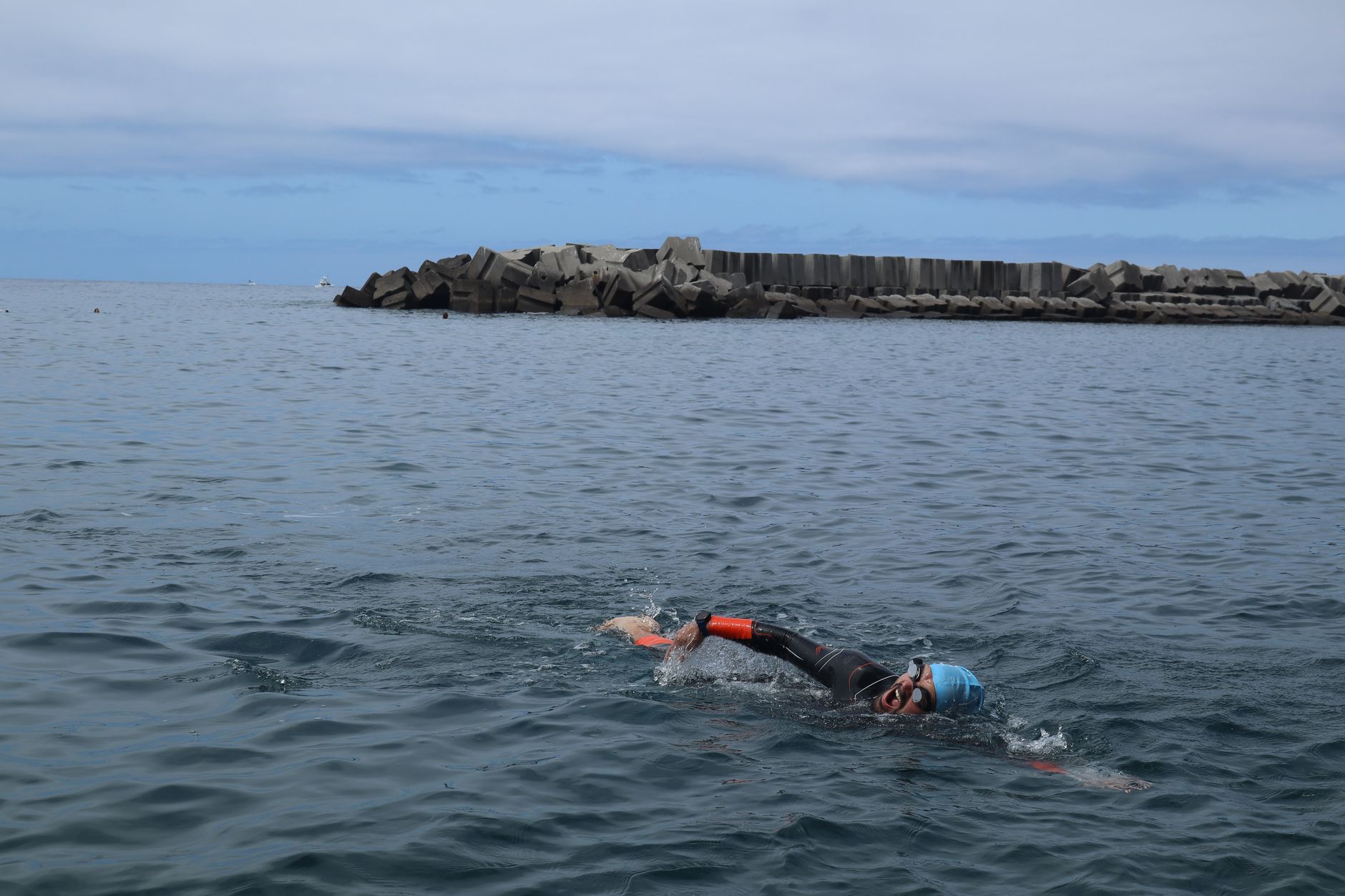
The Realities of 68 Degree Water Swimming
68-degree water sits on the cusp between comfortable and potentially chilling. Whether can you swim in 68 degree water depends heavily on several factors, including your body composition, acclimatization to cold, and the duration of your swim. This temperature is often encountered in early summer lakes and rivers or during shoulder seasons in coastal areas. Understanding the risks and benefits, along with proper preparation, is paramount for a safe experience.

Can fish hear water?
How do I add oxygen to my goldfish water?
Do carbon filters remove water hardness?
What is the GREY African clawed frog?
Benefits of Swimming in Cooler Water

While it might seem counterintuitive, swimming in cooler water like 68 degrees can offer certain advantages:
- Reduced Overheating: Cooler water helps regulate body temperature, preventing overheating, especially during strenuous workouts.
- Increased Calorie Burn: Your body works harder to maintain its core temperature, leading to a higher calorie burn.
- Potential Mood Boost: Cold water immersion can release endorphins, potentially improving mood and reducing stress.
- Improved Circulation: Cold exposure can stimulate blood flow and improve circulation.
However, these benefits are only realized when safety precautions are in place and the swim is approached responsibly.
Risks Associated with Swimming in 68 Degree Water
Understanding the potential risks is crucial before deciding if can you swim in 68 degree water.
- Hypothermia: Prolonged exposure to cooler water can lead to hypothermia, a dangerous condition where your body loses heat faster than it can produce it. Symptoms include shivering, confusion, slurred speech, and loss of coordination.
- Cold Shock Response: Immersion in cold water can trigger the cold shock response, characterized by involuntary gasping, hyperventilation, and increased heart rate. This can lead to panic and even drowning.
- Decreased Muscle Function: Cold temperatures can impair muscle function, making swimming more difficult and increasing the risk of cramps.
- Afterdrop: After exiting the water, your core temperature can continue to drop as cooler blood returns from your extremities, leading to delayed hypothermia.
Factors Affecting Cold Water Tolerance
Individual tolerance to cold water varies considerably. Several factors play a role:
- Body Fat Percentage: Individuals with higher body fat percentages tend to tolerate cold water better as fat acts as an insulator.
- Acclimatization: Repeated exposure to cold water can help the body adapt and improve cold tolerance.
- Age: Children and the elderly are more susceptible to hypothermia.
- Medical Conditions: Certain medical conditions, such as cardiovascular disease, can increase the risks associated with cold water swimming.
- Hydration & Nutrition: Being properly hydrated and nourished before and during a cold water swim is vital.
Preparing for a 68 Degree Water Swim
Proper preparation is key to a safe and enjoyable swim.
- Check the Weather: Monitor water and air temperatures, wind conditions, and wave height.
- Swim with a Buddy: Never swim alone in cold water.
- Wear Appropriate Gear: Consider a wetsuit, neoprene cap, gloves, and booties for increased insulation.
- Enter Gradually: Avoid jumping or diving into cold water to minimize the cold shock response.
- Stay Close to Shore: Limit your swim distance and stay within easy reach of safety.
- Bring a Warm Drink and Clothing: Have warm beverages and dry clothes ready for after your swim.
- Inform Someone of Your Plans: Tell someone where you are going and when you expect to be back.
- Have a plan for getting warmed up quickly after the swim.
Recognizing the Signs of Hypothermia
Knowing the signs of hypothermia can be life-saving.
- Shivering: Persistent and uncontrollable shivering is an early sign.
- Confusion: Disorientation and difficulty thinking clearly.
- Slurred Speech: Trouble speaking clearly.
- Loss of Coordination: Clumsiness and difficulty walking.
- Fatigue: Extreme tiredness and weakness.
- Memory Loss: Inability to recall recent events.
If you or your swimming buddy experience any of these symptoms, exit the water immediately and seek warmth.
Tips for a Safe and Enjoyable Swim
- Start Slowly: Gradually increase your swim time as you become more acclimatized.
- Focus on Breathing: Control your breathing to manage the cold shock response.
- Stay Active: Keep moving to generate heat.
- Listen to Your Body: Pay attention to your body’s signals and exit the water if you feel too cold or uncomfortable.
- Warm Up Properly: Re-warm gradually after your swim with warm drinks and dry clothing.
Common Mistakes to Avoid
- Underestimating the Cold: Assuming that 68 degrees is warm enough without considering other factors.
- Swimming Alone: Swimming alone in cold water is always a bad idea.
- Overestimating Your Abilities: Pushing yourself too hard or staying in the water for too long.
- Ignoring Warning Signs: Ignoring the signs of hypothermia or cold shock.
- Not Bringing Appropriate Gear: Failing to wear a wetsuit or other protective clothing.
- Not planning for adequate re-warming.
Key Gear to Consider for Cold Water Swimming
| Gear | Purpose | Benefits |
|---|---|---|
| Wetsuit | Provides insulation and reduces heat loss | Extends swim time, reduces risk of hypothermia |
| Neoprene Cap | Protects the head, a major source of heat loss | Keeps head warm, reduces cold shock response |
| Neoprene Gloves | Protects hands from the cold | Maintains dexterity, prevents numbness |
| Neoprene Booties | Protects feet from the cold | Prevents cold feet, improves grip on slippery surfaces |
| Swim Buoy | Increases visibility and provides a place to rest if needed | Makes you visible to boaters, offers flotation support |
Frequently Asked Questions (FAQs)
Is 68 degrees considered cold water for swimming?
While not extremely cold, 68 degrees Fahrenheit is considered cool water and can pose risks, especially for prolonged exposure. It’s crucial to assess individual tolerance and take necessary precautions. While can you swim in 68 degree water, the experience will be different and potentially risky compared to warmer temperatures.
How long can I safely swim in 68 degree water?
The safe swim time in 68-degree water varies depending on individual factors such as body fat, acclimatization, and activity level. A general rule is to limit your swim to 30-60 minutes for experienced cold-water swimmers with proper gear. Always err on the side of caution and exit the water if you feel too cold.
Does a wetsuit make a big difference in 68 degree water?
Yes, a wetsuit makes a significant difference. It provides insulation, reducing heat loss and extending your comfortable swim time. Even a thin wetsuit can greatly improve your experience and reduce the risk of hypothermia, making it much safer if can you swim in 68 degree water.
What is the cold shock response, and how can I manage it?
The cold shock response is the body’s initial reaction to sudden immersion in cold water. It involves gasping, hyperventilation, and increased heart rate. To manage it, enter the water gradually and focus on controlling your breathing.
Can I acclimatize to swimming in colder water?
Yes, acclimatization is possible through gradual and repeated exposure to cold water. Start with short swims and gradually increase the duration as your body adapts. Always prioritize safety and listen to your body.
What are the first signs of hypothermia I should watch out for?
The first signs of hypothermia include shivering, confusion, and loss of coordination. If you or your swim buddy exhibit these symptoms, exit the water immediately and seek warmth.
Is it safe for children to swim in 68 degree water?
Children are more vulnerable to hypothermia than adults, so extra caution is needed. Shorter swim times, appropriate gear, and close supervision are essential if can you swim in 68 degree water is being considered for a child.
What should I do immediately after exiting 68 degree water?
Immediately after exiting, dry off quickly, change into warm, dry clothing, and consume a warm beverage. Continue to monitor for signs of afterdrop.
How does body fat percentage affect my tolerance to cold water?
Higher body fat percentages provide greater insulation, helping to retain body heat and improve cold water tolerance. However, even individuals with lower body fat can safely swim in 68-degree water with proper precautions.
What is afterdrop, and how can I prevent it?
Afterdrop is a continued decrease in core body temperature after exiting cold water. To prevent it, warm up gradually and avoid sudden exposure to extreme heat.
Are there any medical conditions that make cold water swimming more dangerous?
Yes, certain medical conditions, such as cardiovascular disease, asthma, and diabetes, can increase the risks associated with cold water swimming. Consult with your doctor before attempting cold water swimming if you have any underlying health issues. This is especially relevant when considering can you swim in 68 degree water.
What is the best way to warm up after a cold water swim?
The best way to warm up is gradually. Sip warm liquids, put on dry clothes, and move to a warm area. Avoid extreme heat sources like hot showers immediately, as this can cause afterdrop. Gradual warming is key.