

Can You Put Guinea Pigs and Chinchillas Together? Understanding Compatibility
No, you should not put guinea pigs and chinchillas together. These species have vastly different needs and social behaviors, making cohabitation dangerous and stressful for both animals.

Introduction: The Importance of Species-Specific Housing
The question of whether “Can you put guinea pigs and chinchillas together?” is surprisingly common among small pet enthusiasts. While both are undeniably cute and cuddly in their own right, their compatibility as roommates is virtually non-existent. Attempting to house them together is a recipe for potential injury, disease, and chronic stress for both animals. Understanding the distinct needs of each species is crucial for responsible pet ownership. This article will delve into the reasons why these furry friends should maintain separate living spaces and explore the potential consequences of ignoring this vital advice.
Understanding the Differences: Guinea Pigs vs. Chinchillas
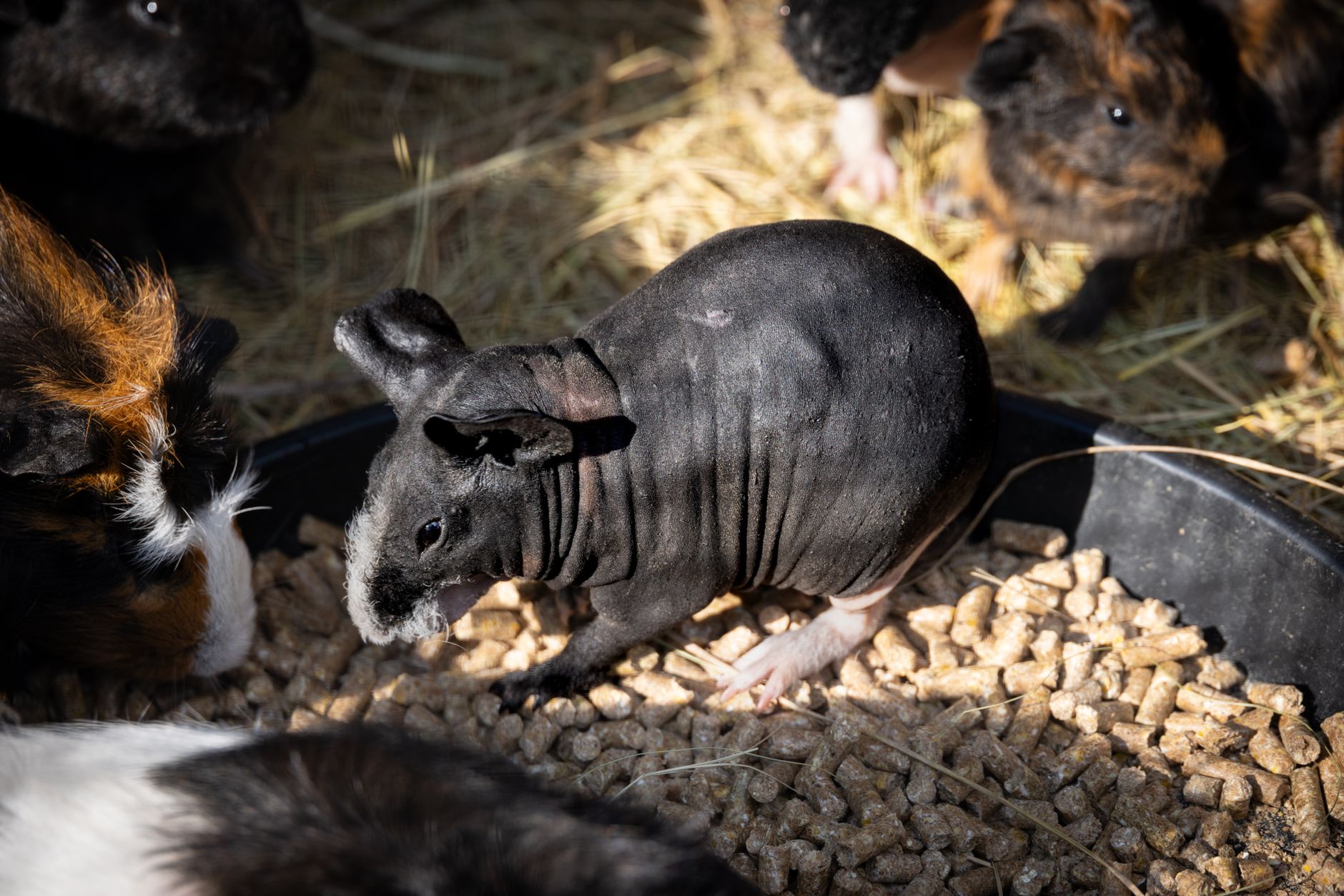
Guinea pigs and chinchillas, while both rodents, come from vastly different environments and have evolved to require different care. Their differences range from diet to temperature preferences, social dynamics, and susceptibility to disease.
-
Origin and Environment: Guinea pigs originate from the Andes regions of South America, while chinchillas are native to the Andes Mountains of Chile. This difference in origin dictates different environmental needs.
-
Dietary Requirements: Guinea pigs need a diet high in Vitamin C, which they can’t synthesize themselves. Chinchillas have a very sensitive digestive system and need a diet high in fiber and low in fat. Sharing food can be detrimental to both species.
-
Temperature Sensitivity: Chinchillas are incredibly sensitive to heat and thrive in cooler temperatures (ideally below 75°F). Guinea pigs tolerate warmer temperatures better but still prefer a moderate climate. Keeping chinchillas in temperatures suitable for guinea pigs can lead to heatstroke, which can be fatal.
-
Social Needs: Guinea pigs are highly social animals that thrive in groups. Chinchillas also enjoy companionship, but their social interactions differ, and they don’t necessarily bond with guinea pigs.
-
Activity Levels: Guinea pigs are active during the day (diurnal), while chinchillas are crepuscular (most active during dawn and dusk). These differing activity patterns can lead to disturbances and stress if housed together.
Health and Disease Concerns
Putting guinea pigs and chinchillas together creates a significant risk of disease transmission and injury.
-
Respiratory Infections: Guinea pigs are prone to Bordetella bronchiseptica, a bacteria that can cause respiratory infections in both species. While guinea pigs may show mild symptoms, chinchillas can develop severe pneumonia, which can be fatal.
-
Ringworm: Ringworm, a fungal infection, is highly contagious and can be easily transmitted between guinea pigs and chinchillas.
-
Injury: Chinchillas are more agile and may accidentally injure guinea pigs during play. Furthermore, because their social structures are incompatible, bullying and fighting can occur.
The Cage Environment: A Clash of Preferences
The ideal cage setup for a guinea pig differs significantly from that of a chinchilla. Attempting to create a shared habitat will inevitably compromise the well-being of one or both animals.
-
Space Requirements: Guinea pigs need a long, wide cage with plenty of floor space to run around. Chinchillas, on the other hand, need a multi-level cage with ledges for climbing and jumping.
-
Bedding: Guinea pigs do well with fleece liners or paper-based bedding. Chinchillas require dust baths to maintain their coat health and do not benefit from fleece bedding, which can be a breeding ground for bacteria.
-
Chewing Habits: Guinea pigs are known to chew on their surroundings. Chinchillas also chew, but they may have different preferences for materials, leading to potential ingestion of inappropriate items by the guinea pig.
Why Cohabitation Fails: Stress and Behavioral Issues
Even if disease and injury are avoided, housing guinea pigs and chinchillas together will likely lead to chronic stress. Stress weakens the immune system, making animals more susceptible to illness.
-
Constant Competition: Competition for food, water, and space can lead to chronic stress and anxiety.
-
Disrupted Sleep Patterns: Differing activity levels can disrupt each animal’s sleep cycle, leading to irritability and weakened immune function.
-
Behavioral Changes: Stress can manifest as aggression, withdrawal, and other behavioral problems.
Alternatives: Providing Enrichment and Companionship
If you’re looking for ways to enrich your pets’ lives, consider providing them with species-appropriate enrichment.
-
Guinea Pigs: Keep guinea pigs in pairs or small groups. Provide them with toys, tunnels, and hiding places. Spend time handling and interacting with them daily.
-
Chinchillas: Provide chinchillas with a dust bath several times a week. Offer them wooden toys to chew on and a wheel for exercise. Spend time interacting with them and providing them with gentle handling.
The Ethical Considerations
Ultimately, the decision of whether “Can you put guinea pigs and chinchillas together?” boils down to ethical considerations. Responsible pet ownership means prioritizing the well-being of your animals above all else. Housing guinea pigs and chinchillas together is simply not in their best interest.
Frequently Asked Questions (FAQs)
Can guinea pigs and chinchillas eat the same food?
No, they cannot. Guinea pigs require a diet rich in Vitamin C, while chinchillas have sensitive digestive systems and need a high-fiber, low-fat diet. Sharing food could lead to serious health problems for both animals.
Is it okay if they just interact under supervision?
Even supervised interactions are risky. The potential for injury is always present, and even short periods of interaction can be stressful. It’s best to keep them completely separate.
What are the signs of stress in guinea pigs and chinchillas?
Signs of stress include hiding, decreased appetite, aggression, excessive grooming, and changes in vocalization. Pay close attention to their body language.
Can guinea pigs and chinchillas play with the same toys?
While some toys may be safe for both, it’s best to provide species-specific toys. Chinchillas, for example, often require harder wood chews. Avoid sharing toys due to potential contamination.
What temperature is best for both guinea pigs and chinchillas?
Chinchillas thrive in cooler temperatures, ideally below 75°F. Guinea pigs can tolerate slightly warmer temperatures, but both prefer a moderate climate. Never keep chinchillas in temperatures above 80°F.
What bedding is safe for both guinea pigs and chinchillas?
Generally, paper-based bedding is the safest option for both. However, chinchillas also need access to a dust bath, which is not suitable for guinea pigs’ living space due to the mess and respiratory risks.
Can guinea pigs and chinchillas catch diseases from each other?
Yes, they can. Respiratory infections and ringworm are just two examples of diseases that can be easily transmitted between these species.
Are guinea pigs and chinchillas natural enemies?
They are not natural enemies in the wild, as they come from different regions. However, their differing social behaviors and needs can lead to stress and conflict in a confined space.
What size cage is needed if I wanted to house guinea pigs and chinchillas separately?
A guinea pig needs a minimum of 7.5 square feet of cage space for one guinea pig and 10.5 square feet for two. A chinchilla needs a multi-level cage with at least 4 square feet of floor space and a height of at least 3 feet. Remember, bigger is always better.
How often do guinea pigs and chinchillas need veterinary care?
Both guinea pigs and chinchillas should have annual checkups with a veterinarian experienced in treating exotic pets.
Can I introduce a baby chinchilla to a guinea pig?
No. Age does not negate the species differences. Even a baby chinchilla has vastly different needs than a guinea pig, and the risks remain the same.
If I already house them together and they seem fine, should I still separate them?
Yes. Even if they appear to be getting along, the long-term stress and risk of disease and injury are still present. It’s in the best interest of both animals to separate them immediately.