

Can a Chocolate Lab Be a Service Dog? Unveiling the Potential
Yes, a chocolate Lab can absolutely be a service dog. While breed is less important than individual temperament and training, chocolate Labs often possess the necessary traits to excel as service dogs.
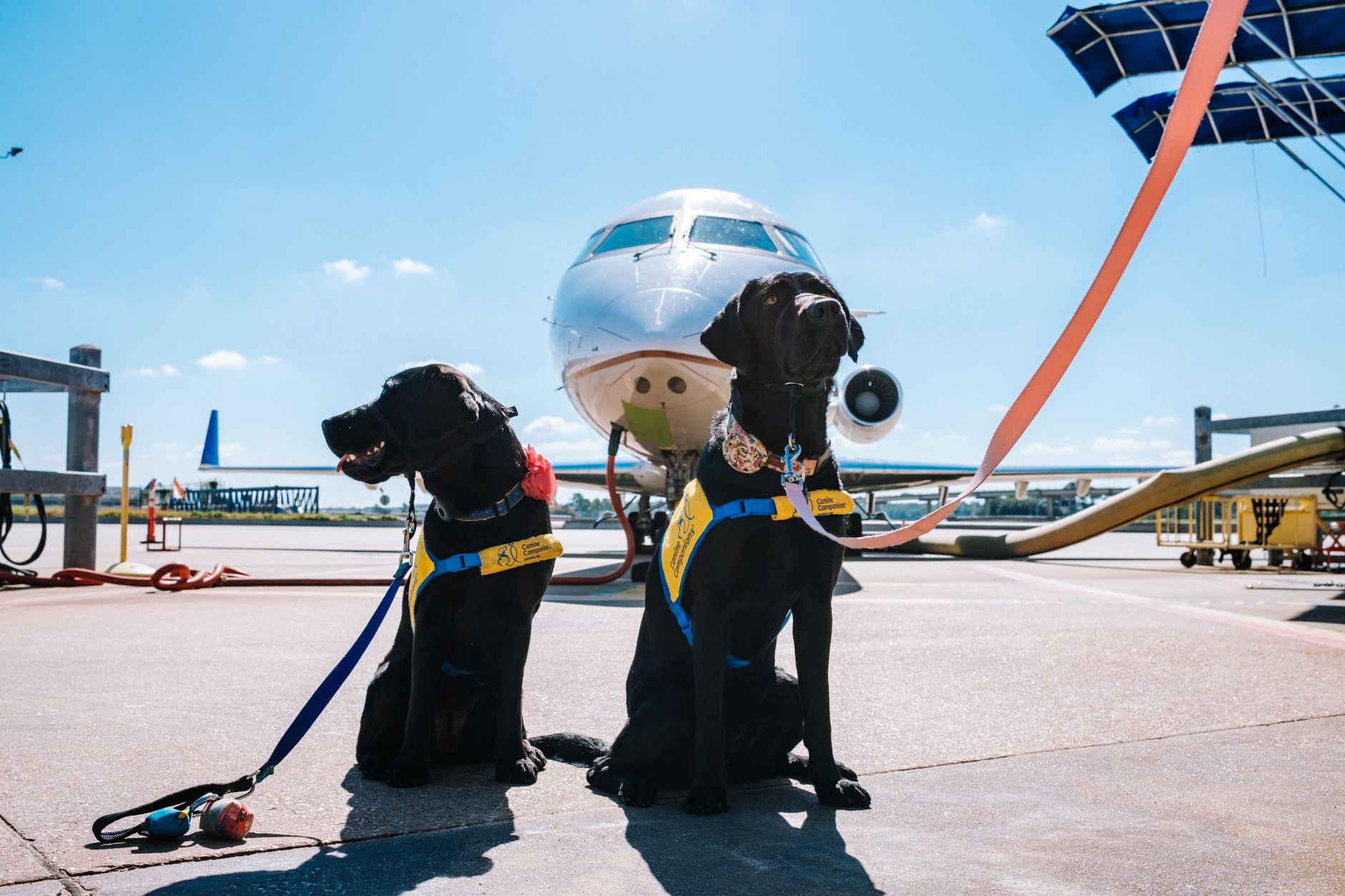
The Breed Doesn’t Define the Dog: Temperament Trumps Color
The question, “Can a chocolate Lab be a service dog?” often arises from misconceptions about dog breeds. While certain breeds are traditionally favored for service work (like Golden Retrievers and standard Poodles), the key to a successful service dog lies in the individual dog’s temperament, trainability, and health. A chocolate Labrador Retriever, like any other dog, must possess specific qualities to thrive in this demanding role. Color is irrelevant.
Essential Traits for a Service Dog, Regardless of Color

Irrespective of breed or color, a good service dog candidate must exhibit:
- Calmness and Stability: Unflappable in various environments and situations.
- Intelligence and Trainability: Eager to learn and responsive to commands.
- Focus and Concentration: Able to maintain attention despite distractions.
- Affection and Bond: Strong connection with their handler.
- Good Health: Free from genetic predispositions that could affect their working ability.
The Benefits of a Chocolate Lab as a Service Dog
Chocolate Labs, when properly bred and trained, offer numerous advantages as service dogs. They are generally intelligent, eager to please, and possess a natural empathy, making them well-suited for tasks requiring emotional support or assistance with daily living. Their robust build can also be beneficial for mobility support, while their retrieving instincts can be honed for tasks like picking up dropped items.
The Rigorous Training Process
Transforming a dog into a reliable service animal requires extensive and specialized training. This process can take months, even years, and involves:
- Basic Obedience: Mastering commands like sit, stay, come, down, and heel.
- Public Access Training: Learning to behave appropriately in public places (stores, restaurants, public transportation).
- Task-Specific Training: Performing specific tasks to mitigate the handler’s disability (e.g., retrieving medication, alerting to seizures, guiding the visually impaired).
- Socialization: Exposure to various people, animals, and environments to ensure they remain calm and confident.
Common Mistakes to Avoid
Many aspiring service dog handlers make critical mistakes that can derail their training efforts. These include:
- Starting too early: Puppies need a solid foundation of socialization and basic obedience before formal training begins.
- Inconsistent training: Training should be consistent and ongoing.
- Lack of professional guidance: Seeking advice from certified service dog trainers is crucial.
- Ignoring warning signs: Failing to recognize and address behavioral issues early on.
Understanding the ADA and Service Dog Rights
The Americans with Disabilities Act (ADA) provides legal protection for service dogs and their handlers. Understanding these rights is vital:
- Public Access: Service dogs are allowed in most public places, even where pets are prohibited.
- Housing: Landlords cannot discriminate against individuals with disabilities who use service animals.
- Employment: Employers must provide reasonable accommodations for employees with disabilities who use service animals.
Alternatives to Training Your Own Service Dog
Training your own service dog is a significant commitment. If you lack the time, resources, or expertise, consider alternative options such as:
- Acquiring a Trained Service Dog: Organizations specialize in raising and training service dogs.
- Partnering with a Service Dog Training Program: Some programs assist individuals in training their own dogs under professional guidance.
Chocolate Labs: A Breed Prone to Specific Health Issues
While their intelligence and trainability make them suitable candidates, chocolate Labs, like all Labrador Retrievers, are predisposed to certain health concerns. Responsible breeders screen for these issues to minimize the risk:
- Hip and Elbow Dysplasia: Malformation of the joints that can lead to arthritis.
- Progressive Retinal Atrophy (PRA): A degenerative eye disease that can cause blindness.
- Exercise-Induced Collapse (EIC): A genetic condition that can cause muscle weakness or collapse after strenuous exercise.
- Bloat (Gastric Dilatation-Volvulus): A life-threatening condition where the stomach twists.
| Health Issue | Description | Screening Recommendation |
|---|---|---|
| Hip and Elbow Dysplasia | Malformation of hip and elbow joints, leading to arthritis | OFA (Orthopedic Foundation for Animals) evaluation |
| Progressive Retinal Atrophy | Degenerative eye disease causing blindness | CERF (Canine Eye Registration Foundation) exam or genetic testing |
| Exercise-Induced Collapse | Muscle weakness/collapse after exercise | Genetic testing |
| Bloat (Gastric Dilatation-Volvulus) | Stomach twists, potentially fatal | Prophylactic gastropexy (surgical tacking of the stomach) may be considered for at-risk dogs |

Frequently Asked Questions
Are all Labs suitable as service dog candidates?
No. While Labs are generally intelligent and trainable, each dog is an individual. A potential service dog must possess the specific temperament and drive necessary for the demanding work, and must be healthy and free of genetic conditions that could impact its ability to perform its duties.
What’s the difference between a service dog and an emotional support animal?
A service dog is specifically trained to perform tasks to mitigate the handler’s disability, while an emotional support animal provides comfort and companionship. Service dogs have public access rights under the ADA, while ESAs typically do not.
How long does it take to train a service dog?
The training process can take 18 months to 2 years, depending on the dog’s individual learning pace and the complexity of the tasks it needs to perform.
What are the costs associated with training a service dog?
Training a service dog can be expensive, ranging from several thousand dollars to tens of thousands, depending on whether you train the dog yourself or acquire a fully trained dog from an organization.
Can I train my existing pet to be a service dog?
Possibly. If your dog possesses the necessary temperament, trainability, and health, it might be possible to train it as a service dog. However, it’s crucial to seek guidance from a certified service dog trainer to assess your dog’s suitability and develop a training plan.
What happens if a service dog misbehaves in public?
If a service dog is out of control and the handler does not take effective action to control it, or if the dog is not housebroken, it can be asked to leave the premises.
Does a service dog need to wear a vest or identification?
While not required by the ADA, it’s recommended that service dogs wear a vest or other form of identification to clearly indicate their status as a working animal. This can help prevent unwanted interactions and educate the public.
What if someone questions me about my service dog?
Under the ADA, you can only be asked two questions: (1) Is the dog a service animal required because of a disability? and (2) What work or tasks has the dog been trained to perform? You cannot be asked to provide proof of disability or demonstrate the dog’s abilities.
What are the legal consequences of falsely representing a pet as a service dog?
In many jurisdictions, it’s illegal to falsely represent a pet as a service dog. Violators may face fines and other penalties.
Can a chocolate Lab be a service dog for a child?
Yes, can a chocolate Lab be a service dog for a child, provided the dog possesses the appropriate temperament and is specifically trained to assist the child with their disability. This requires careful matching of the dog to the child’s needs and ongoing supervision.
How do I find a reputable service dog trainer?
Look for trainers who are certified by organizations like the Certification Council for Professional Dog Trainers (CCPDT) or the International Association of Assistance Dog Partners (IAADP). Check references and ensure the trainer has experience working with service dogs.
If my chocolate Lab doesn’t work out as a service dog, what are other options?
Even if a chocolate Lab isn’t suited for service work, it can still be a wonderful family pet. You could also explore other roles, such as therapy dog (visiting hospitals and nursing homes) or a working dog in a different capacity, such as search and rescue, or detection work, if it possesses the right aptitudes.