

Can You Put a Live Lobster Back in the Ocean? The Ethics, Realities, and Recommendations
Returning a live lobster to the ocean after it’s been out of its natural habitat is a complex issue. The answer is: sometimes, but it’s not always a good idea. Careful consideration must be given to the lobster’s condition, origin, time spent out of the water, and the environment it’s being returned to.

Understanding the Lobster’s Journey
The journey a lobster takes from the ocean to a restaurant tank is often stressful, impacting its ability to thrive if released back into the wild. Understanding this process is crucial when deciding whether to return a lobster.
- Harvesting: Lobsters are caught using traps or trawls, often resulting in physical stress.
- Transportation: They are typically transported long distances in crates, exposed to temperature fluctuations and handling.
- Holding: In restaurants or markets, lobsters are kept in tanks that may not perfectly replicate their natural environment.
- Human Handling: Being picked up, weighed, and examined adds to the lobster’s stress levels.
Can you glue broken coral back together?
Can dwarf frogs live on land?
What is the GREY African clawed frog?
Is distilled water good for goldfish?
Factors to Consider Before Releasing

Before returning a live lobster to the ocean, carefully evaluate the following factors:
- Lobster Condition: Is the lobster lively and responsive? Check for signs of weakness or damage, such as missing limbs or lethargy. A healthy lobster is more likely to survive.
- Origin: Knowing where the lobster was caught is crucial. Releasing a lobster far from its native waters could introduce diseases or disrupt the local ecosystem.
- Time Out of Water: The longer a lobster has been out of the water, the lower its chances of survival. They are sensitive to dehydration and temperature changes.
- Water Temperature: Returning a lobster to water that is significantly warmer or colder than what it is accustomed to can cause thermal shock and death.
- Environmental Conditions: Consider pollution levels and the presence of predators in the release location.
The Ethical Implications
The decision to return a live lobster to the ocean should also consider ethical implications.
- Animal Welfare: While seemingly humane, a poorly considered release can result in a slow and painful death for the lobster.
- Ecological Impact: Introducing diseases or non-native species can harm the local ecosystem.
- Consumer Perception: Some argue that buying a lobster with the intention of releasing it contributes to the demand that fuels the industry, creating an endless cycle.
Best Practices for Release (If Appropriate)
If, after careful consideration, you decide that releasing the lobster is the best course of action, follow these guidelines:
- Choose the Right Location: Return the lobster to a rocky or sandy area near where it was originally caught, if possible. Avoid areas with heavy boat traffic or pollution.
- Acclimatize: Gradually acclimate the lobster to the water temperature by placing it in a bucket of seawater for 15-20 minutes before release.
- Gentle Release: Gently place the lobster near the ocean floor, allowing it to swim away on its own. Do not throw it or drop it from a height.
- Timing is Key: Release the lobster during daylight hours to allow it to find shelter from predators.
Why Some Lobsters Don’t Survive Re-Entry
Even with the best intentions, re-entry can be difficult.
- Stress: The cumulative stress of being caught, transported, and held in captivity can weaken the lobster’s immune system, making it vulnerable to disease.
- Dehydration: Exposure to air can cause dehydration, which can be fatal.
- Predation: Weakened lobsters are more susceptible to predators.
- Habitat Loss: The chosen release location might not offer adequate shelter or food resources.
Table Comparing Lobster Release Scenarios
| Scenario | Lobster Condition | Time Out of Water | Origin Known? | Water Temperature | Release Recommendation |
|---|---|---|---|---|---|
| :———————— | :————————————————– | :—————- | :————- | :—————- | :——————————————————————————– |
| Ideal | Lively, responsive, complete limbs | < 24 Hours | Yes | Similar | Release near original location after acclimatization. |
| Risky | Slightly lethargic, minor limb damage | 24-72 Hours | Yes | Similar | Release with caution; monitor for signs of distress. |
| Not Recommended | Very lethargic, significant limb damage, shell damage | > 72 Hours | No | Significantly Differs | Highly discourage; the lobster is unlikely to survive. |
Alternative Options to Release
Consider these alternatives instead of releasing the lobster:
- Prepare and Consume: This is the most common and arguably most ethical option, as it fulfills the original purpose of purchasing the lobster.
- Donate: Donate the lobster to an aquarium or educational facility that can provide proper care. Confirm that they accept donations first.
- Research: If possible, contribute to lobster research by donating the lobster to a research institution (again, confirm first).
Frequently Asked Questions (FAQs)
Is it legal to release a lobster back into the ocean?
The legality of releasing a live lobster depends on local and state regulations. Some areas may prohibit the release of non-native species or require permits. Always check with your local Department of Fish and Wildlife before releasing any aquatic animal.
What are the chances of a released lobster surviving?
The chances of survival vary greatly depending on the factors mentioned above. A healthy lobster released in a suitable environment shortly after capture has a higher chance of survival than a stressed lobster released in a less favorable environment. The odds are often stacked against the lobster.
How long can a lobster survive out of water?
Lobsters can survive out of water for up to 24-36 hours if kept cool and moist. However, their chances of survival decrease significantly with each passing hour. Prolonged exposure to air can lead to dehydration and suffocation.
What is the ideal water temperature for releasing a lobster?
The ideal water temperature depends on the lobster’s native habitat. Generally, lobsters thrive in water temperatures between 55°F and 65°F (13°C and 18°C). Avoid releasing lobsters into water that is significantly warmer or colder than what they are accustomed to.
How can I tell if a lobster is healthy?
A healthy lobster is active, responsive, and has a hard, intact shell. Look for signs of lethargy, discoloration, or damage to the shell or limbs. Healthy lobsters will typically have good reflexes.
Can lobsters feel pain?
The question of whether lobsters feel pain is a subject of ongoing debate. While they lack the same complex nervous system as mammals, they do have nociceptors that detect harmful stimuli. It’s reasonable to assume that they experience some form of discomfort.
Is it better to release a female lobster with eggs?
Releasing a female lobster with eggs is generally considered a positive thing to do, as it allows her to contribute to the population. However, consider the other factors mentioned above, such as the lobster’s condition and the suitability of the release location. Prioritize the overall health of the lobster.
What should I do if I find a lobster that appears to be injured?
If you find an injured lobster, contact your local Department of Fish and Wildlife or a marine animal rescue organization. They may be able to provide appropriate care or relocate the lobster to a more suitable habitat.
Does the color of a lobster affect its survival rate?
The color of a lobster does not directly affect its survival rate. However, unusual colors can make lobsters more vulnerable to predators because they stand out against the background. Camouflage is important for survival.
What is the best time of year to release a lobster?
The best time of year to release a live lobster is during the spring or summer months when water temperatures are more stable and food is more abundant. Avoid releasing lobsters during extreme weather conditions.
Should I release a lobster that has been banded?
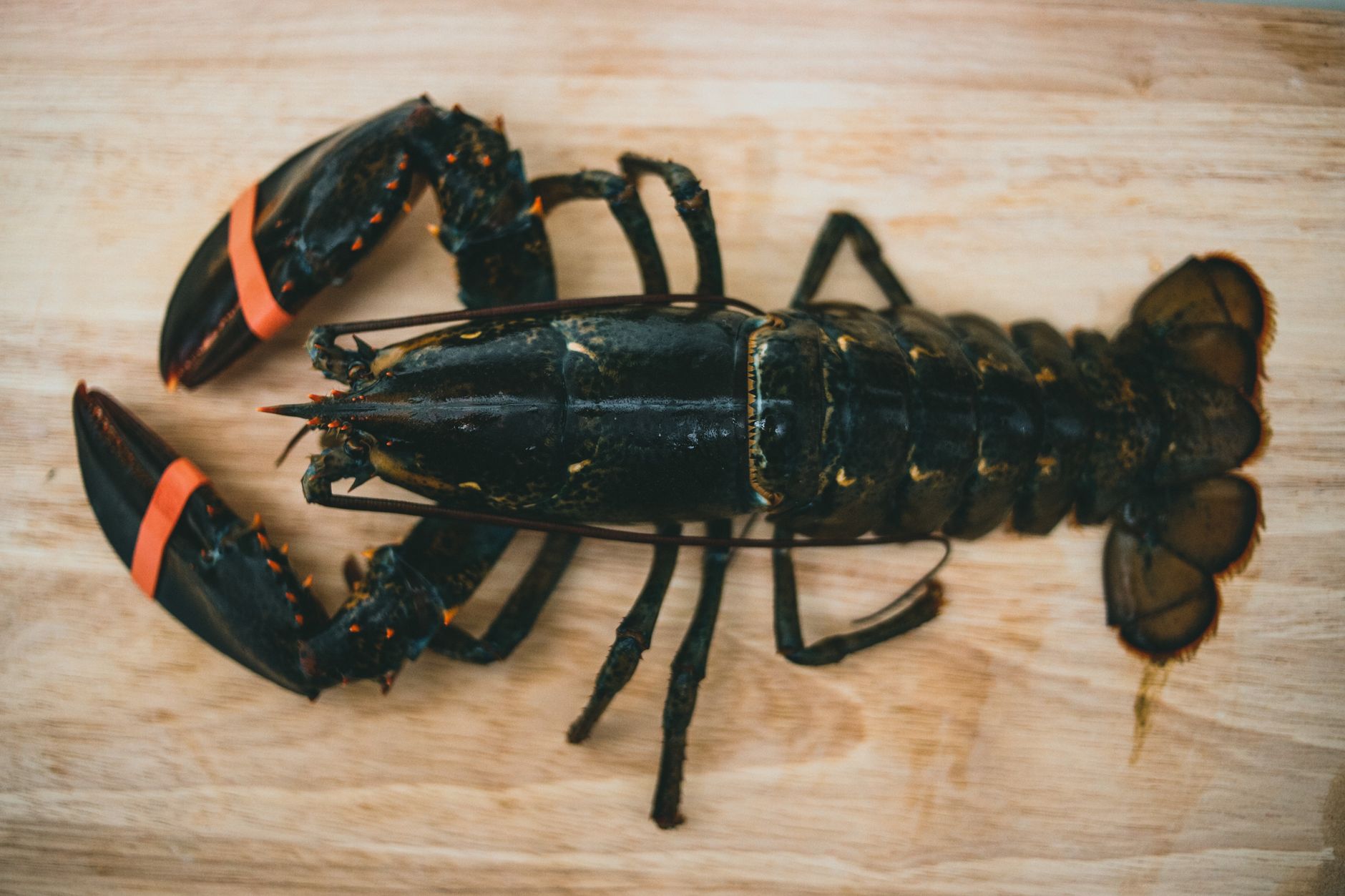
If a lobster has bands on its claws, removing them before release is recommended, as they can restrict movement and feeding. Carefully remove the bands without causing injury to the lobster.
Is there a difference between releasing a lobster bought at the grocery store vs. a restaurant?
No, the considerations are the same. Regardless of where you purchased the lobster, the important factors are its health, the time it has been out of the water, and the suitability of the release environment. Can you put a live lobster back in the ocean? is a question that needs to be considered in the same way regardless.