
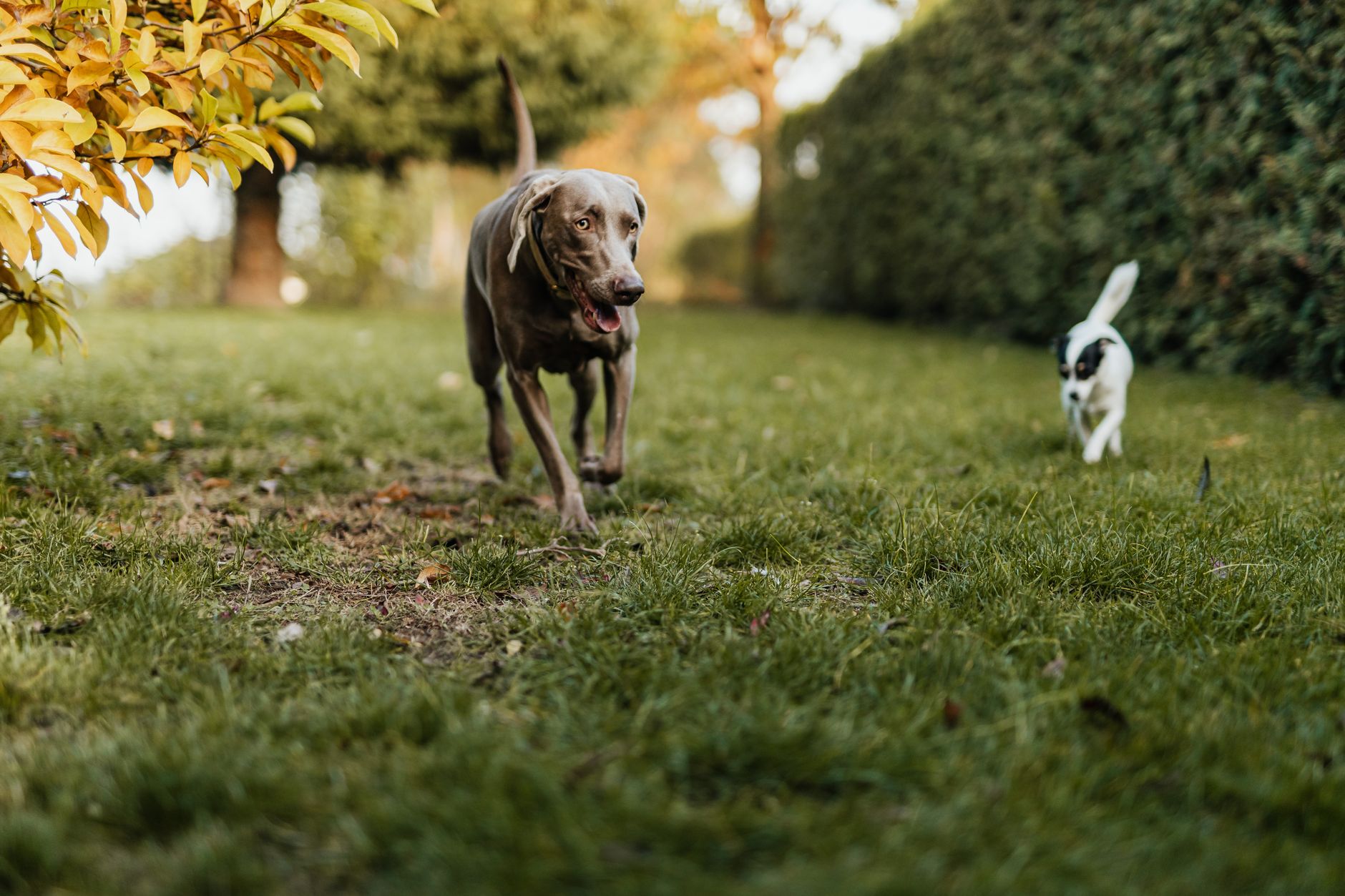
Can You Leave Dog Poop in Your Own Yard?: The Unpleasant Truth
The answer to Can you leave dog poop in your own yard? is a resounding no, not without significant consequences. Ignoring pet waste accumulation not only creates unsanitary conditions but also poses health risks and potential legal liabilities.

Introduction: The Pervasive Problem of Pet Waste
Dog ownership brings immense joy, but it also comes with the responsibility of managing pet waste. While many owners diligently clean up after their dogs on walks and in public spaces, the question of what happens in their own backyard often arises. Many believe their private property provides immunity from cleanup obligations, a misconception that can lead to a host of problems. The truth is, neglecting dog poop in your yard affects more than just your olfactory senses; it impacts your health, the environment, and even your legal standing. Can you leave dog poop in your own yard? Let’s delve into the reasons why responsible pet ownership necessitates prompt and proper disposal.
Health Hazards of Neglected Dog Poop

The most immediate concern stemming from accumulated dog waste is the proliferation of harmful bacteria, parasites, and pathogens. Dog poop contains a cocktail of undesirable elements, including:
- Bacteria: E. coli, Salmonella, and Campylobacter, all capable of causing gastrointestinal distress in humans and other animals.
- Parasites: Roundworms, hookworms, whipworms, and giardia, which can infect humans and animals through contact with contaminated soil or water.
- Pathogens: Parvovirus and coronavirus, both highly contagious and potentially fatal to dogs, particularly puppies.
These harmful elements can persist in the soil for extended periods, posing a continuous threat. Children playing in the yard, gardeners working with the soil, and even pets themselves are all susceptible to infection. Proper disposal of dog waste is crucial for mitigating these health risks.
Environmental Impact: A Growing Concern
Beyond the immediate health risks, neglecting dog poop has a detrimental effect on the environment. Rainwater washes dog waste into storm drains, which often lead directly to waterways. This runoff contaminates rivers, lakes, and oceans with harmful bacteria and nutrients, leading to:
- Algae Blooms: Excess nutrients from dog waste can trigger harmful algae blooms, depleting oxygen levels in the water and harming aquatic life.
- Water Contamination: Bacteria and parasites from dog waste contaminate water sources, making them unsafe for drinking, swimming, and fishing.
- Soil Degradation: Accumulation of dog waste can alter the pH balance of the soil, making it less fertile and impacting plant growth.
The collective impact of dog waste on the environment is significant. Each owner plays a crucial role in mitigating this pollution by responsibly managing their dog’s waste. Can you leave dog poop in your own yard? Considering these environmental factors, the answer is clearly no.
Legal Ramifications: Understanding Local Ordinances
Many municipalities have enacted ordinances that specifically address the disposal of dog waste. These regulations often include fines for failing to clean up after your dog, regardless of whether the waste is on public or private property. The rationale behind these laws is to protect public health and maintain community standards. Ignorance of these ordinances is not a valid excuse, and failing to comply can result in:
- Fines: Ranging from nominal amounts to several hundred dollars, depending on the municipality and the severity of the violation.
- Warnings: First-time offenders may receive a warning, but repeat violations can lead to escalating fines.
- Legal Action: In extreme cases, repeated violations may result in legal action and even court appearances.
It is essential to research and understand the local ordinances regarding dog waste disposal in your area. Compliance not only avoids potential legal penalties but also demonstrates responsible pet ownership and respect for the community.
Responsible Waste Disposal Methods: A Comprehensive Guide
Proper disposal of dog waste is essential for safeguarding your health, protecting the environment, and avoiding legal repercussions. Several effective methods exist for managing dog waste:
- Bagging and Trashing: The most common method involves bagging the waste in a plastic bag and disposing of it in a designated trash can. Ensure the bag is tightly sealed to prevent odors and leakage.
- Pet Waste Composters: These specialized composters are designed specifically for dog waste. They break down the waste into a safe and usable compost material, which can be used for non-edible plants.
- Flushing (Check Local Regulations): Some wastewater treatment plants allow for the flushing of dog waste down the toilet. Always check local regulations to ensure this is permitted in your area. Never flush plastic bags.
- Professional Waste Removal Services: Consider hiring a professional pet waste removal service to handle the cleanup on a regular basis. This is a convenient option for busy pet owners.
| Method | Pros | Cons |
|---|---|---|
| Bagging and Trashing | Simple, readily available | Contributes to landfill waste |
| Pet Waste Composters | Environmentally friendly, creates usable compost | Requires initial investment and maintenance, not suitable for all climates |
| Flushing (Check Regulations) | Efficient, eliminates waste from the environment | May not be permitted in all areas, risk of clogging if not done properly |
| Professional Waste Removal | Convenient, hassle-free | Ongoing cost |
Choosing the right disposal method depends on your individual circumstances, preferences, and local regulations. Regardless of the method you choose, consistency is key.
Encouraging Responsible Pet Ownership
Ultimately, addressing the issue of dog waste requires a collective effort from all pet owners. Encouraging responsible pet ownership through education, awareness campaigns, and community initiatives is crucial for creating cleaner and healthier environments. This includes:
- Raising Awareness: Educating pet owners about the health, environmental, and legal consequences of neglecting dog waste.
- Providing Resources: Making readily available information on proper waste disposal methods and local ordinances.
- Promoting Community Engagement: Organizing community cleanups and encouraging pet owners to take pride in their neighborhoods.
- Setting a Good Example: Leading by example and consistently cleaning up after your dog in both public and private spaces.
By fostering a culture of responsibility and accountability, we can collectively reduce the negative impact of dog waste and create a more sustainable and enjoyable environment for everyone.

FAQs: Deep Dive into Dog Poop Dilemmas
Is it illegal to leave dog poop in your own yard?
Yes, it can be illegal. While not universally enforced, many municipalities have ordinances addressing waste disposal on private property. Check your local regulations to avoid potential fines or warnings. Ignorance of the law is not an excuse.
Does dog poop decompose on its own?
While dog poop will eventually decompose, the process is slow and incomplete. Harmful bacteria, parasites, and pathogens can survive for extended periods in the soil, posing ongoing risks. Relying on natural decomposition is not a responsible solution.
What are the health risks of dog poop to humans?
Dog poop contains various pathogens, including E. coli, Salmonella, roundworms, and hookworms, that can cause gastrointestinal illness, skin infections, and other health problems in humans, particularly children.
Can dog poop contaminate my garden?
Yes, dog poop can contaminate your garden with harmful bacteria and parasites, making it unsafe to consume produce grown in the contaminated soil. It can also alter the soil’s pH, hindering plant growth.
How often should I clean up dog poop from my yard?
Ideally, dog poop should be cleaned up daily or at least every other day to minimize the risk of contamination and unpleasant odors. Regular cleaning is crucial for maintaining a sanitary environment.
Is it safe to compost dog poop in a regular compost bin?
No, it is not safe to compost dog poop in a regular compost bin intended for food waste. Dog waste requires specialized composting methods to kill harmful pathogens. Use a pet waste composter designed for this purpose.
What is the best way to dispose of dog poop?
The best way to dispose of dog poop depends on your circumstances, but options include bagging and trashing, using a pet waste composter, or, where permitted, flushing it down the toilet. Choose the method that is most convenient and environmentally responsible for you.
Can I bury dog poop in my yard?
Burying dog poop in your yard is not recommended. It can contaminate the soil and groundwater and may violate local ordinances. Proper disposal methods are always preferred.
Does dog poop attract pests?
Yes, dog poop can attract flies, rodents, and other pests to your yard. Prompt cleanup helps to prevent infestations and maintain a clean and healthy environment.
What happens if my neighbor doesn’t clean up after their dog?
If your neighbor is neglecting to clean up after their dog, you can politely address the issue with them directly. If the problem persists, you can contact your local animal control or homeowners association to report the violation.
Are there biodegradable dog poop bags?
Yes, biodegradable dog poop bags are available, but it’s important to understand that they may not fully decompose in a landfill environment. Look for certified compostable bags that are designed to break down in commercial composting facilities.
How can I get my dog to poop in a designated area?
You can train your dog to poop in a designated area by taking them to that spot consistently, using positive reinforcement when they eliminate there, and cleaning up the area promptly. Consistency and patience are key to successful training.