

Are Rabbits Still an Issue in Australia? The Enduring Legacy of a Feral Pest
Yes, rabbits remain a significant environmental and agricultural issue in Australia, causing billions of dollars in damage annually despite decades of control efforts; however, integrated pest management strategies are helping to mitigate their impact.
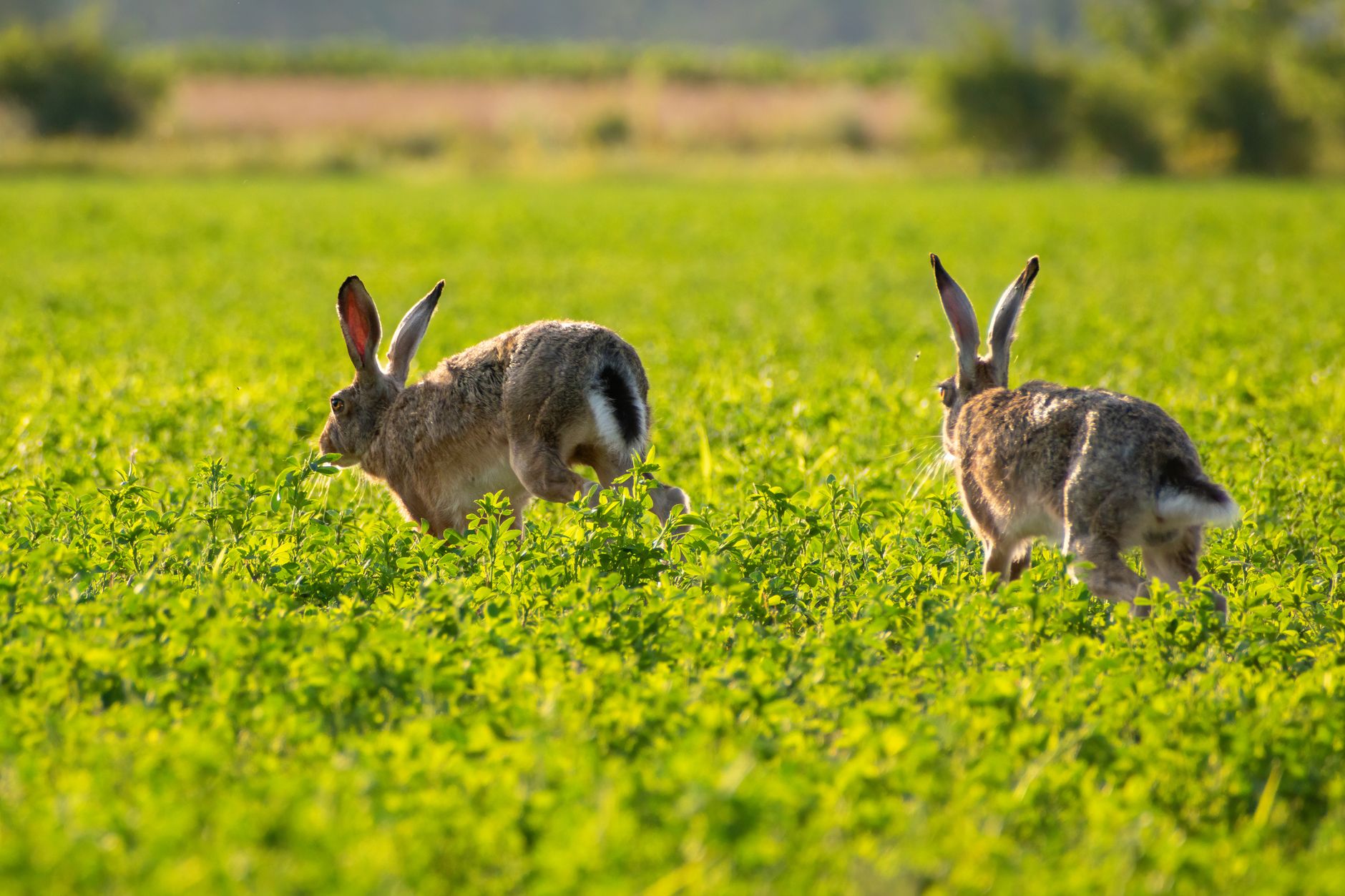
The Rabbits’ Arrival and Exponential Spread
The story of rabbits in Australia is a stark reminder of the devastating consequences of introducing invasive species. Arriving with the First Fleet in 1788, rabbits initially remained relatively contained. However, the real population explosion occurred after 1859, when Thomas Austin imported 24 wild rabbits for hunting purposes onto his property near Winchelsea, Victoria. With few natural predators and a favorable climate, these rabbits thrived. The subsequent rapid spread across the continent is a documented ecological disaster. Within decades, rabbits had reached nearly every corner of Australia, decimating native vegetation and impacting agriculture. This demonstrates just how sensitive Australian ecosystems are to invasive species and how difficult eradication can be once a population is established.
The Ecological Devastation Caused by Rabbits

The ecological damage inflicted by rabbits is multifaceted and profound. Their relentless grazing directly impacts native plant communities, leading to:
- Loss of native vegetation cover.
- Increased soil erosion.
- Decline in biodiversity.
- Suppression of native plant regeneration.
- Competition with native herbivores, such as kangaroos and wallabies.
Rabbits’ selective feeding habits often target seedlings and young plants, preventing the regeneration of native forests and grasslands. This creates a vicious cycle, as the loss of vegetation cover further exacerbates soil erosion and habitat degradation.
The Economic Impact on Agriculture
Beyond the ecological consequences, rabbits inflict significant economic damage on Australian agriculture. They compete with livestock for pasture, damage crops, and contribute to soil degradation, leading to reduced agricultural productivity. The economic losses associated with rabbits are estimated to be in the billions of dollars annually, impacting various sectors, including:
- Sheep and cattle grazing
- Wheat, barley, and other grain production
- Fruit and vegetable farming
- Forestry
The cost of rabbit control measures, such as fencing, trapping, and biological control programs, also adds to the economic burden. The ongoing need for these control measures highlights the persistent and substantial economic impact of rabbits on Australian agriculture.
Control Methods: A History of Success and Setbacks
Australia has a long and complex history of rabbit control efforts, ranging from physical barriers to biological weapons. Early attempts included widespread trapping and shooting, which proved largely ineffective in stemming the rabbit plague. More innovative methods were later employed:

-
Rabbit-proof fences: These fences, such as the famous State Barrier Fence of Western Australia, aimed to physically contain rabbit populations. While effective in localized areas, their sheer scale and maintenance costs have limited their overall success.
-
Myxomatosis: Introduced in 1950, the myxoma virus caused a dramatic reduction in rabbit numbers. However, rabbit populations evolved resistance to the virus, diminishing its effectiveness over time.
-
Rabbit Haemorrhagic Disease Virus (RHDV): Released in the mid-1990s, RHDV also caused significant rabbit mortality. Similar to myxomatosis, rabbits developed resistance to some strains of the virus, prompting the introduction of new variants.
-
Integrated Pest Management (IPM): This holistic approach combines various control methods, including biological control, warren destruction, trapping, and poisoning. IPM aims to manage rabbit populations sustainably while minimizing environmental impact.
| Control Method | Advantages | Disadvantages |
|---|---|---|
| Rabbit-proof fences | Effective in containing rabbits in specific areas. | High construction and maintenance costs; limited overall impact. |
| Myxomatosis | Initially caused significant rabbit mortality. | Rabbits developed resistance; reduced effectiveness over time. |
| RHDV | Also caused significant rabbit mortality. | Rabbits developed resistance; potential for non-target effects. |
| Integrated Pest Management (IPM) | Sustainable and environmentally responsible. | Requires careful planning and coordination; can be labor-intensive. |
The Future of Rabbit Control in Australia
The fight against rabbits in Australia is far from over. Ongoing research focuses on developing more effective and sustainable control strategies, including:
- Developing new strains of RHDV that overcome rabbit resistance.
- Exploring the potential of genetic biocontrol methods.
- Improving integrated pest management strategies tailored to specific regions and landscapes.
- Enhancing community engagement and participation in rabbit control efforts.
The long-term success of rabbit control depends on a coordinated and collaborative effort involving government agencies, landholders, researchers, and the community. A multifaceted approach, combining biological control, habitat management, and community engagement, is essential to minimize the impact of rabbits on Australia’s environment and economy. Monitoring population numbers and disease resistance will be a key component of this approach.
Frequently Asked Questions (FAQs)
Are rabbits native to Australia?
No, rabbits are not native to Australia. They were introduced by European settlers and quickly established themselves as a feral pest due to the lack of natural predators and a favorable climate.
Why are rabbits considered a pest in Australia?
Rabbits are considered a significant pest in Australia due to their destructive grazing habits, which lead to the degradation of native vegetation, soil erosion, and competition with native herbivores. They also cause substantial economic losses to agriculture.
What is myxomatosis, and how has it been used to control rabbits?
Myxomatosis is a virus that causes a severe and often fatal disease in rabbits. It was introduced to Australia in the 1950s as a biological control agent and initially caused a dramatic reduction in rabbit populations. However, rabbits evolved resistance to the virus over time, diminishing its effectiveness.
What is RHDV, and how does it work?
Rabbit Haemorrhagic Disease Virus (RHDV) is another biological control agent used to control rabbit populations in Australia. It causes rapid blood clotting and organ failure in rabbits, leading to death. Like myxomatosis, RHDV has been effective but has also faced challenges due to the development of rabbit resistance.
What is integrated pest management (IPM), and how is it used to control rabbits?
Integrated pest management (IPM) is a holistic approach that combines various control methods, including biological control, warren destruction, trapping, and poisoning, to manage pest populations sustainably. It aims to minimize environmental impact and promote long-term control.
Are rabbit-proof fences effective?
Rabbit-proof fences, like the State Barrier Fence of Western Australia, can be effective in containing rabbit populations in specific areas. However, their high construction and maintenance costs, along with their limited overall impact, make them a less practical solution for widespread control.
What are the economic costs associated with rabbits in Australia?
The economic costs associated with rabbits in Australia are substantial, estimated to be in the billions of dollars annually. These costs stem from damage to agriculture, including crop losses, pasture degradation, and competition with livestock, as well as the expense of control measures.
How are rabbit populations monitored in Australia?
Rabbit populations are monitored using various methods, including spotlight surveys, warren counts, and the analysis of agricultural data. These monitoring efforts help track population trends, assess the effectiveness of control programs, and identify areas where intervention is needed.
What is being done to develop more effective rabbit control methods?
Ongoing research focuses on developing more effective and sustainable control strategies, including developing new strains of RHDV that overcome rabbit resistance, exploring the potential of genetic biocontrol methods, and improving integrated pest management strategies.
What can individuals and communities do to help control rabbits?
Individuals and communities can play a vital role in rabbit control by implementing control measures on their properties, participating in community-based control programs, and reporting rabbit sightings to relevant authorities.
Are there any native Australian animals that prey on rabbits?
While some native Australian animals, such as dingoes, eagles, and quolls, prey on rabbits, their impact on rabbit populations is limited due to the rabbits’ high reproductive rate and adaptability.
What is the long-term outlook for rabbit control in Australia?
The long-term outlook for rabbit control in Australia is cautiously optimistic. While eradication may be unrealistic, ongoing research, integrated pest management strategies, and community engagement offer the potential to minimize the impact of rabbits on the environment and economy. Continued investment in research and collaborative efforts are crucial to achieving sustainable rabbit control in the long run.