

Can You Feed Isopods to Frogs? A Comprehensive Guide
Yes, absolutely! Isopods can be a beneficial and nutritious addition to a frog’s diet, providing essential nutrients and stimulating their natural hunting instincts. They offer a valuable alternative or supplement to traditional feeder insects.
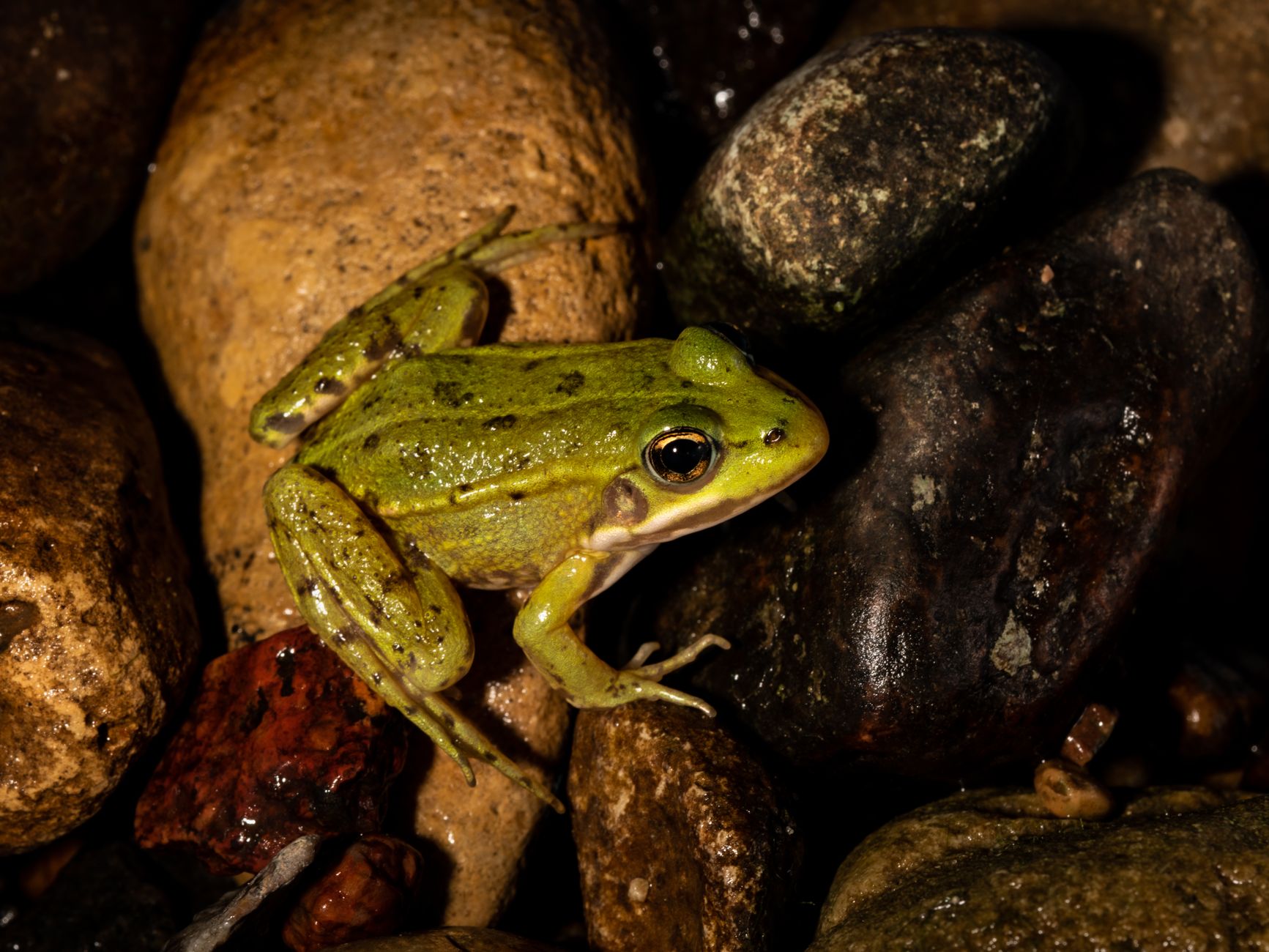
Introduction: The Allure of Isopods as Frog Food
The world of amphibian husbandry is constantly evolving, and with it, the understanding of optimal nutrition for our scaled and slimy companions. For frog keepers, the quest for diverse and healthy food sources is paramount. Increasingly, isopods, those tiny crustaceans better known as woodlice, pillbugs, or roly-polies, are emerging as a viable and even advantageous feeder insect. But can you feed isopods to frogs safely and effectively? This article delves into the details, providing a comprehensive guide to incorporating isopods into your frog’s diet.

What is the GREY African clawed frog?
Is distilled water good for goldfish?
What colours are fish most attracted to?
Can you put your finger in a trout's mouth?
Why Consider Isopods for Frogs? Benefits and Advantages

Isopods offer several compelling benefits as a food source for frogs:
- Nutritional Value: Isopods are a source of protein, calcium, and other essential nutrients that contribute to frog health and growth. Their exoskeletons, rich in chitin, can aid in digestion (though providing variety is still key).
- Bioactive Enrichment: A bioactive enclosure, incorporating a self-sustaining ecosystem, benefits from isopods as detritivores, consuming decaying matter and contributing to a cleaner environment. Excess isopods become readily available snacks for your frogs.
- Hunting Stimulation: The natural foraging behavior of frogs is stimulated when they hunt live isopods. This encourages activity and prevents boredom, promoting overall well-being.
- Ease of Culturing: Isopods are relatively easy to culture, making them a sustainable and readily available food source.
- Variety in Diet: Can you feed isopods to frogs exclusively? No. Variety is crucial for a balanced diet, but isopods provide excellent diversity alongside crickets, mealworms, and other commonly used feeders.
Choosing the Right Isopods: Safety First
Not all isopods are created equal. Certain species are more suitable as frog food than others.
- Popular Choices: Dwarf white isopods (Trichorhina tomentosa), powder orange isopods (Porcellionides pruinosus), and smaller dwarf purple isopods are generally considered safe and palatable for most frog species.
- Avoid Wild-Caught Isopods: Wild-caught isopods may harbor parasites or have ingested harmful substances. Always source isopods from reputable breeders.
- Size Matters: Select isopod sizes appropriate for the size of your frog. Baby isopods (isopod mancae) are suitable for small froglets.
- Hardiness and Reproduction: Some isopod species breed more readily than others, making them a more sustainable feeder source.
Setting Up an Isopod Culture: A Step-by-Step Guide
Culturing isopods is surprisingly simple.
- Container: Choose a plastic container with a lid. Drill small ventilation holes.
- Substrate: A mix of coco coir, sphagnum moss, and decaying leaves provides a suitable substrate.
- Food: Provide a constant supply of food, such as:
- Leaf litter (oak, maple, magnolia)
- Vegetable scraps (carrots, squash)
- Fish flakes or dried shrimp (for protein)
- Calcium supplement (cuttlebone or calcium carbonate)
- Moisture: Keep the substrate moist but not waterlogged. Mist regularly.
- Temperature: Maintain a temperature between 65-75°F.
- Maintenance: Replace the substrate as needed to prevent mold growth.
Feeding Isopods to Frogs: Techniques and Considerations
When introducing isopods to your frogs:
- Offer Small Quantities: Start with a small number of isopods to gauge your frog’s interest and appetite.
- Introduce into the Enclosure: Simply release the isopods into your frog’s enclosure. In a bioactive setup, they will naturally become part of the ecosystem.
- Monitor Consumption: Observe how readily your frogs consume the isopods. Adjust the quantity accordingly.
- Supplementation Still Required: While isopods are nutritious, they shouldn’t be the sole source of food. Continue to offer other appropriate feeder insects.
- Gut Loading: Gut-load the isopods before feeding them to your frogs. This involves feeding the isopods nutritious food, such as calcium-rich vegetables, to further enhance their nutritional value.
Potential Challenges and How to Overcome Them
- Frog Disinterest: Some frogs may initially ignore isopods. Persistence and hunger can eventually encourage them to hunt.
- Isopod Hiding: Isopods are masters of concealment. Providing leaf litter and hiding spots within the frog’s enclosure will encourage natural hunting behavior.
- Overpopulation: In bioactive setups, isopod populations can sometimes explode. Monitor the population and remove excess isopods as needed.
- Parasites (Rare): While rare when sourced from reputable breeders, parasites can be a concern. Observe your frogs for any signs of illness and consult a veterinarian if necessary.
Summary of Important Considerations
| Consideration | Details |
|---|---|
| Species Selection | Choose appropriate isopod species (e.g., dwarf whites, powder oranges). |
| Sourcing | Purchase from reputable breeders. Avoid wild-caught isopods. |
| Size Appropriateness | Ensure isopod size is suitable for your frog’s size. |
| Dietary Variety | Isopods should be part of a varied diet, not the sole food source. |
| Gut Loading | Gut-load isopods for enhanced nutritional value. |
| Observation | Monitor your frogs’ health and feeding behavior. |
Frequently Asked Questions (FAQs)
Are isopods a good source of calcium for frogs?
Yes, isopods are a decent source of calcium, especially compared to some other feeder insects. The exoskeleton contains calcium, which contributes to healthy bone growth and overall frog health. However, it’s still important to supplement with calcium dust on other feeders to ensure adequate intake.
Can you feed isopods to frogs of all sizes?
Can you feed isopods to frogs of all sizes? It depends on the size of the isopod. Tiny froglets should only be given small isopods (like mancae or dwarf whites), while larger frogs can handle larger species. Always ensure the isopod is appropriately sized to prevent choking hazards.
How often should I feed isopods to my frog?
The frequency depends on your frog’s species, size, and overall diet. Generally, you can offer isopods a few times per week as part of a varied diet. Observe your frog’s weight and adjust feeding accordingly.
Can I feed isopods that I find in my garden to my frogs?
No, it is strongly advised against feeding wild-caught isopods to your frogs. They may carry parasites, pesticides, or other contaminants that could harm your pets. Always purchase isopods from reputable breeders.
Do isopods bite frogs?
No, isopods are not aggressive and do not bite frogs. They are detritivores, meaning they primarily feed on decaying organic matter. They pose no threat to frogs.
How do I gut-load isopods before feeding them to my frogs?
Gut-loading isopods involves feeding them nutritious food for 24-48 hours before offering them to your frogs. Offer foods like calcium-rich vegetables (carrots, sweet potatoes), fish flakes, or a commercial gut-loading supplement.
What are the best isopod species to feed to frogs?
The best isopod species for feeding frogs include dwarf white isopods (Trichorhina tomentosa), powder orange isopods (Porcellionides pruinosus), and smaller dwarf purple isopods. These species are generally easy to culture, palatable, and appropriately sized for many frog species.
Will isopods escape from my frog’s enclosure?
While possible, it’s unlikely if the enclosure is properly sealed and ventilated. Isopods thrive in humid environments, so a dry enclosure will deter them from escaping. Regularly inspect the enclosure for any potential escape routes.
Are isopods a complete food source for frogs?
No, isopods are not a complete food source and should not be the sole food source for your frogs. They provide valuable nutrients, but a varied diet, including other feeder insects like crickets and mealworms, is essential for optimal health.
How do I know if my frog is eating the isopods?
Observation is key. You may see your frog actively hunting the isopods. Reduced isopod population in the enclosure is another indication that your frog is consuming them.
Can isopods help control mold in my frog’s enclosure?
Yes, isopods are excellent detritivores and help control mold growth in bioactive enclosures. They consume decaying organic matter, preventing the buildup of mold and other harmful organisms.
How do I start an isopod culture if I don’t have any isopods?
You can purchase starter cultures of isopods from reputable breeders online or at reptile expos. These cultures typically contain a small number of isopods and the necessary substrate to get you started.