

Can Sugar Gliders Have Celery? A Nutritional Deep Dive
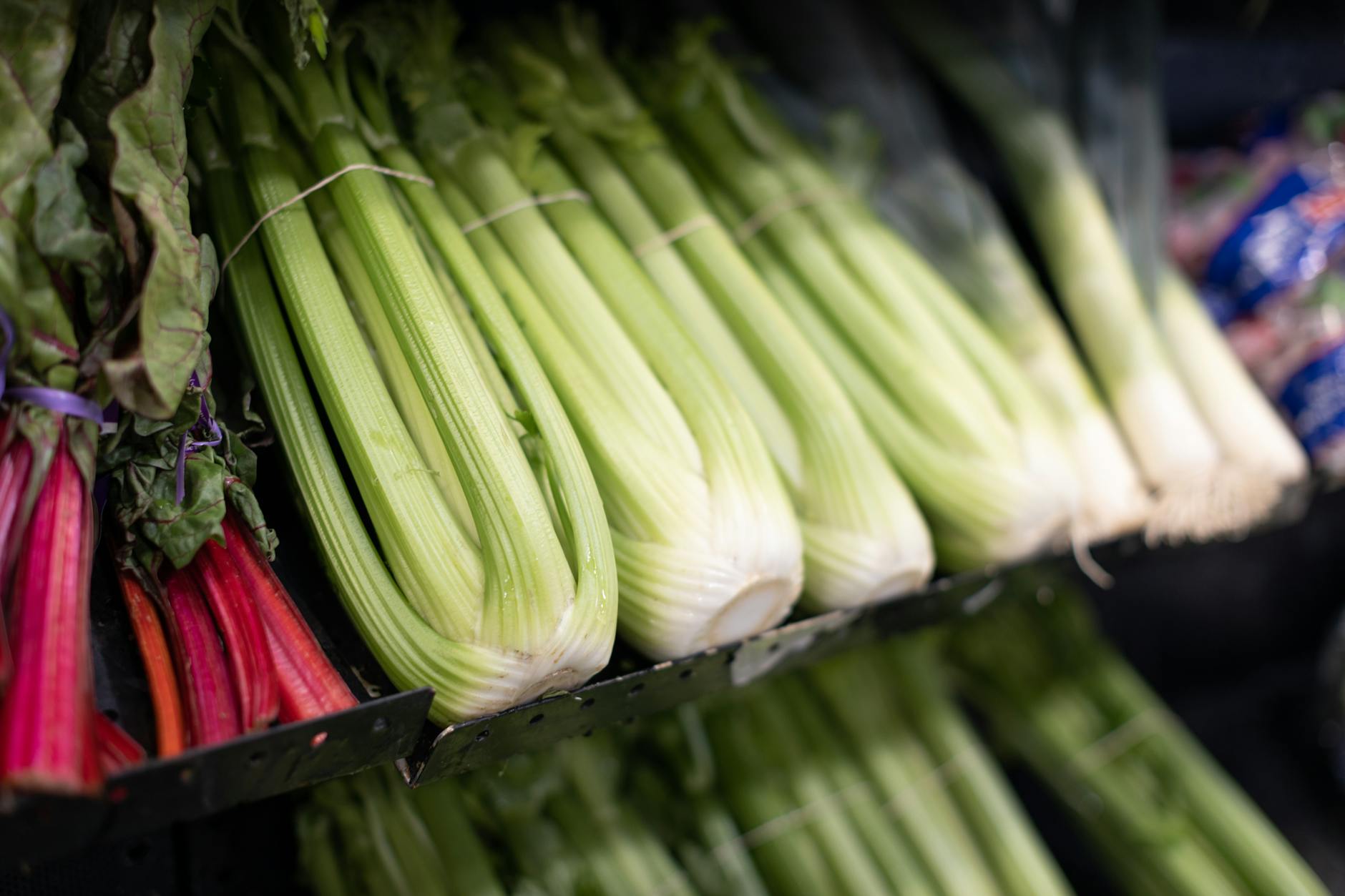
It is generally not recommended to feed sugar gliders celery. While not directly toxic, celery offers very little nutritional value and can contribute to an imbalanced diet, potentially leading to serious health issues.

Sugar Gliders: A Dietary Overview
Sugar gliders are small, nocturnal marsupials native to Australia and New Guinea. In the wild, their diet consists primarily of nectar, pollen, sap, insects, and spiders. Understanding their natural diet is crucial when creating a suitable captive diet. A balanced diet for sugar gliders typically includes a combination of:
- Leadbeater’s Mixture: A protein-rich staple.
- Fruits: Small portions of safe fruits.
- Vegetables: Select vegetables in moderation.
- Insects: Mealworms, crickets, or other insect protein.
Do all amphibians have eyelids?
Why do cuttlefish have W-shaped eyes?
Do all snakes have poison in them?
What is the GREY African clawed frog?
The Nutritional Value of Celery

Celery is primarily composed of water (approximately 95%) and contains small amounts of vitamins, minerals, and fiber. While fiber is essential for digestive health, the overall nutritional profile of celery is significantly lower compared to other fruits and vegetables. Specifically, celery provides:
- Low Calories: Minimal energy contribution.
- Vitamins: Vitamin K and small amounts of vitamins A and C.
- Minerals: Potassium and folate.
- Fiber: Aids in digestion.
Why Celery is Not Ideal for Sugar Gliders
While celery isn’t inherently toxic, its low nutritional density makes it a poor choice for sugar gliders. Sugar gliders require a diet that is rich in protein, calcium, and other essential nutrients. Feeding celery can lead to:
- Nutritional Imbalance: Lack of essential nutrients.
- Dilution of Nutrients: Filling the stomach with low-nutrient food, reducing the intake of more beneficial foods.
- Potential Calcium Imbalance: While not a direct cause, relying on celery can contribute to an imbalanced calcium-to-phosphorus ratio, which is crucial for bone health in sugar gliders.
Safe and Nutritious Alternatives to Celery
Instead of celery, opt for nutrient-rich vegetables that offer significant health benefits for sugar gliders. Here are some excellent alternatives:
- Leafy Greens: Kale, spinach, and collard greens (in moderation).
- Bell Peppers: Rich in vitamins and antioxidants.
- Sweet Potatoes: Good source of vitamin A and fiber (cooked).
- Green Beans: Provides essential nutrients.
Consider the following table as a comparative guide:
| Vegetable | Nutrients Provided | Benefit for Sugar Gliders |
|---|---|---|
| Kale | Vitamins A, C, K, calcium | Supports vision, immune function, bone health. |
| Bell Peppers | Vitamins A, C, antioxidants | Boosts immune system, protects against cellular damage. |
| Sweet Potatoes | Vitamin A, fiber | Promotes healthy vision, aids digestion (cook thoroughly to make it more digestible). |
| Green Beans | Vitamins A, C, K, fiber | Supports vision, immune function, blood clotting, and digestion. |
| Celery | Water, Vitamins K, small amounts of A, C, potassium | Very limited benefits. Provides minimal nutrients compared to other options. Not Recommended. |
Serving Vegetables to Your Sugar Glider
When introducing new vegetables to your sugar glider’s diet, consider the following guidelines:
- Introduce Gradually: Start with small amounts to avoid digestive upset.
- Wash Thoroughly: Remove any pesticides or contaminants.
- Chop into Small Pieces: To prevent choking hazards.
- Offer Variety: Ensure a diverse range of vegetables for a well-rounded diet.
Supplementing Your Sugar Glider’s Diet
Given the specific nutritional needs of sugar gliders, supplementation may be necessary to ensure optimal health. Calcium supplementation is especially important, as is ensuring that your Leadbeater’s mixture provides balanced nutrition. Always consult with a veterinarian experienced in exotic animals for personalized dietary recommendations.
Frequently Asked Questions About Sugar Gliders and Celery
Can sugar gliders eat celery leaves?
While the leaves are also low in nutritional value, they aren’t toxic either. However, the same caution applies: avoid feeding celery leaves regularly to prevent diluting more nutritious foods. The leaves offer very minimal benefit compared to other leafy greens.
Is celery poisonous to sugar gliders?
Celery is not poisonous to sugar gliders. The concern arises from its low nutritional content, not from toxic compounds. Prioritizing nutrient-rich alternatives is the key to maintaining your sugar glider’s health.
How much celery can a sugar glider safely eat?
Ideally, a sugar glider should eat little to no celery. If you choose to offer it as a very occasional treat, keep the portion size extremely small – no more than a tiny piece. Focus on providing a balanced diet with more nutritious fruits and vegetables.
What are the symptoms of malnutrition in sugar gliders?
Symptoms of malnutrition can include weight loss, lethargy, poor coat condition, dental problems, bone deformities, and impaired immune function. If you notice any of these signs, consult with your veterinarian immediately.
Can feeding celery lead to calcium deficiency in sugar gliders?
While celery doesn’t directly cause calcium deficiency, consistently feeding low-nutrient foods like celery can contribute to an overall imbalanced diet, potentially leading to or exacerbating calcium deficiencies.
What is the ideal calcium-to-phosphorus ratio for sugar gliders?
The ideal calcium-to-phosphorus ratio for sugar gliders is typically between 1.5:1 and 2:1. Maintaining this balance is crucial for bone health.
Are there any specific health conditions that make celery particularly harmful?
Generally, celery is not recommended regardless of health conditions because of its low nutritional value. Existing health issues, such as kidney problems or metabolic bone disease, may be exacerbated by an imbalanced diet, making proper nutrition even more critical.
How often should I change my sugar glider’s diet?
A sugar glider’s diet should be consistent but varied. Introduce new fruits and vegetables gradually, always ensuring that the core diet (Leadbeater’s mixture and appropriate supplements) remains balanced and nutritious.
What other foods should sugar gliders avoid?
Sugar gliders should avoid chocolate, onions, garlic, grapes, raisins, processed foods, and foods high in sugar or fat. These foods can be toxic or lead to health problems.
How do I know if my sugar glider is getting enough nutrients?
Monitor your sugar glider’s weight, energy level, and overall health. Regular check-ups with a veterinarian knowledgeable about exotic animals are essential for assessing their nutritional status.
What is the best way to prepare vegetables for sugar gliders?
Wash vegetables thoroughly to remove pesticides. Chop them into small, bite-sized pieces to prevent choking. Cooking may be necessary for some vegetables, such as sweet potatoes, to improve digestibility.
Can sugar gliders have any other part of the celery plant beside the leaves and stalks?
While the roots are technically edible, they offer no additional nutritional benefits. Similar to the stalks and leaves, the roots should not be offered to sugar gliders due to their low nutritional value. It’s best to stick with recommended, nutrient-rich alternatives.