

Can Rainbow Sharks and Plecos Cohabitate Peacefully in Your Aquarium?
Generally, no, rainbow sharks and plecos are not ideal tankmates due to their territorial nature and potential for aggression, leading to stress and possible injury, although some individual instances may prove successful in very large, carefully managed aquariums.

Introduction: The Dynamic Duo (Or Not?)
The question of whether rainbow sharks and plecos can live together is a common one for aquarium enthusiasts. Both are popular additions to freshwater tanks, prized for their unique appearances and algae-eating capabilities, respectively. However, their temperaments and habitat preferences can clash, leading to less-than-harmonious cohabitation. Understanding these potential conflicts is crucial for responsible fishkeeping.

What is the GREY African clawed frog?
Is distilled water good for goldfish?
What colours are fish most attracted to?
Can you put your finger in a trout's mouth?
Understanding the Rainbow Shark
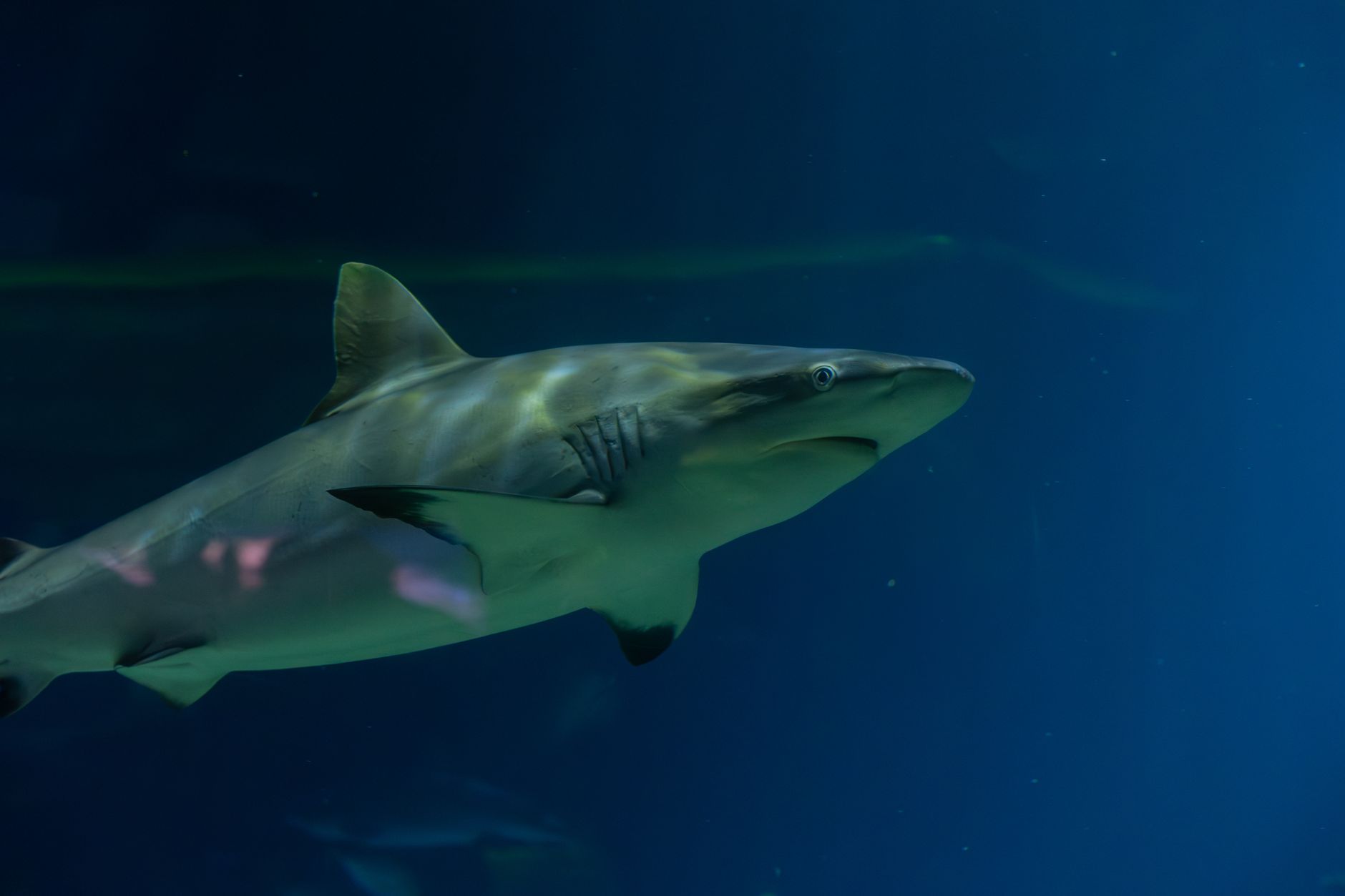
Rainbow sharks ( Epalzeorhynchos frenatum) are captivating fish known for their vibrant colors and active personalities. Despite the name, they are not true sharks but rather members of the cyprinid family (related to carp and minnows). Key characteristics include:
- Bottom-dwelling habits: They spend most of their time near the substrate.
- Territoriality: They are known for defending their space, especially as they mature.
- Size: They typically reach 6 inches in length.
- Semi-aggressive temperament: They can be particularly aggressive towards similar-looking or bottom-dwelling fish.
Diving into the World of Plecos
Plecos are a diverse group of catfish, renowned for their algae-eating prowess. Common plecos (Hypostomus plecostomus) are the most frequently encountered species in the aquarium trade, but many other varieties exist. Important aspects include:
- Algae control: They help keep aquariums clean by consuming algae.
- Size variation: Species range from a few inches to over two feet long.
- Nocturnal behavior: They are most active during the night.
- Potential for waste production: Large plecos can produce a significant amount of waste.
The Potential for Conflict: Territory and Temperament
The primary reason why rainbow sharks and plecos often don’t make good tankmates is their shared bottom-dwelling nature and the rainbow shark’s territorial tendencies. Both species prefer to occupy the lower levels of the tank, leading to competition for space.
- Territorial disputes: Rainbow sharks are known to bully other bottom-dwelling fish, including plecos.
- Stress and injury: Constant harassment can cause stress, making plecos more susceptible to disease. Physical injuries can also occur from aggressive interactions.
- Competition for resources: While plecos primarily eat algae, both fish may compete for other food sources that sink to the bottom.
Mitigating the Risks: Making it Work (Maybe)
While the pairing is generally discouraged, there are circumstances where rainbow sharks and plecos may be able to coexist, although success is not guaranteed and requires careful planning and management:
- Tank size: A very large tank (at least 75 gallons, preferably larger) provides enough space for each fish to establish its own territory.
- Plenty of hiding places: Rocks, caves, and driftwood provide refuge and reduce the likelihood of conflict.
- Introduction order: Introducing the pleco before the rainbow shark might give the pleco a chance to establish its territory first.
- Regular observation: Closely monitor the fish for signs of aggression or stress.
- Consider other tankmates: Avoid adding other bottom-dwelling fish that might further exacerbate the territorial issues.
Alternative Tankmates for Rainbow Sharks
If you’re looking for suitable tankmates for a rainbow shark, consider species that occupy different levels of the aquarium and are robust enough to tolerate the rainbow shark‘s temperament:
- Mid-level dwellers: Danios, tetras (larger varieties), and rasboras.
- Top-level dwellers: Hatchetfish and gouramis.
- Fast-moving fish: Some barbs (like tiger barbs, but research compatibility first).
Conclusion: Proceed with Caution
While the idea of a rainbow shark and pleco coexisting peacefully is appealing, the reality is that it often leads to conflict and stress. It’s crucial to carefully consider the potential risks and ensure you can provide a suitable environment before attempting this combination. In most cases, selecting alternative tankmates is the wiser choice.
Frequently Asked Questions (FAQs)
Will a rainbow shark definitely attack a pleco?
No, it’s not a guarantee, but the risk of aggression is significant. A rainbow shark‘s territorial nature, especially as it matures, makes it prone to bullying other bottom-dwelling fish like plecos.
What are the signs of a rainbow shark bullying a pleco?
Signs include the rainbow shark chasing the pleco, nipping at its fins, and preventing it from accessing food or hiding places. The pleco might also appear stressed, lethargic, or develop injuries.
Can different types of plecos affect the compatibility with rainbow sharks?
Yes, the size and temperament of the pleco can influence compatibility. Smaller, less assertive plecos are more likely to be bullied than larger, more robust species. However, even large plecos can still be stressed by constant harassment.
Is it possible to rehome a rainbow shark if it becomes too aggressive?
Yes, rehoming is an option, but it’s important to have a plan before acquiring the rainbow shark. Contact local fish stores or aquarium societies to see if they can take the fish or help you find a new home. It’s best to have a backup plan for any fish.
What size tank is absolutely necessary if I want to try keeping a rainbow shark and pleco together?
At a minimum, a 75-gallon tank is recommended, but larger is better. The key is to provide enough space and hiding places for both fish to establish their own territories and avoid constant confrontation.
Are there any specific tank decorations that can help reduce aggression between rainbow sharks and plecos?
Yes, using plenty of rocks, caves, driftwood, and plants creates visual barriers and hiding places. This allows both fish to retreat and reduces the likelihood of them constantly encountering each other. Ensure decorations are smooth and don’t have sharp edges to avoid injury.
How often should I feed my rainbow shark and pleco?
Feed them daily, providing a varied diet of algae wafers, sinking pellets, and occasional live or frozen foods. Ensure that both fish are getting enough food and that the rainbow shark isn’t preventing the pleco from accessing food. You may need to feed the pleco after lights out, so the rainbow shark doesn’t bother it.
Can overstocking the tank actually help reduce aggression between a rainbow shark and pleco by “diluting” the rainbow shark’s aggression?
While some believe that overstocking can “dilute” aggression, it is not recommended. Overstocking can lead to poor water quality, increased stress, and disease outbreaks, which can negatively impact all the fish in the tank. It’s much better to provide an appropriately sized tank with suitable tankmates.
What are the common diseases that can affect a stressed pleco?
Stressed plecos are more susceptible to Ich (white spot disease), fin rot, and fungal infections. Maintaining good water quality and providing a stress-free environment are crucial for preventing these diseases.
How long do rainbow sharks and plecos typically live in captivity?
- Rainbow sharks can live for 5-8 years in captivity with proper care. Plecos can live even longer, sometimes exceeding 10 years, depending on the species.
Is it possible to keep multiple plecos or rainbow sharks in the same tank?
Keeping multiple rainbow sharks in the same tank is highly discouraged due to their territorial nature. Multiple plecos may be possible in a very large tank, but it’s important to research the specific species and ensure they have compatible temperaments and dietary needs.
If I absolutely must keep them together, what is the single most important thing to monitor?
The most important thing to monitor is the behavior of both fish. Watch for signs of aggression, stress, or injury. If you notice any of these signs, you may need to separate the fish.