

Can Leopard Frogs Eat Isopods? A Deep Dive into Diet and Nutrition
Can leopard frogs eat isopods? Yes, leopard frogs can eat isopods, and they often do in the wild! Isopods, commonly known as pill bugs or woodlice, can be a nutritious part of a leopard frog’s varied diet, offering essential nutrients.

Understanding the Leopard Frog’s Natural Diet
Leopard frogs are opportunistic carnivores, meaning they’ll eat just about anything they can catch and fit in their mouths. In their natural habitats, this includes a wide array of invertebrates.
- Insects (crickets, grasshoppers, flies)
- Worms
- Spiders
- Smaller frogs (cannibalism can occur!)
- Isopods (pill bugs, woodlice)
Their diet is influenced by the season and what’s available in their environment. During warmer months, insects are plentiful, making up a significant portion of their diet. As temperatures drop, they might rely more heavily on whatever they can find, including isopods.

Can dwarf frogs live on land?
What do California tiger salamanders eat?
What is the GREY African clawed frog?
Is distilled water good for goldfish?
The Nutritional Value of Isopods for Leopard Frogs
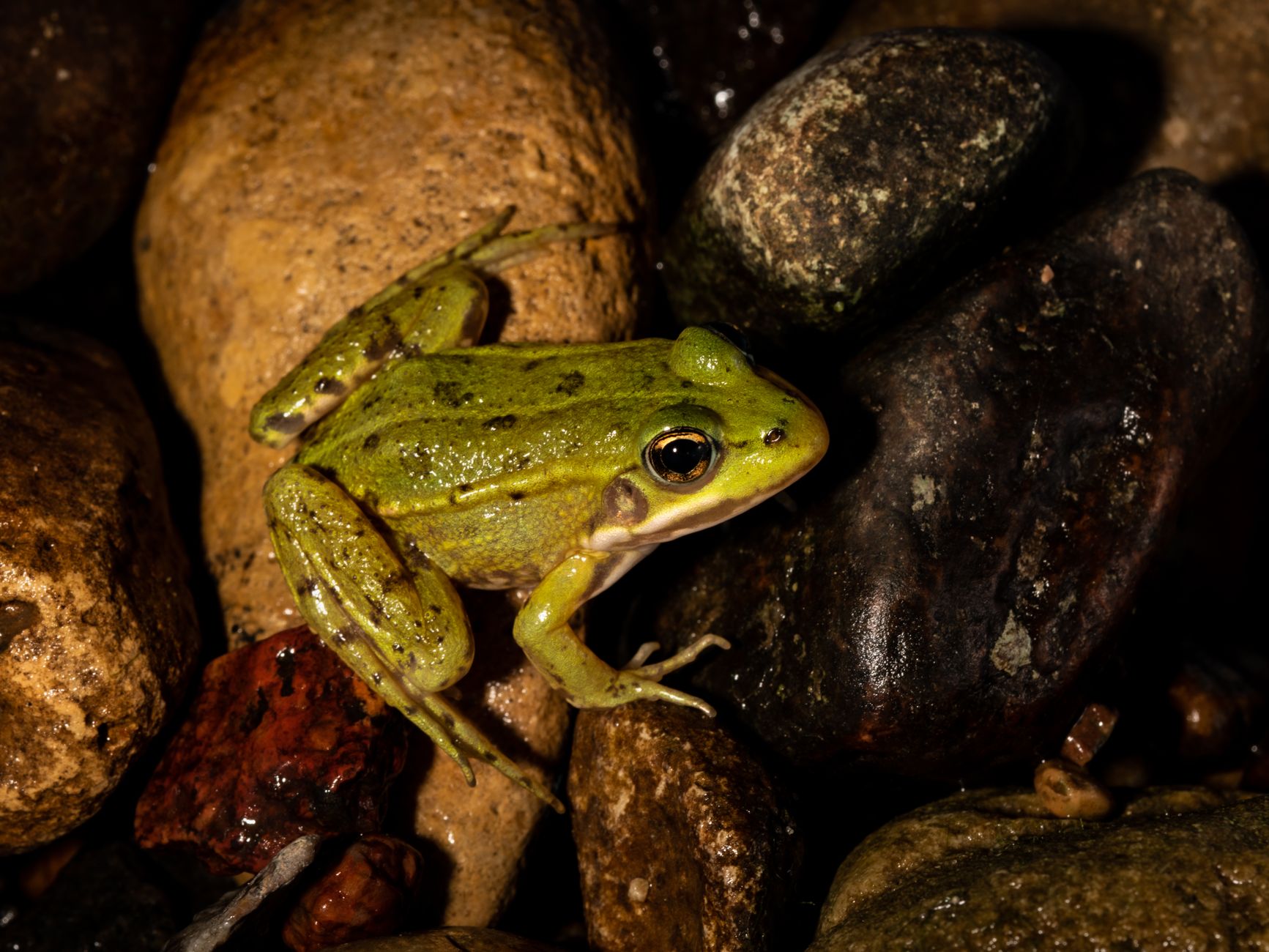
Isopods may seem insignificant, but they offer several nutritional benefits for leopard frogs:
- Calcium: Isopods are relatively high in calcium, which is crucial for bone development and muscle function in frogs.
- Protein: They provide a decent amount of protein, essential for growth and tissue repair.
- Fiber: The exoskeletons of isopods contain chitin, a type of fiber that can aid in digestion.
- Trace Minerals: Isopods also contain various trace minerals that contribute to overall health.
Potential Risks of Feeding Isopods
While isopods can be a beneficial food source, there are a few things to consider:
- Pesticides: Avoid feeding leopard frogs isopods collected from areas treated with pesticides. These chemicals can be harmful or even fatal.
- Habitat Contamination: Ensure the isopods are collected from a clean environment. Contaminated soil can harbor parasites or toxins.
- Overfeeding: Don’t rely solely on isopods. A varied diet is essential for optimal health.
Providing Isopods to Leopard Frogs in Captivity
If you keep leopard frogs as pets, you can supplement their diet with isopods.
- Source: Obtain isopods from a reputable breeder or collect them from a safe, pesticide-free environment.
- Gut Loading: Before feeding, gut-load the isopods with nutritious food such as leafy greens and vegetables. This enhances their nutritional value for the frogs.
- Quantity: Offer a few isopods alongside other food items, such as crickets or mealworms.
Distinguishing Safe Isopods from Harmful Insects
It’s important to be able to distinguish safe isopods from other insects that could be harmful to your leopard frog.
| Feature | Isopods (Pill Bugs/Woodlice) | Harmful Insects (e.g., Stink Bugs) |
|---|---|---|
| Body Shape | Segmented, oval, often curl into a ball when threatened | Varies; often shield-shaped, elongated, or brightly colored |
| Legs | Many pairs (typically 7 pairs) | Fewer pairs (typically 6 legs) |
| Exoskeleton | Hard, segmented plates | Varies; often harder and more textured |
| Behavior | Often found in moist environments, under rocks/logs | Varies widely; some are active fliers |
Frequently Asked Questions (FAQs)
Are all types of isopods safe for leopard frogs to eat?
Generally, common pill bugs (Armadillidiidae) and woodlice (Oniscidea) are safe. However, avoid feeding your frogs any brightly colored or unusual-looking isopods, as these could potentially be toxic. Always exercise caution and err on the side of safety.
How many isopods can I feed my leopard frog at a time?
A few isopods can be offered alongside other food items. Don’t overfeed; a varied diet is best. Offer 2-3 isopods per feeding in combination with crickets, mealworms, or other appropriate feeder insects.
Can I collect isopods from my garden to feed my frog?
Only if you are absolutely certain that your garden is free of pesticides and other harmful chemicals. Otherwise, it’s best to purchase isopods from a reputable source.
What should I feed isopods before giving them to my leopard frog?
Gut-load the isopods with a variety of nutritious foods, such as leafy greens (lettuce, spinach), vegetables (carrots, potatoes), and crushed eggshells for added calcium. This enhances their nutritional value for your frog.
Are there any health risks associated with feeding isopods to leopard frogs?
The main risks are pesticide contamination and potential parasites. Ensure your isopods come from a clean source and haven’t been exposed to harmful chemicals. Observe your frog for any signs of illness after feeding.
My leopard frog doesn’t seem interested in isopods. What should I do?
Some frogs simply prefer other food items. Continue offering a varied diet and don’t force the issue. Try offering the isopods at different times of day or in different ways.
Can baby leopard frogs eat isopods?
Smaller isopods might be suitable for baby leopard frogs, but ensure they are appropriately sized to prevent choking. Always supervise young frogs during feeding.
Do isopods need any special care before being fed to leopard frogs?
Keep isopods in a moist environment with plenty of leaf litter and decaying wood. This will encourage them to thrive and maintain their nutritional value.
Can I use commercially available isopods from a pet store?
Yes, purchasing isopods from a pet store or reputable breeder is a safe and reliable option. These isopods are typically raised under controlled conditions and are free from pesticides and parasites.
What are the signs of pesticide poisoning in a leopard frog?
Symptoms can include lethargy, tremors, vomiting, and loss of appetite. If you suspect your frog has been exposed to pesticides, contact a veterinarian immediately.
Are freeze-dried isopods a suitable alternative to live ones?
Freeze-dried isopods may be an option, but they generally lack the nutritional value of live, gut-loaded isopods. Live food is almost always the superior choice.
How often should I supplement my leopard frog’s diet with isopods?
Isopods should be offered as part of a varied diet, not as the sole food source. Offer them a few times a week alongside other insects and invertebrates. A balanced diet is key to a healthy leopard frog.