
Can I Trim Aquarium Plant Roots?: A Guide to Healthy Growth
Yes, you can trim aquarium plant roots! This practice, when done correctly, can actually promote healthier growth and better nutrient absorption for your aquatic plants.
Aquarium plants are essential for a thriving aquatic ecosystem, contributing to water quality, providing shelter for fish, and enhancing the aesthetic appeal of your tank. Just like terrestrial plants, their root systems are vital for nutrient uptake. But can I trim aquarium plant roots? The answer is yes, and often you should. This guide will delve into the reasons why, how to do it properly, and what to avoid.
Understanding Aquarium Plant Roots
Aquatic plant roots serve several key functions:
- Anchorage: Roots firmly secure the plant within the substrate, preventing them from floating away.
- Nutrient Uptake: They absorb vital nutrients from the substrate and water column, fueling growth.
- Storage: Some roots act as storage organs for nutrients and energy reserves.
Different aquarium plants exhibit varying root systems. Some, like Amazon swords, develop extensive, fibrous roots, while others, such as Anubias, primarily attach themselves to rocks or driftwood with rhizomes. Understanding your plant’s specific root structure is crucial for proper trimming.

How do you buff aquarium glass?
What is the most invasive plant in Australia?
What is the GREY African clawed frog?
Is distilled water good for goldfish?
Benefits of Trimming Aquarium Plant Roots
So, can I trim aquarium plant roots and see a benefit? Absolutely. While it may seem counterintuitive, trimming can actually be beneficial for several reasons:
- Promoting New Growth: Trimming stimulates the plant to produce new, healthier roots, increasing nutrient absorption.
- Managing Root Overgrowth: Untrimmed roots can become excessively long and tangled, hindering nutrient circulation within the substrate. This can create anaerobic zones, leading to the formation of harmful gases.
- Facilitating Propagation: In some cases, root trimmings can be used to propagate new plants.
- Improving Aesthetics: Overgrown roots can detract from the overall appearance of the aquarium.
- Preventing Rootbound Conditions: Just like potted terrestrial plants, aquarium plants can become rootbound in smaller tanks or confined spaces, limiting their growth.
How to Trim Aquarium Plant Roots: A Step-by-Step Guide
The process is simple and effective. Here’s how to properly trim aquarium plant roots:
- Carefully Remove the Plant: Gently lift the plant from the substrate, taking care not to damage the roots or surrounding plants.
- Rinse the Roots: Wash away any excess substrate or debris from the root system.
- Identify Dead or Damaged Roots: Remove any decaying, discolored, or damaged roots.
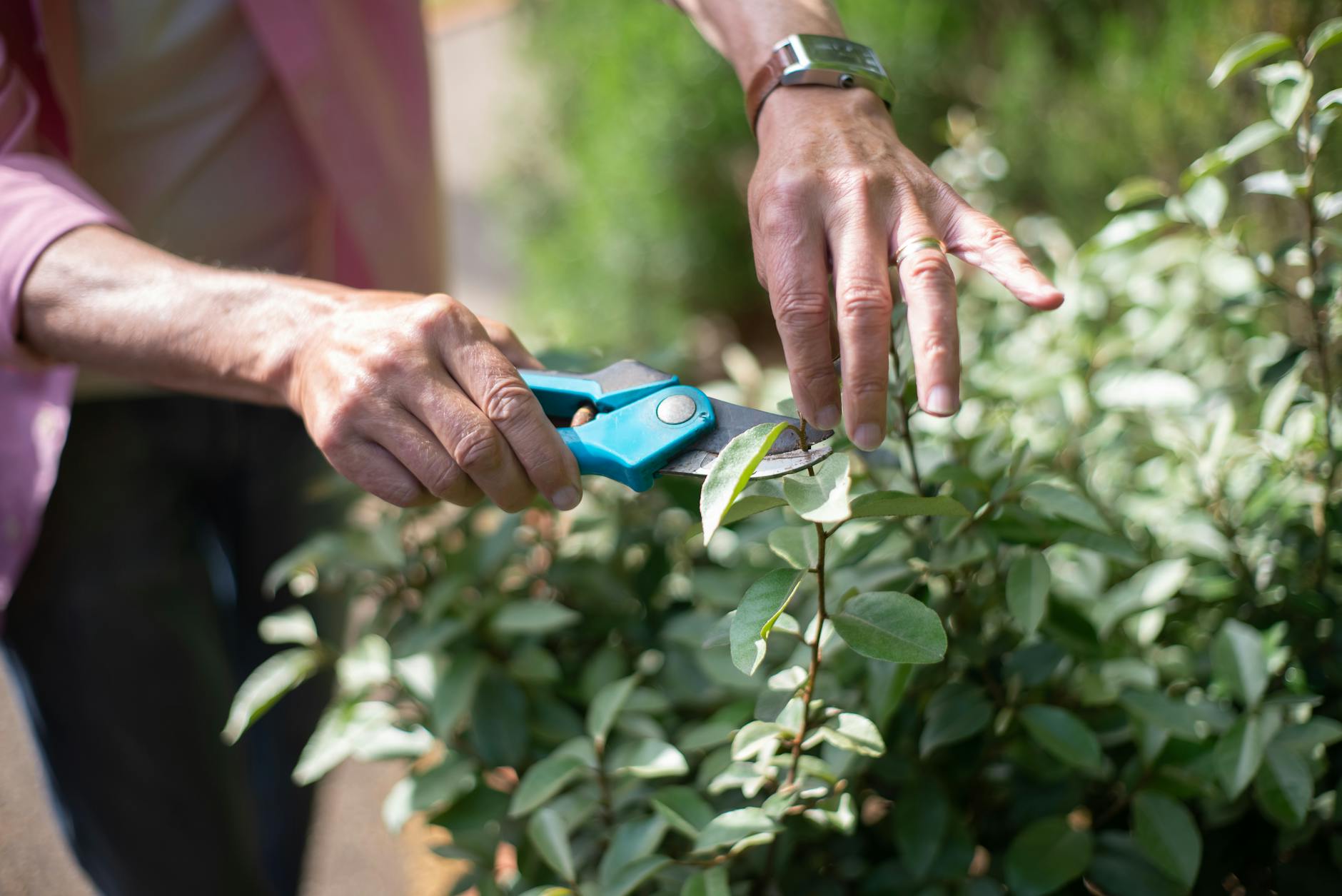
- Trim the Remaining Roots: Using sharp, sterilized scissors or a razor blade, trim the remaining roots to the desired length. Aim for a reduction of about one-third to one-half of the original length.
- Replant Carefully: Replant the trimmed plant into the substrate, ensuring the roots are properly buried.
- Monitor the Plant: Observe the plant for signs of stress or nutrient deficiencies in the days following trimming.
Tools and Supplies
To safely and effectively trim aquarium plant roots, you’ll need:
- Sharp Scissors or Razor Blade: Sterilized tools are essential to prevent the introduction of bacteria or algae.
- Clean Container: For rinsing roots and temporarily holding plants.
- Tweezers (Optional): Useful for replanting delicate plants.
Plants That Benefit Most From Root Trimming
While many aquarium plants tolerate root trimming well, some species particularly benefit from it:
- Amazon Swords (Echinodorus)
- Cryptocoryne species
- Vallisneria
- Sagittaria
- Most stem plants (e.g., Rotala, Ludwigia)
Plants That May Not Need Frequent Trimming
Some plants may not require frequent root trimming due to their growth habits or root structure:
- Anubias (primarily attached to surfaces via rhizomes)
- Java Fern (also attached to surfaces via rhizomes)
- Floating Plants (e.g., Duckweed, Amazon Frogbit) – no roots in substrate
Common Mistakes to Avoid
- Using Dull Tools: Dull tools can crush or tear roots, increasing the risk of infection.
- Trimming Too Much: Removing too much of the root system can shock the plant.
- Contaminating the Plant: Avoid using unsterilized tools or exposing the plant to harmful chemicals.
- Ignoring Signs of Nutrient Deficiency: Monitor the plant for signs of nutrient deficiencies, such as yellowing leaves or stunted growth, and adjust fertilization accordingly.
- Forgetting to Replant Properly: Ensure the roots are adequately buried in the substrate to prevent the plant from floating away.
Can I trim aquarium plant roots? – Impact on different substrates
Different substrates may react differently to plant root trimming.
| Substrate Type | Root Trimming Impact | Notes |
|---|---|---|
| Gravel | Minimal Impact | Roots may become tangled. Trimming improves circulation. |
| Planted Tank Substrates (e.g., Aquasoil) | Beneficial | Trimming helps prevent compaction and maintains nutrient availability. |
| Sand | Can be Beneficial | Helps prevent anaerobic zones. |
| Inert Substrates (e.g., Quartz) | Less Critical | Nutrients come primarily from the water column; trimming is mostly for aesthetics. |
Integrating Root Trimming into Your Aquarium Maintenance Routine
Root trimming should be integrated into your regular aquarium maintenance routine. A good rule of thumb is to trim roots every 2-3 months, or as needed based on plant growth and appearance. Combine this with regular water changes and fertilization for optimal plant health.
Frequently Asked Questions (FAQs)
How often should I trim aquarium plant roots?
The frequency depends on the growth rate of your plants and the size of your aquarium. A general guideline is to trim every 2-3 months, but you may need to adjust this based on observation. If you notice excessive root growth or signs of nutrient deficiency, it’s time to trim.
Is it safe to trim all the roots off an aquarium plant?
No, it is not recommended to remove all the roots. This can severely shock the plant and hinder its ability to absorb nutrients. Always leave a substantial portion of the root system intact to ensure survival. Trimming only about a third or a half of the roots is recommended.
What if my plant doesn’t have roots, can I still plant it?
Many stem plants can be planted even without established roots. They will develop new roots once planted in the substrate. Make sure to bury the nodes (where leaves emerge) to encourage root growth.
Can I trim the roots of floating plants?
While floating plants don’t root in the substrate, they do develop roots that hang in the water column. Yes, you can I trim aquarium plant roots from floating plants to manage their length and prevent them from shading other plants.
What if the roots are already tangled in the substrate?
Carefully loosen the substrate around the plant’s base before gently lifting it. You may need to use tweezers or your fingers to untangle the roots. Avoid pulling forcefully, as this can damage the roots.
Will root trimming affect the water parameters in my aquarium?
Root trimming should not significantly affect water parameters. However, releasing a large amount of organic matter from decaying roots into the water column can cause a slight increase in ammonia. Always monitor your water parameters after trimming and perform a water change if necessary.
Can I propagate new plants from the trimmings?
In some cases, yes. Certain plants, like Vallisneria and Sagittaria, produce runners (horizontal stems) with new plantlets attached. You can detach these plantlets and plant them separately to propagate new plants. Simply trim the runner and carefully replant the new plantlet.
My plant’s roots are growing above the substrate. Is this normal?
Some plants, like Anubias and Java Fern, naturally attach their roots to rocks or driftwood and may send out aerial roots. This is normal and does not require trimming unless the roots become excessively long or unsightly. For plants meant to be rooted in the substrate, emerging roots may indicate a need for more nutrients in the substrate.
How do I sterilize my trimming tools?
You can sterilize your trimming tools by soaking them in a diluted bleach solution (1 part bleach to 9 parts water) for 10-15 minutes. Be sure to rinse them thoroughly with dechlorinated water before using them on your plants. Alternatively, you can use isopropyl alcohol.
What are the signs of root rot in aquarium plants?
Signs of root rot include discolored, mushy, or foul-smelling roots. The plant may also exhibit yellowing leaves, stunted growth, or general decline. If you suspect root rot, carefully remove the affected plant, trim away the rotted roots, and replant it in a clean substrate. You can also treat the plant with an anti-fungal medication.
Is it possible to over-trim aquarium plant roots?
Yes, it’s certainly possible to over-trim. Over-trimming can severely shock the plant, hindering its ability to absorb nutrients and anchor itself. Always err on the side of caution and only trim a moderate amount of the root system at a time.
What kind of scissors should I use to trim aquarium plant roots?
Use sharp, stainless steel scissors specifically designed for aquarium use. These scissors are typically corrosion-resistant and allow for precise trimming without damaging the plant. Avoid using regular household scissors, as they may rust and contaminate the aquarium water.