
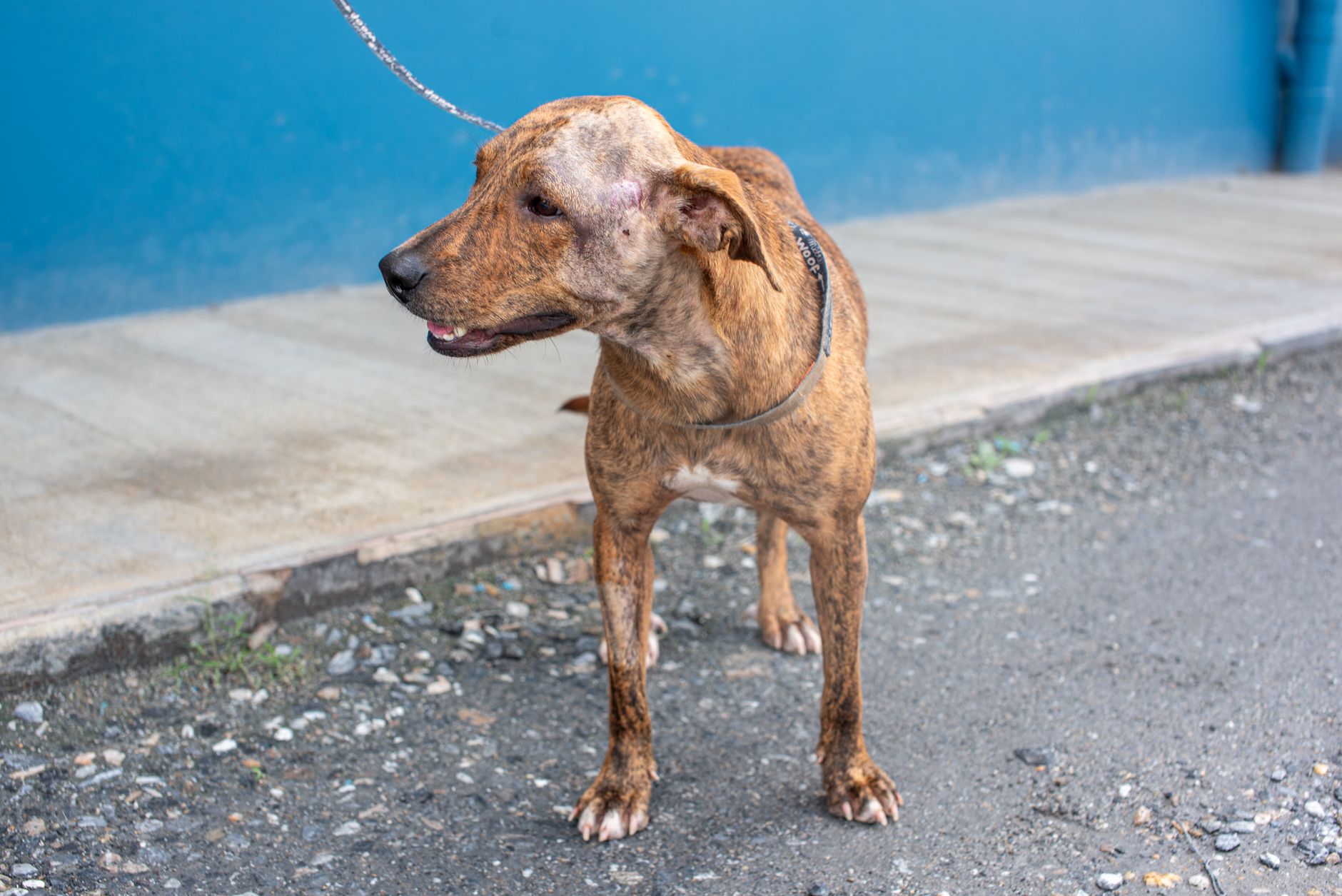
Can I Take My Dog Out to Pee After Surgery?: A Comprehensive Guide
Can I take my dog out to pee after surgery? The answer is a resounding yes, but with important precautions! Knowing the right way to handle post-operative potty breaks is crucial for a smooth recovery and preventing complications.
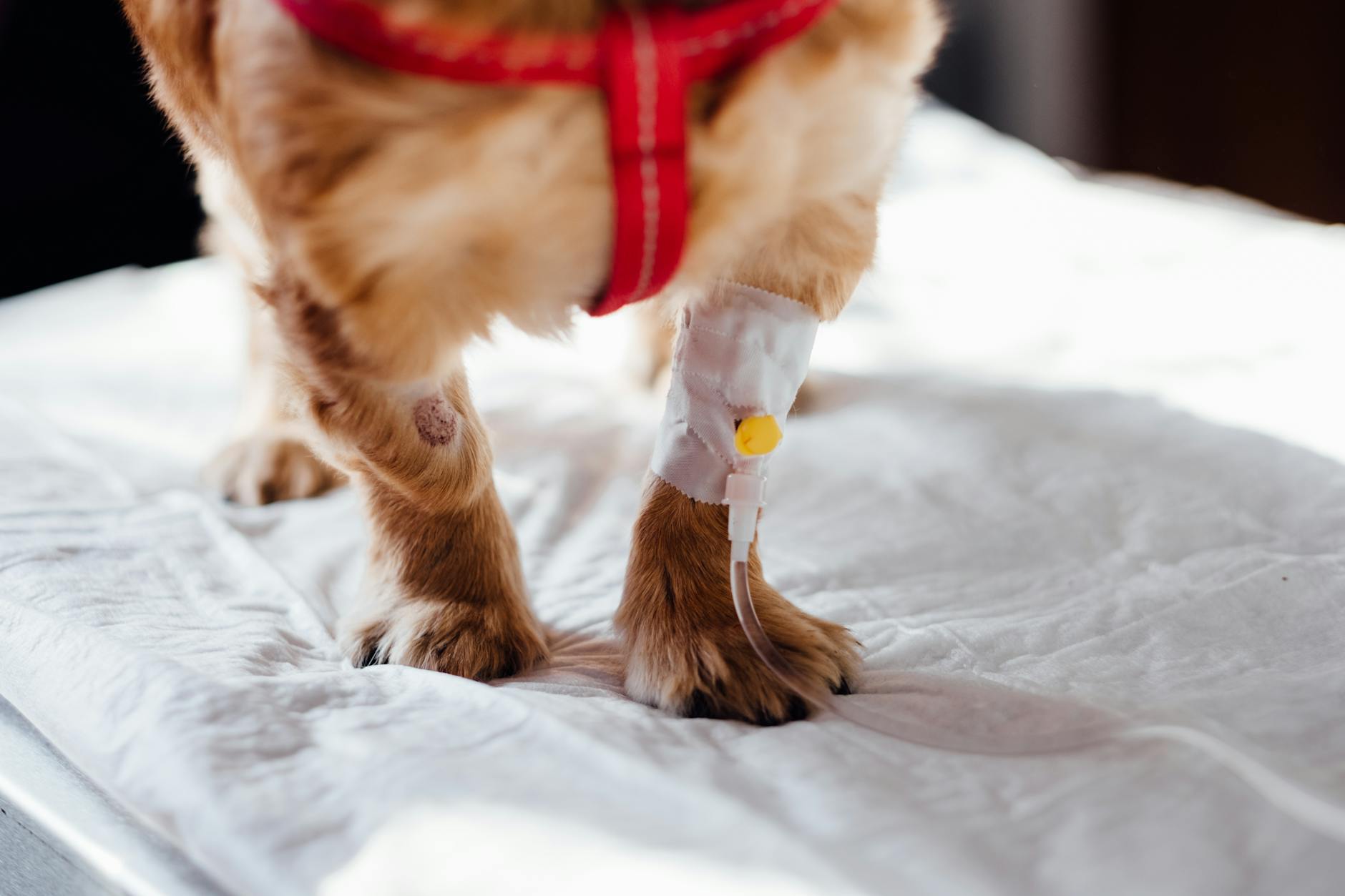
Understanding the Importance of Post-Operative Elimination
Following surgery, allowing your dog to relieve themselves is essential for their physical well-being and comfort. Retaining urine or feces can lead to unnecessary discomfort, pain, and potentially even contribute to complications like urinary tract infections. However, the method and timing of these potty breaks require careful consideration to ensure your dog’s surgical site remains protected and healing is not compromised.

Can fish hold their breath out of water?
How long does it take molly fish to give birth?
Preparing for the First Post-Op Potty Break

Preparation is key to a successful and safe first trip outside. Before your dog even comes home from the veterinary clinic, ensure you have everything you need readily available.
- Leash and Collar/Harness: Use a lightweight leash and a comfortable harness (if approved by your vet, as collars can put pressure on neck incisions).
- Medications: Have pain medication readily accessible. Administer as prescribed before the walk if your dog is showing signs of discomfort.
- Accessible Potty Spot: Choose a convenient and easily accessible area close to your home. Avoid areas with uneven terrain, distractions, or other dogs.
- Protection from Elements: Be mindful of the weather. If it’s raining, provide a waterproof coat or umbrella. In extreme heat, avoid going out during the hottest part of the day.
- Clean-Up Supplies: Always have poop bags and hand sanitizer on hand.
Guiding Your Dog During the Potty Break
The first few post-operative walks need to be short and controlled. Focus solely on elimination; avoid play, interaction with other animals, or lengthy walks.
- Slow and Steady: Use a gentle and supportive tone to encourage your dog. Don’t rush them.
- Controlled Movement: Keep your dog on a short leash to prevent sudden movements or pulling.
- Observe Closely: Watch for any signs of pain, discomfort, or straining. If your dog seems to be struggling, immediately contact your veterinarian.
- Support if Necessary: If your dog is weak or unsteady, use a sling or towel to provide support under their abdomen.
- Praise and Reward: Once your dog has successfully eliminated, offer gentle praise and a small, vet-approved treat.
Potential Complications and Precautions
While encouraging elimination is important, vigilance is also crucial. Be aware of potential problems and take steps to mitigate them.
- Incision Protection: Preventing your dog from licking or chewing at the incision is paramount. Use an Elizabethan collar (cone), surgical suit, or other protective devices as recommended by your vet.
- Infection: Monitor the incision for signs of infection: redness, swelling, discharge, or foul odor. Contact your veterinarian immediately if you observe any of these signs.
- Dehiscence (Incision Opening): Excessive straining or activity can cause the incision to open. If you notice any separation of the skin, contact your veterinarian immediately.
- Pain Management: Ensure your dog is receiving adequate pain relief as prescribed by your veterinarian. Pain can hinder healing and discourage elimination.
Creating a Post-Operative Potty Schedule
A consistent schedule can help regulate your dog’s elimination habits and prevent accidents. Work with your vet to establish a personalized plan. The following table outlines a potential sample schedule:
| Time | Activity | Considerations |
|---|---|---|
| 7:00 AM | Gentle wake-up & medication | Observe for signs of discomfort. |
| 7:30 AM | Short, controlled potty break | Keep leash short. Provide support if needed. |
| 8:00 AM | Breakfast | Offer a small, easily digestible meal. |
| 12:00 PM | Midday medication (if prescribed) | Follow veterinarian’s instructions. |
| 12:30 PM | Short, controlled potty break | Be patient and encouraging. |
| 5:00 PM | Dinner | Monitor food intake and stool consistency. |
| 9:00 PM | Evening medication (if prescribed) | Prepare for a quiet night. |
| 9:30 PM | Last potty break before bedtime | Ensure your dog empties their bladder completely. |
Remember to adjust this schedule based on your dog’s individual needs and your veterinarian’s recommendations.
Frequently Asked Questions
What if my dog refuses to go outside?
If your dog is reluctant to go outside, try tempting them with a favorite treat or toy. If the weather is unpleasant, provide protection from the elements. Consider using pee pads indoors as a temporary solution, particularly if mobility is a significant issue. If the problem persists, consult with your veterinarian to rule out any underlying medical issues.
How long should I wait before taking my dog out to pee after surgery?
The timing varies depending on the type of surgery and your dog’s individual condition. Your veterinarian will provide specific instructions, but generally, you should attempt a potty break within 12-24 hours after returning home. Prompt elimination is key to preventing discomfort.
My dog is straining to urinate or defecate after surgery. Is this normal?
Some mild straining is possible due to pain medication or changes in diet. However, excessive or prolonged straining is not normal and could indicate a problem. Contact your veterinarian if your dog is showing signs of significant discomfort or if you see blood in their urine or stool.
Can I use a regular leash after my dog’s surgery?
While a regular leash can be used, a short leash is preferred to maintain control and prevent your dog from pulling or running. Consider using a harness instead of a collar, especially if the surgery involved the neck or chest area.
Is it okay to let my dog off-leash in the backyard after surgery?
No. Never let your dog off-leash after surgery until your veterinarian has given you the all-clear. Unsupervised activity can lead to re-injury, incision damage, and delayed healing.
What if my dog has diarrhea after surgery?
Diarrhea can be a side effect of anesthesia, pain medication, or dietary changes. Offer a bland diet (boiled chicken and rice) and ensure your dog has access to fresh water. If the diarrhea is severe or persists for more than 24 hours, contact your veterinarian.
How can I prevent my dog from licking the incision?
An Elizabethan collar (cone) is the most effective way to prevent licking. Surgical suits or bandages can also be used, but ensure they are properly fitted and do not irritate the incision. Consistent monitoring is key.
What if my dog has an accident inside?
Accidents happen! Clean up the mess thoroughly with an enzymatic cleaner to eliminate odors and discourage repeat offenses. Don’t scold your dog, as this can cause anxiety and hinder recovery. Patience is important.
Should I change my dog’s food after surgery?
Your veterinarian may recommend a specific post-operative diet that is easily digestible and promotes healing. In general, avoid giving your dog table scraps or treats that could upset their stomach.
How often should I take my dog out to pee after surgery?
Take your dog out frequently, at least every 4-6 hours, especially in the first few days after surgery. Pay close attention to their cues and offer opportunities to eliminate whenever they seem restless or uncomfortable.
What are the signs of a post-operative infection?
Signs of infection include redness, swelling, discharge (pus), foul odor, and increased pain at the incision site. Contact your veterinarian immediately if you observe any of these signs.
Can I take my dog out to pee after surgery if it’s raining?
Yes, can I take my dog out to pee after surgery even if it’s raining, but take precautions to keep them dry and comfortable. Use a waterproof coat or umbrella. Dry them thoroughly after the walk to prevent chilling.