
Can I Feed My Dog Food Left Out Overnight? A Veterinary Perspective
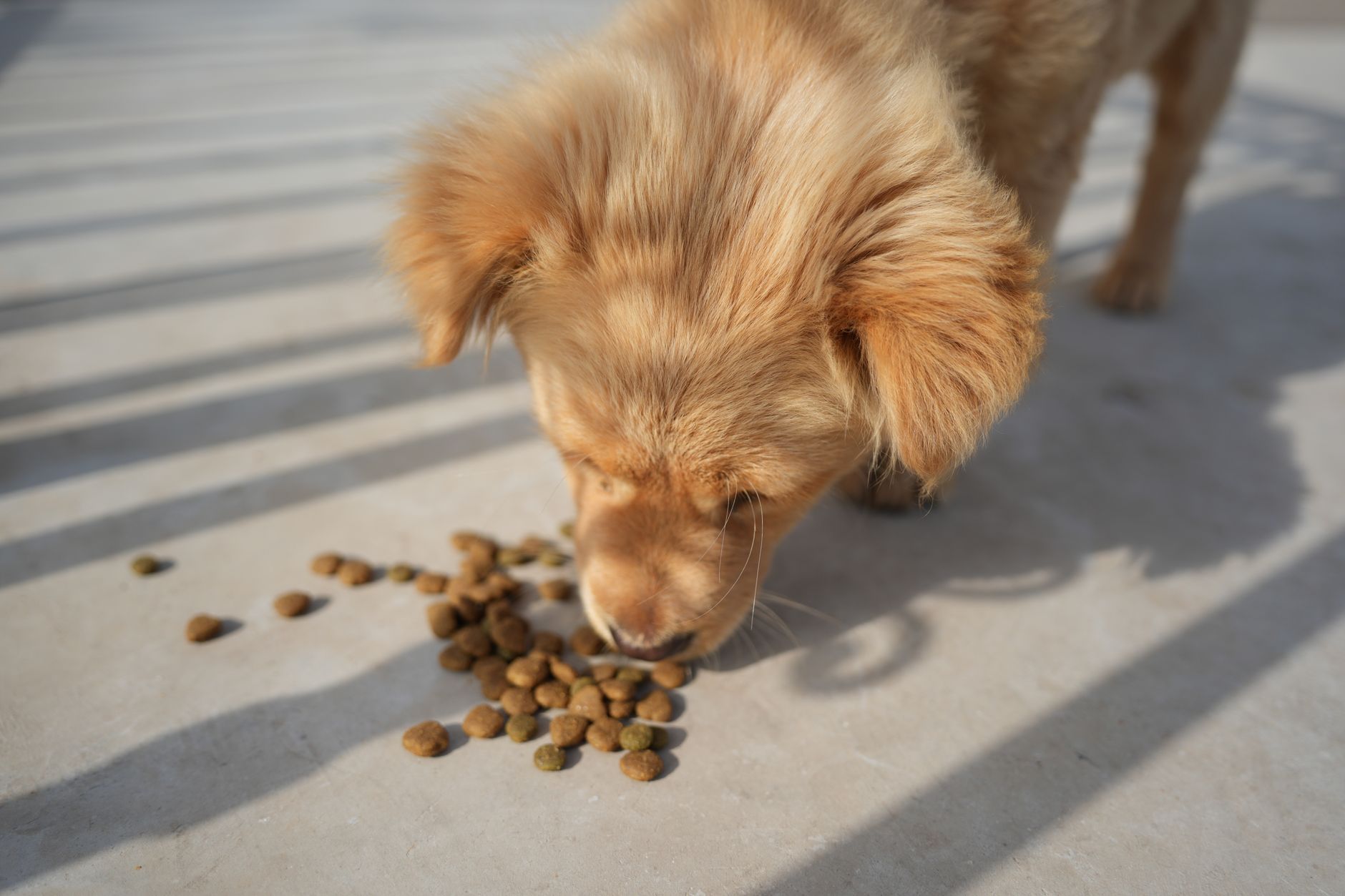
Never feed your dog food left out overnight. The risk of bacterial contamination outweighs any potential convenience.
Introduction: The Perils of Overnight Dog Food
The unwavering gaze of your furry friend, hoping for a tasty treat, can be hard to resist. However, when it comes to the safety of your canine companion, erring on the side of caution is always the best approach. A common question pet owners ask is: Can I feed my dog food left out overnight? The answer, unequivocally, is no. While the convenience might be tempting, the potential health risks associated with consuming food that has been sitting out for an extended period are simply too great to ignore. As a veterinarian, I frequently address concerns about pet food safety, and this is a crucial topic for all dog owners to understand.
Who wins a hyena or wild dog?
Can fish hold their breath out of water?
Understanding Bacterial Growth in Dog Food
Leaving dog food out overnight provides a breeding ground for harmful bacteria like Salmonella, E. coli, and Staphylococcus. These bacteria thrive in warm, moist environments, and an unattended bowl of food is an ideal habitat.
- Dry Food: While dry food is less prone to bacterial growth than wet food, it’s still susceptible, especially in humid conditions.
- Wet Food: Wet food is significantly more vulnerable due to its high moisture content. Bacteria multiply rapidly, increasing the risk of food poisoning.
The longer the food sits out, the higher the bacterial load becomes, increasing the likelihood of your dog experiencing gastrointestinal distress. Visual cues, such as mold growth or a foul odor, may not always be present, meaning food can be contaminated even if it appears normal.
Symptoms of Food Poisoning in Dogs
If your dog accidentally consumes contaminated food, they may exhibit various symptoms of food poisoning. These can range from mild to severe and require prompt veterinary attention. Common signs include:
- Vomiting
- Diarrhea
- Lethargy
- Loss of appetite
- Abdominal pain
- Fever
- Dehydration
If you observe any of these symptoms, contact your veterinarian immediately. Early intervention can prevent complications and ensure a swift recovery.
Safe Food Handling Practices for Dog Owners
Protecting your dog from foodborne illnesses is a critical aspect of responsible pet ownership. Implementing safe food handling practices is essential. Here are some guidelines to follow:
- Measure Food Portions: Only provide the amount of food your dog will consume in one sitting.
- Time Limit: Do not let food sit out for longer than 30 minutes to an hour.
- Proper Storage: Store dry food in airtight containers in a cool, dry place.
- Refrigerate Wet Food: Refrigerate opened cans or pouches of wet food immediately.
- Wash Bowls Regularly: Clean your dog’s food and water bowls daily with soap and hot water.
- Discard Leftovers: If your dog doesn’t finish their meal, discard the uneaten portion promptly. Do not save it for later.
Alternative Feeding Strategies
If you struggle with consistently feeding your dog at specific times or are concerned about leaving food out, consider these alternative feeding strategies:
- Scheduled Feedings: Establish a consistent feeding schedule to regulate your dog’s appetite.
- Puzzle Feeders: Use puzzle feeders to slow down eating and provide mental stimulation.
- Automatic Feeders: Automatic feeders can dispense pre-portioned meals at set times, ensuring fresh food is available.
- Raw Food Diet: If considering a raw food diet, consult with a veterinary nutritionist to ensure it is balanced and safe. Proper handling of raw food is crucial to prevent bacterial contamination.
Table: Comparing Food Storage Options
| Food Type | Storage Method | Shelf Life |
|---|---|---|
| Dry Food | Airtight container in a cool, dry place | Typically up to a year from the manufacturing date |
| Wet Food (Open) | Refrigerate in an airtight container | 2-3 days |
| Raw Food | Freezer or refrigerator (depending on thawed state) | Varies significantly, follow specific guidelines |
The Cost of Convenience
While leaving food out overnight might seem like a minor convenience, the potential health consequences for your dog are significant. The cost of a vet visit and treatment for food poisoning far outweighs any perceived time savings. Prioritizing your dog’s safety and well-being by adhering to proper food handling practices is a testament to responsible pet ownership.
Frequently Asked Questions About Leaving Dog Food Out Overnight
Is it okay to leave dry dog food out all day?
No, even dry dog food shouldn’t be left out all day. While it’s less susceptible to rapid bacterial growth than wet food, it can still become contaminated with bacteria, attract pests, and lose its freshness. It’s best to provide a measured portion and remove any uneaten food after 30 minutes to an hour.
What happens if my dog eats food that’s been left out overnight?
If your dog eats food that’s been left out overnight, they may experience symptoms of food poisoning, such as vomiting, diarrhea, lethargy, and loss of appetite. Monitor them closely, and contact your veterinarian if you notice any concerning signs. Early intervention is crucial.
How long is too long to leave wet dog food out?
Wet dog food should not be left out for more than 30 minutes to an hour. Its high moisture content makes it an ideal breeding ground for bacteria, which can rapidly multiply and cause food poisoning.
Can I put leftover wet dog food in the refrigerator?
Yes, you can refrigerate leftover wet dog food, but it should be stored in an airtight container and consumed within 2-3 days. After that, it should be discarded to prevent bacterial growth. Always check for spoilage before feeding.
What are the best ways to store dry dog food?
The best way to store dry dog food is in an airtight container in a cool, dry place. This will help prevent bacterial contamination, maintain freshness, and deter pests. Avoid storing it in direct sunlight or near heat sources.
Is it safe to feed my dog raw food that has been left out overnight?
Absolutely not! Raw food poses a significantly higher risk of bacterial contamination than commercial dog food. It should never be left out at room temperature and must be handled with extreme care to prevent foodborne illnesses.
Does leaving food out overnight affect the nutritional value of the dog food?
Yes, leaving food out overnight can affect its nutritional value. Exposure to air and light can degrade vitamins and other nutrients, reducing the overall benefit to your dog.
Can I just heat up the leftover food to kill the bacteria?
Heating leftover food might kill some bacteria, but it won’t eliminate all toxins they may have produced. It’s still unsafe to feed your dog food that’s been left out overnight, even if reheated.
My dog seems fine after eating food left out overnight. Can I keep doing it?
Just because your dog hasn’t shown symptoms of food poisoning after eating food left out overnight doesn’t mean it’s safe. Bacterial contamination can occur without immediate, obvious symptoms. It’s best to err on the side of caution and avoid the risk altogether.
Are some dogs more susceptible to food poisoning than others?
Yes, puppies, senior dogs, and dogs with weakened immune systems are more susceptible to food poisoning. Their bodies may not be able to fight off bacterial infections as effectively as healthy adult dogs.
What if my dog only eats a little bit at a time and grazes throughout the day?
If your dog is a grazer, try using an automatic feeder to dispense small, pre-portioned meals throughout the day. This ensures that fresh food is always available and minimizes the risk of bacterial contamination.
What should I do if I suspect my dog has food poisoning?
If you suspect your dog has food poisoning, contact your veterinarian immediately. Provide them with information about what your dog ate and the symptoms they are experiencing. Early intervention can prevent complications and ensure a swift recovery.