
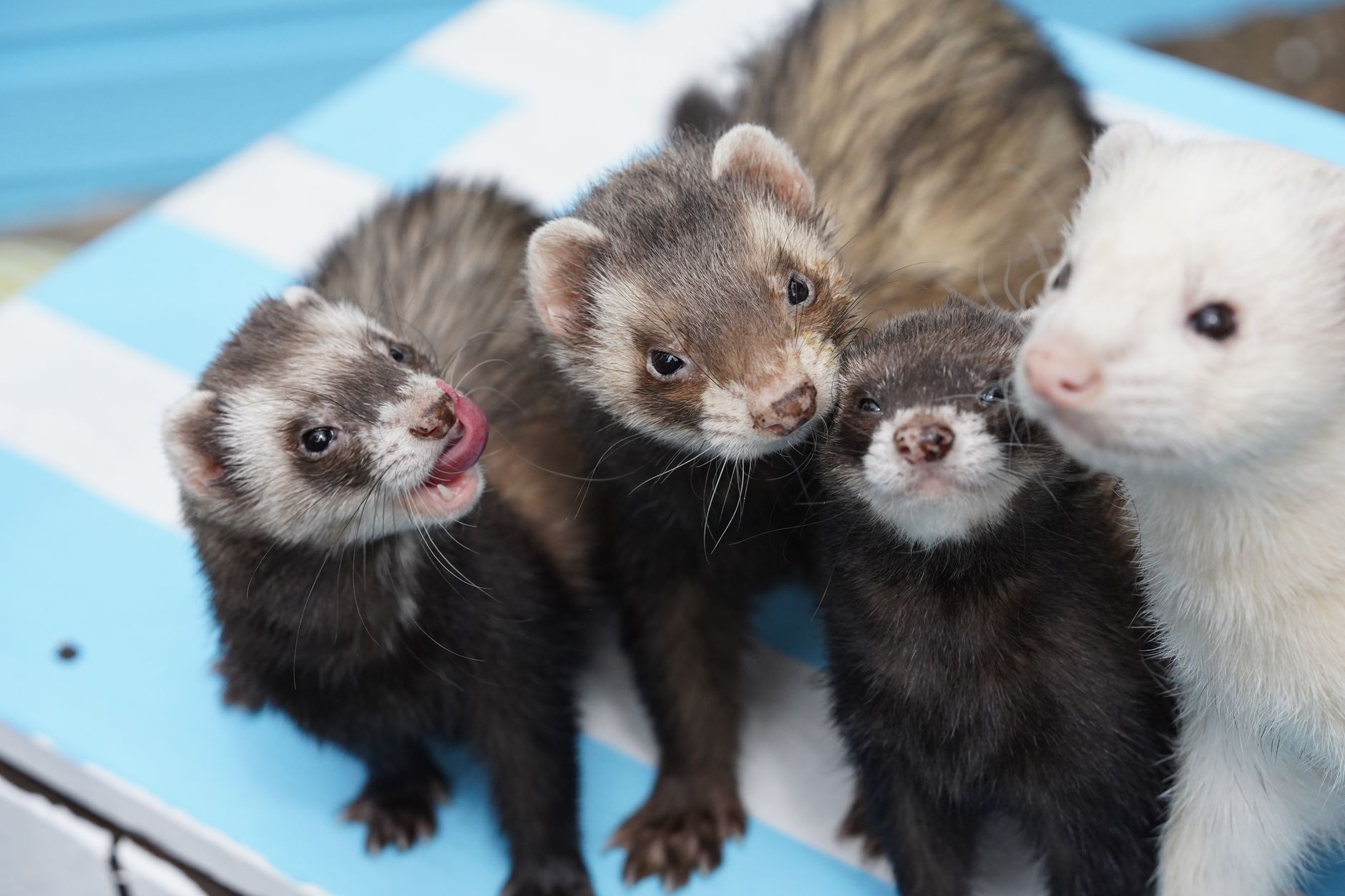
Can Ferrets Live Without Meat? A Critical Look at Ferret Dietary Needs
The answer is a resounding no: Ferrets absolutely cannot live without meat. Their bodies are specifically designed to process animal protein, and a meat-free diet would lead to severe health complications and, ultimately, death.
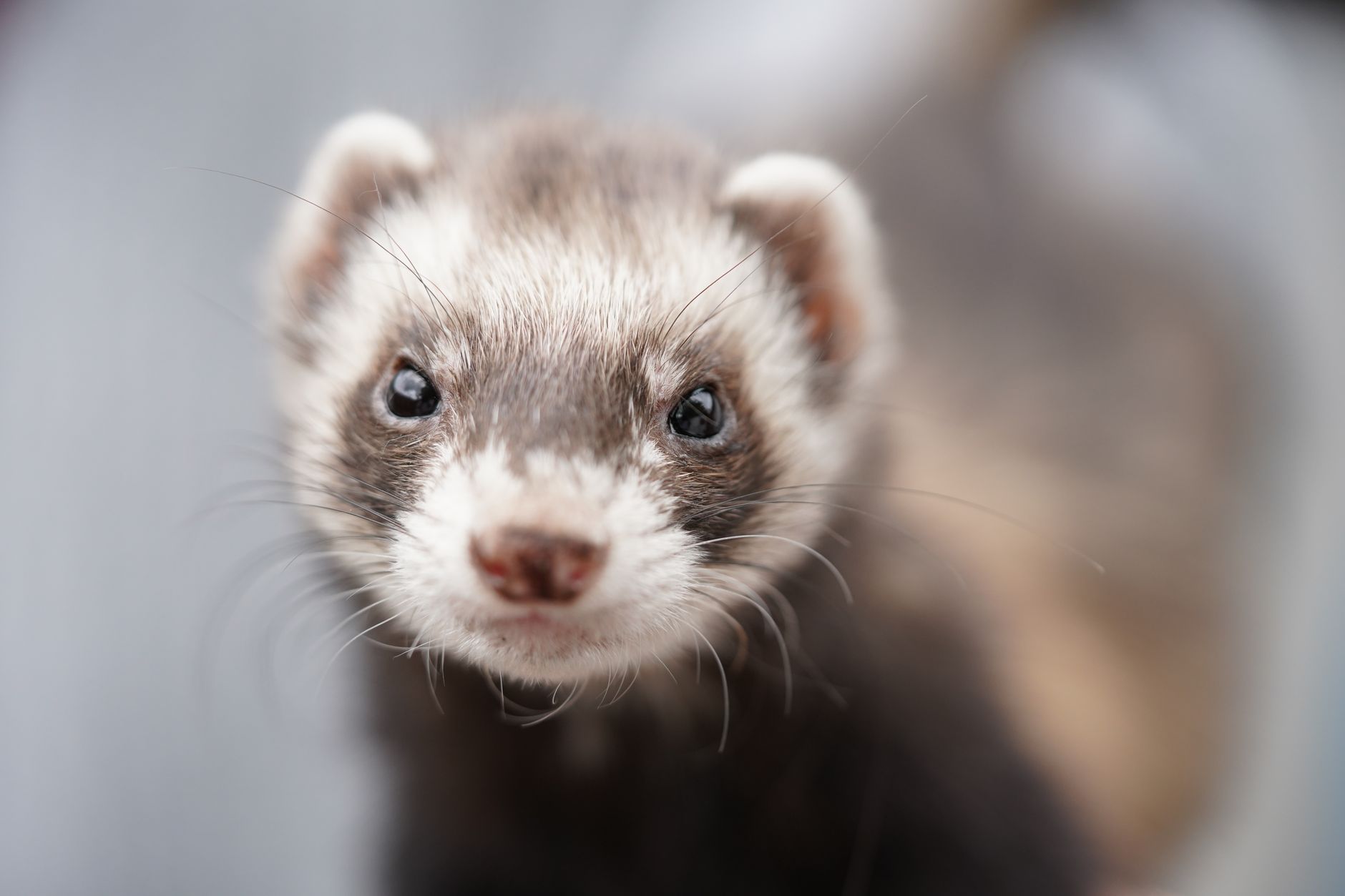
Understanding the Ferret: An Obligate Carnivore
Ferrets are obligate carnivores, meaning their bodies are biologically adapted to thrive on a diet consisting primarily of meat. Unlike omnivores or herbivores, ferrets lack the necessary digestive enzymes to efficiently process plant-based foods. This isn’t a matter of preference; it’s a fundamental aspect of their physiology. Can ferrets live without meat? Not if you want them to live a healthy, long life.
- Short Digestive Tract: Ferrets have a short digestive tract, allowing for quick processing of animal protein and fat. Plant matter takes much longer to digest, leading to potential digestive issues.
- Limited Cecum: Unlike herbivores, ferrets have a very small cecum, the pouch-like structure where plant fermentation occurs. This means they can’t effectively break down plant fiber.
- Enzyme Deficiency: Ferrets lack the enzymes necessary to properly digest carbohydrates and certain plant-based proteins.

What is the GREY African clawed frog?
Is distilled water good for goldfish?
What colours are fish most attracted to?
Can you put your finger in a trout's mouth?
The Dangers of a Meat-Free Diet for Ferrets

A diet lacking in meat can have devastating consequences for a ferret’s health.
- Protein Deficiency: Animal protein is essential for building and repairing tissues, producing enzymes, and supporting a healthy immune system. A protein deficiency can lead to muscle wasting, weakness, and increased susceptibility to infections.
- Taurine Deficiency: Taurine is an amino acid crucial for heart and eye health in ferrets. It’s primarily found in animal tissues, and a deficiency can cause heart problems and blindness.
- Malnutrition and Weight Loss: Without adequate animal-based nutrients, ferrets will struggle to maintain a healthy weight and will suffer from malnutrition, leading to organ failure and death.
- Gastrointestinal Issues: Plant-based foods can cause digestive upset, including diarrhea, vomiting, and bloating.
Ideal Ferret Diet: Replicating Natural Prey
To ensure optimal health, a ferret’s diet should closely resemble their natural prey: small mammals, birds, and insects.
- High-Quality Commercial Ferret Food: The best option is a high-quality commercial ferret food that contains:
- 30-40% Animal Protein
- 18-30% Fat
- Low Fiber (less than 3-4%)
- Meat-Based Treats: Small amounts of cooked meat (chicken, turkey, lamb) can be offered as treats. Raw meat can be given, but requires meticulous hygiene to avoid bacterial contamination.
- Occasional Raw Egg Yolk: Raw egg yolk can be given sparingly as a supplementary source of nutrients. Avoid the whites, which contain avidin, an enzyme that inhibits biotin absorption.
- Avoid: Fruits, vegetables, grains, and sugary treats should be avoided entirely. These are not digestible by ferrets and can cause serious health problems.
Debunking Myths: Ferrets and Vegan/Vegetarian Diets
Despite the scientific evidence, some people attempt to feed ferrets vegan or vegetarian diets. This is extremely dangerous and can lead to severe health problems. The argument that ferrets can adapt to plant-based diets is simply false. Can ferrets live without meat and thrive? Absolutely not. There is no ethical justification for forcing a carnivore to adhere to a diet that is biologically inappropriate and harmful.
Transitioning to a Better Diet
If your ferret is currently on a poor diet, it’s crucial to transition them to a high-quality commercial ferret food gradually.
- Mix Old and New Food: Start by mixing a small amount of the new food with the old food.
- Gradually Increase the Ratio: Over several days or weeks, gradually increase the ratio of new food to old food, until the ferret is eating only the new food.
- Monitor for Digestive Issues: Watch for signs of digestive upset, such as diarrhea or vomiting. If these occur, slow down the transition.
- Consult Your Veterinarian: If you have any concerns, consult your veterinarian for advice.
Frequently Asked Questions About Ferret Diets
Why are ferrets obligate carnivores?
Ferrets evolved as predators with digestive systems specifically adapted to process animal protein and fat. Their short digestive tracts, limited cecum, and enzyme deficiencies prevent them from efficiently digesting plant matter. Forcing them to eat a plant-based diet is akin to starving them.
What are the signs of protein deficiency in ferrets?
Signs of protein deficiency include muscle wasting, weight loss, lethargy, poor coat quality, and increased susceptibility to infections. These symptoms indicate a severe health crisis that requires immediate veterinary attention.
Can ferrets eat cat food?
While some cat foods are higher in protein than others, they are generally not formulated to meet the specific nutritional needs of ferrets. High-quality ferret food is always the best option. If cat food is used temporarily, ensure it is a high-protein, grain-free formula.
Is raw meat a good option for ferrets?
Raw meat can be a healthy option if handled properly. However, it’s crucial to source high-quality meat from a reputable supplier and to practice strict hygiene to prevent bacterial contamination. The risk of salmonella or E. coli poisoning is significant.
What treats are safe for ferrets?
Safe treats include small amounts of cooked meat (chicken, turkey, lamb), meat-based baby food (without onion or garlic), and occasional raw egg yolk. Avoid sugary treats, fruits, vegetables, and grains, as these are harmful to ferrets.
How often should I feed my ferret?
Ferrets have a high metabolism and should have access to food at all times. Keep their food bowl full and fresh, and replenish it daily.
Can ferrets eat fish?
Fish can be given in moderation, but it should not be a primary source of protein, as it can lead to a vitamin E deficiency. Oily fish can be beneficial in small amounts for its omega-3 fatty acids.
What ingredients should I avoid in ferret food?
Avoid foods containing high levels of plant-based proteins (soy, corn), grains (wheat, rice), fruits, vegetables, and sugary additives. These ingredients are poorly digested and can cause health problems.
How can I tell if my ferret is overweight?
An overweight ferret will have difficulty moving, a rounded belly, and an inability to feel their ribs easily. Consult your veterinarian for advice on adjusting their diet and increasing their activity level.
What is the best way to introduce a new food to my ferret?
Introduce new foods gradually, mixing them with the old food. Monitor for any signs of digestive upset, such as diarrhea or vomiting, and slow down the transition if necessary.
Can ferrets live without meat even if I add taurine to their diet?
No. Adding taurine alone is not sufficient. Meat provides a complex range of essential nutrients beyond just taurine, including other amino acids, vitamins, and minerals. A meat-free diet, even with added taurine, will lead to severe health problems.
How important is water to a ferret’s diet?
Water is crucial. Ferrets need constant access to fresh, clean water. Dehydration can lead to serious health problems, including kidney damage. Ensure they have multiple water sources available.