
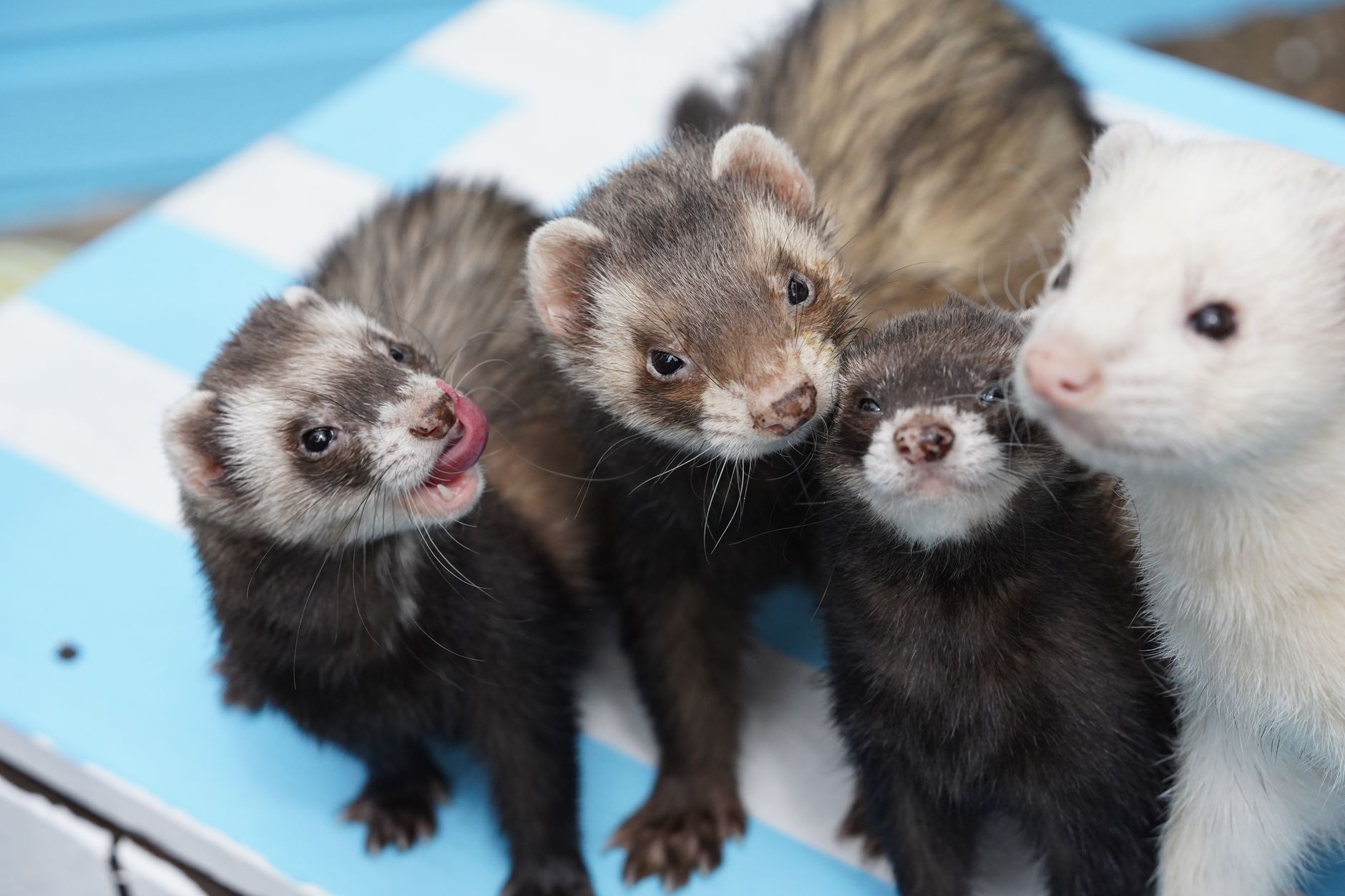
Can Ferrets Have Kids? The Biology of Ferret Reproduction
Yes, ferrets can indeed have kids. Known as kits, baby ferrets are born helpless and rely entirely on their mother for survival. This article dives into the fascinating world of ferret reproduction, covering everything from breeding cycles to common health concerns.

Understanding Ferret Reproduction
Ferrets, like many mammals, have a specific breeding season. Understanding their reproductive cycle is crucial for responsible ferret ownership and preventing unwanted litters. The process is more complex than simply housing a male and female ferret together.

Do all amphibians have eyelids?
Why do cuttlefish have W-shaped eyes?
Do all snakes have poison in them?
What is the GREY African clawed frog?
Seasonal Breeding and the Ferret Estrous Cycle

Ferrets are seasonally polyestrous, meaning they have multiple estrous cycles during the breeding season. This season is generally triggered by increasing daylight hours, typically from March to August in the Northern Hemisphere.
- Anestrus: The period of reproductive inactivity, usually during the fall and winter months.
- Proestrus: The beginning of the estrous cycle, characterized by swelling of the vulva.
- Estrus: The period of receptivity to males. In ferrets, if a female (jill) is not bred during estrus, she can develop a life-threatening condition called aplastic anemia due to prolonged estrogen production.
- Metestrus: A short period after ovulation.
Ferret Mating and Pregnancy
Mating in ferrets is a rather rough affair. The male (hob) will typically grab the jill by the scruff of the neck and drag her around. While it may seem violent, it is a normal part of the mating process.
Pregnancy in ferrets lasts approximately 42 days. During this time, the jill requires extra care and a high-quality diet to support the developing kits.
Preparing for Ferret Kits
If you intend to breed your ferrets, careful preparation is essential.
- Health Checks: Ensure both the hob and jill are healthy and free from any genetic conditions.
- Appropriate Housing: Provide a safe, clean, and comfortable environment for the jill to give birth and raise her kits. A large cage or dedicated space is needed.
- Nest Box: A secluded nest box filled with soft bedding (like old t-shirts or towels) is crucial for the jill’s comfort and the kits’ safety.
- High-Quality Food: The jill needs a diet rich in protein and fat to support her pregnancy and lactation.
- Veterinary Care: Have a veterinarian experienced with ferrets on standby in case of complications.
Common Issues and Considerations
Breeding ferrets is not without its challenges. It’s important to be aware of potential problems.
- Dystocia (Difficult Birth): This can occur due to the size of the kits or positioning issues. Veterinary intervention, potentially including a C-section, may be necessary.
- Aplastic Anemia: As mentioned earlier, this is a serious concern for unbred jills in estrus. It can be prevented through breeding, spaying, or hormonal implants.
- Neglect of Kits: First-time mothers may sometimes neglect their kits. In such cases, hand-rearing may be required, which is very demanding.
- Genetic Issues: Breeding ferrets with known genetic problems can perpetuate those conditions in future generations. Thoroughly research the lineage of your ferrets.
Caring for Ferret Kits
Newborn ferret kits are incredibly vulnerable.
- Warmth: Kits cannot regulate their own body temperature for the first few weeks. Maintain a warm environment.
- Feeding: The jill will nurse her kits. Ensure she is eating enough to produce sufficient milk.
- Handling: Avoid handling the kits excessively in the first few days. Allow the jill to bond with them.
- Weaning: Kits typically begin to wean around 3-4 weeks of age. Introduce them to a high-quality ferret kibble softened with water.
- Socialization: As the kits grow, gentle handling and socialization are important to ensure they become well-adjusted pets.
Table: Ferret Reproductive Timeline
| Stage | Timing (approximate) | Key Events |
|---|---|---|
| Breeding Season | March – August | Jill enters estrus; Hob’s testicles descend. |
| Pregnancy | 42 days | Development of kits inside the jill. Requires increased caloric intake for the mother. |
| Birth | Varies | Kits are born blind and deaf, completely dependent on the mother. |
| Weaning | 3-4 weeks | Kits begin to eat solid food. |
| Independence | 6-8 weeks | Kits are typically fully weaned and ready to go to new homes (if intended). |
Frequently Asked Questions (FAQs)
How often can ferrets have kits?
Ferrets can theoretically have multiple litters per breeding season, but it’s not recommended. Breeding too frequently can deplete the jill’s resources and negatively impact her health. Responsible breeders limit the number of litters a jill has in her lifetime.
How many kits are in a typical ferret litter?
The average ferret litter size is between 5 and 10 kits, but litters can range from as few as one to as many as fifteen. Litter size depends on factors like the jill’s age, health, and genetics.
What do baby ferrets (kits) look like?
Newborn ferret kits are tiny, pink, blind, and deaf. They are completely dependent on their mother for warmth, nourishment, and care. They will gradually develop their fur, eyesight, and hearing over the next few weeks.
When do ferret kits open their eyes?
Ferrets typically open their eyes around 3-5 weeks of age. This is also when they start to become more mobile and curious about their surroundings.
When can I start handling ferret kits?
While it’s best to avoid excessive handling in the first few days, gentle handling starting around 2 weeks of age can help socialize the kits and get them used to human contact. Always be gentle and respectful of the jill’s space.
What should I feed a pregnant ferret (jill)?
A pregnant jill requires a diet rich in protein and fat to support her own health and the development of her kits. Feed her a high-quality ferret kibble and supplement with other protein sources like cooked meat or eggs. Consult your veterinarian for specific dietary recommendations.
Can male ferrets help raise the kits?
No, male ferrets do not participate in raising the kits. In fact, it’s best to separate the hob from the jill and kits after mating to prevent any potential harm to the young.
Is it safe to breed ferrets at home?
Breeding ferrets at home can be challenging and carries risks. It’s essential to be prepared for potential complications and have access to veterinary care. If you’re inexperienced, consider seeking guidance from an experienced ferret breeder or veterinarian.
What is the lifespan of a ferret, and does breeding affect it?
Ferrets typically live for 5-7 years. Breeding can impact a jill’s lifespan, especially if she is bred too frequently or experiences complications. Proper care and responsible breeding practices can help minimize these risks.
What are the alternatives to breeding ferrets to prevent aplastic anemia?
Besides breeding, there are two main alternatives to prevent aplastic anemia in female ferrets: spaying and hormonal implants. Spaying is a permanent solution, while implants need to be replaced periodically.
How do I know if my ferret is pregnant?
Signs of pregnancy in ferrets can be subtle at first. They may include weight gain, increased appetite, nest-building behavior, and a change in personality. A veterinarian can confirm pregnancy through palpation or ultrasound.
Can ferrets have c-sections?
Yes, ferrets can undergo cesarean sections (C-sections) if they experience dystocia (difficult birth). This is a surgical procedure to deliver the kits. Your veterinarian can advise you on the best course of action if your ferret is experiencing a difficult labor.