
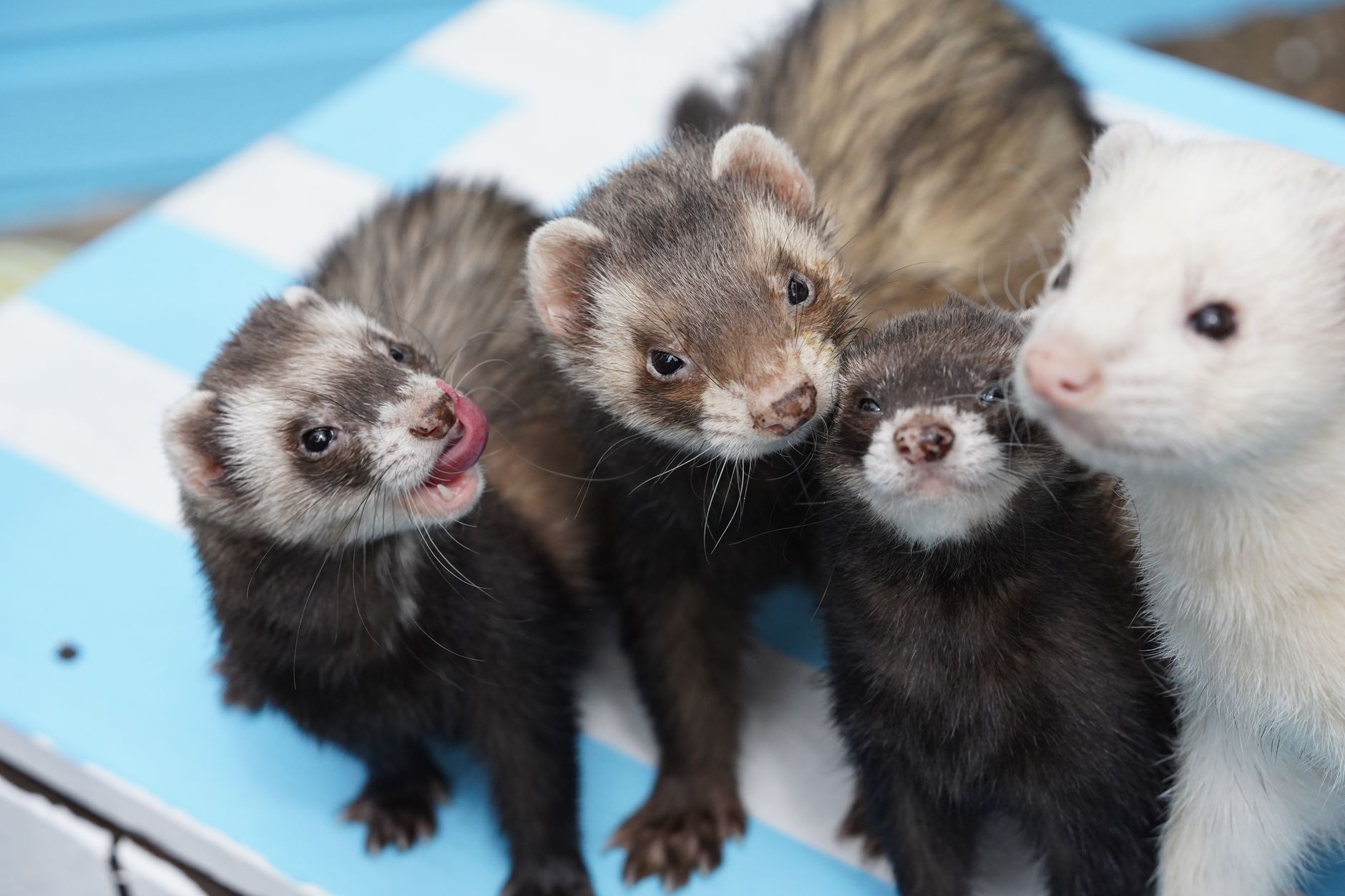
Can Ferrets Have Greenies? A Deep Dive into Ferret Nutrition
No, ferrets should absolutely not have Greenies. These dental treats are designed for dogs and contain ingredients that are harmful and potentially dangerous for ferrets due to their obligate carnivore nature and unique digestive systems.
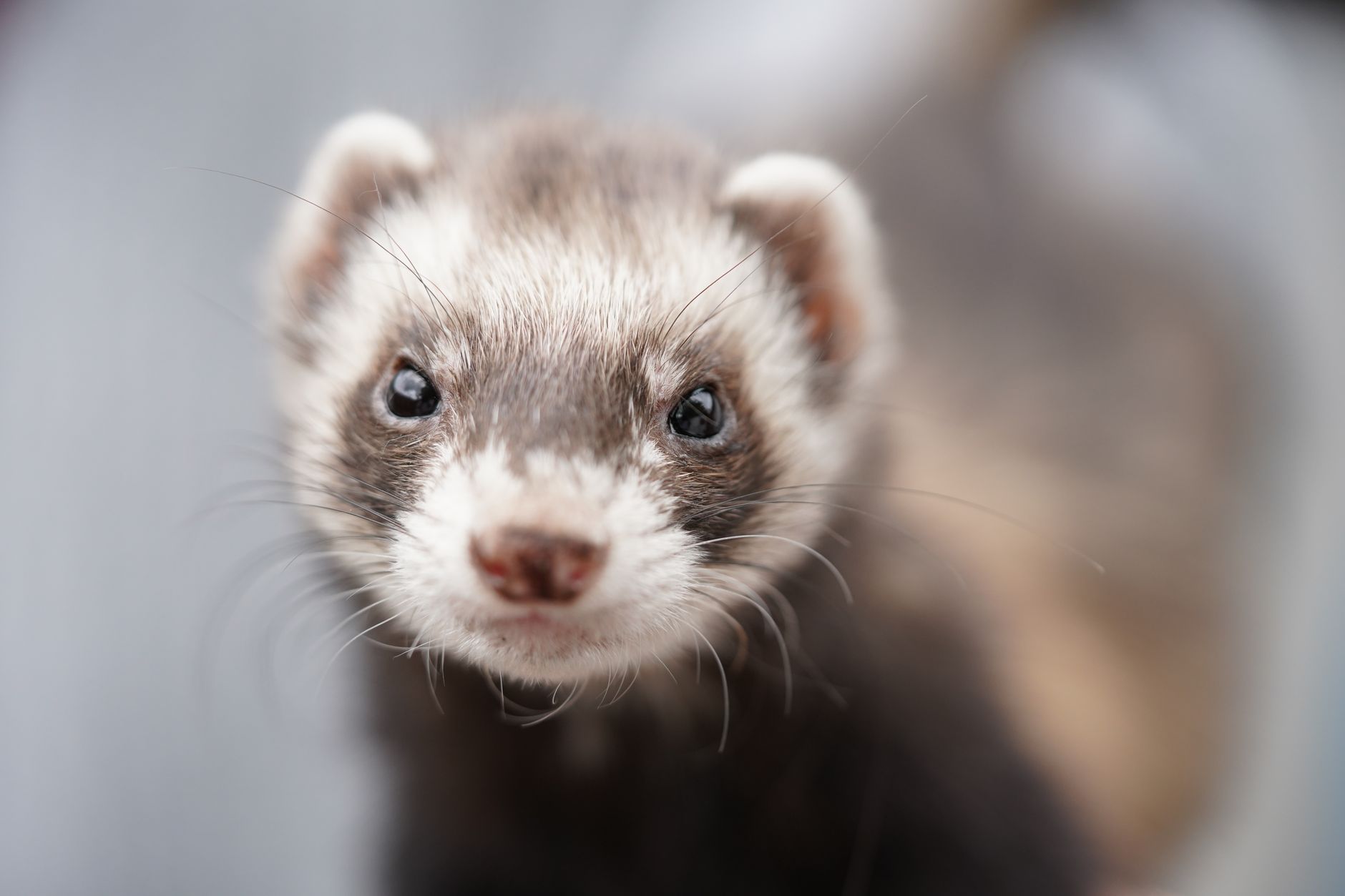
Understanding the Ferret’s Dietary Needs
Ferrets, unlike dogs, are obligate carnivores. This means their bodies are specifically adapted to digest and thrive on a diet almost exclusively composed of animal protein and fat. Their digestive tracts are short and simple, designed to quickly process meat. Introducing ingredients that are high in carbohydrates, fiber, or plant-based proteins can lead to digestive issues and long-term health problems.

Do all amphibians have eyelids?
Why do cuttlefish have W-shaped eyes?
Do all snakes have poison in them?
What is the GREY African clawed frog?
Why Greenies are Dangerous for Ferrets

Greenies are formulated for canine dental hygiene. This means they contain ingredients like:
- Wheat: A common grain that ferrets struggle to digest. It can lead to digestive upset, inflammation, and insulinoma risk.
- Glycerin: A sugar alcohol that, while providing some moisture, adds to the high-carbohydrate content.
- Other plant-based ingredients: These offer little to no nutritional value for ferrets and can be difficult to process.
Ferrets consuming Greenies are at risk for several health issues:
- Digestive Upset: Vomiting, diarrhea, and abdominal pain are common immediate reactions.
- Insulinoma: A tumor on the pancreas that causes low blood sugar. High-carbohydrate diets are a major risk factor for insulinoma in ferrets.
- Dental Problems: Paradoxically, Greenies can actually worsen dental problems in ferrets. The sugary content can contribute to plaque buildup and tooth decay.
- Nutritional Imbalances: Filling a ferret’s stomach with Greenies displaces the opportunity to consume nutrient-rich, appropriate foods.
Safe Alternatives for Ferret Dental Health
Maintaining good dental hygiene is crucial for ferrets. However, Greenies are not the answer. Consider these safe and effective alternatives:
- Raw meaty bones: Specifically, appropriately sized chicken necks or wings (always supervise to prevent choking). The chewing action helps clean teeth.
- Commercial ferret dental treats: Ensure these treats are specifically formulated for ferrets and have a high meat protein content with minimal plant-based ingredients.
- Regular Tooth Brushing: Use a ferret-safe toothbrush and toothpaste to gently clean your ferret’s teeth a few times a week.
- Veterinary Dental Cleanings: Regular checkups and professional dental cleanings by a veterinarian are essential for maintaining optimal oral health.
What to Do if Your Ferret Ate a Greenie
If your ferret has accidentally consumed a Greenie, monitor them closely for any signs of digestive upset, lethargy, or changes in behavior. Contact your veterinarian immediately if you notice any concerning symptoms. Early intervention can help minimize potential complications.
Conclusion: Can ferrets have greenies? The Answer is a Resounding No.
Protect your ferret’s health by providing a species-appropriate diet that is high in animal protein and fat. Avoid giving them Greenies or any other treats that are formulated for dogs. By prioritizing their unique nutritional needs, you can help your ferret live a long, healthy, and happy life. Remember, prevention is key when it comes to ferret health.
FAQs: Deep Dive into Ferret Dental Health and Greenies
What are Greenies made of?
Greenies are dental treats designed for dogs, primarily composed of wheat flour, glycerin, and various flavorings. They are intended to clean teeth as the dog chews, but their ingredient list is not suitable for the obligate carnivore digestive system of ferrets.
Why are carbohydrates bad for ferrets?
Ferrets have short digestive tracts and lack the necessary enzymes to efficiently break down carbohydrates. Excess carbohydrates can lead to digestive upset, insulin spikes, and an increased risk of insulinoma, a common and serious health problem in ferrets.
What is insulinoma and why is it a concern for ferret owners?
Insulinoma is a tumor of the pancreas that causes the overproduction of insulin, leading to dangerously low blood sugar levels (hypoglycemia). High-carbohydrate diets are a major risk factor for insulinoma in ferrets, making it crucial to avoid sugary treats and foods. Symptoms include lethargy, weakness, seizures, and weight loss.
What are the best treats for ferrets?
The best treats for ferrets are small pieces of cooked meat (chicken, turkey, or beef), freeze-dried meat treats, or commercial ferret treats that are high in protein and low in carbohydrates and sugar. Always check the ingredient list carefully before offering any treat.
How often should I clean my ferret’s teeth?
Ideally, you should brush your ferret’s teeth a few times a week. Even if you cannot manage that, regular dental check-ups with your veterinarian are crucial for maintaining good oral hygiene and detecting potential problems early.
What kind of toothpaste should I use for my ferret?
Never use human toothpaste on your ferret, as it contains ingredients that can be toxic if swallowed. Instead, use a ferret-specific toothpaste or plain water and a soft-bristled toothbrush or finger brush.
Can I give my ferret bones to chew on?
Yes, raw meaty bones, such as chicken necks or wings, can be a safe and effective way to clean your ferret’s teeth. However, always supervise your ferret while they are chewing on bones to prevent choking. Cooked bones should never be given, as they can splinter and cause internal damage.
Are there any signs I should look for that indicate dental problems in my ferret?
Common signs of dental problems in ferrets include bad breath, excessive drooling, difficulty eating, pawing at the mouth, red or swollen gums, and loose or broken teeth. If you notice any of these signs, schedule a veterinary appointment as soon as possible.
What should I do if my ferret refuses to let me brush their teeth?
Some ferrets are resistant to teeth brushing. Start slowly and gradually acclimate your ferret to the process. Use positive reinforcement, such as rewarding them with a small treat after each successful session. If they continue to resist, focus on providing other forms of dental care, such as raw meaty bones and regular veterinary dental check-ups.
Can ferrets have dog food instead of ferret food?
No, ferrets should not be fed dog food. Dog food is formulated for canine nutritional needs and typically contains higher levels of carbohydrates and plant-based proteins, which are not suitable for ferrets. Feeding a ferret dog food can lead to malnutrition and health problems.
What is the ideal diet for a ferret?
The ideal diet for a ferret consists of high-quality commercial ferret food that is at least 30-40% animal protein, 18-30% fat, and low in fiber (less than 3%). Supplement their diet with small amounts of meat-based treats and raw meaty bones. Always provide fresh, clean water.
Are all ferret treats safe for my pet?
Not all ferret treats are created equal. Always read the ingredient list carefully and avoid treats that are high in sugar, carbohydrates, or plant-based ingredients. Opt for treats that are primarily made of meat and specifically formulated for ferrets. When in doubt, consult with your veterinarian for recommendations.