

Can Ducks Live with Chickens? A Beginner’s Guide to Co-Habitation
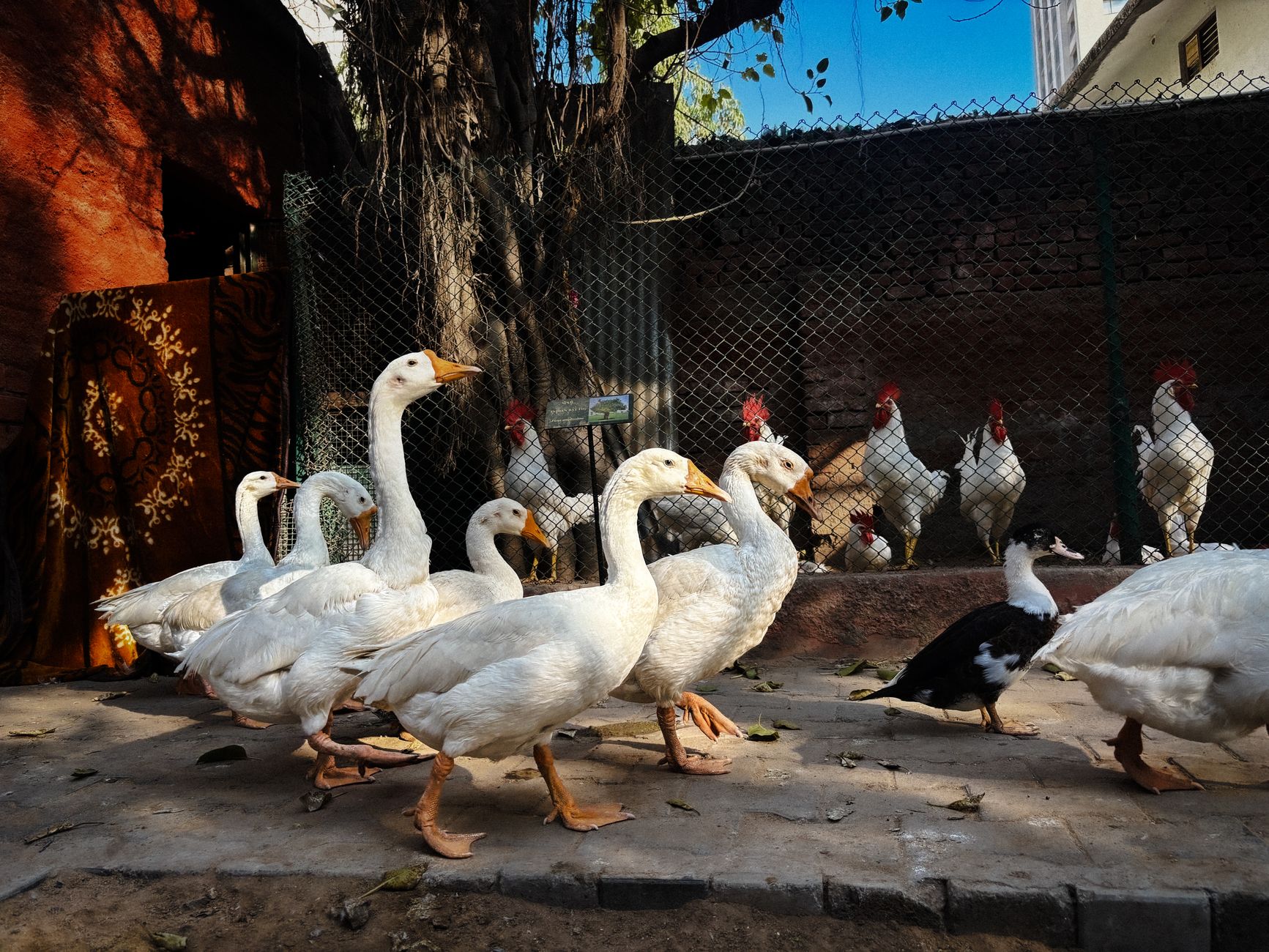
Yes, in most cases, ducks can peacefully live with chickens, offering a mutually beneficial symbiotic relationship when properly managed. This guide explores the benefits, challenges, and essential steps to successfully integrate ducks and chickens in your backyard.

Introduction: A Feathered Friendship?
The question of whether can ducks live with chickens? is a common one among homesteaders and backyard poultry enthusiasts. While seemingly disparate, these two species often coexist harmoniously, creating a more diverse and vibrant backyard environment. Understanding their different needs and behaviors is crucial for successful co-habitation. Done right, raising ducks and chickens together can improve pest control, fertilization, and overall ecosystem health.
What is the GREY African clawed frog?
Is distilled water good for goldfish?
What colours are fish most attracted to?
Can you put your finger in a trout's mouth?
Benefits of Raising Ducks and Chickens Together

Integrating ducks and chickens offers several advantages, both for the animals and the keeper:
- Pest Control: Ducks are voracious insectivores, consuming slugs, snails, and other pests that plague gardens and chicken coops. Chickens also eat insects but are less effective at controlling wet-loving pests.
- Fertilization: Duck manure is richer in phosphorus, potassium, and nitrogen than chicken manure. This provides a more balanced and potent fertilizer for your garden.
- Reduced Weeds: Ducks love to eat weeds, helping to keep gardens and runs tidy.
- Natural Aeration: Duck bills sift through the soil when foraging, aerating the ground and improving drainage.
- Mutual Protection: Both ducks and chickens provide an extra layer of security against predators.
- Entertaining Observation: Observing the interactions and behaviors of these different species can be highly entertaining and educational.
Preparing for Integration: Essential Steps
Successfully integrating ducks and chickens requires careful planning and preparation. Here’s a step-by-step guide:
- Adequate Space: Ducks require significantly more space than chickens, especially for swimming. Ensure your run is large enough to accommodate both species comfortably. A good rule of thumb is at least 10 square feet per chicken and 15 square feet per duck outdoors.
- Water Access: Ducks need access to water deep enough to submerge their heads for cleaning their nasal passages. This can be a pond, a large tub, or even a kiddie pool. Chickens need access to clean, dry water at all times. Ensure separate water sources are available or that one source accommodates both species without creating excessively muddy conditions.
- Shelter: Both chickens and ducks need protection from the elements. A coop should be large enough to house both species comfortably, with adequate ventilation and protection from drafts. Provide roosting bars for chickens and dry bedding for ducks.
- Feeding: While both species can eat chicken feed, ducks benefit from niacin supplementation, which is crucial for proper bone development. Consider supplementing their diet with brewer’s yeast or waterfowl-specific feed. Separate feeding areas can prevent competition.
- Introduction: Introduce ducks and chickens gradually. Start by allowing them to see each other through a fence or barrier before integrating them into the same run. Supervise their initial interactions and separate them if necessary.
- Age Matters: Introducing ducklings to chicks is generally easier than introducing adult birds to each other.
Potential Challenges and How to Overcome Them
While can ducks live with chickens successfully, some challenges might arise:
- Muddy Conditions: Ducks are messy and create muddy conditions around water sources. Proper drainage and strategically placed gravel or wood chips can mitigate this issue.
- Dominance Issues: Ducks can sometimes be more aggressive than chickens, especially towards smaller breeds. Provide ample space and resources to minimize competition.
- Dietary Differences: While they can share some food, ducks require more niacin than chickens. Supplement their diet as needed.
- Coop Cleanliness: Ducks are messier than chickens and can create a more humid environment in the coop. Regular cleaning is essential to prevent health problems.
- Water Contamination: Ducks tend to foul water sources quickly. Regularly clean and refresh water to prevent the spread of disease.
Comparing Duck and Chicken Needs
| Feature | Chickens | Ducks |
|---|---|---|
| Space | 4-5 sq ft per bird in coop, 8-10 sq ft per bird in run | 6-8 sq ft per bird in coop, 12-15 sq ft per bird in run |
| Water | Clean, dry water source | Deep water source for swimming and cleaning |
| Diet | Chicken feed, scratch grains | Chicken feed + niacin supplement |
| Shelter | Roosting bars, dry bedding | Dry bedding, limited roosting |
| Predation Risk | Susceptible to various predators | Less susceptible due to swimming ability |
| Environmental Needs | Dry environment, dust baths | Wet environment, mud baths |
Common Mistakes to Avoid
- Insufficient Space: Overcrowding leads to stress, aggression, and disease.
- Inadequate Water Access: Ducks need deep water for cleaning; chickens need clean, dry water.
- Ignoring Dietary Needs: Ducks require niacin; chickens don’t.
- Sudden Introduction: Introduce birds gradually to minimize conflict.
- Poor Sanitation: Dirty conditions promote disease.
- Neglecting Predator Protection: Secure your coop and run to protect your flock.
Monitoring and Adjustment
Observe your flock closely for signs of stress, illness, or aggression. Adjust your management practices as needed to ensure the health and well-being of both ducks and chickens. Regular monitoring is key to a successful and harmonious cohabitation.
Frequently Asked Questions (FAQs)
Can I raise ducklings and chicks together from day one?
Yes, you can raise ducklings and chicks together from day one, but it requires close supervision. Ensure they have access to chick starter feed supplemented with niacin for the ducklings. Provide shallow water sources that the chicks cannot drown in.
What type of coop is best for both ducks and chickens?
The ideal coop is spacious, well-ventilated, and easy to clean. It should have roosting bars for chickens and ample dry bedding for ducks. Ensure good drainage to prevent mud accumulation. A large door for easy access and cleaning is also beneficial.
Do ducks and chickens carry the same diseases?
While they can share some diseases, ducks are generally more resistant to common chicken ailments. It’s still important to practice good biosecurity to prevent the spread of disease. Regularly monitor your flock for signs of illness and consult with a veterinarian if necessary.
What is niacin and why do ducks need it?
Niacin, also known as vitamin B3, is essential for proper bone and nerve development in ducks. Ducklings are particularly susceptible to niacin deficiency, which can lead to leg problems and lameness. Supplementing their diet with brewer’s yeast or waterfowl-specific feed can help ensure they get enough niacin.
How often should I clean the coop when raising ducks and chickens together?
The coop should be cleaned at least once a week, but more frequent cleaning may be necessary depending on the size of your flock and the weather conditions. Ducks tend to make the coop messier than chickens alone, so regular cleaning is essential to prevent the build-up of ammonia and the spread of disease.
Will ducks eat chicken eggs?
Ducks are known to eat chicken eggs, especially if they’re accidentally broken or easily accessible. Providing secure nesting boxes for your chickens and collecting eggs frequently can help prevent this behavior.
How do I protect my ducks and chickens from predators?
Secure your coop with sturdy wire mesh and bury the bottom to prevent digging predators. Use a netting or roof to protect your run from aerial predators. Consider using a livestock guardian animal, such as a dog or a llama, to deter predators.
Is it possible for ducks and chickens to breed?
No, ducks and chickens cannot breed with each other. They are different species and their reproductive systems are incompatible.
What kind of bedding is best for a combined duck and chicken coop?
Straw, wood shavings, or hemp bedding are good options for a combined coop. Avoid cedar shavings, as they can be harmful to poultry. Ensure the bedding is dry and absorbent to prevent the build-up of ammonia.
How do I keep my ducks from making the chicken run too muddy?
Provide good drainage in your chicken run by installing French drains or using gravel. Create a separate area for your ducks’ water source that is away from the main chicken run. Using deep litter method can also help absorb excess moisture.
Can ducks and chickens eat the same treats?
Yes, both ducks and chickens can enjoy a variety of treats, such as mealworms, leafy greens, and fruits. However, it’s important to offer treats in moderation and ensure they don’t make up more than 10% of their daily diet.
What are the signs that my ducks and chickens are not getting along?
Signs of conflict can include excessive pecking, feather pulling, chasing, and avoidance behavior. If you observe these signs, separate the birds temporarily and reassess their living space and resource availability. If the problems persist, you may need to permanently separate the ducks and chickens.