

Can Aquarium Moss Grow on Rocks? A Comprehensive Guide
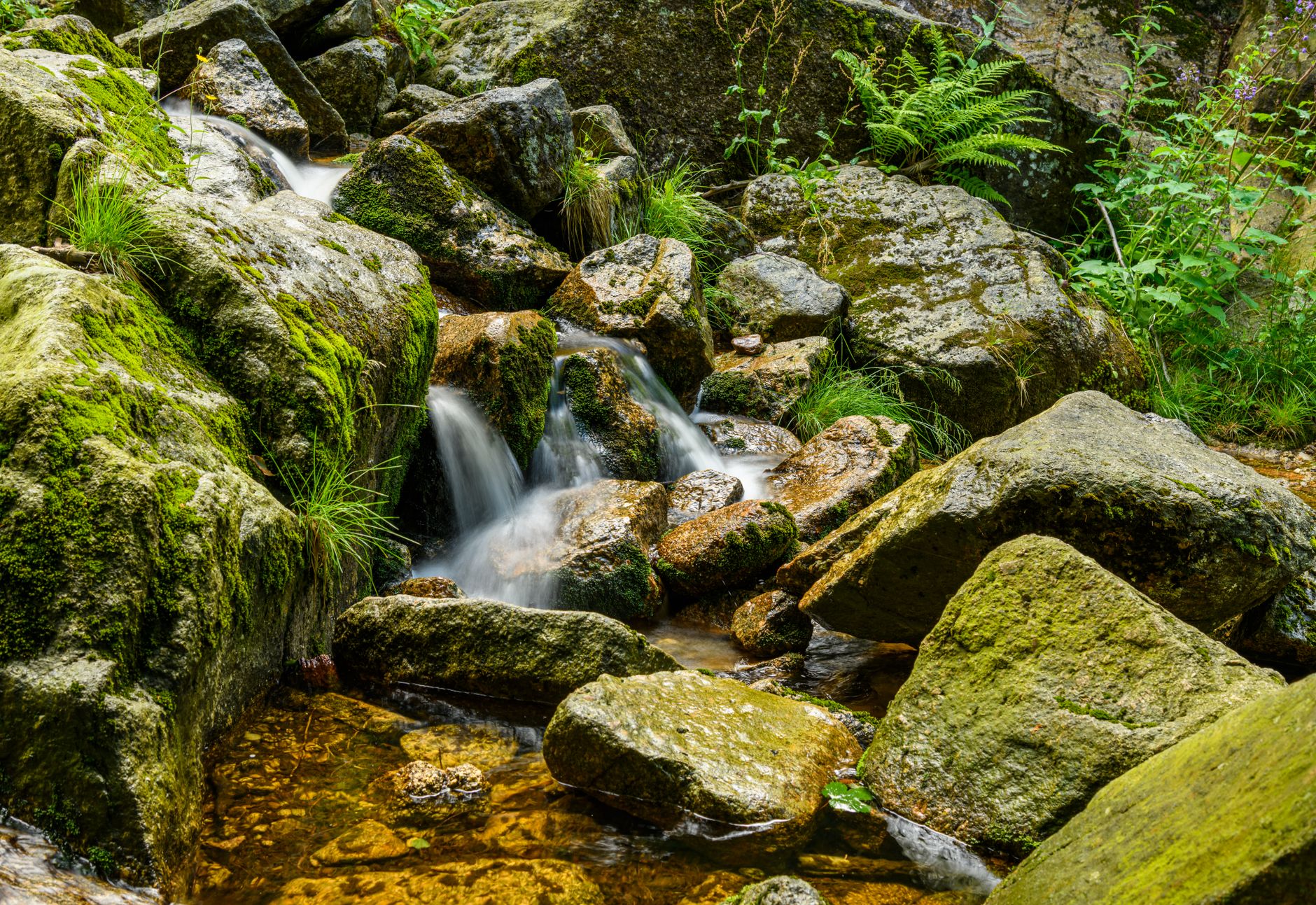
Yes, aquarium moss can absolutely grow on rocks, and it’s a fantastic way to create a natural and beautiful aquascape. This method allows moss to anchor securely and flourish, contributing to a healthier and more aesthetically pleasing aquatic environment.

Introduction: The Beauty and Versatility of Aquarium Moss
Aquarium moss has become incredibly popular in the planted tank hobby, valued for its aesthetic appeal and its benefits to the aquatic ecosystem. Its soft, verdant texture provides a welcome contrast to hardscape elements like rocks and driftwood, creating visually stunning underwater landscapes. But beyond aesthetics, moss provides a haven for beneficial microorganisms, a breeding ground for invertebrates, and a refuge for small fish. The ability to attach aquarium moss to rocks opens up a world of possibilities for aquascaping, allowing hobbyists to mimic natural environments and create truly unique aquarium setups.
How do you buff aquarium glass?
What is the GREY African clawed frog?
Is distilled water good for goldfish?
What colours are fish most attracted to?
Why Grow Aquarium Moss on Rocks?

There are several compelling reasons to cultivate aquarium moss on rocks:
- Aesthetics: Moss-covered rocks offer a natural and visually appealing look. They soften the hard edges of the rocks and create a sense of depth and realism in the aquascape.
- Stability: Attaching moss to rocks provides a stable foundation for its growth. This prevents the moss from floating around the tank or getting sucked into the filter.
- Surface Area: Rocks provide a larger surface area for the moss to colonize, allowing it to grow more densely and attract more beneficial microorganisms.
- Habitat: Moss-covered rocks create a valuable habitat for small invertebrates like shrimp and snails, which graze on algae and detritus, helping to keep the aquarium clean. They also provide hiding places for shy fish.
- Nutrient Absorption: Moss helps to absorb excess nutrients from the water, preventing algae blooms and maintaining water quality.
The Process: Attaching Aquarium Moss to Rocks
The process of attaching aquarium moss to rocks is relatively simple and can be accomplished using a few different methods:
-
Preparation:
- Choose suitable rocks: Opt for porous rocks with a rough surface, as they provide a better grip for the moss. Lava rock, dragon stone, and slate are excellent choices.
- Prepare the moss: Separate the moss into small clumps or strands. This will make it easier to attach and encourage more even growth.
- Gather your materials: You will need aquarium-safe thread, fishing line, super glue gel (cyanoacrylate), or specialized aquarium moss glue.
-
Attachment Methods:
- Thread or Fishing Line: Wrap the thread or fishing line around the moss and the rock, securing it tightly in place. Over time, the moss will attach to the rock, and the thread will become less visible. This method is ideal for larger pieces of moss.
- Super Glue Gel: Apply a small dot of super glue gel to the rock and press the moss onto the glue. Hold it in place for a few seconds until the glue sets. Be sure to use a cyanoacrylate-based glue, as it is aquarium-safe. This method is best for small clumps of moss.
- Aquarium Moss Glue: Specialized aquarium moss glues are available and are specifically designed for attaching moss to hardscape. They are typically gel-based and dry quickly.
-
Placement and Maintenance:
- Place the moss-covered rocks in the aquarium, ensuring they receive adequate light.
- Provide regular water changes and fertilization to promote healthy moss growth.
- Trim the moss as needed to maintain its shape and prevent it from overgrowing other plants.
Choosing the Right Type of Aquarium Moss
Several types of aquarium moss are commonly used for aquascaping. Some popular options include:
- Java Moss ( Taxiphyllum barbieri ): The most popular and readily available moss. It’s easy to grow and adaptable to a wide range of conditions.
- Christmas Moss (Vesicularia montagnei): Known for its feathery, Christmas tree-like appearance. It prefers slightly cooler temperatures and higher light levels than Java Moss.
- Flame Moss (Taxiphyllum flame): Grows vertically, resembling flames. It’s a slow-growing moss that adds a unique texture to the aquascape.
- Weeping Moss (Vesicularia ferriei): Features drooping branches, creating a weeping willow effect. It’s a beautiful moss that requires moderate light and good water circulation.
- Taiwan Moss (Taxiphyllum alternans): Characterized by its triangular growth pattern. It’s a hardy moss that thrives in a variety of conditions.
| Moss Type | Appearance | Growth Rate | Light Needs | CO2 Needs |
|---|---|---|---|---|
| Java Moss | Irregular, branching | Fast | Low to High | Low |
| Christmas Moss | Feathery, triangular | Medium | Medium High | Low to Med |
| Flame Moss | Upright, flame-like | Slow | Medium | Low |
| Weeping Moss | Drooping branches | Medium | Medium | Low to Med |
| Taiwan Moss | Triangular, dense | Medium | Medium | Low to Med |
Common Mistakes to Avoid
- Using Non-Aquarium Safe Glue: Always use cyanoacrylate-based super glue gel or specialized aquarium moss glue. Regular household glues can be toxic to fish and invertebrates.
- Attaching Too Much Moss at Once: Start with small clumps of moss. Overcrowding can hinder growth and lead to the moss decaying.
- Insufficient Lighting: Moss requires adequate light to photosynthesize and grow. Provide sufficient lighting based on the type of moss you choose.
- Poor Water Quality: Dirty water can inhibit moss growth and promote algae growth. Maintain good water quality through regular water changes and proper filtration.
- Over-fertilizing: While moss benefits from fertilization, over-fertilizing can lead to algae blooms. Use a balanced liquid fertilizer specifically designed for aquatic plants, and follow the recommended dosage.
- Not Trimming the Moss: Untrimmed moss can become dense and block light to the lower layers, causing them to die off. Trim the moss regularly to maintain its shape and promote healthy growth.
Frequently Asked Questions (FAQs)
How long does it take for aquarium moss to attach to rocks?
It typically takes aquarium moss a few weeks to a couple of months to fully attach to rocks. The exact timeframe depends on the type of moss, the attachment method, and the water conditions. You’ll notice the moss beginning to adhere to the rock as it sends out rhizoids (root-like structures) to anchor itself.
What kind of glue is safe to use in an aquarium?
Only use cyanoacrylate-based super glue gel or specialized aquarium moss glue. These types of glue are aquarium-safe and will not harm your fish or invertebrates. Avoid using regular household glues, as they can contain toxic chemicals.
Can I use thread instead of glue to attach moss?
Yes, thread or fishing line is a perfectly viable option for attaching moss to rocks. Wrap the thread around the moss and the rock, securing it tightly. Over time, the moss will attach to the rock, and the thread will become less visible. This method is often preferred for larger pieces of moss or when you want to avoid using glue.
How often should I trim aquarium moss?
Trim aquarium moss as needed to maintain its shape and prevent it from overgrowing other plants. The frequency of trimming will depend on the growth rate of the moss and your personal preferences. Generally, trimming every few weeks is sufficient.
Does aquarium moss need CO2 injection to grow?
Most aquarium moss species can thrive without CO2 injection. They are relatively low-maintenance plants and can obtain sufficient carbon from the water column. However, CO2 injection can promote faster and more vigorous growth.
What are the ideal water parameters for growing aquarium moss?
Aquarium moss is generally adaptable to a wide range of water parameters, but it prefers slightly acidic to neutral water (pH 6.0-7.5) and moderate temperatures (70-80°F or 21-27°C). Maintaining stable water parameters is important for optimal growth.
How do I prevent algae from growing on my aquarium moss?
Good water quality, adequate lighting, and a balanced nutrient supply are essential for preventing algae growth on aquarium moss. Regular water changes, proper filtration, and the introduction of algae-eating invertebrates like shrimp and snails can help to control algae.
Can I use aquarium moss in a low-tech tank?
Yes, aquarium moss is an excellent choice for low-tech tanks. It is a relatively hardy plant that can thrive without CO2 injection or high-intensity lighting.
What type of lighting is best for aquarium moss?
Aquarium moss can grow under a variety of lighting conditions, from low to high. However, moderate lighting is generally recommended for optimal growth and to prevent algae from growing on the moss.
Will aquarium moss grow in brackish water?
Most aquarium moss species are freshwater plants and will not tolerate brackish water conditions. Avoid using them in brackish water aquariums.
How do I propagate aquarium moss?
Aquarium moss is easily propagated by simply dividing the moss into smaller clumps or strands and attaching them to new surfaces. The moss will grow and spread over time, forming new colonies.
Is it possible to attach aquarium moss to plastic decorations?
While rocks and wood offer the best surface, aquarium moss can be attached to plastic decorations using the same methods as attaching it to rocks (glue or thread). The moss may not adhere as easily to smooth plastic, but it is certainly possible to achieve a mossy look on plastic decor.