

Can Hammerhead Sharks Live in a Lake? A Comprehensive Exploration
The straightforward answer is no. Hammerhead sharks cannot survive in freshwater lakes due to their physiological requirements for a saltwater environment and the lack of appropriate prey.
Introduction: A Marine Marvel Out of Place
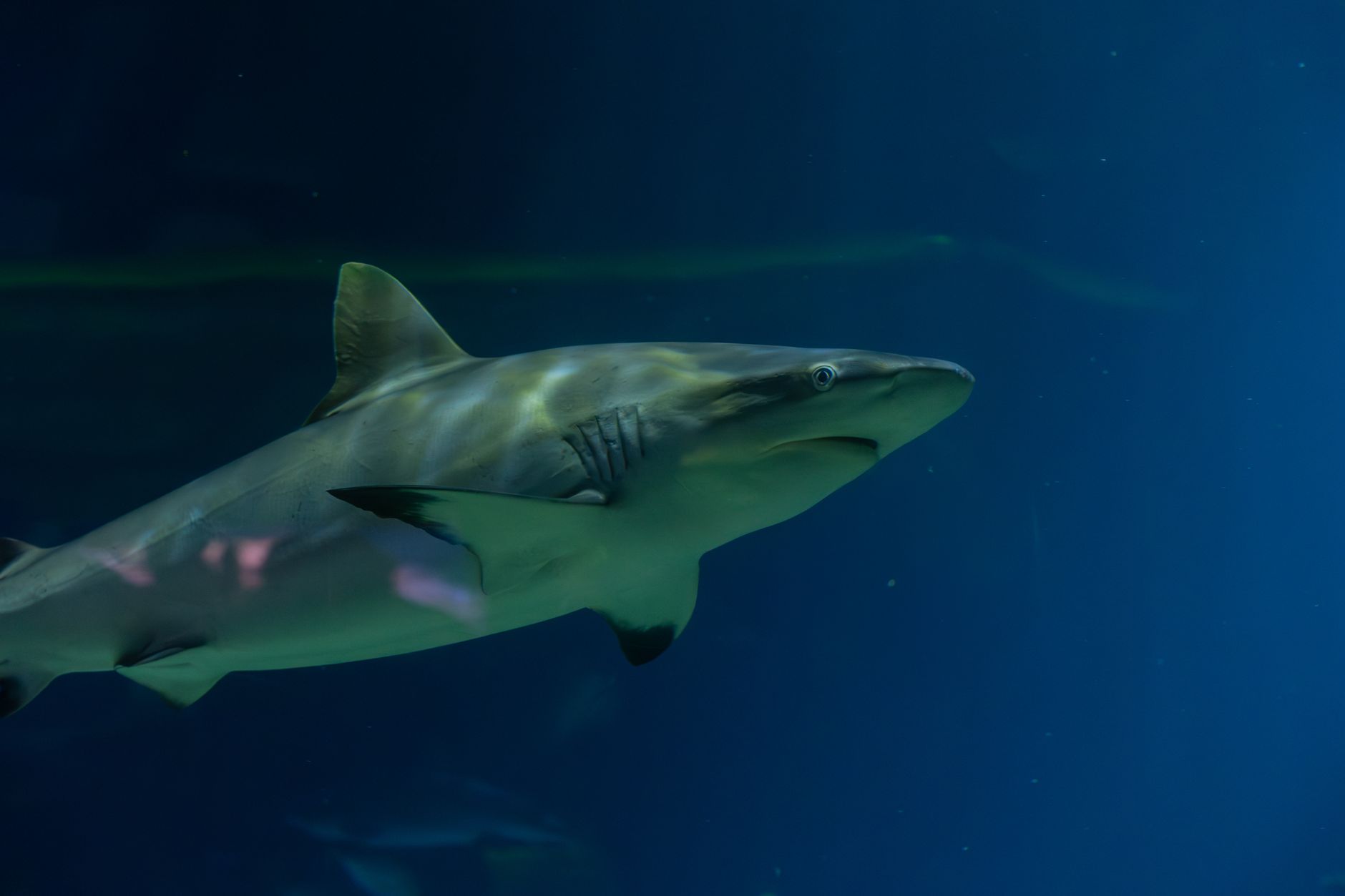
The image of a hammerhead shark, with its distinctive cephalofoil (hammer-shaped head), cruising through a freshwater lake is a striking and unlikely one. Hammerhead sharks are iconic marine predators, perfectly adapted to thrive in saltwater environments. Understanding why they are unsuitable for freshwater habitats requires exploring their biological needs and the fundamental differences between marine and freshwater ecosystems. The question, “Can a hammerhead shark live in a lake?,” therefore, goes beyond a simple yes or no answer; it delves into the intricacies of osmoregulation, salinity tolerance, and the specific dietary requirements of these fascinating creatures.

What is the GREY African clawed frog?
Is distilled water good for goldfish?
What colours are fish most attracted to?
Can you put your finger in a trout's mouth?
Salinity and Osmoregulation
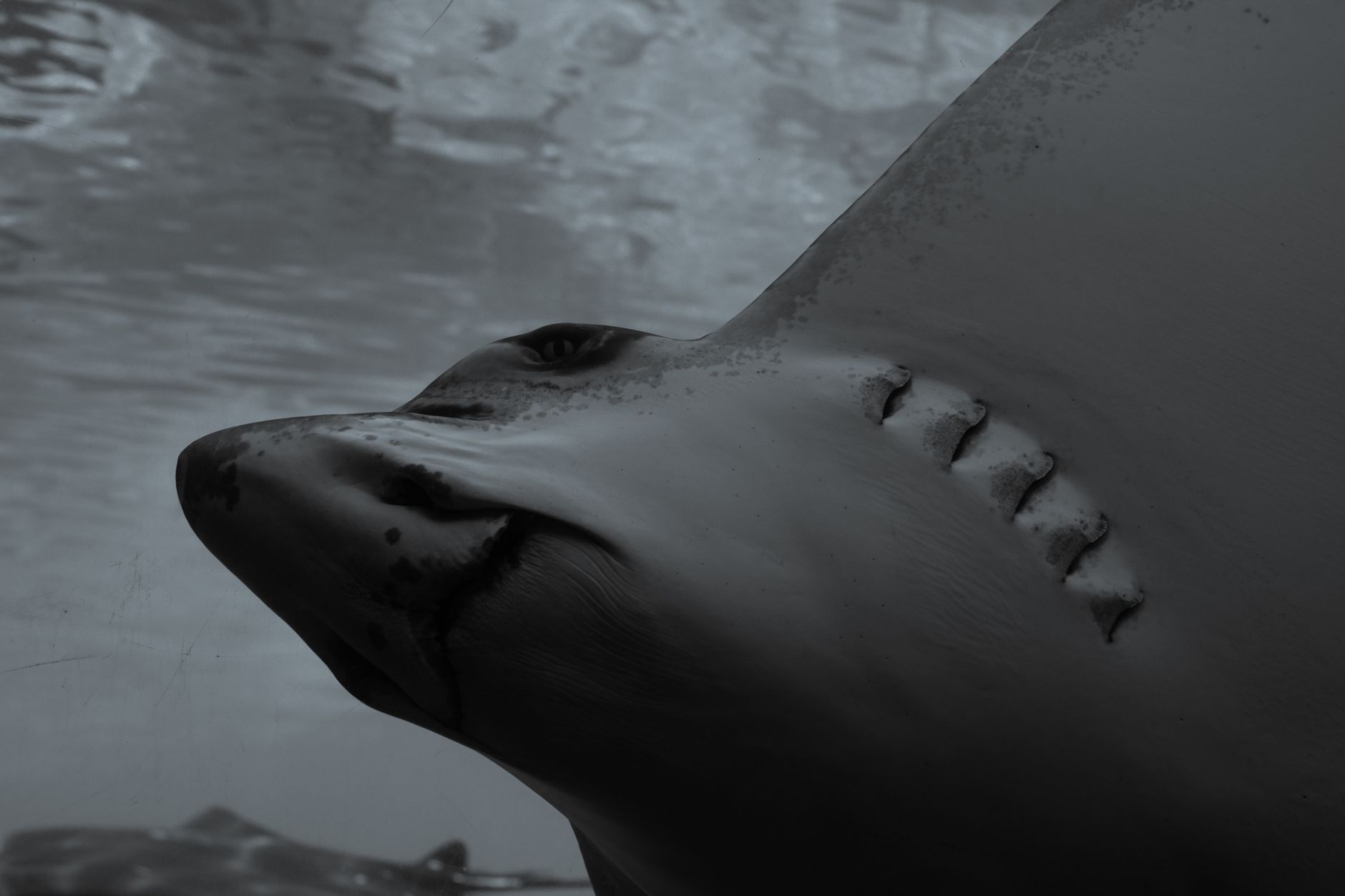
One of the primary reasons hammerhead sharks cannot live in a lake is their inability to effectively osmoregulate in freshwater. Osmoregulation is the process by which an organism maintains the balance of water and salt in its body fluids.
- Marine fish, like hammerheads, are hypotonic compared to their surroundings, meaning their body fluids have a lower salt concentration than seawater.
- They constantly lose water to the environment through osmosis and must actively drink seawater to compensate.
- They also excrete excess salt through their gills and kidneys.
Freshwater fish, on the other hand, are hypertonic compared to their environment. They constantly absorb water and lose salts. They must actively pump salts back into their bodies and excrete excess water. Hammerhead sharks, lacking these adaptations, would suffer severe dehydration and salt depletion in a freshwater lake, leading to organ failure and death.
Dietary Requirements
Hammerhead sharks are apex predators, relying on a diet of marine fish, crustaceans, and cephalopods. These food sources are abundant in saltwater ecosystems but largely absent in freshwater lakes. While some lakes may contain fish, they are typically freshwater species, which may not provide the necessary nutrients or caloric intake for a large, active predator like a hammerhead shark. The answer to “Can a hammerhead shark live in a lake?” is also dependent on their diet.
Habitat Limitations
Beyond salinity and food availability, freshwater lakes often lack the space and structural complexity required by hammerhead sharks. Many species, like the Great Hammerhead, are migratory and require access to vast stretches of open ocean. Lakes, by their very nature, are enclosed environments, limiting the shark’s ability to roam and hunt effectively. The physical limitations of the habitat would also restrict behaviors like mating and pup rearing.
Documented Cases (Or Lack Thereof)
There are no documented cases of hammerhead sharks successfully inhabiting freshwater lakes for extended periods. While some sharks, like bull sharks, can tolerate freshwater for a while, even they require saltwater to survive and reproduce. Bull sharks have specialized adaptations that allow them to osmoregulate in varying salinities for brief periods. Hammerhead sharks do not possess these adaptations. So, the fundamental question “Can a hammerhead shark live in a lake?” is clearly answered by the absence of evidence.
Comparative Osmoregulation
This table highlights the key differences in osmoregulation between marine and freshwater fish:
| Feature | Marine Fish (e.g., Hammerhead) | Freshwater Fish |
|---|---|---|
| Salt Concentration | Lower than environment | Higher than environment |
| Water Loss | Constant loss | Constant gain |
| Water Intake | Drinks seawater | Minimal drinking |
| Salt Excretion | Actively excretes | Actively absorbs |
| Urine | Small amount, concentrated | Large amount, dilute |
Why Bull Sharks Are Different
Bull sharks have a special gland in their kidneys that allows them to recycle salt and retain it in their body, helping them tolerate freshwater environments. They can also alter the permeability of their gills to reduce salt loss. Hammerhead sharks do not have these adaptations, making them entirely dependent on saltwater.
The Fragility of Marine Ecosystems
The inability of hammerhead sharks to survive in freshwater highlights the fragility of marine ecosystems. These sharks are highly specialized creatures, adapted to a specific set of environmental conditions. Changes in salinity, temperature, or food availability can have devastating consequences for their survival. Understanding these limitations is crucial for conservation efforts aimed at protecting these magnificent animals and their habitats.
FAQs: Hammerhead Sharks and Freshwater
Why can bull sharks tolerate freshwater but hammerheads cannot?
Bull sharks possess unique physiological adaptations, including a specialized kidney gland and the ability to alter gill permeability, which allows them to efficiently regulate salt and water balance in varying salinity environments. Hammerhead sharks lack these adaptations, making them strictly reliant on saltwater for survival.
What would happen to a hammerhead shark if it was placed in a lake?
A hammerhead shark placed in a lake would rapidly experience dehydration and salt depletion due to osmosis. Its organs would begin to shut down, and it would eventually die. The inability to osmoregulate in freshwater is a fatal limitation.
Are there any documented cases of hammerhead sharks in freshwater rivers?
There are no credible, documented cases of hammerhead sharks successfully inhabiting freshwater rivers for extended periods. Reports are usually misidentifications or brief, accidental incursions that do not lead to survival.
Do hammerhead sharks ever venture close to shore in saltwater environments?
Yes, hammerhead sharks often venture close to shore in saltwater environments, particularly in areas with abundant prey. However, these are still marine environments with the necessary salinity levels for their survival.
What is the ideal salinity level for hammerhead sharks?
Hammerhead sharks thrive in full-strength seawater, which typically has a salinity level of around 35 parts per thousand (ppt). Significant deviations from this level can be detrimental to their health.
Could hammerhead sharks evolve to live in freshwater?
While evolution can lead to significant adaptations over time, it is highly unlikely that hammerhead sharks could evolve to tolerate freshwater in the foreseeable future. The physiological changes required would be extensive and complex.
What is the conservation status of hammerhead sharks?
Several species of hammerhead sharks are listed as endangered or vulnerable due to overfishing and habitat degradation. Conservation efforts are crucial to protect these magnificent creatures.
What role do hammerhead sharks play in the marine ecosystem?
Hammerhead sharks are apex predators that play a vital role in maintaining the balance of marine ecosystems. They help regulate populations of other marine species and contribute to the overall health and stability of the food web.
How does climate change affect hammerhead sharks?
Climate change poses a significant threat to hammerhead sharks through ocean acidification, rising sea temperatures, and changes in prey distribution. These factors can disrupt their habitats and impact their ability to survive and reproduce.
Is it possible to keep a hammerhead shark in a large, artificial saltwater tank?
While technically possible to keep a hammerhead shark in a very large, artificial saltwater tank, it is highly unethical due to the space limitations, stress on the animal, and difficulty in replicating their natural environment.
What is the most distinctive feature of a hammerhead shark?
The most distinctive feature of a hammerhead shark is its cephalofoil, or hammer-shaped head. The function of the cephalofoil is still debated, but it is believed to enhance their sensory perception and hunting abilities.
What can I do to help protect hammerhead sharks?
You can help protect hammerhead sharks by supporting sustainable seafood choices, reducing your carbon footprint to mitigate climate change, and advocating for stronger marine conservation policies.
In conclusion, the idea that can a hammerhead shark live in a lake is not only improbable but impossible given their biological dependencies on saltwater.